
When planning a vacation or business trip, travelers typically focus on exciting destinations, luxurious hotels, and captivating attractions. However, for those considering a visit to Florida, understanding the current legal landscape, particularly concerning healthcare, has become an increasingly significant aspect of travel planning. The question, “Did Florida ban abortion?” is one that many prospective visitors and residents alike are asking, and the answer has evolved significantly over recent years, carrying implications for both medical access and the broader travel experience within the Sunshine State.
Florida is renowned globally for its pristine beaches, vibrant cities like Miami and Orlando, and world-class theme parks such as Walt Disney World Resort and Universal Orlando Resort. It’s a premier destination for families, solo adventurers, and couples seeking unforgettable experiences. Yet, recent legislative and judicial actions surrounding abortion access have added a layer of complexity for those traveling to or considering a long-term stay in this popular state. This article aims to clarify the current situation regarding abortion laws in Florida, providing essential context for travelers and detailing how these changes might impact travel decisions and personal well-being while enjoying all that the state has to offer.

The Evolving Legal Framework in Florida
The legal landscape surrounding abortion in the United States has undergone profound changes in recent years, particularly following the overturning of Roe v. Wade in June 2022. This landmark decision shifted the authority to regulate or ban abortion entirely to individual states. Consequently, Florida, like many other states, has actively pursued legislative measures to restrict abortion access, creating a dynamic and often confusing environment for residents and visitors alike.
From Roe v. Wade to State-Level Action
For nearly five decades, Roe v. Wade guaranteed a constitutional right to abortion nationwide, setting a precedent that allowed states to regulate but not outright ban the procedure before fetal viability, typically around 24 weeks of pregnancy. However, the Supreme Court’s decision in Dobbs v. Jackson Women’s Health Organization eliminated this federal protection, ushering in an era where each state could determine its own abortion laws.
In the wake of this decision, Florida quickly became a focal point for legislative action. Even before the Dobbs ruling, the state had begun to enact more restrictive measures, signaling a clear shift in policy. These actions have gradually tightened access, moving from less stringent regulations to significantly stricter bans, all while navigating various legal challenges that have shaped their implementation and enforcement. Understanding this progression is key to grasping the current situation.
Florida’s 15-Week Abortion Ban (HB 5)
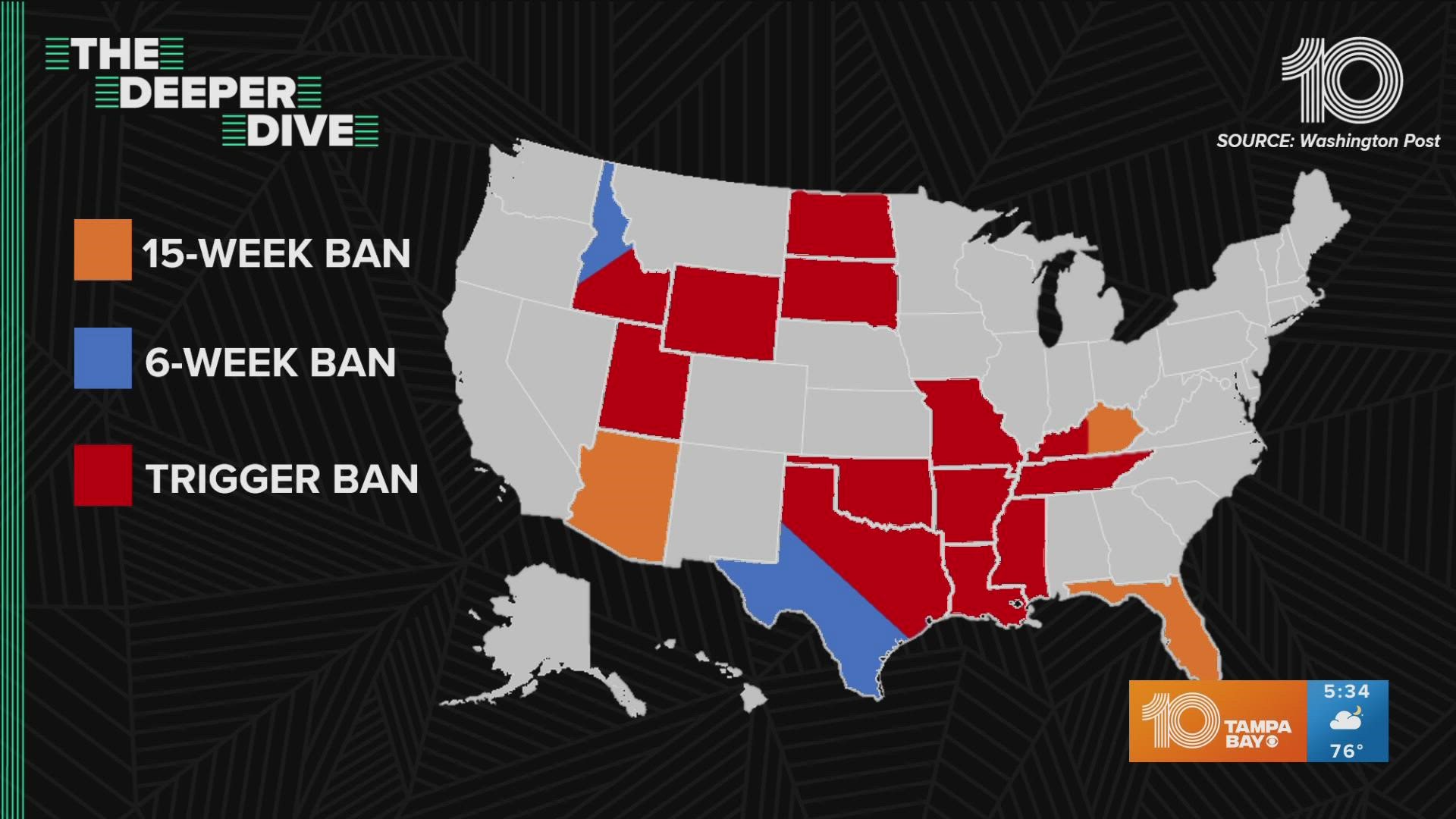
One of the first significant actions taken by Florida was the enactment of House Bill 5 (HB 5), which banned abortions after 15 weeks of pregnancy. This law, signed by Governor Ron DeSantis, became effective on July 1, 2022, shortly after the Dobbs decision. Prior to HB 5, Florida allowed abortions up to 24 weeks, making the 15-week ban a substantial curtailment of reproductive rights within the state.
The 15-week ban included limited exceptions: it permitted abortions if necessary to save the pregnant person’s life or to prevent serious physical injury, or if two physicians certified in writing that the fetus had a fatal abnormality. However, it explicitly did not include exceptions for rape, incest, or human trafficking. This law immediately faced legal challenges from reproductive rights advocates, arguing that it violated the state’s constitutional right to privacy, which the Florida Supreme Court had previously interpreted to protect abortion access. While HB 5 was challenged, it remained largely in effect, creating uncertainty and logistical hurdles for individuals seeking later-term abortions in the state. Many travelers, previously accustomed to Florida’s comparatively broader access, found themselves needing to understand these new restrictions.
The Six-Week “Heartbeat” Ban (SB 300)
Following the implementation of the 15-week ban, Florida lawmakers moved swiftly to enact an even stricter measure: Senate Bill 300 (SB 300), often referred to as the “heartbeat” ban. Signed into law in April 2023, this bill prohibits most abortions after approximately six weeks of pregnancy, a point at which many individuals do not even realize they are pregnant. The effective date of this ban was contingent upon a ruling from the Florida Supreme Court regarding the constitutionality of the previously enacted 15-week ban.
Similar to HB 5, SB 300 includes very narrow exceptions. It allows abortions up to 15 weeks if the pregnancy is a result of rape, incest, or human trafficking, but only if the individual provides documentation such as a police report, medical record, or court order. The bill maintains the exception for saving the pregnant person’s life or preventing serious physical injury. The immediate impact of this legislation, once effective, significantly limits abortion access in Florida, making it one of the most restrictive states in the United States regarding reproductive healthcare. For travelers, this means a significantly shortened window for seeking care, a detail crucial for those considering Florida as a destination.
Judicial Challenges and Legal Battles
The path to enacting and enforcing these restrictive abortion laws in Florida has been anything but straightforward. Both the 15-week ban and the six-week ban have been subjected to intense legal scrutiny, primarily centered on the interpretation of Florida’s unique constitutional right to privacy. The legal battles have played a critical role in determining when and how these laws take effect, adding a layer of unpredictability for those trying to navigate healthcare options in the state.
The Florida Supreme Court’s Role
The Florida Supreme Court became the central arbiter in the fight over abortion access. A key element of Florida’s constitution, adopted by voters in 1980, includes an explicit right to privacy. For decades, lower courts and even the Florida Supreme Court itself had interpreted this privacy clause to protect a woman’s right to an abortion. This interpretation was the basis for legal challenges against the 15-week ban (HB 5).
In April 2024, the Florida Supreme Court issued a pivotal ruling, upholding the state’s 15-week abortion ban. This decision reversed decades of precedent and effectively stated that the privacy clause in the Florida Constitution does not guarantee a right to abortion. This ruling was a major victory for abortion opponents and paved the way for the even stricter six-week ban (SB 300) to take effect. The court’s decision was a significant turning point, fundamentally altering the legal landscape for reproductive healthcare in the state and signaling a more conservative stance on privacy rights.
What the Court’s Ruling Means for Enforcement
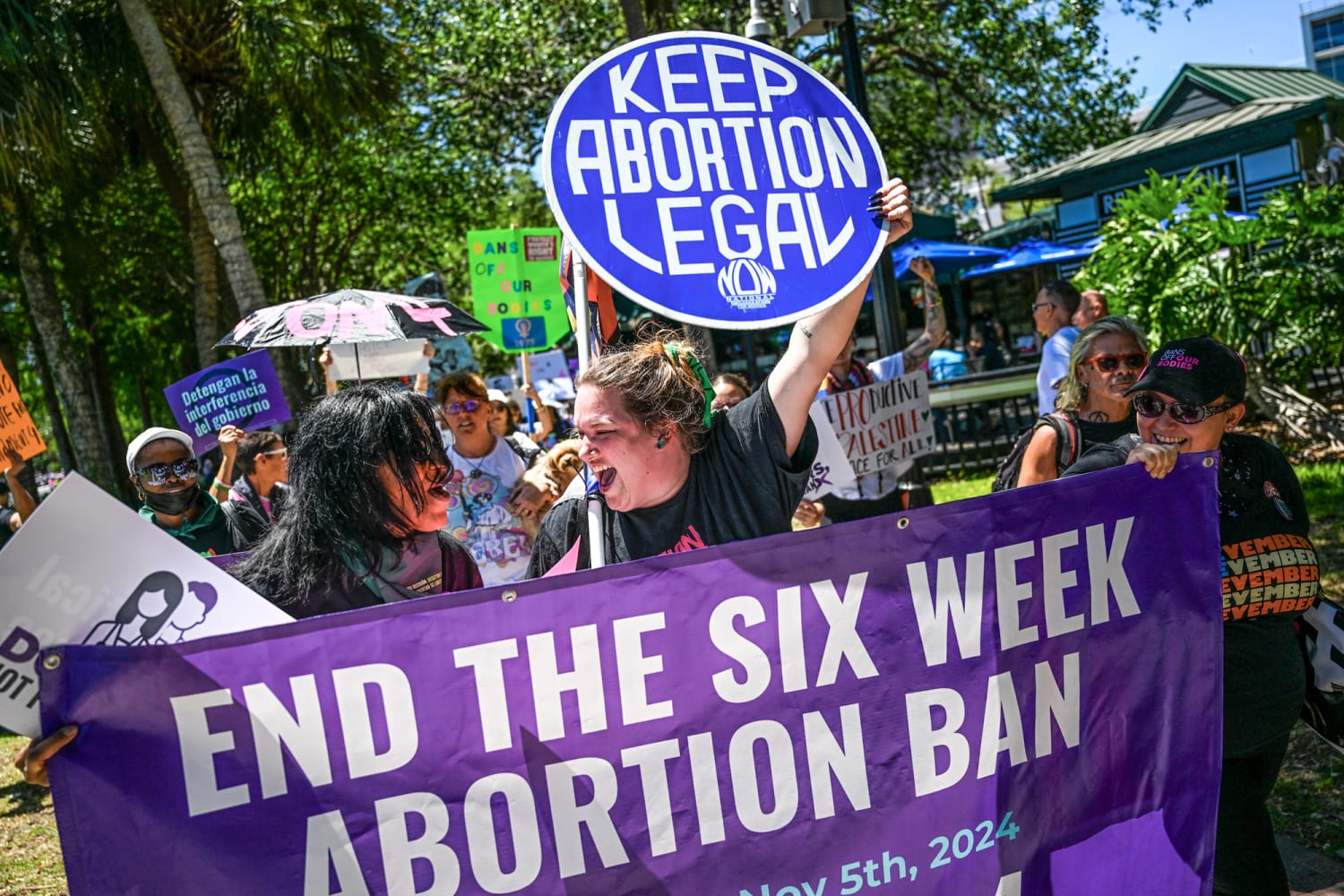
With the Florida Supreme Court’s decision to uphold the 15-week ban, the condition for the six-week ban to become law was met. As a result, the six-week “heartbeat” ban (SB 300) officially went into effect on May 1, 2024. This means that, with very limited exceptions, abortions are now prohibited in Florida after approximately six weeks of pregnancy.
This swift transition has created a complex situation for individuals seeking abortion care within the state. Healthcare providers must now adhere to these highly restrictive guidelines, significantly reducing the window of time available for patients to access care. For those traveling from out of state, potentially from areas with broader abortion access, the enforcement of this six-week ban means that Florida is no longer a viable option for most abortion services, especially if they are beyond the earliest stages of pregnancy. This legal shift demands a heightened level of awareness for any traveler, particularly those with unexpected health needs, as the availability of certain medical services has drastically changed. The implications extend beyond medical care, potentially influencing overall perceptions of Florida as a destination for certain demographics.
Implications for Travelers and Tourists Visiting Florida
The changes in Florida’s abortion laws have profound implications, not just for its residents but also for the millions of tourists who flock to its shores annually. When planning a trip to destinations like Fort Lauderdale, St. Petersburg, or the famous theme parks of Central Florida, visitors typically focus on hotel bookings, attraction tickets, and dining experiences. However, understanding the availability of medical services, including reproductive healthcare, has become an important part of responsible travel.
Understanding the Limitations for Medical Care
For travelers, the most immediate implication of the six-week abortion ban is the severe limitation on reproductive medical care. If an individual were to experience an unexpected pregnancy or a medical emergency requiring an abortion while visiting Florida, their options would be extremely restricted. The six-week limit means that unless a medical crisis directly threatens the life or severe physical health of the pregnant person, or falls under the very narrow exceptions for rape, incest, or human trafficking (with specific documentation), an abortion would not be legally available. This is particularly concerning given that many people do not realize they are pregnant until after the six-week mark.
This situation could force travelers to either continue an unwanted pregnancy, which could complicate their travel plans and personal well-being, or to seek care in another state where abortion remains legal. Such unplanned travel for medical reasons can lead to significant financial burdens, logistical nightmares, and emotional distress, impacting what was intended to be a relaxing or productive trip. Whether you’re visiting for a family vacation to Tampa, a beach getaway to Key West, or a business conference in Jacksonville, it’s crucial to be aware of these limitations.
Planning Your Trip: What to Consider
Given the restrictive nature of Florida’s current abortion laws, proactive planning is more important than ever for certain travelers. Here are some considerations:
- Consult Healthcare Providers: If there’s any possibility of pregnancy or concerns about reproductive health while traveling, consult with your primary healthcare provider before your trip. Discuss your options and understand what resources might be available to you.
- Emergency Contraception: Consider carrying emergency contraception if you believe it might be necessary. While generally available in Florida pharmacies, having it on hand can provide peace of mind.
- Understand State Laws: Before traveling, research the specific laws not only in Florida but also in neighboring states. Some travelers might consider destinations with more accessible healthcare options if this is a significant concern.
- Travel Insurance: Review your travel insurance policy carefully to understand what, if any, medical emergencies related to pregnancy or reproductive health are covered, especially if out-of-state travel for care becomes necessary.
- Resources for Information: Keep a list of trusted, up-to-date resources for legal and medical information, such as Planned Parenthood or other reputable organizations, in case you need guidance during your trip.
For those considering long-term accommodation, perhaps for a seasonal stay in a Gulf Coast villa or an apartment in South Beach, these considerations become even more critical, as prolonged stays increase the likelihood of unexpected health issues.
The Broader Travel Landscape
Beyond immediate medical concerns, the imposition of highly restrictive abortion laws can influence Florida’s appeal as a tourism destination for certain demographics. While the state continues to draw millions with its unparalleled attractions like Everglades National Park or the historic streets of St. Augustine, some individuals and groups may opt for destinations with more comprehensive healthcare access. This broader impact on lifestyle choices for travelers could affect various sectors of the tourism industry, from luxury hotels in Naples to budget travel options in North Florida.
Travelers often consider a destination’s overall values and social climate when making decisions. For some, the legal restrictions on abortion access might prompt them to explore other United States destinations or even international travel where reproductive freedoms are more secure. This subtle but significant shift in traveler sentiment could eventually impact Florida’s reputation as a universally welcoming state, influencing everything from convention bookings in Tallahassee to individual family vacations to Destin or Amelia Island. The state’s vibrant tourism sector, a cornerstone of its economy, relies on being perceived as a hassle-free and enjoyable location for all visitors, and these evolving laws add a layer of complexity to that perception.
Beyond the Law: Resources and Further Information
While Florida’s legal framework surrounding abortion has become significantly more restrictive, navigating these changes requires access to reliable, up-to-date information. For both residents and visitors, staying informed is crucial, not only for understanding legal parameters but also for making informed decisions about personal health and travel plans. The goal of a safe and enjoyable trip to the Sunshine State still holds, but it now comes with an added layer of due diligence concerning healthcare access.
Seeking Current Information
Given the dynamic nature of abortion laws in the United States, particularly in states like Florida, the legal landscape can change quickly due to new legislation, court challenges, or ballot initiatives. It is essential for travelers to consult the most current and authoritative sources for information.
- Official State Websites: For the most accurate legal text and official updates, refer to the Florida State Legislature’s website or the office of the Florida Attorney General. These sources provide the precise language of enacted laws and any official guidance on their implementation.
- Reputable Healthcare Organizations: Organizations like Planned Parenthood or the American College of Obstetricians and Gynecologists often provide summaries of state laws, clinic locations, and available services. They can be valuable resources for understanding the practical implications of these laws and finding support.
- Legal Aid Groups: For specific legal questions or to understand individual rights, consulting with legal aid organizations that specialize in reproductive rights can offer clarity and guidance, particularly for residents or those planning an extended stay.
- News Outlets: Stay abreast of major news developments from reputable national and local news sources that cover legal and legislative actions in Florida and across the United States.
By cross-referencing information from multiple credible sources, travelers can gain a comprehensive understanding of the situation and mitigate potential surprises during their visit.
Health and Safety While Traveling
Beyond the specifics of abortion laws, general health and safety advice remain paramount for any trip to Florida. The state offers countless opportunities for adventure, from the Atlantic Coast’s surfing spots to the serene beaches of Sarasota on the Gulf Coast. Ensuring your well-being throughout your journey involves several key practices:
- Comprehensive Travel Insurance: Always invest in robust travel insurance that covers medical emergencies, trip cancellations, and unforeseen circumstances. Ensure it explicitly details coverage for any health-related issues you might anticipate.
- Medical Information: Carry essential medical information, including prescription details, allergy alerts, and emergency contact numbers. Consider wearing a medical alert bracelet if you have a significant health condition.
- Local Healthcare Facilities: Before traveling, familiarize yourself with the locations of hospitals, urgent care centers, and pharmacies near your chosen accommodation, whether it’s a luxury resort or a budget-friendly hotel.
- Sun Protection and Hydration: Florida’s climate is famous for its sunshine. Always use high-SPF sunscreen, wear protective clothing, and stay well-hydrated, especially when exploring outdoor attractions like beaches or theme parks.
- Environmental Awareness: Be mindful of local wildlife, particularly in natural areas like the Everglades National Park. Follow all posted warnings and guidelines for safe interaction with the environment.
- Emergency Services: Know how to contact local emergency services (dial 911 in the United States). Ensure your phone is charged and has international roaming if you are visiting from abroad.
In conclusion, while Florida continues to be an unparalleled destination for travel, tourism, and lifestyle experiences, the recent legislative and judicial actions concerning abortion access have introduced a critical new element for travelers to consider. The answer to “Did Florida ban abortion?” is nuanced: while not a complete ban, the effective six-week prohibition makes access severely limited. By staying informed about the evolving legal landscape and practicing diligent travel planning, visitors can still enjoy all the wonders the Sunshine State has to offer while making responsible decisions for their health and well-being.
LifeOutOfTheBox is a participant in the Amazon Services LLC Associates Program, an affiliate advertising program designed to provide a means for sites to earn advertising fees by advertising and linking to Amazon.com. Amazon, the Amazon logo, AmazonSupply, and the AmazonSupply logo are trademarks of Amazon.com, Inc. or its affiliates. As an Amazon Associate we earn affiliate commissions from qualifying purchases.