
Embarking on a journey to the tropical paradise of Guam often brings with it an immediate logistical question for many travelers: “Do I need a passport to fly there?” The answer, while seemingly straightforward, depends significantly on your citizenship, the duration of your stay, and your travel itinerary. As a U.S. territory nestled in the western Pacific Ocean, Guam occupies a unique position regarding travel documentation, particularly for U.S. citizens. This comprehensive guide will delve into the specific requirements for various types of travelers, ensuring you’re fully prepared for your unforgettable island escape. We’ll also explore why Guam is a fantastic destination, offering insights into its vibrant culture, stunning landscapes, and diverse accommodation options, all designed to enhance your trip planning on lifeoutofthebox.com.

Understanding Guam’s Unique Status
To truly grasp the documentation requirements for travel to Guam, it’s crucial to first understand its political status. This small but significant island holds a special place within the United States family, affecting everything from its currency to its immigration policies.
A U.S. Territory in the Pacific
Guam, officially the Territory of Guam, is an organized, unincorporated territory of the United States. Located strategically in Micronesia and part of the larger Mariana Islands archipelago, it serves as a vital strategic outpost for the U.S. in the Pacific. Its history is rich and complex, having been a Spanish colony for centuries before becoming a U.S. territory following the Spanish-American War in 1898. Its residents are U.S. citizens by birth, though they do not vote in presidential elections and have a non-voting delegate in Congress. This territorial status is the cornerstone of its travel regulations.
What This Means for U.S. Citizens
For U.S. citizens traveling directly from the Continental U.S., Hawaii, or other U.S. territories (like Puerto Rico or the U.S. Virgin Islands), a passport is not strictly required for entry into Guam. Because travel between the U.S. mainland and Guam is considered domestic travel, the standard requirements for air travel within the United States apply. This means you will need to present a valid government-issued photo identification, such as a state-issued driver’s license or state ID card, as accepted by the Transportation Security Administration (TSA).
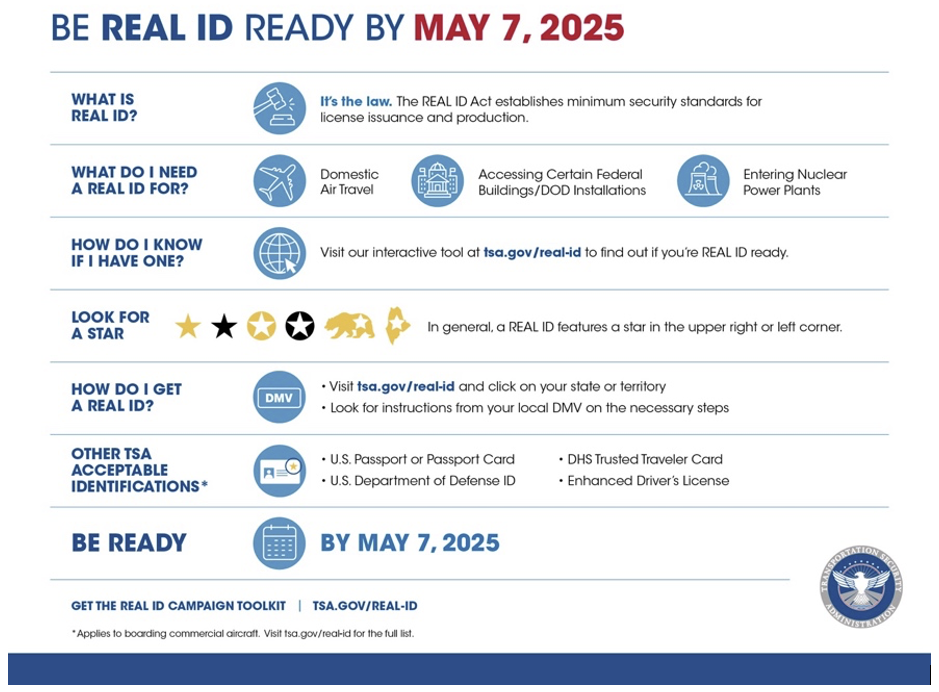
However, there’s an important caveat: as of May 7, 2025, the Department of Homeland Security will require all travelers 18 years of age and older flying within the U.S. (including to Guam) to present a REAL ID compliant driver’s license or state ID, or another acceptable form of identification such as a passport. While not mandatory for Guam specifically, having a passport always serves as the most universally accepted and hassle-free form of identification for any air travel, domestic or international.
Considerations for International Travelers
For visitors who are not U.S. citizens, the rules are different and generally align with standard international travel protocols to the United States. These travelers will need a valid passport. Depending on their country of origin, they may also require a U.S. visa or be eligible to travel under the Visa Waiver Program (VWP), which necessitates an approved Electronic System for Travel Authorization (ESTA).
Guam also has its own unique visa waiver program known as the Guam-CNMI (Commonwealth of the Northern Mariana Islands) Visa Waiver Program. This program allows citizens of certain countries, primarily in Asia and the Pacific region (such as South Korea, Japan, Hong Kong, Taiwan, Malaysia, Singapore, Australia, New Zealand, United Kingdom), to enter Guam for tourism or business purposes without a visa for up to 45 days. However, travelers using this program still require a valid, machine-readable passport. It’s important to note that the Guam-CNMI Visa Waiver Program is distinct from the general U.S. Visa Waiver Program, and eligibility rules vary. Always check with the U.S. State Department or a reputable travel authority for the most current requirements based on your nationality.
Documentation Requirements for Your Trip
Understanding the specific documents you’ll need is paramount to a stress-free journey to Guam. A slight oversight could lead to significant delays or even being denied boarding.
For U.S. Citizens: What You Need
As mentioned, U.S. citizens flying directly from the U.S. mainland or other U.S. territories do not need a passport. You will, however, need a government-issued photo identification that the TSA accepts. Acceptable forms include:
- REAL ID compliant state driver’s license or other state ID card. Ensure your ID has the star icon indicating REAL ID compliance if traveling after May 7, 2025.
- U.S. Passport or Passport Card. While not mandatory, these are always the preferred and most universally recognized forms of identification.
- U.S. military ID.
- Enhanced Driver’s License (issued by certain states, primarily for land/sea border crossings, but also acceptable for domestic air travel).
For children under 18, typically no ID is required when traveling with an adult companion within the U.S.. However, individual airline policies may vary, so it’s always wise to check with your carrier. It is highly recommended that children have some form of identification, such as a birth certificate copy, for emergencies or identification purposes.
For International Visitors: Passport and Visa Essentials
If you are not a U.S. citizen, you absolutely will need a valid passport to enter Guam. The passport must generally be valid for at least six months beyond your intended period of stay. In addition to a passport, you may also require:
- A U.S. Nonimmigrant Visa. Most foreign nationals require a visa to enter the United States, and this applies to Guam as well.
- ESTA under the Visa Waiver Program (VWP). Citizens of eligible VWP countries can travel to the U.S. (including Guam) for tourism or business stays of up to 90 days without a visa, provided they obtain an approved ESTA prior to departure.
- Eligibility under the Guam-CNMI Visa Waiver Program. As previously mentioned, this program allows visa-free entry for citizens of specific countries (like Japan, South Korea, Taiwan) for stays up to 45 days. Even under this program, a valid passport is mandatory.
It is crucial for international travelers to verify the latest entry requirements with the U.S. embassy or consulate in their home country, or directly through the U.S. Customs and Border Protection (CBP) website, well in advance of their travel dates. Regulations can change, and being prepared is your best defense against travel complications.
Special Cases: Minors and Military Personnel
For minors traveling to Guam, especially if not accompanied by both parents, additional documentation may be required. While not always strictly enforced for domestic travel, it is highly advisable to carry a notarized letter of consent from the absent parent(s) and a copy of the child’s birth certificate. This is particularly important for international travelers or if there’s any chance of a layover in a foreign country.
U.S. military personnel traveling to Guam on official orders will use their military identification and official travel documents. For personal travel, they fall under the same guidelines as other U.S. citizens. However, having a passport is often recommended for military members, especially those stationed overseas, as it provides greater flexibility for unexpected international travel or emergencies.
Beyond the Paperwork: Planning Your Guam Adventure
Once you have your travel documents in order, the real fun of planning your Guam adventure begins! This island gem offers a wealth of experiences, from pristine beaches to rich historical sites, catering to all types of travelers.
Top Attractions and Experiences on the Island
Guam is brimming with natural beauty and cultural landmarks. Start your exploration at Tumon Bay, the island’s tourism hub, famous for its white sand beaches, crystal-clear waters, and a vibrant strip of hotels, restaurants, and duty-free shopping. Here, you can indulge in snorkeling, diving, or simply basking in the tropical sun.
For a dose of history and culture, visit Hagatña, Guam’s capital. Explore the Plaza de España, remnants of the Spanish colonial era, and the beautiful Dulce Nombre de Maria Cathedral Basilica. History buffs will also appreciate sites related to World War II, such as the War in the Pacific National Historical Park and the Pacific War Museum.
Don’t miss Two Lovers Point, an iconic cliffside overlook offering breathtaking panoramic views of Tumon Bay and the Philippine Sea, steeped in a local legend of star-crossed lovers. For nature enthusiasts, hiking to Tarzan Falls or Talofofo Falls offers an adventurous escape, while the secluded beauty of Ritidian Point (part of a wildlife refuge) is perfect for quiet beach time and exploration. Families will love the marine life at Underwater World or the Fish Eye Marine Park, offering unique underwater observation experiences.
Accommodation Options: From Luxury Resorts to Budget Stays
Guam caters to a wide range of accommodation preferences and budgets. The Tumon Bay area is home to many of the island’s premier resorts, offering luxurious amenities, oceanfront rooms, and a plethora of dining options. High-end choices include the Dusit Thani Guam Resort, known for its elegant Thai-inspired design, the Hyatt Regency Guam with its expansive pools, and the Hilton Guam Resort & Spa, offering diverse facilities. Other popular options include The Westin Resort Guam, Fiesta Resort Guam, and the Guam Reef & Olive Spa Resort, all providing comfortable stays with easy access to the beach and local attractions.
For those on a more modest budget, there are numerous mid-range hotels and guesthouses scattered across the island, particularly outside the main Tumon Bay strip. These often provide excellent value and a more localized experience. Additionally, for longer stays or a home-away-from-home feel, consider apartment rentals or vacation homes, which can be found through various online booking platforms. Whether you’re seeking a sprawling resort with all the bells and whistles or a cozy, budget-friendly room, Guam offers a fitting choice for your travel style.
Exploring Local Culture and Cuisine
The Chamorro people, the indigenous inhabitants of Guam, boast a vibrant culture that is a blend of Micronesian, Spanish, and American influences. Immerse yourself in local traditions by visiting the Chamorro Village in Hagatña, especially on Wednesday nights for the lively night market. Here, you can sample authentic Chamorro cuisine, purchase local handicrafts, and enjoy cultural performances.
Guam’s food scene is a delightful fusion. Must-try dishes include red rice (rice cooked with achiote seeds), kelaguen (marinated chopped chicken, beef, or seafood), tinaktak (coconut milk-based stew), and BBQ ribs. You’ll find everything from traditional Chamorro eateries to international restaurants, catering to diverse palates. Don’t forget to try the local tuba (fermented coconut sap) or fresh fruit juices. The island also has several large shopping malls like the Micronesia Mall and Guam Premier Outlets, as well as luxury boutiques like DFS Galleria, offering a mix of international brands and local souvenirs.
Essential Travel Tips for a Smooth Journey
A little preparation goes a long way in ensuring your trip to Guam is as enjoyable and seamless as possible. From health considerations to practical navigation, these tips will help you make the most of your island adventure.
Health and Safety Guidelines
Guam is generally a safe destination for tourists. However, like any travel, it’s wise to take standard precautions. Always be aware of your surroundings, especially in crowded areas or at night. Keep valuables secure and use hotel safes.
In terms of health, Guam has modern medical facilities, but it’s always advisable to have travel insurance that covers medical emergencies. Tap water is generally safe to drink in developed areas, but many prefer bottled water. Mosquito-borne illnesses are present, so use insect repellent, especially during dawn and dusk. Stay hydrated, protect yourself from the tropical sun with sunscreen, hats, and sunglasses, and be mindful of currents when swimming in the ocean. Consult the World Health Organization (WHO) or your doctor for any recommended vaccinations before traveling.
Currency, Communication, and Getting Around
The official currency of Guam is the U.S. Dollar (USD), making transactions easy for U.S. citizens and straightforward for international visitors. Major credit cards are widely accepted at hotels, restaurants, and shops. ATMs are readily available.
English is the official language and is spoken by virtually everyone, especially in the tourism sector. Chamorro, the indigenous language, is also spoken by many locals, and you’ll hear elements of it in daily life. Due to the significant number of tourists from Asia, Japanese, Korean, and Chinese are also commonly understood in tourist areas.
Getting around Guam is easiest by rental car, which provides the flexibility to explore the entire island at your own pace. Several international and local rental agencies operate at the airport and in Tumon. Taxis and ride-sharing services are available but can be more expensive for extensive travel. There’s also a public bus system, but its routes and schedules might not cover all tourist spots comprehensively. Many hotels in Tumon offer shuttle services to popular shopping areas and attractions.

Best Time to Visit Guam
Guam enjoys a tropical marine climate year-round, characterized by warm temperatures and high humidity. There are two main seasons: the dry season and the wet (or rainy) season.
The dry season, from December to June, is generally considered the best time to visit. During these months, you can expect less rainfall, lower humidity, and more sunshine, making it ideal for beach activities, hiking, and outdoor exploration. Temperatures average around 80-85°F (27-29°C) during this period.
The wet season, from July to November, experiences more frequent and heavier rainfall, though showers are often brief and intermittent. This period also has a higher chance of typhoons, particularly from August to October. While still warm, the humidity can be quite high. Despite the rain, travel during the wet season can offer advantages like fewer crowds and potentially lower prices for flights and accommodation. Regardless of the season, the ocean temperatures remain warm and inviting year-round.
In conclusion, while a passport might not be strictly necessary for U.S. citizens flying directly to Guam, it is highly recommended as the most robust form of identification. For international travelers, a passport is an absolute must, often accompanied by a visa or ESTA. With your documentation sorted, you’re all set to immerse yourself in the natural beauty, rich history, and warm hospitality of Guam, a true gem in the Pacific. Safe travels, and enjoy your journey to this captivating island!
LifeOutOfTheBox is a participant in the Amazon Services LLC Associates Program, an affiliate advertising program designed to provide a means for sites to earn advertising fees by advertising and linking to Amazon.com. Amazon, the Amazon logo, AmazonSupply, and the AmazonSupply logo are trademarks of Amazon.com, Inc. or its affiliates. As an Amazon Associate we earn affiliate commissions from qualifying purchases.