
The image of Hawaii is almost universally painted with swaying palm trees, their fronds rustling in the gentle trade winds, silhouetted against vibrant sunsets. They frame the pristine beaches of Waikiki on Oahu, line the scenic drives of Maui, and create lush backdrops for luxurious resorts across the archipelago. This iconic imagery is so deeply ingrained in the global consciousness that it feels almost sacrilegious to question it, yet the truth about palm trees in Hawaii is far more nuanced and fascinating than a simple yes or no. For anyone planning travel to this Pacific paradise, understanding the origins of these emblematic trees enriches the entire experience, from appreciating local culture to recognizing the delicate balance of Hawaii’s’ unique ecosystem.
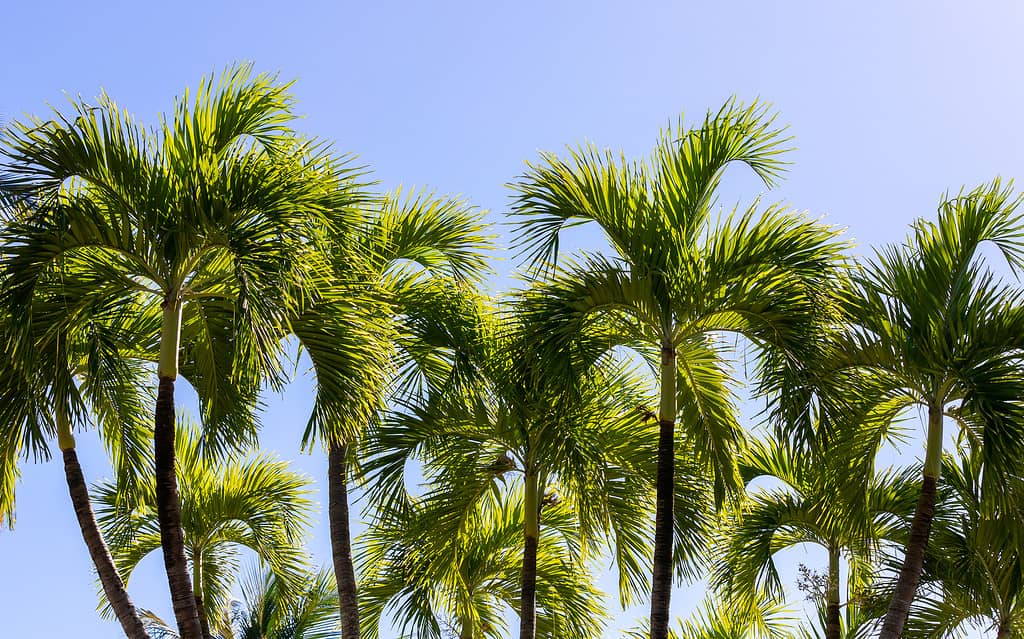
The omnipresence of palms shapes the very essence of Hawaiian tourism and the lifestyle it evokes. They are a defining characteristic of countless destinations and attractions, appearing in every brochure, advertisement, and Instagram post. Whether you’re seeking a serene escape at a boutique hotel or embarking on an adventurous exploration of natural landmarks, palms are an integral part of the visual narrative. But are these graceful giants truly indigenous to the Hawaiian Islands, or do they tell a different story of ancient voyages and later introductions? Let’s delve into the fascinating botanical history to separate myth from ecological reality.
The Enduring Myth vs. Ecological Reality
For many, palm trees are synonymous with tropical paradise, and Hawaii is the quintessential tropical paradise. This association is so powerful that it’s difficult to imagine the islands without them. They are central to the aesthetic of relaxation and escape that Hawaii so expertly markets to the world, influencing everything from architectural styles in accommodation to the layout of beachfront villas.
A Postcard Perfect Image and Its Roots
The visual branding of Hawaii heavily relies on the palm tree. From the moment tourists arrive at Honolulu International Airport, they are greeted by palm-lined avenues and views that promise exotic beauty. Resorts like the Grand Hyatt Kauai Resort & Spa or the Four Seasons Resort Maui at Wailea meticulously cultivate landscapes abundant with various palm species, enhancing their luxurious amenities and providing that picture-perfect backdrop for family trips or romantic getaways. The shade they offer is invaluable on a sunny day, and their slender trunks and verdant fronds contribute to the sense of lush abundance.
However, this ubiquitous presence doesn’t automatically equate to nativeness. The term “palm tree” encompasses a vast family of plants (Arecaceae), with thousands of species found worldwide. While many look similar to the casual observer, their origins can be vastly different. The most recognizable palm, the Coconut Palm (Cocos nucifera), which gives Hawaii many of its iconic beach scenes, actually has a complex history on the islands. Understanding this distinction is crucial for any traveler interested in authentic local culture and the ecological heritage of their chosen destination.
Distinguishing Native from Introduced Species
To accurately answer whether palm trees are native to Hawaii, we must differentiate between truly indigenous species and those that have been introduced, either intentionally or accidentally, over centuries. An “indigenous” species is one that occurs naturally in a particular region without human intervention, while an “endemic” species is indigenous and found nowhere else in the world. An “introduced” or “alien” species is one brought to a new area by humans. Hawaii’s’ isolation in the Pacific Ocean has resulted in a remarkably high number of endemic species, making this distinction particularly important for conservation efforts and for appreciating the islands’ unique biodiversity.
The answer, in short, is both yes and no. Yes, Hawaii has native palm trees, but the vast majority of the palms you see today, especially the classic Coconut Palm, are not truly indigenous.
The Original Hawaiian Palms: The Loulu
While the Coconut Palm dominates the postcards, Hawaii is, in fact, home to a unique and truly native group of palms: the Loulu. These remarkable trees belong to the genus Pritchardia, and they are the only palms indigenous to the Hawaiian Islands. Their story is one of ancient evolution, incredible adaptation, and pressing conservation needs.
Discovering Hawaii’s True Indigenous Species
The Loulu palms are a testament to Hawaii’s’ exceptional biodiversity, with over 20 recognized species, all of which are endemic to the archipelago. This means they are found naturally nowhere else on Earth. Each species of Loulu has adapted to the distinct microclimates and geological formations of the different islands, with some species unique to a single valley or even a specific ridge on an island. For example, Pritchardia hillebrandii is found only on Molokai, while Pritchardia remota is exclusive to the tiny, remote island of Nihoa.
Unlike the towering, slender Coconut Palms, Loulu palms often have more robust, fan-shaped leaves and sometimes thicker trunks. Their appearance can vary significantly between species, from towering specimens to more shrub-like forms. Historically, native Hawaiians utilized the Loulu for various purposes. Their leaves were woven into thatch for houses (hale), used for fans, or as protection from the sun. The small, round fruits were sometimes eaten, though they were not as significant a food source as the coconut. Spotting a Loulu in its natural habitat, perhaps during a hike through a remote forest on Kauai or Maui, offers a profound connection to the ancient ecological heritage of Hawaii. It’s an experience that goes beyond the typical tourist attraction, offering a glimpse into the true wild heart of the islands.
Conservation Challenges and Efforts
Sadly, many Loulu species face significant threats and are listed as endangered or critically endangered. Habitat loss due to development, competition from invasive plant species, and predation of their seeds by introduced rats and pigs have pushed several species to the brink of extinction. For travelers interested in sustainable tourism, supporting conservation efforts for these native palms is paramount. Organizations like the National Tropical Botanical Garden (NTBG), with gardens on Kauai and Maui, are actively working to propagate and reintroduce Loulu species, preserving Hawaii’s’ botanical heritage for future generations. When visiting such botanical gardens, you can learn about these unique palms firsthand and contribute to their survival.
The Arrival of the Iconic Coconut Palm and Other Introductions
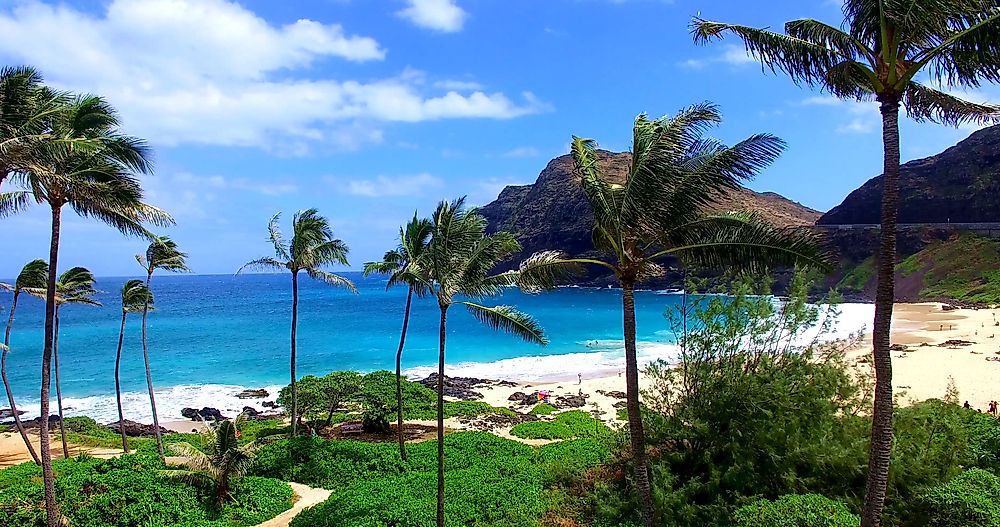
While the Loulu palms represent Hawaii’s’ ancient indigenous flora, the most recognizable symbol of the islands, the Coconut Palm, has a different and equally compelling origin story, intertwined with human migration and cultural diffusion.
The “Canoe Plant” Journey with Polynesian Voyagers
The Coconut Palm (Cocos nucifera) is not native to Hawaii in the sense that it evolved there. Its origins are believed to be in Southeast Asia or the Western Pacific. However, its journey to the Hawaiian Islands is a testament to the incredible navigational skills and foresight of the ancient Polynesian voyagers. These master navigators, who settled Hawaii over a thousand years ago, intentionally brought with them a collection of essential plants known as “canoe plants.” These plants were critical for survival, providing food, medicine, clothing, and building materials in their new island homes.
The Coconut Palm was undoubtedly one of the most important canoe plants. Its versatility was unmatched:
- Food and Drink: The coconut water provided hydration, and the meat offered sustenance, fats, and oils.
- Building Material: The fronds were used for thatch, and the wood for construction.
- Fiber: Coir from the husk was used to make rope and cordage.
- Medicine: Various parts of the plant had medicinal properties.
- Tools and Crafts: Shells were fashioned into bowls and utensils.
Because of its critical role in sustaining early Hawaiian settlements, the Coconut Palm quickly became naturalized and deeply integrated into Hawaiian culture and daily life. While not indigenous, its centuries-long presence makes it a culturally significant, “ancient introduction.” When you sip fresh coconut water on a beach in Kailua-Kona or see artisans weaving with coconut fronds, you are participating in traditions established by those early voyagers.
Later Introductions and Their Impact on the Landscape
The botanical landscape of Hawaii continued to evolve with subsequent waves of human arrival. Following European contact in the late 18th century, and especially during the 19th and 20th centuries, many other palm species were introduced, primarily for ornamental purposes. Planters, landscapers, and botanical enthusiasts brought in a diverse array of palms from around the world to adorn private estates, public parks, and later, the burgeoning tourism infrastructure.
Today, you can find a wide variety of introduced palms across the islands, each contributing to the tropical ambiance. Royal Palms (Roystonea regia) stand tall and stately along avenues, particularly in urban areas like Honolulu. Date Palms (Phoenix dactylifera) and Fan Palms add texture and variety to resort landscaping and botanical gardens. While these palms are beautiful and contribute to the exotic feel that attracts millions of visitors seeking luxury travel or simply a picturesque backdrop, it’s important to remember they are not part of Hawaii’s’ original natural heritage. Their proliferation highlights the profound impact human activity has had on the islands’ ecology, transforming the landscape into the diverse tapestry we see today.
Palm Trees: Weaving Through Hawaiian Culture, Tourism, and Lifestyle
The story of palm trees in Hawaii is a rich narrative that goes far beyond simple botany. It’s a tale of survival, adaptation, cultural identity, and the powerful allure of a tropical paradise. For visitors, understanding this narrative enhances every aspect of their trip, from selecting their accommodation to engaging with local traditions.
Beyond the Beach: Cultural Significance and Practical Uses
For ancient Hawaiians, plants were not just scenery; they were life. The Coconut Palm, or niu, was revered for its ability to provide sustenance and materials, embodying the concept of kōkua (help) and mālama ʻāina (care for the land). Its uses were extensive and deeply embedded in daily lifestyle. Beyond food and building materials, parts of the coconut tree were used for medicinal purposes, ritual offerings, and the creation of musical instruments. The strong husks were woven into cordage for fishing nets and canoe lashings, essential for life in the Pacific.
While the native Loulu palms were also utilized, especially for their large leaves in weaving and thatching, their role was more localized due to their specific habitats and often smaller populations. Today, elements of palm culture persist, particularly in the crafting of leis (though typically made from flowers, some incorporate palm fronds) and in traditional weaving, although materials like lau hala (pandanus leaves) are more commonly used for intricate mats and baskets. Engaging with these crafts during your Hawaii visit offers a tangible connection to the islands’ past.
The Indispensable Icon of Hawaiian Tourism and Travel
Regardless of their origin, palm trees have undeniably become the quintessential symbol of Hawaii, shaping its global image and driving its thriving tourism industry. They are the silent, swaying hosts that welcome visitors to every destination, from the bustling streets of Honolulu to the serene landscapes of Kauai.
For those planning their travel, the presence of palms influences everything. A beachfront resort with a grove of Coconut Palms is instantly more appealing than one without. They define the aesthetic of luxury hotels and suites, creating an ambiance of exotic escape. Whether you’re considering budget travel to stay at a simple apartment or splurging on a long-term stay in a lavish villa, the promise of palm-fringed views is a powerful draw. These trees don’t just provide shade; they provide a feeling, an experience that is intrinsically linked to the allure of the islands. They are often featured prominently in guides to Hawaii’s best beaches, attractions, and even local food scenes, as restaurants often boast palm-shaded outdoor dining.

Embracing the Blend: A Symbiotic Relationship
So, are palm trees native to Hawaii? Yes, the unique and endemic Loulu palms are. But also no, in the case of the pervasive Coconut Palm and many other ornamental species. Hawaii’s’ palm landscape is a rich, layered tapestry that reflects centuries of natural evolution, ancient human migration, and modern horticultural choices.
For the conscious traveler, this understanding encourages a deeper appreciation for the islands’ natural and cultural history. It’s an invitation to seek out the rare native Loulu in botanical gardens or protected forests, to reflect on the incredible journey of the Coconut Palm with the Polynesian wayfinders, and to enjoy the sheer beauty of all the palms that contribute to Hawaii’s’ irresistible charm. Ultimately, the presence of palms, whether native or introduced, undeniably contributes to Hawaii’s’ identity as a dream destination. By embracing this blend and understanding its origins, visitors can engage with the islands in a more informed and meaningful way, ensuring their trip is not just picturesque, but truly enriching.
LifeOutOfTheBox is a participant in the Amazon Services LLC Associates Program, an affiliate advertising program designed to provide a means for sites to earn advertising fees by advertising and linking to Amazon.com. Amazon, the Amazon logo, AmazonSupply, and the AmazonSupply logo are trademarks of Amazon.com, Inc. or its affiliates. As an Amazon Associate we earn affiliate commissions from qualifying purchases.