
The allure of Hawaii — with its pristine beaches, vibrant culture, and breathtaking landscapes — beckons millions of visitors each year. For many, a trip to this Pacific paradise feels like venturing to an exotic, far-off land. This often leads to a common, yet understandable, question: Do I need a passport to go to Hawaii? The simple answer, for citizens of the United States, is no. As the 50th state of the United States, travel to Hawaii from any other U.S. state or territory is considered domestic Travel. This means the same identification requirements apply as flying from, say, New York to California.
However, while a passport isn’t necessary for U.S. citizens, understanding the accepted forms of identification and planning other aspects of your journey are crucial for a seamless and enjoyable Hawaiian escape. This comprehensive Guide will not only clarify the passport requirements but also delve into practical Tips for planning your dream vacation, exploring Accommodation options, and appreciating the rich Local Culture that makes Hawaii truly unique.
The Simple Answer: No Passport Required for U.S. Citizens
For U.S. citizens traveling directly from the mainland United States or another U.S. territory, a passport is not required to enter Hawaii. This applies to all U.S. states and territories, including Alaska, Puerto Rico, Guam, the U.S. Virgin Islands, American Samoa, and the Northern Mariana Islands. When you fly to Hawaii, you are essentially flying within the country, much like traveling between any two states.
Hawaii’s Status as a U.S. State
Understanding why a passport isn’t needed begins with Hawaii’s political status. Hawaii became the 50th state of the United States on August 21, 1959. This means that its residents are U.S. citizens, its currency is the U.S. dollar, and its laws are those of the United States (with specific state-level nuances, of course). All domestic air Travel within the U.S., including to and from Hawaii, falls under the jurisdiction of the Transportation Security Administration (TSA). Therefore, while you don’t need a passport, you will need to present a valid form of identification to pass through TSA checkpoints at the airport.
Acceptable Forms of Identification for Domestic Travel
For U.S. citizens 18 years of age and older, the TSA accepts several forms of photo identification for domestic flights. The most commonly used and widely accepted include:
- State-issued Driver’s License or other State-Issued ID Card: As of May 7, 2025, all adult passengers will need a REAL ID compliant driver’s license or state ID card, or another acceptable form of identification, for domestic air Travel. Make sure your license has a star or other indicator, usually at the top, signifying its REAL ID compliance.
- U.S. Passport or Passport Card: While not required, a valid U.S. passport or a U.S. Passport Card is always an acceptable form of identification for domestic flights.
- U.S. Military ID: Active duty U.S. military identification cards are accepted.
- Permanent Resident Card (Green Card): For lawful permanent residents.
- Global Entry Card: These trusted traveler cards are also accepted.
- Other DHS trusted traveler cards: Such as NEXUS, SENTRI, and FAST cards.
It’s always recommended to check the official TSA website for the most up-to-date list of acceptable IDs, especially as the REAL ID enforcement date approaches. For children under 18 traveling with an adult, the TSA does not require them to present identification. However, individual airlines may have their own policies, so it’s wise to confirm with your carrier. Carrying a copy of their birth certificate, especially for international flights, is a good practice, though generally not needed for domestic travel to Hawaii.
Planning Your Hawaiian Getaway: Beyond the ID Question
Once you’ve sorted out your identification, the real fun begins: planning your ultimate Hawaiian adventure. Hawaii offers a myriad of Experiences for every type of traveler, from serene relaxation to thrilling exploration.
Why Visit Hawaii? Unforgettable Experiences Await
Hawaii’s popularity as a top Travel Destination stems from its incredible diversity and unparalleled natural beauty. Each island, from the bustling shores of Oahu to the volcanic landscapes of the Big Island, offers distinct Attractions and atmospheres.
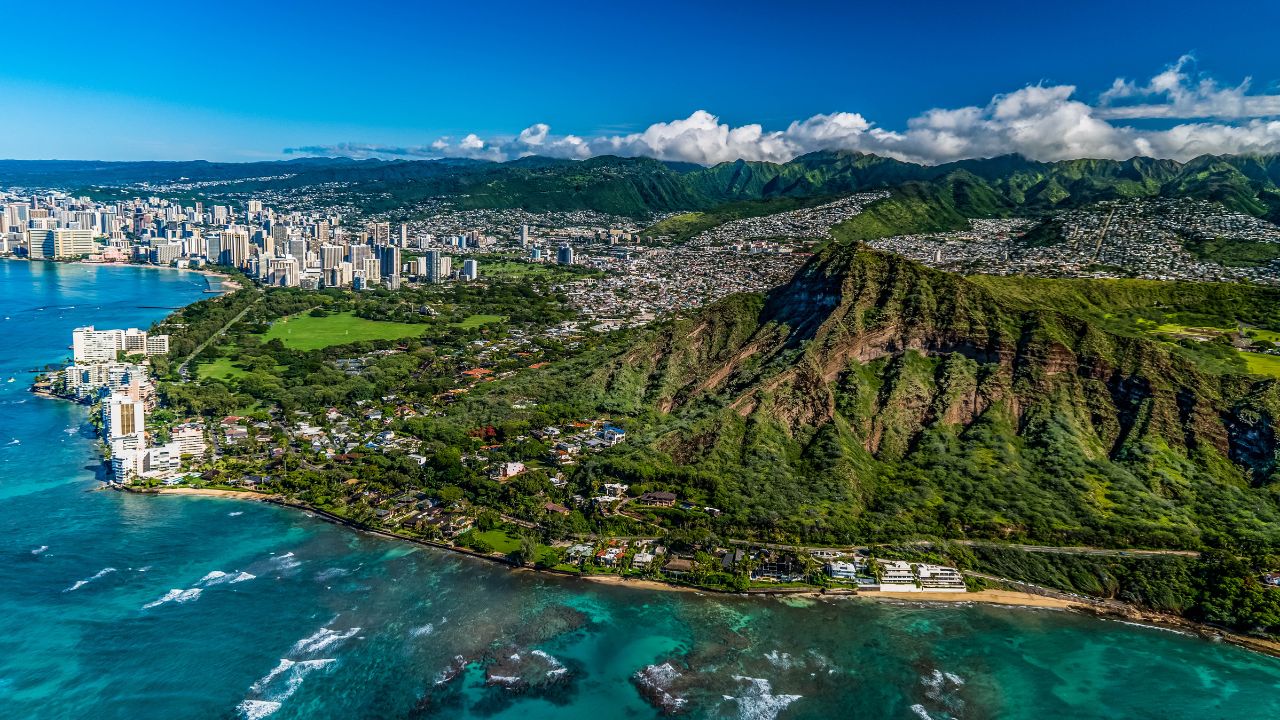
- Oahu: The Gathering Place Home to the capital city of Honolulu and the iconic Waikiki Beach, Oahu is a blend of urban sophistication and natural splendor. Here, you can learn to surf, hike to the top of Diamond Head for panoramic views, or delve into History at Pearl Harbor. The island also boasts world-class dining and vibrant nightlife.
- Maui: The Valley Isle Renowned for its stunning beaches, the scenic Road to Hana, and the majestic sunrise views from Haleakala National Park, Maui offers a perfect mix of adventure and relaxation. It’s an excellent spot for whale watching during the winter months and boasts some of the world’s best snorkeling and diving spots.
- Big Island: The Orchid Isle The youngest and largest of the islands, the Big Island is home to Volcanoes National Park, where you can witness the raw power of creation. Its diverse climate zones range from lush rainforests to volcanic deserts, and it’s also famous for its Kona coffee farms and black sand beaches.
- Kauai: The Garden Isle Kauai is a paradise for nature lovers, with its dramatic cliffs of the Na Pali Coast, the vast canyon of Waimea Canyon, and endless opportunities for hiking, kayaking, and helicopter tours. It embodies the serene, untouched beauty that many associate with Hawaii.
- Lanai and Molokai: The Secluded Isles For those seeking a more off-the-beaten-path experience, Lanai offers luxury Resorts and rugged landscapes, while Molokai provides a glimpse into old Hawaii with its emphasis on preserving Local Culture and pristine natural environments.
Navigating Inter-Island Travel and Logistics
Many visitors choose to explore more than one island during their trip. Inter-island Travel is common and straightforward, primarily via short domestic flights. Major inter-island airlines like Hawaiian Airlines and Southwest Airlines offer frequent daily flights connecting key airports such as Honolulu International Airport (HNL) on Oahu, Kahului Airport (OGG) on Maui, Kona International Airport (KOA) and Hilo International Airport (ITO) on the Big Island, and Lihue Airport (LIH) on Kauai.
Since these are still domestic flights, U.S. citizens do not need a passport for inter-island hops. Your valid state-issued ID or Passport Card will suffice for TSA checkpoints. Consider booking these flights in advance, especially during peak season, to secure better prices and availability. Renting a car is highly recommended on most islands to explore at your own pace, giving you the freedom to discover hidden gems and remote Landmarks.
Accommodation Choices for Every Traveler
Hawaii boasts an impressive array of Accommodation options, catering to every budget and Lifestyle. Whether you’re planning a Luxury Travel escape, a Budget Travel adventure, a romantic honeymoon, or a Family Trip, you’ll find something that fits.
- Hotels and Resorts: From world-renowned luxury brands like the Four Seasons Resort Maui at Wailea or Hyatt Regency Maui Resort and Spa to family-friendly options like Aulani, a Disney Resort & Spa, Hawaii offers countless choices with excellent Amenities, pools, dining, and direct beach access. These often provide comprehensive services, Activities, and organized Tours.
- Vacation Apartments and Villas: For a more private and personalized experience, especially for Long-term Stays or larger groups, renting a vacation home or villa can be an excellent option. Websites specializing in Booking these properties offer extensive Reviews and Comparison tools. This allows for greater flexibility with meal preparation and a chance to experience a more residential side of Hawaii.
- Boutique Hotels and Bed & Breakfasts: For those seeking unique charm and personalized service, smaller boutique Hotels and B&Bs offer a cozy alternative, often highlighting Local Culture and authentic Hawaiian hospitality.
When making your Booking decisions, consider the island’s atmosphere you desire, proximity to Attractions, and the type of Amenities that are most important for your trip. Always check recent Reviews and compare prices across different platforms.
Essential Travel Tips for Your Hawaiian Adventure
Beyond the technicalities of identification, a successful Hawaiian vacation requires thoughtful planning. Embracing the Aloha spirit and respecting the islands’ unique environment are key to an enriching experience.
Packing Essentials and Local Customs
Packing smartly will enhance your comfort and enjoyment. Hawaii’s climate is warm and tropical, so light, breathable clothing is a must.
- Clothing: Swimsuits, shorts, t-shirts, sundresses, and a light jacket or sweater for cooler evenings, especially at higher elevations like Haleakala.
- Footwear: Comfortable sandals or flip-flops are perfect for the beach, but sturdy walking or hiking shoes are essential if you plan to explore trails or volcanic landscapes. Water shoes can also be useful for rocky beaches.
- Sun Protection: The Hawaiian sun is intense. Pack reef-safe sunscreen (required by law in Hawaii to protect coral reefs), a wide-brimmed hat, sunglasses, and rash guards for swimming.
- Other Essentials: Reusable water bottle, insect repellent, waterproof bag for electronics, and any personal medications. Don’t forget your camera to capture the stunning scenery!
Respecting Local Culture and the environment is paramount in Hawaii. The concept of Aina (land) is deeply ingrained, emphasizing the importance of caring for the natural world.
- Aloha Spirit: Embrace the local custom of kindness, respect, and compassion.
- “Malama Aina”: Take care of the land. This means staying on marked trails, not touching or taking natural elements (like sand or rocks), and properly disposing of your trash.
- Wildlife: Observe marine life and wild animals from a distance. Do not feed them or disturb their natural habitats. It is illegal to touch Hawaiian green sea turtles or monk seals.
Health and Safety Considerations
While Hawaii is a safe Destination, it’s always wise to be prepared.
- Sun Exposure: Protect yourself from the sun to prevent sunburn and heatstroke. Stay hydrated by drinking plenty of water.
- Ocean Safety: Be aware of ocean conditions. Heed warning signs, only swim at lifeguarded beaches, and be mindful of strong currents and waves. Never turn your back on the ocean.
- Hiking Safety: If hiking, choose trails appropriate for your fitness level, wear proper footwear, and carry water. Inform someone of your hiking plans.
- Local Wildlife: Be aware of potential insect bites or marine stings (like jellyfish).
- Driving: Observe speed limits and traffic laws. Some roads, like the Road to Hana, can be winding and narrow, requiring extra caution.
Budgeting for Your Dream Vacation
Hawaii can be an expensive Destination, but with careful planning, it’s possible to manage your expenses.
- Airfare: Often the largest expense, flights vary significantly by season. Booking well in advance and being flexible with your dates can yield savings. Consider flying during the shoulder seasons (spring and fall).
- Accommodation: As discussed, options range from luxury Resorts to more budget-friendly Apartments or vacation rentals. Comparison sites are your best friend here.
- Food: Dining out can add up quickly. Consider staying in Accommodation with kitchen facilities, visiting local grocery stores, and trying food trucks for delicious and affordable meals.
- Activities and Tours: Many of Hawaii’s most stunning Attractions (beaches, parks) are free to access. Budget for specific paid Activities like surfing lessons, snorkeling Tours, or Luau shows.
For Non-U.S. Citizens: International Travel to Hawaii
The rules change significantly for non-U.S. citizens. Since Hawaii is a state within the United States, international visitors must adhere to the same entry requirements as they would for any other part of the U.S.
Visa and Passport Requirements for Foreign Visitors
Every non-U.S. citizen traveling to Hawaii must possess a valid passport from their home country. Additionally, depending on your nationality, you may need a U.S. Visa.
- Passport: Your passport must be valid for at least six months beyond your intended period of stay in the United States, unless your country is exempt from this rule by agreement with the U.S.
- Visa: Most foreign nationals require a Visa to enter the United States. The type of Visa (e.g., Tourism Visa, business Visa) depends on the purpose of your trip. The application process typically involves an interview at a U.S. embassy or consulate in your home country.
- Visa Waiver Program (VWP): Citizens of certain countries (including much of the European Union, Australia, New Zealand, Japan, South Korea, etc.) may be eligible to Travel to the United States for Tourism or business for stays of 90 days or less without a Visa under the Visa Waiver Program. However, these travelers must obtain an approved authorization through the Electronic System for Travel Authorization (ESTA) prior to their departure. An approved ESTA is mandatory for air and sea entry under the VWP.
It is crucial for international travelers to check the official website of the U.S. Department of State or consult with a U.S. embassy or consulate well in advance of their planned trip to confirm specific entry requirements for their nationality. Requirements can change, so always verify the latest information.

Navigating U.S. Immigration Procedures
Upon arrival in Hawaii from an international Destination, non-U.S. citizens will go through Customs and Border Protection (CBP) screening. This involves presenting your passport (and Visa or ESTA), declaring any goods, and potentially undergoing an interview with a CBP officer. Even if you arrive via a connecting flight from another U.S. city (e.g., flying into Los Angeles first), your initial port of entry into the United States is where you will clear immigration and customs.
Be prepared to answer questions about the purpose of your visit, your duration of stay, and your onward travel plans. Ensure all your documentation is readily accessible and accurate.
In conclusion, for U.S. citizens, the question “Do I need a passport to go to Hawaii?” can be confidently answered with a resounding no. A valid government-issued photo ID, preferably REAL ID compliant, is all that’s needed to enjoy the beauty of the Aloha State. However, for international travelers, a passport and the necessary U.S. Visa or ESTA are essential. Regardless of your citizenship, planning your Travel logistics, understanding Accommodation options, and respecting the Local Culture will ensure your Hawaiian vacation is truly an unforgettable Experience. So pack your bags, grab your ID, and get ready to say “Aloha” to paradise!
LifeOutOfTheBox is a participant in the Amazon Services LLC Associates Program, an affiliate advertising program designed to provide a means for sites to earn advertising fees by advertising and linking to Amazon.com. Amazon, the Amazon logo, AmazonSupply, and the AmazonSupply logo are trademarks of Amazon.com, Inc. or its affiliates. As an Amazon Associate we earn affiliate commissions from qualifying purchases.