
Hawaii, the captivating collection of volcanic islands nestled in the heart of the Pacific, evokes images of pristine beaches, lush rainforests, and vibrant Polynesian culture. For many, it represents the epitome of a dream getaway, a tropical paradise where worries melt away with the gentle lapping of waves. As you begin to plan your escape to this idyllic destination, a fundamental question often arises: “Do I need a passport to go to Hawaii?” The answer, while straightforward for some, holds nuances depending on your citizenship and travel circumstances.
For the vast majority of travelers from the United States, the simple answer is no, a passport is not required to visit Hawaii. As the 50th state of the United States, travel to Hawaii from the mainland is considered domestic travel. This means that U.S. citizens can travel freely between any of the fifty states and its territories without the need for a passport. However, while a passport isn’t mandatory, certain forms of identification are essential for air travel, and for international visitors, the requirements are different entirely. Understanding these distinctions is crucial to ensure a smooth and stress-free journey to the Aloha State.
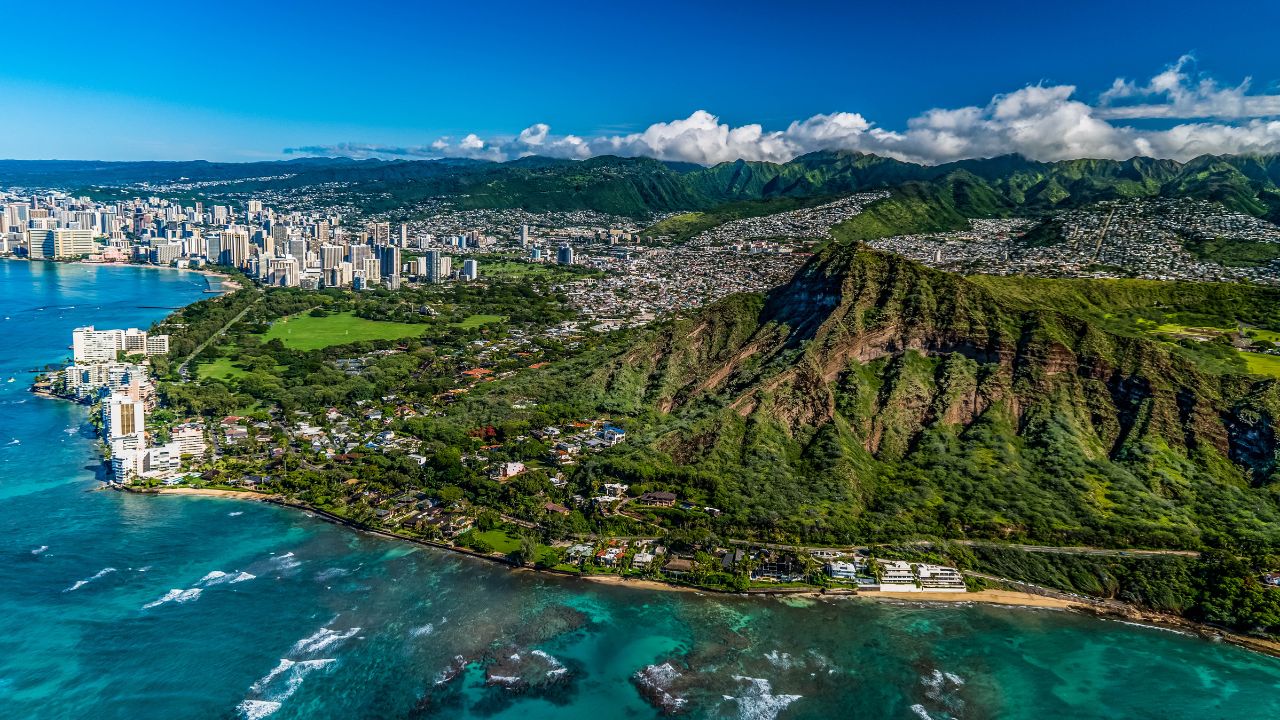
Navigating Travel to the Aloha State: What U.S. Citizens Need
While the romantic notion of sailing off into the sunset to a far-flung island might suggest international travel, the reality of reaching Hawaii for U.S. citizens is much simpler. Because it’s a domestic destination, the identification requirements mirror those for flying from New York to California or Florida. However, the specific type of identification you present at the airport security checkpoint, particularly with evolving federal regulations, is paramount.
Acceptable Forms of Identification for Domestic Flights
The Transportation Security Administration (TSA) mandates specific forms of identification for all passengers aged 18 and over traveling within the United States. The most commonly accepted and recommended forms include:
- State-Issued Driver’s License or Other State Photo Identity Cards: This is the most prevalent form of ID. It’s important to note the REAL ID Act, which sets stricter standards for state-issued driver’s licenses and identification cards to be accepted for federal purposes, including boarding commercial flights. While the enforcement deadline has been extended several times, as of May 7, 2025, every traveler 18 years of age and older will need a REAL ID-compliant driver’s license or identification card, or another acceptable form of ID, to fly within the United States. Look for a star at the top of your license to verify its REAL ID compliance. If your license is not REAL ID compliant, you will need to present an alternative form of acceptable identification.
- U.S. Passport Book or Passport Card: Although not required, a valid U.S. passport book or card is always an accepted form of identification for domestic air travel. Many travelers choose to use their passport for convenience, as it is a federally recognized document.
- U.S. Military ID: Active duty military personnel and their dependents can use their military identification cards.
- Permanent Resident Card (Green Card): Non-U.S. citizens who are legal permanent residents of the United States can use their Green Card for domestic travel.
- DHS Trusted Traveler Cards: Programs like Global Entry, NEXUS, SENTRI, and FAST cards are also accepted.
- Other Federally Recognized Identification: This includes foreign government-issued passports (for those who are not U.S. citizens but are legally in the country), U.S. Citizenship and Immigration Services Employment Authorization Cards (I-766), and other specific government-issued IDs.
It’s always advisable to check the official TSA website for the most current list of acceptable documents before your trip, as requirements can occasionally be updated.
Special Considerations for Minors
Children under 18 traveling with an adult within the United States are not required to show identification at airport security checkpoints. However, airlines may have their own policies regarding proof of age for infants and toddlers, especially for lap children. It’s wise to carry a copy of their birth certificate if you need to confirm their age. For minors traveling alone or with only one parent/guardian, it’s prudent to carry a letter of consent from the absent parent(s) or legal guardian(s) to avoid any potential issues, although this is more critical for international travel.
Booking Your Journey and Preparing for Security
When booking your flight to Hawaii, ensure that the name on your ticket exactly matches the name on your chosen form of identification. Discrepancies, even minor ones, can lead to delays or issues at the airport. Furthermore, familiarize yourself with TSA security procedures regarding carry-on luggage, liquids, and electronic devices to ensure a smooth passage through the checkpoint. A little preparation goes a long way in starting your Hawaiian vacation on the right foot.
For Our International Visitors: Passport and Visa Essentials
For anyone who is not a U.S. citizen, the answer to “Do you need a passport to go to Hawaii?” is a resounding yes. Since Hawaii is part of the United States, all international travel rules and entry requirements for the U.S. apply to visitors heading to the islands. This means that a valid passport is an absolute necessity, and depending on your country of origin, a visa may also be required.
The Indispensable Passport
Every non-U.S. citizen traveling to Hawaii must possess a valid, unexpired passport. Typically, passports should be valid for at least six months beyond your intended period of stay in the United States. This “six-month rule” is a standard international travel requirement to prevent issues with return travel if your stay extends unexpectedly. Ensure your passport is in good condition, as damaged documents can lead to denial of entry.
Navigating U.S. Visa Requirements
Beyond a passport, many international travelers will also need a visa to enter the United States, even for tourism. The type of visa required depends on the purpose of your visit (e.g., tourism, business, study, work).
- Visa Waiver Program (VWP): Citizens of certain countries are eligible to travel to the United States for tourism or business for stays of 90 days or less without obtaining a visa, provided they obtain an approved Electronic System for Travel Authorization (ESTA) prior to their departure. The ESTA application is processed online and typically approved within minutes, though it’s recommended to apply at least 72 hours before travel. Countries participating in the VWP include most European nations, Australia, New Zealand, Japan, South Korea, and others. It’s crucial to verify your country’s eligibility and apply for ESTA through the official U.S. Customs and Border Protection website.
- Visitor Visas (B-1/B-2): If your country is not part of the Visa Waiver Program, or if you intend to stay longer than 90 days or for purposes not covered by the VWP, you will need to apply for a B-1 (business) or B-2 (tourism) visitor visa at a U.S. embassy or consulate in your home country. This process involves completing an application form, scheduling an interview, and paying applicable fees.
- Other Visa Categories: For specific purposes like studying or working, different visa categories (e.g., F-1 for students, H-1B for specialized workers) will be required.
It is highly recommended that all international travelers consult the official website of the U.S. Department of State or their local U.S. embassy/consulate well in advance of their planned trip to determine the specific entry requirements applicable to their nationality and travel purpose. Failure to possess the correct documentation can result in denial of boarding or entry into the United States.
Customs and Immigration Upon Arrival
Upon arrival at a Hawaiian airport such as Daniel K. Inouye International Airport in Honolulu, international visitors will go through U.S. Customs and Border Protection. You will need to present your passport and any required visa or ESTA approval. Be prepared to answer questions about the purpose of your visit, your length of stay, and your accommodation. Having return flight details and accommodation bookings readily accessible can help streamline this process.
Beyond the Basics: Planning Your Hawaiian Adventure
Once the essential documentation is sorted, the real fun of planning your Hawaiian adventure begins. Hawaii offers a kaleidoscope of experiences, from bustling cityscapes to serene natural wonders, catering to every type of traveler. Understanding the diverse offerings across its main islands and the various accommodation and activity options will elevate your trip from good to unforgettable.
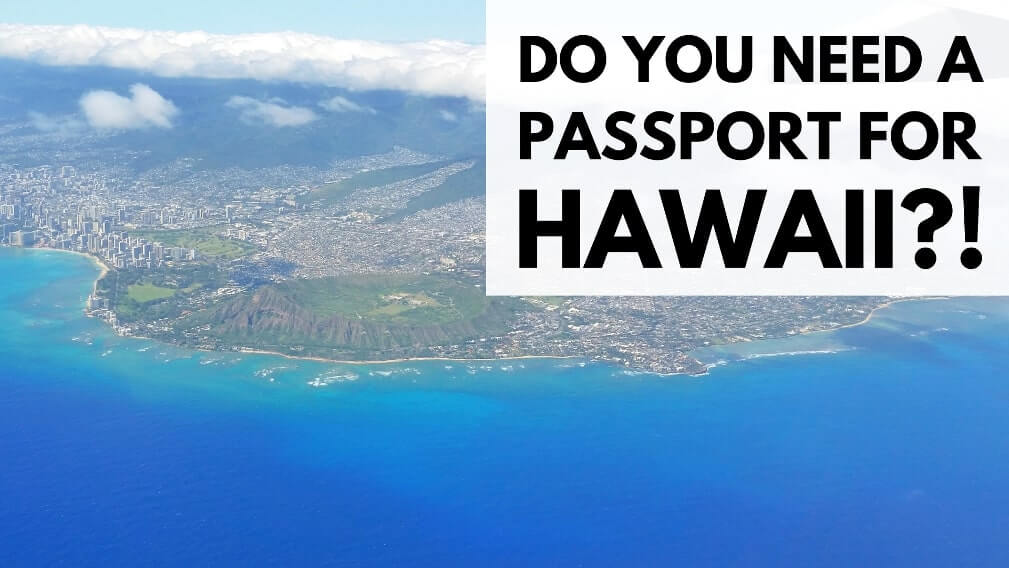
Discovering Hawaii’s Diverse Islands and Attractions
Each of Hawaii’s main islands boasts its own unique character and a wealth of attractions:
- Oahu: Often called “The Gathering Place,” Oahu is home to the state capital, Honolulu, and the iconic Waikiki Beach. Visitors can pay solemn respects at Pearl Harbor, hike to the summit of Diamond Head for panoramic views, or catch a wave on the legendary North Shore, famous for its world-class surfing competitions. The island offers a vibrant mix of urban amenities and stunning natural beauty.
- Maui: Known as “The Valley Isle,” Maui is celebrated for its romantic landscapes and diverse environments. Travelers flock to Kaanapali Beach for relaxation, embark on the scenic Road to Hana for waterfalls and lush forests, or witness an unforgettable sunrise from the dormant volcano of Haleakala National Park.
- Hawaii Island (The Big Island): The youngest and largest of the islands, Hawaii Island is a land of dramatic contrasts. From the active volcanoes in Hawaii Volcanoes National Park to black sand beaches, verdant valleys, and snow-capped peaks, it offers an unparalleled natural spectacle. Key towns include Kona on the dry west coast and Hilo on the rainy east.
- Kauai: “The Garden Isle,” Kauai is renowned for its dramatic cliffs and pristine rainforests. The majestic Na Pali Coast is a breathtaking sight, best explored by helicopter or boat, while the colossal Waimea Canyon, often called the “Grand Canyon of the Pacific,” offers stunning vistas and hiking trails.
Accommodation in Paradise: From Luxury Resorts to Quaint Stays
Hawaii’s accommodation options are as diverse as its landscapes, catering to every budget and travel style.
- Luxury Resorts and Hotels: For those seeking indulgence, Hawaii boasts world-class resorts with every amenity imaginable. Think oceanfront suites, infinity pools, gourmet dining, and spa services. Examples include the Four Seasons Resort Maui at Wailea, The Royal Hawaiian in Waikiki, or the Grand Hyatt Kauai Resort & Spa, which offer unparalleled experiences.
- Boutique Hotels and Charming B&Bs: For a more intimate and personalized experience, numerous boutique hotels and bed & breakfasts dot the islands, often offering unique local charm and hospitality.
- Vacation Rentals (Apartments, Villas, Condos): Popular for families or longer stays, vacation rentals through platforms like Airbnb or Vrbo provide kitchens, multiple bedrooms, and a home-away-from-home feel. These can often be a more cost-effective option, especially for groups.
- Budget-Friendly Options: While Hawaii can be an expensive destination, hostels, guesthouses, and camping (with permits) offer more economical choices for travelers on a tighter budget.
Booking well in advance, especially during peak season (winter holidays, spring break, summer), is highly recommended to secure the best rates and desired locations.
Embracing Hawaiian Tourism and Local Culture
Beyond the stunning scenery, the heart of Hawaii lies in its rich Polynesian culture and the warm “Aloha Spirit.” Engaging with local traditions and enjoying the unique island lifestyle is a cornerstone of any visit.
- Culinary Delights: Sample traditional Hawaiian food like kalua pig, poke, lomi salmon, and poi. Don’t miss out on fresh seafood, tropical fruits, and of course, a refreshing shaved ice. Attending a luau is a fantastic way to experience traditional food, music, and hula performances.
- Activities for Every Interest: Dive into the turquoise waters for snorkeling or scuba diving with vibrant marine life. Try a surfing lesson on Waikiki Beach or venture into the lush interiors for breathtaking hikes. Whale watching (seasonal), catamaran cruises, and helicopter tours offer different perspectives of the islands’ beauty.
- Responsible Tourism: Embrace the concept of Malama ‘Aina (care for the land). Be respectful of local customs, protect the delicate ecosystems by using reef-safe sunscreen, staying on marked trails, and minimizing your environmental footprint. Learn a few basic Hawaiian phrases like Mahalo (thank you) and Aloha (hello/goodbye/love) to connect with locals.
Landmarks and Natural Wonders
Hawaii’s natural landmarks are legendary. Beyond the specific attractions mentioned per island, the overarching theme of volcanic origin and stunning biodiversity defines much of the experience. From the active lava flows of Kilauea (part of Hawaii Volcanoes National Park) to the dramatic cliffs of the Na Pali Coast, the vibrant coral reefs, and the majestic waterfalls tucked away in verdant valleys, the islands are a treasure trove for nature lovers and adventurers alike.
Enhancing Your Hawaiian Lifestyle Experience
Hawaii caters to a spectrum of travel lifestyles, from the opulent to the economically conscious, ensuring that every visitor can tailor their trip to their preferences.
Luxury Travel in Paradise
For those seeking the pinnacle of indulgence, Hawaii delivers. Imagine staying in an exclusive beachfront villa at a five-star resort like The Ritz-Carlton Kapalua, enjoying private chef experiences, bespoke tours, and chartered yacht excursions. Fine dining experiences with world-renowned chefs, luxury shopping in Waikiki or Wailea, and rejuvenating spa treatments are all part of the high-end Hawaiian lifestyle. Many resorts offer suites with breathtaking ocean views and personalized concierge services, ensuring every detail of your luxurious escape is meticulously handled.
Budget-Friendly Hawaiian Adventures
Conversely, a memorable Hawaiian vacation doesn’t have to break the bank. Smart planning can unlock incredible experiences without excessive spending. Opt for guesthouses or hostels instead of high-end hotels. Utilize local food trucks and farmers’ markets for delicious and affordable meals, especially for local specialties like poke bowls and fresh fruit. Many of Hawaii’s greatest attractions – its beaches, hiking trails, and stunning sunsets – are entirely free to enjoy. Look for free cultural events, public parks, and less expensive activities like snorkeling from shore rather than organized boat tours. Camping, where permitted, can also significantly reduce accommodation costs.
Family Trips and Romantic Getaways
Hawaii is an ideal destination for both family adventures and romantic escapes.
- Family Trips: Resorts like Aulani, a Disney Resort & Spa on Oahu are specifically designed with families in mind, offering kids’ clubs, multiple pools, and family-friendly activities. Beyond resorts, attractions like the Honolulu Zoo, the Maui Ocean Center, and simple beach days provide endless entertainment for all ages.
- Romantic Getaways: For couples, Hawaii offers unparalleled romance. Sunset cruises, couples’ massages, secluded beaches, and candlelit dinners overlooking the ocean create unforgettable memories. The island of Maui, in particular, is often lauded as a top honeymoon destination, with resorts offering specialized packages for couples.
Sustainable and Conscious Travel
Regardless of your travel style, embracing sustainable tourism practices is increasingly important in Hawaii. Supporting local businesses, minimizing waste, conserving water, respecting marine life, and participating in voluntourism opportunities are ways to ensure that this paradise remains pristine for future generations. Choosing accommodations and tour operators committed to environmental stewardship can enhance your experience and contribute positively to the local community and ecosystem.

Conclusion
So, to reiterate the core question: Do you need a passport to go to Hawaii? For U.S. citizens, the answer is no, but a REAL ID-compliant driver’s license or another accepted form of federal identification is essential for air travel. For international visitors, a valid passport is mandatory, along with any necessary visas or an approved ESTA.
Beyond these essential documents, traveling to Hawaii opens up a world of breathtaking natural beauty, rich cultural experiences, and diverse lifestyle options. From the iconic beaches of Waikiki to the volcanic landscapes of the Big Island, and the lush rainforests of Kauai, each island promises a unique adventure. Whether you dream of a luxurious escape, a budget-conscious exploration, a fun-filled family vacation, or a romantic retreat, Hawaii offers an unforgettable journey. Prepare your documents, pack your bags, and get ready to immerse yourself in the unparalleled magic of the Aloha State.
LifeOutOfTheBox is a participant in the Amazon Services LLC Associates Program, an affiliate advertising program designed to provide a means for sites to earn advertising fees by advertising and linking to Amazon.com. Amazon, the Amazon logo, AmazonSupply, and the AmazonSupply logo are trademarks of Amazon.com, Inc. or its affiliates. As an Amazon Associate we earn affiliate commissions from qualifying purchases.