
The allure of Hawaii is undeniable: pristine beaches, lush volcanic landscapes, a vibrant culture, and the promise of endless sunshine. It’s a dream destination for travelers worldwide, offering everything from luxury resorts to adventurous outdoor experiences. Yet, as with any tropical paradise, a question often lingers in the minds of prospective visitors: “Does Hawaii have hurricanes?” The short answer is yes, Hawaii is susceptible to hurricanes, tropical storms, and tropical depressions. However, the reality of their impact and frequency is far more nuanced than a simple affirmative, and understanding this can significantly enhance your travel planning and overall experience.
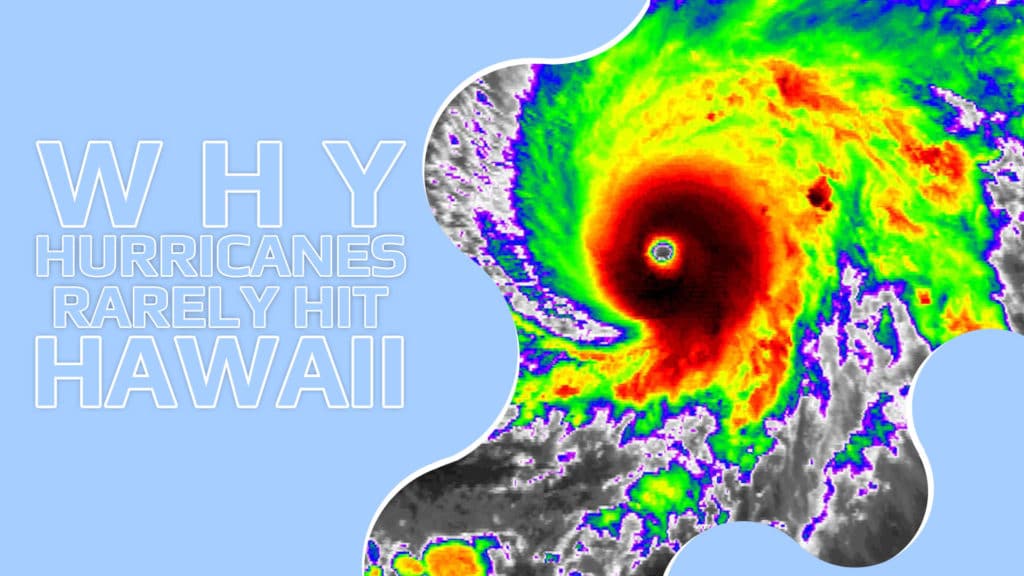
Unlike the Caribbean or the southeastern United States, direct hurricane landfalls in Hawaii are relatively rare. The islands’ unique geographic position and surrounding ocean currents provide a degree of natural protection, often weakening storms before they reach the archipelago. Nevertheless, it’s crucial for anyone planning a Hawaiian getaway to be informed, prepared, and understand how the potential for tropical weather systems fits into the broader picture of their vacation. This guide will delve into Hawaii’s hurricane season, historical impacts, essential travel tips, and how the islands’ robust tourism infrastructure is designed to keep visitors safe and comfortable, come rain or shine.
Understanding Hawaii’s Hurricane Landscape
To fully grasp the dynamics of hurricanes in Hawaii, it’s important to understand the typical season, the geographical factors that influence storm paths, and the historical context of significant weather events. This knowledge empowers travelers to make informed decisions and appreciate the resilience of the Hawaiian Islands.
The Anatomy of a Hawaiian Hurricane Season
The official hurricane season for the Central Pacific, which includes Hawaii, runs from June 1st through November 30th. Peak activity typically occurs in August and September. During this period, the warmer waters of the Pacific Ocean provide the energy needed for tropical disturbances to form and intensify. However, it’s important to note that while the season is six months long, the actual threat level varies significantly.
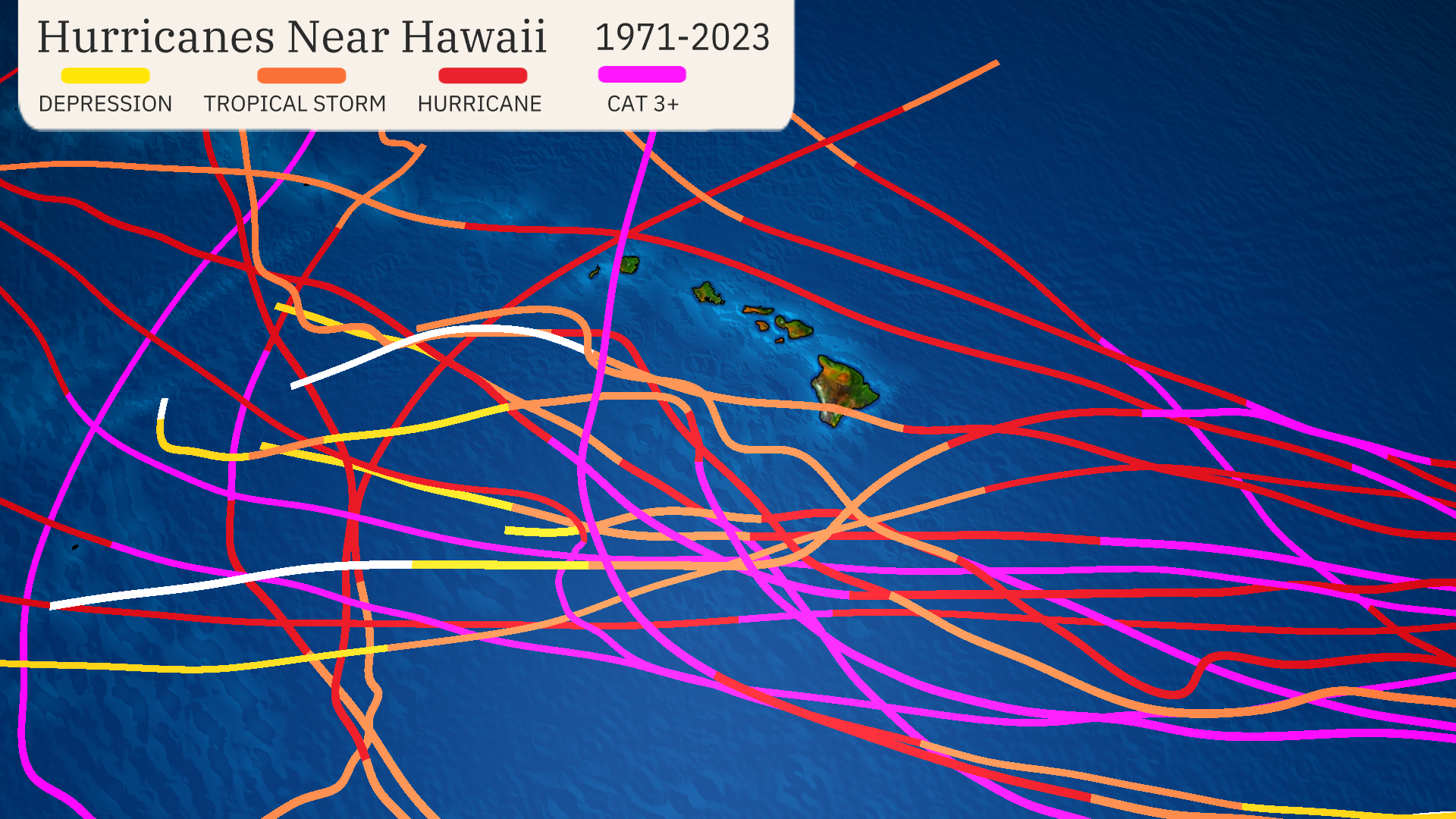
Forecasters continually monitor ocean temperatures and atmospheric conditions to predict the number of named storms. On average, the Central Pacific sees about four to five tropical cyclones (which include tropical depressions, tropical storms, and hurricanes) each season. The vast majority of these systems either dissipate far offshore, pass north or south of the islands without direct impact, or weaken significantly before reaching the main islands. This is largely due to factors such as cooler ocean temperatures closer to the islands, wind shear, and the protective effect of the high-pressure system known as the Pacific High.
Why Hawaii Is Less Vulnerable Than You Might Think
Several natural phenomena contribute to Hawaii’s relatively low rate of direct hurricane hits. The most significant is the previously mentioned Pacific High, a semi-permanent high-pressure system located northeast of the islands. This system often steers tropical cyclones away from the archipelago, typically pushing them to the south. Additionally, as storms approach Hawaii, they frequently encounter cooler ocean waters due to upwelling and a strong cold ocean current originating from the Bering Sea. This cooler water saps the storm’s energy, causing them to weaken rapidly.
Furthermore, the mountainous terrain of the islands themselves can sometimes disrupt the structure of an approaching storm, effectively tearing it apart. This combination of atmospheric steering currents, cooler water, and topography means that many storms that appear threatening on paper often arrive as much weaker tropical storms or depressions, bringing heavy rainfall and strong winds rather than the catastrophic damage associated with a major hurricane landfall. While this doesn’t eliminate the risk, it significantly reduces the likelihood of a devastating impact, especially compared to other hurricane-prone regions.
Historically, major hurricanes directly hitting Hawaii are rare. Notable examples include Hurricane Iwa in 1982, which severely impacted Kauai and Oahu, and Hurricane Iniki in 1992, which made a direct hit on Kauai as a Category 4 storm, causing widespread damage. More recently, Hurricane Lane in 2018 weakened considerably before reaching the islands but still brought torrential rainfall to the Big Island and Maui, causing significant flooding and landslides. These events, though infrequent, serve as reminders that preparedness is key, even in a less vulnerable region.
Preparing for Your Hawaiian Getaway: Travel & Safety Tips
Understanding the science behind Hawaii’s hurricanes is one thing; preparing for your trip with this knowledge is another. Smart travel planning can make all the difference, ensuring peace of mind whether you’re relaxing on Waikiki Beach or exploring the volcanic craters of the Big Island.
Essential Pre-Trip Planning and Travel Insurance
When booking your Hawaiian vacation, especially during hurricane season, consider a few key planning elements. Firstly, stay informed about the seasonal forecasts. While long-range predictions are not definitive, they can give you a general idea of potential activity. Secondly, and perhaps most importantly, invest in comprehensive travel insurance. This cannot be stressed enough. A good travel insurance policy can cover unforeseen circumstances such as trip cancellation or interruption due to a named storm, emergency medical expenses, and even evacuation costs. Look for policies that specifically include “cancel for any reason” (CFAR) clauses, as these offer the broadest protection, though they tend to be more expensive. Read the fine print carefully to understand what is covered regarding natural disasters.
When selecting your dates, if you are particularly risk-averse, consider traveling during the drier, less active months outside the official hurricane season, such as April, May, or early June, or from late November through March. These periods offer excellent weather and often coincide with slightly fewer crowds, though prices for flights and accommodations can fluctuate based on other factors like holidays.
What to Do If a Hurricane Threatens Your Trip
Should a named storm appear to be heading towards Hawaii during your planned visit, the first step is to remain calm and monitor official advisories from the National Weather Service and local Hawaiian authorities.
- Before You Depart: If a hurricane warning is issued for your destination island before you leave, contact your airline and accommodation providers immediately. Many airlines and hotels offer waivers for changes or cancellations during such events. Your travel insurance should also kick in at this point, so familiarize yourself with its claims process.
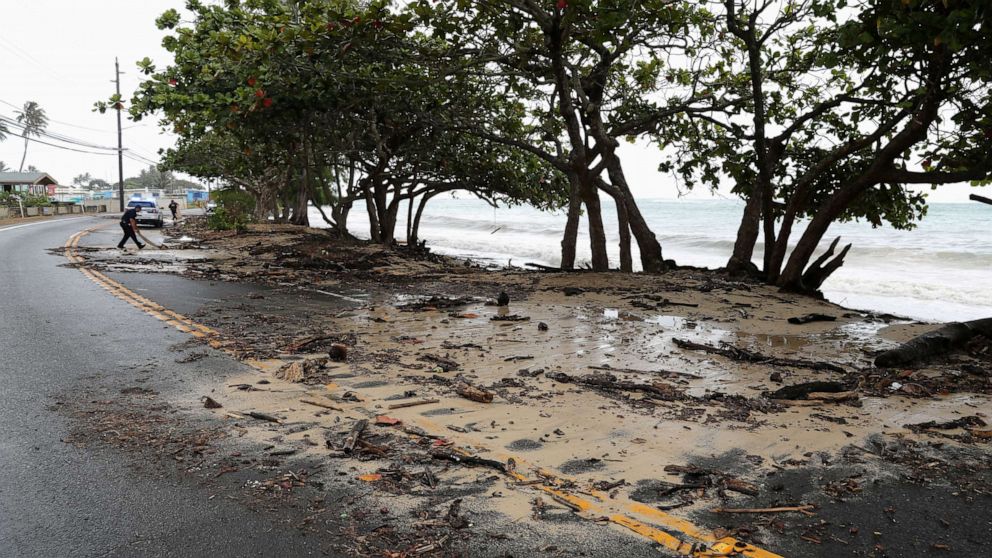
- During Your Stay: If you are already on the islands when a storm approaches, local authorities and your accommodation will provide guidance. Hotels and resorts have well-established emergency protocols. You may be asked to shelter in place, move to a higher floor, or evacuate to a designated shelter. Follow all instructions promptly. Stock up on essentials like water, non-perishable food, and any necessary medications. Keep your electronic devices charged. Remember, even if a hurricane weakens, it can still bring significant rainfall, strong winds, and dangerous surf conditions, so heed warnings about beach closures and ocean activities. For instance, attractions like the Diamond Head hike or Maui’s Road to Hana might be temporarily closed due to safety concerns from heavy rains or potential landslides.
The local communities in Hawaii are incredibly resilient and experienced in dealing with natural events. By staying informed and cooperative, visitors can help ensure their own safety and minimize disruption.
Accommodating the Weather: Hotels, Resorts, and Resilience
Hawaii’s thriving tourism industry means that hotels, resorts, and accommodation providers are highly experienced in managing various weather conditions, including the occasional tropical storm. Their proactive measures and robust infrastructure are designed to ensure guest safety and comfort, even when the skies aren’t perfectly clear.
How Hawaiian Hospitality Manages Hurricane Season
Hawaiian hotels and resorts, from intimate boutique stays in Lahaina to grand luxury establishments like the Four Seasons Resort Maui at Wailea or the Grand Hyatt Kauai Resort & Spa, operate with comprehensive emergency preparedness plans. These plans are regularly updated and include protocols for:
- Communication: Guests receive timely updates via in-room notices, television channels, hotel apps, and direct messaging, detailing weather advisories and safety instructions.
- Shelter-in-Place Procedures: Resorts are often constructed to withstand significant weather events and have designated safe areas. They typically provide emergency supplies, non-perishable food, and water during shelter-in-place orders.
- Staff Training: Hotel staff are trained in emergency response, first aid, and guest assistance during weather events, ensuring a calm and organized environment.
- Facility Reinforcement: Properties often have measures to secure outdoor furniture, windows, and other vulnerable elements as a storm approaches. Backup power generators are common in larger establishments to maintain essential services.
- Guest Services: Should a storm disrupt travel plans, hotels are often flexible with cancellations, rebookings, and extending stays if guests are unable to depart. Many collaborate with airlines to facilitate smooth transitions.
Even if a hurricane passes without a direct hit, the lingering effects, such as strong ocean swells, heavy rain, or localized flooding, can impact activities. Resorts are adept at providing alternative indoor entertainment, special dining experiences, and cultural activities to keep guests engaged during periods of inclement weather. Think cooking classes, lei making, spa treatments at facilities like the Aulani, A Disney Resort & Spa, or simply enjoying the amenities of your suite.
Choosing the Right Accommodation for Peace of Mind
When selecting your accommodation in Hawaii, especially for travel during hurricane season, consider factors that contribute to your comfort and safety:
- Reputable Chains & Resorts: Larger hotel chains like Marriott, Hilton, or Hyatt typically have extensive corporate-level emergency plans and resources.
- Location: While rare, coastal flooding can be a concern. Consider properties that are not directly on very low-lying beachfronts if this is a major worry, though most reputable resorts are built to modern flood standards.
- Amenities: Look for resorts with ample indoor amenities – a robust spa, multiple dining options, fitness centers, or cultural activity spaces – that can keep you entertained if outdoor activities are temporarily limited.
- Reviews: Check recent reviews on accommodation websites for mentions of how properties handle guest safety and communication during unusual weather.
Choosing a well-prepared and guest-focused accommodation can significantly reduce stress and enhance your experience, even if the weather takes an unexpected turn.
Experiencing Hawaii Beyond the Forecast: Culture, Activities, and Lifestyle
Despite the potential for hurricanes, Hawaii remains one of the world’s most sought-after travel destinations, beloved for its unique blend of natural beauty, rich history, and vibrant culture. The occasional tropical weather event is simply another facet of island life that visitors learn to navigate with the right preparation.
Embrace the Aloha Spirit, Rain or Shine
The essence of Hawaii lies in its “Aloha Spirit” – a philosophy of kindness, hospitality, and living in harmony with nature. This spirit extends to how residents and the tourism industry approach challenging weather. If a storm is brewing, you’ll find locals and hospitality staff working diligently to ensure everyone’s safety, often with a remarkable sense of calm and cooperation. Visitors are encouraged to embody this spirit by being patient, understanding, and respectful of local guidance.
Even during periods of rain or strong winds, Hawaii offers a wealth of indoor activities and cultural experiences. Explore the museums and historical sites in Honolulu on Oahu, such as Pearl Harbor or the Bishop Museum. Indulge in Hawaiian cuisine, from traditional kalua pig to fresh poke, at a cozy restaurant. Many resorts offer daily cultural workshops, from ukulele lessons to hula dancing, providing an authentic taste of the islands without needing to venture outside. Shopping opportunities, especially in areas like Ala Moana Center, also abound.
Discovering Hawaii’s Enduring Allure
Ultimately, the question “Does Hawaii have hurricanes?” shouldn’t deter you from experiencing this incredible destination. While the possibility exists, the actual risk of a trip-ruining direct hit is low, and the infrastructure and local expertise are well-equipped to handle such events. The unique lifestyle of living in paradise means that residents are accustomed to respecting the power of nature and living in harmony with its cycles.
Hawaii’s appeal extends far beyond its weather forecasts. It’s in the breathtaking sunsets over the Pacific Ocean, the vibrant marine life found while snorkeling off Maui’s coast, the awe-inspiring volcanic landscapes of Hawaii Volcanoes National Park, and the welcoming smiles of its people. By staying informed, securing appropriate travel insurance, and embracing the flexibility that island life sometimes requires, you can confidently plan a memorable and magical Hawaiian adventure at any time of year. Don’t let a low-probability event overshadow the high-probability experience of a lifetime.
LifeOutOfTheBox is a participant in the Amazon Services LLC Associates Program, an affiliate advertising program designed to provide a means for sites to earn advertising fees by advertising and linking to Amazon.com. Amazon, the Amazon logo, AmazonSupply, and the AmazonSupply logo are trademarks of Amazon.com, Inc. or its affiliates. As an Amazon Associate we earn affiliate commissions from qualifying purchases.