
The allure of Hawaii is undeniable. Pristine beaches, lush volcanic landscapes, a vibrant local culture, and the spirit of Aloha beckon millions of travelers each year, from those seeking a brief escape to individuals dreaming of a permanent move to paradise. Whether you’re planning a romantic getaway to Maui, an adventure on the Big Island, or a family vacation in Oahu, understanding the financial landscape of the Aloha State is crucial. A common question that arises for prospective residents, long-term visitors, and even savvy tourists planning extensive stays is: “Does Hawaii have state income tax?” The simple answer is yes, Hawaii does indeed have a state income tax, and it’s an important factor to consider when budgeting for your travel, accommodation, or potential relocation to this Pacific paradise.
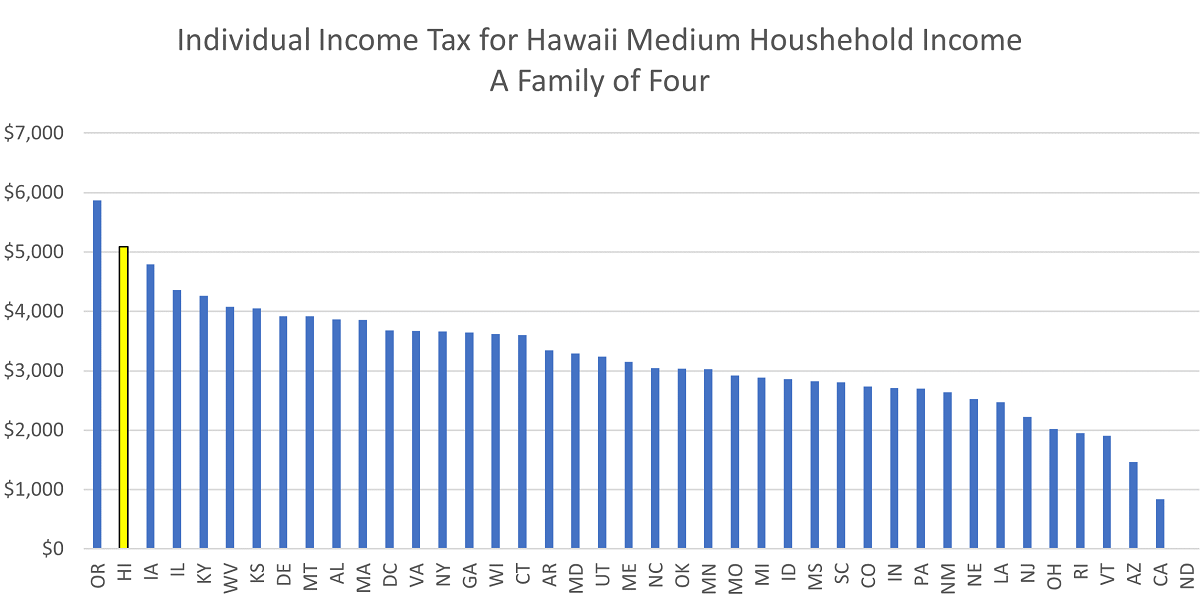
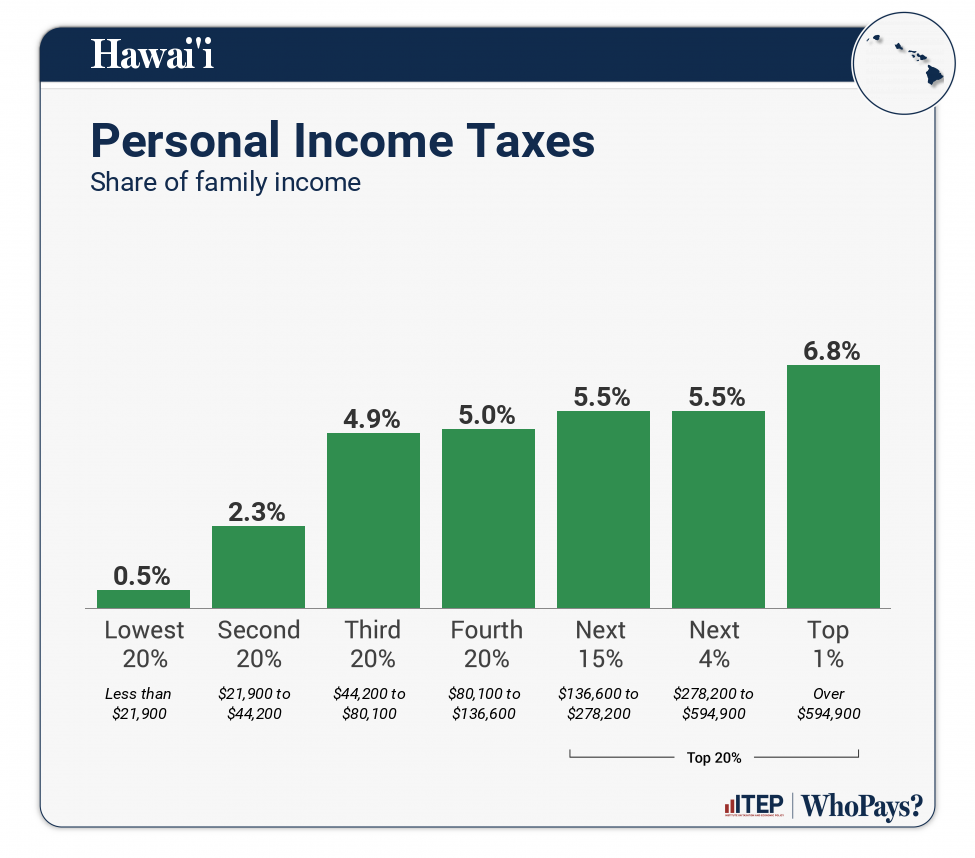
Unlike some other states in the United States that forego state income tax, Hawaii operates a progressive income tax system. This means that the more income you earn, the higher percentage you generally pay in state taxes, up to a certain bracket. For anyone considering the lifestyle of living or working in Hawaii, or even those planning an extended stay where income might be generated, comprehending this system is as vital as packing your sunscreen and planning your activities. This article will delve into the specifics of Hawaii’s state income tax, its broader tax environment, and how these financial considerations impact various aspects of travel, tourism, and accommodation in this highly sought-after destination.
Navigating the Financial Landscape of Paradise: Hawaii’s State Income Tax Explained
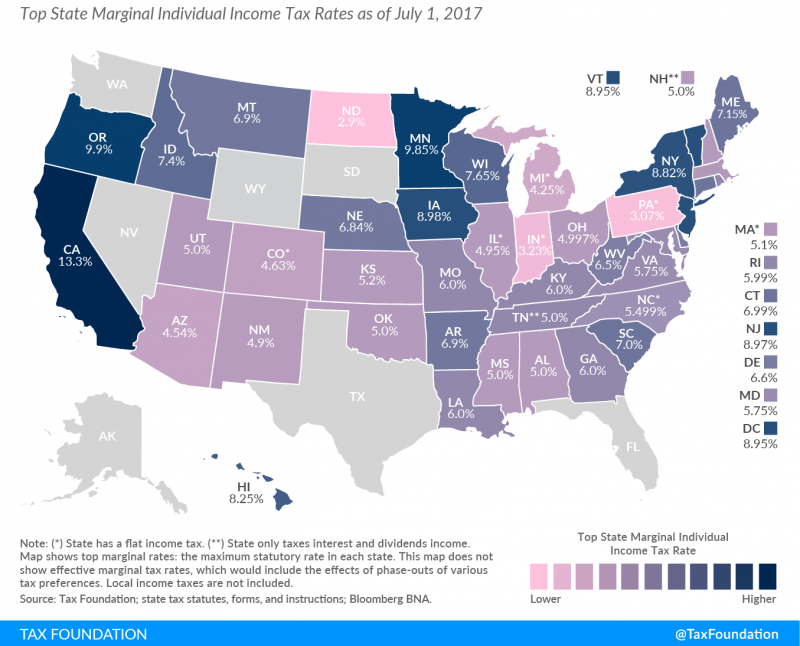
The dream of living in Hawaii often comes with a financial reality check, and state income tax is a significant component of that. For residents, employees, and certain self-employed individuals, understanding the tax structure is paramount. Hawaii’s income tax system is known for having some of the highest marginal tax rates in the nation, reflecting the state’s unique economic conditions and public service funding needs. This doesn’t mean the dream is unattainable, but it does mean that diligent financial planning is a must for anyone earning income within the state’s jurisdiction.
The state income tax applies to various forms of income, including wages, salaries, business profits, interest, and dividends. Even for those not planning to work in Hawaii, understanding how these taxes contribute to the overall cost of living and the local economy can enrich your travel experience, offering insights into why goods and services might be priced differently compared to the mainland. For instance, the tax revenue supports the infrastructure, educational systems, and public services that enhance both the residents’ quality of life and the tourist experience, from maintaining roads to preserving natural landmarks.
Understanding Hawaii’s Income Tax System
Hawaii’s income tax system is structured with multiple tax brackets, ensuring that individuals across various income levels contribute progressively. The rates can vary, but historically, they have ranged from a low single digit percentage for the lowest income earners to a top rate that has often exceeded 10% for the highest earners. These rates are applied to taxable income, which is your gross income minus any deductions and exemptions you qualify for. It’s a system designed to generate substantial revenue for state operations, given the limited land area and reliance on imports for many goods.
Residents of Hawaii are generally taxed on all their income, regardless of where it was earned. Non-residents, however, are typically only taxed on income derived from sources within Hawaii. This distinction is vital for remote workers or those with business interests both inside and outside the state. Understanding your residency status for tax purposes is a complex but crucial step. Tax laws can change, so consulting up-to-date resources from the Hawaii Department of Taxation or a qualified tax professional is always recommended for precise figures and personalized advice. Factors like filing status (single, married filing jointly, head of household) also significantly impact the applicable tax brackets and potential deductions. This progressive system, while sometimes perceived as high, ensures that the financial burden is distributed across the populace, supporting the state’s unique needs and services.
Beyond Income Tax: Other Taxes to Consider in Hawaii
While state income tax is a primary concern for residents and long-term earners, Hawaii also levies other significant taxes that impact everyone, including tourists. These include the General Excise Tax (GET), Transient Accommodations Tax (TAT), and property taxes.
The General Excise Tax (GET) is a unique tax in Hawaii that often confuses visitors. Unlike a typical sales tax levied only on the final consumer, GET is applied to virtually all business activities in the state, including sales of goods, services, rentals, and even professional fees. Businesses generally pass this cost on to the consumer, making it feel like a sales tax, but its application is broader. The GET rates vary by activity but are typically around 4% to 4.5% at the state level, with some counties adding a small surcharge. This means that almost everything you purchase – from your hotel room to your dinner in Waikiki or a souvenir from a shop in Lahaina – will have the GET embedded in its price or added at checkout.
The Transient Accommodations Tax (TAT) is specifically relevant to tourism and accommodation. This tax is levied on short-term rentals, including hotel rooms, condominiums, villas, and other transient accommodations rented for less than 180 consecutive days. The TAT rate is currently 10.25% (as of my last update), making it a substantial addition to the cost of your stay. When booking your resort in Kaanapali or a charming apartment in Kailua-Kona, remember that the advertised nightly rate will be subject to both the TAT and the GET, significantly increasing the total price.
Finally, property taxes are a concern for homeowners and real estate investors. While Hawaii boasts some of the lowest property tax rates in the United States as a percentage of home value, the high property values themselves mean that the actual dollar amount paid can still be substantial. These various taxes collectively contribute to the cost of living and the overall experience in Hawaii, reinforcing the need for thorough financial planning whether you’re visiting or considering a move.
The Impact of Taxation on Your Hawaiian Travel and Lifestyle
Understanding Hawaii’s tax structure isn’t just for number-crunchers; it’s a fundamental aspect of planning any trip or considering a new chapter in the islands. The interplay of income tax, GET, and TAT directly influences your travel budget, accommodation choices, and overall lifestyle experiences. From booking your flight to enjoying a fine dining experience overlooking Diamond Head, taxes factor into nearly every financial transaction. For those dreaming of an extended stay, remote work, or even retirement in the Aloha State, these tax implications become even more pronounced.
The renowned beauty of Hawaii comes with a price tag, and taxes are an integral part of that. The higher cost of living, partly driven by taxes and the logistics of importing goods, means that travelers and potential residents need to adjust their expectations and budgeting strategies accordingly. This knowledge empowers you to make more informed decisions, ensuring your Hawaiian experience is as fulfilling as you imagine, without unexpected financial surprises.
Budgeting for Your Dream Hawaiian Vacation or Extended Stay
When planning a Hawaiian vacation, your budget will primarily focus on airfare, accommodation, food, and activities. The TAT will add a significant percentage to your hotel or vacation rental bill, easily adding hundreds of dollars to a week-long stay at a mid-to-high-end resort. Beyond accommodation, the General Excise Tax (GET) will be applied to almost everything else. Dining at a beachfront restaurant in Honolulu, renting a car to explore the Road to Hana on Maui, purchasing tickets for a luau, or buying groceries to cook in your villa will all be subject to GET. While these individual percentages may seem small, they accumulate quickly, especially over an extended stay.
Savvy travelers often look for ways to manage these costs. Choosing accommodation with kitchenettes or opting for apartments over full-service hotels can help reduce dining expenses, though the GET still applies to groceries. Looking for travel deals that bundle flights and hotels can sometimes offer overall savings. For those contemplating an extended stay, perhaps a month or longer, understanding the thresholds for “transient” accommodation (typically under 180 days) becomes important, as longer rentals might shift to a different tax structure, though GET would still apply. Regardless of the length of your trip, allocating a buffer in your budget specifically for taxes is a smart move to prevent sticker shock and ensure a smoother, more enjoyable experience in paradise.
Long-Term Stays, Remote Work, and Relocation: A Tax Perspective
For digital nomads, retirees, or anyone considering a more permanent move to Hawaii, the implications of the state’s tax system are significantly deeper. Hawaii’s progressive income tax rates mean that a substantial portion of your earnings could go towards state taxes, especially if you fall into one of the higher income brackets. This factor, combined with the notoriously high cost of living (housing, groceries, utilities), necessitates meticulous financial planning. What might be a comfortable income elsewhere could be stretched thin in Hawaii.
Remote workers who maintain residency in another state but work temporarily from Hawaii may still be subject to Hawaii income tax on income earned while physically present in the state, depending on the duration and nature of their stay. The rules for establishing residency for tax purposes can be complex, involving factors like the number of days spent in the state, the location of your primary home, and your intent. Retirees contemplating Hawaii need to assess how their pension, social security benefits, and other retirement income will be taxed. While Hawaii does offer some exemptions for certain types of retirement income, others may be fully taxable. It’s crucial to consult with a tax advisor who specializes in Hawaii tax law to understand your specific obligations and optimize your financial situation, whether you’re enjoying the beaches of Kauai or hiking near Volcanoes National Park. The dream of island living is incredibly appealing, but it must be balanced with a clear understanding of its financial realities.
Maximizing Your Hawaiian Experience: Financial Planning for Paradise
The beauty and unique appeal of Hawaii are unparalleled, making it a dream destination for many. While the state’s tax structure, particularly its state income tax and other levies, might seem daunting, it doesn’t diminish the incredible experiences awaiting you. Instead, it underscores the importance of thoughtful financial planning. By being informed and proactive, you can navigate the costs effectively, ensuring your journey, whether it’s a short vacation or a lifelong adventure, is filled with enjoyment and minimal financial stress. From choosing the right accommodation to understanding the nuances of local spending, smart strategies can help you make the most of your time in the Aloha State.
The goal isn’t to be deterred by the numbers but to be prepared. Hawaii offers a rich tapestry of cultural experiences, breathtaking natural landmarks like the Na Pali Coast, and unparalleled opportunities for adventure and relaxation. With proper budgeting and an awareness of the tax environment, these experiences remain well within reach for a wide range of travelers and aspiring residents. The investment, both financial and personal, often yields priceless memories and a profound connection to this extraordinary place.
Tips for Smart Spending and Saving in the Aloha State
To enjoy Hawaii without breaking the bank, especially considering the tax implications, here are some practical tips:
- Budget Beyond the Base Price: Always factor in GET (approximately 4-4.5%) for goods and services, and TAT (10.25%) for accommodation. These additions can significantly inflate your total costs.
- Explore Accommodation Options: While luxury resorts are enticing, consider apartments, villas with kitchens, or even more budget-friendly hotels or guesthouses. Booking well in advance can often secure better rates, and always check if taxes are included in the advertised price.
- Embrace Local Food: Eating out at restaurants can be expensive, with GET added to your bill and tips expected. Explore local farmers’ markets for fresh produce, visit plate lunch spots, or shop at grocery stores to prepare some of your own meals, especially if your accommodation has cooking facilities. This is also a fantastic way to experience local culture.
- Take Advantage of Free Activities: Hawaii is rich with natural beauty that costs nothing to enjoy. Spend days at the beach, go hiking in state parks (some may have small entrance fees, but many trails are free), explore scenic drives, or visit landmarks like Pearl Harbor (admission to the USS Arizona Memorial is free, though other attractions within the complex may have fees).
- Consider Off-Peak Travel: Traveling during the shoulder seasons (e.g., spring or fall) can often result in lower airfares and accommodation rates, implicitly reducing the overall tax burden on a smaller base price.
- For Long-Termers: Seek Professional Tax Advice: If you’re contemplating an extended stay, remote work, or relocation, consult with a tax professional experienced in Hawaii state tax laws. They can provide personalized advice on residency status, deductions, and strategies to minimize your tax liability.
- Understand Rental Agreements: For longer rentals (e.g., over 30 days), inquire about the specific taxes applied. Sometimes longer-term rentals may not be subject to TAT, but GET will almost always apply to the rental income the property owner receives, which can still be passed on to you.
In conclusion, yes, Hawaii does have a state income tax, alongside other taxes that collectively contribute to the cost of visiting and living in this captivating destination. However, with careful planning, an informed approach, and a willingness to embrace local practices, the dream of experiencing Hawaii’s magic is well within reach for those ready to embark on an unforgettable journey to the Aloha State. Your adventure awaits, made even richer by your understanding of its beautiful, yet intricate, financial landscape.
LifeOutOfTheBox is a participant in the Amazon Services LLC Associates Program, an affiliate advertising program designed to provide a means for sites to earn advertising fees by advertising and linking to Amazon.com. Amazon, the Amazon logo, AmazonSupply, and the AmazonSupply logo are trademarks of Amazon.com, Inc. or its affiliates. As an Amazon Associate we earn affiliate commissions from qualifying purchases.