
The question “How big is the Island of Hawaii?” is more profound than a simple measurement; it encapsulates the very essence of what makes this unique destination so captivating and diverse. Often referred to simply as the Big Island, it is, by far, the largest of the Hawaiian Islands, an imposing landmass that continually grows thanks to active volcanism. Its immense scale not only dictates its extraordinary geological features but also profoundly shapes every aspect of travel, tourism, and lifestyle experiences available to visitors.
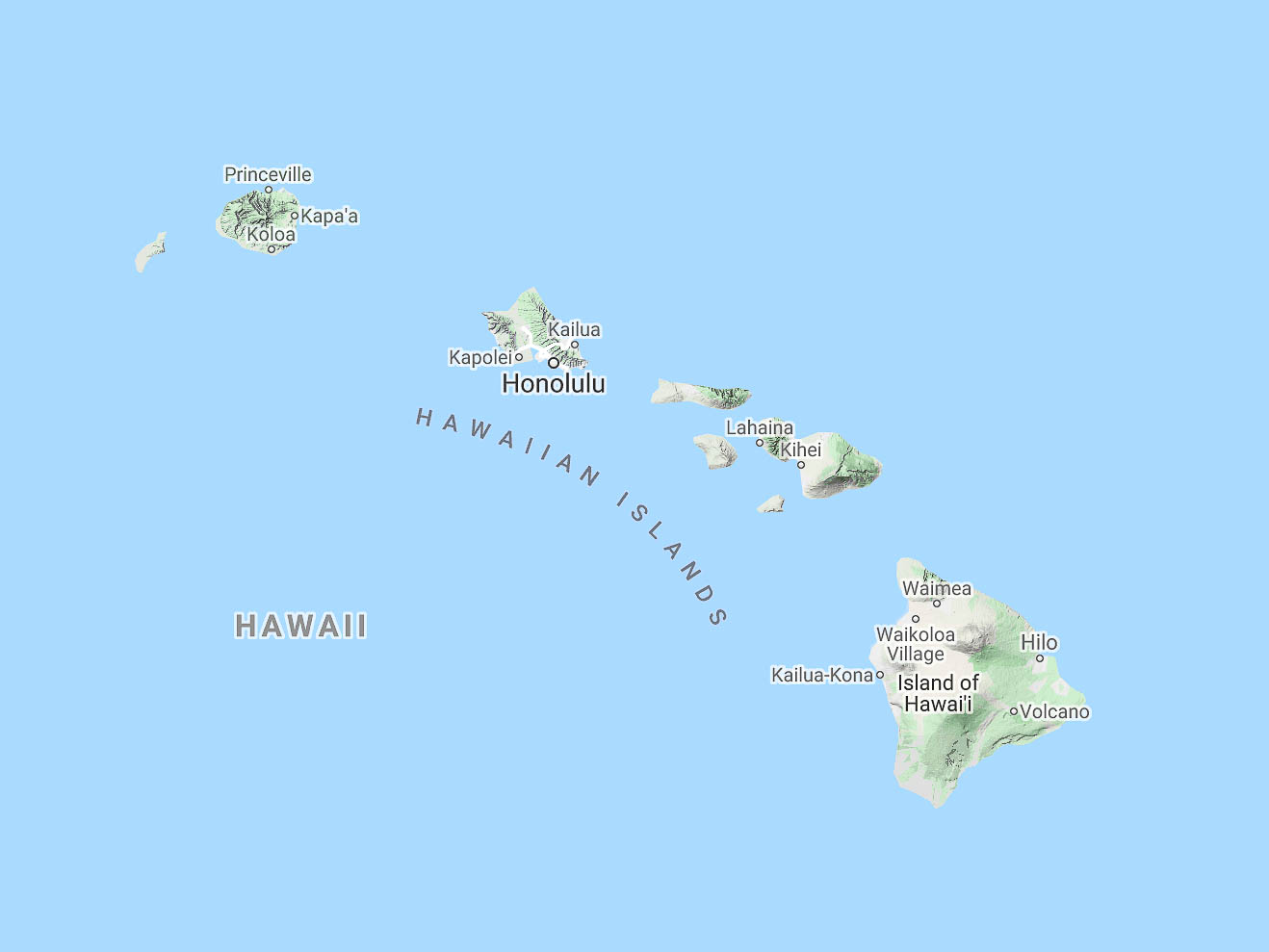
To put its size into perspective, the Island of Hawaii covers an astounding 4,028 square miles (10,432 square kilometers). This makes it larger than all the other Hawaiian Islands combined, which include popular spots like Maui, Oahu, and Kauai. In fact, it’s roughly twice the size of Delaware, nearly as large as Connecticut, and could comfortably swallow Rhode Island several times over. This vastness is not merely a number; it translates into an unparalleled array of landscapes, climates, and activities that demand thoughtful planning and a spirit of adventure from anyone looking to explore its wonders. From snow-capped mountain peaks to verdant rainforests, black sand beaches to arid lava fields, the Big Island’s considerable dimensions are the foundation of its extraordinary appeal.
The Sheer Scale and Geological Marvels of the Big Island
The Big Island’s impressive size is a direct consequence of its geological youth and ongoing volcanic activity, distinguishing it dramatically from its older, more eroded island siblings. This colossal landmass is not just geographically significant; it’s a living, breathing testament to the power of plate tectonics and volcanic creation, offering a truly unique window into the Earth’s processes.
A Land of Giants: Towering Volcanoes and Endless Horizons
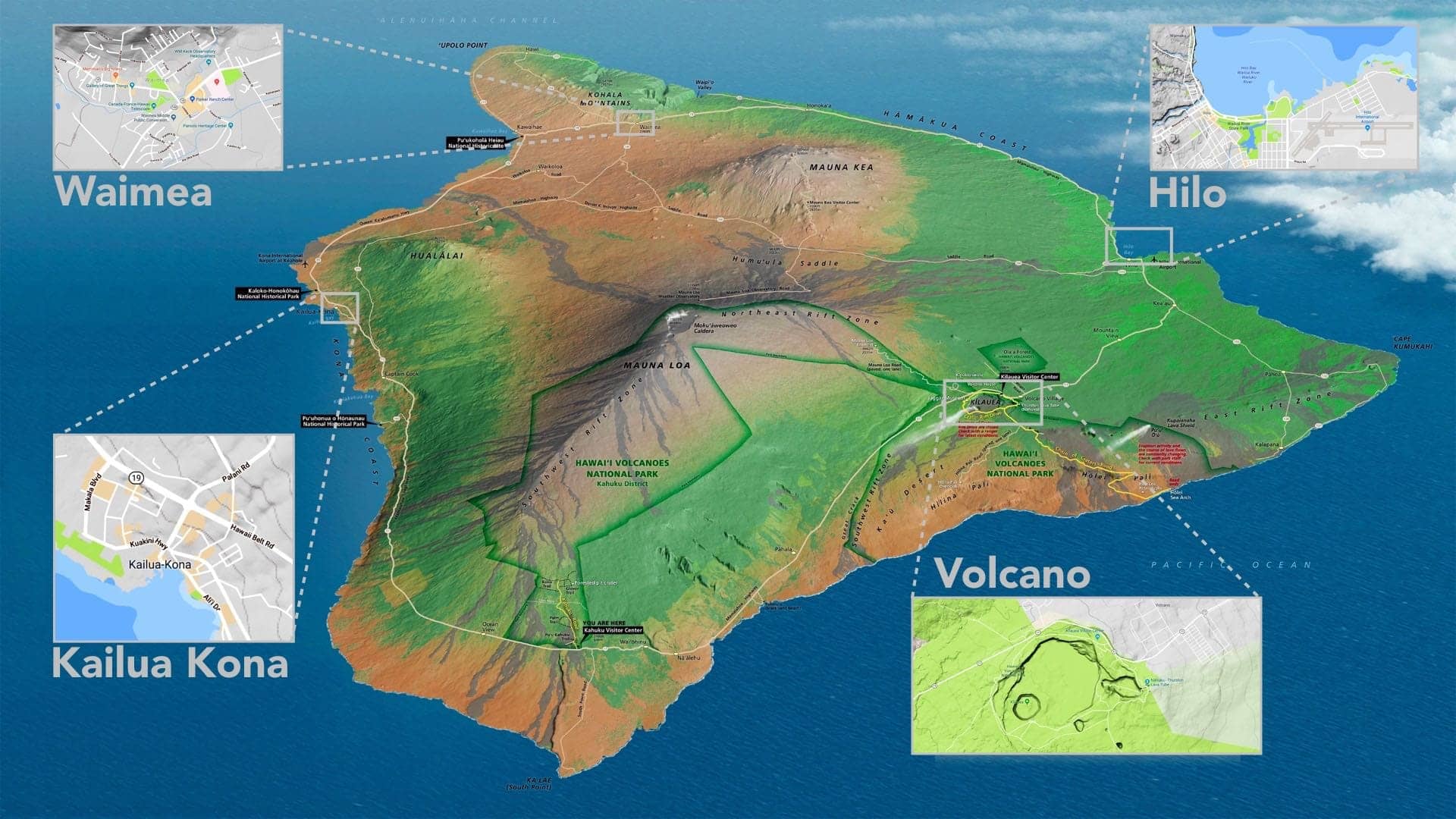
The Island of Hawaii is dominated by five massive shield volcanoes, two of which are among the largest mountains on Earth when measured from their base on the Pacific Ocean floor: Mauna Kea and Mauna Loa. Mauna Kea, at 13,803 feet (4,207 meters) above sea level, is the tallest mountain in Hawaii and, measured from its underwater base, surpasses even Mount Everest in total height, standing over 33,000 feet (10,000 meters) from the ocean floor. Mauna Loa, a formidable neighbor, is slightly shorter above sea level but is even more massive in terms of volume, making it the largest subaerial volcano in the world. These majestic peaks, often capped with snow during winter months, create dramatic climate zones and provide stunning backdrops for various activities, from stargazing at the observatories on Mauna Kea’s summit to hiking across ancient lava flows on Mauna Loa.
Beyond these towering giants, the island is also home to Kīlauea, one of the world’s most active volcanoes, continuously adding new land to the island. This dynamic process ensures that the Island of Hawaii is not only the largest but also the youngest and still-growing landmass in the Hawaiian archipelago. The constant interplay of creation and destruction results in a landscape that is perpetually transforming, offering visitors a chance to witness geological processes firsthand. This vast, geologically active canvas means that a trip to the Big Island is truly an encounter with a living planet, where the very ground beneath your feet can be brand new.
Dynamic Landscapes Shaped by Fire and Sea: A World of Climate Zones
The sheer size and varied topography of the Big Island lead to an astonishing diversity of ecosystems, resulting in a remarkable number of climate zones. In fact, out of the 13 major Köppen climate zones found on Earth, the Big Island boasts 10 of them. This means that within a relatively short drive, one can experience everything from humid tropical rainforests on the eastern, windward side near Hilo to arid deserts and lava fields on the western, leeward Kona Coast. You can find temperate grasslands in upcountry Waimea, chilly alpine tundras on the summits of Mauna Kea and Mauna Loa, and even polar climates at the highest elevations.
This incredible climatic range creates a mosaic of breathtaking landscapes and unique natural attractions. Visitors can spend the morning swimming in the warm turquoise waters of a white sand beach, hike through lush tropical jungles in the afternoon to discover hidden waterfalls like Akaka Falls or Rainbow Falls, and then watch the sunset over a barren volcanic landscape, perhaps even glimpsing a faint red glow from Kīlauea’s crater. This rapid transition between distinct environments is a hallmark of the Big Island experience, fundamentally tied to its expansive geography. The island’s size ensures that every turn in the road reveals a new vista, a new microclimate, and a new adventure waiting to be discovered, making it a microcosm of the world’s natural beauty.
Navigating the Vastness: Strategic Travel and Exploration
The immense scale of the Island of Hawaii necessitates a thoughtful approach to travel planning. Unlike smaller islands where you can easily traverse from one end to the other in under an hour, the Big Island demands time and strategic navigation to fully appreciate its diverse offerings. Understanding its geography and the time required to cover distances is crucial for an enriching visit.
Planning Your Big Island Itinerary: Essential Logistics
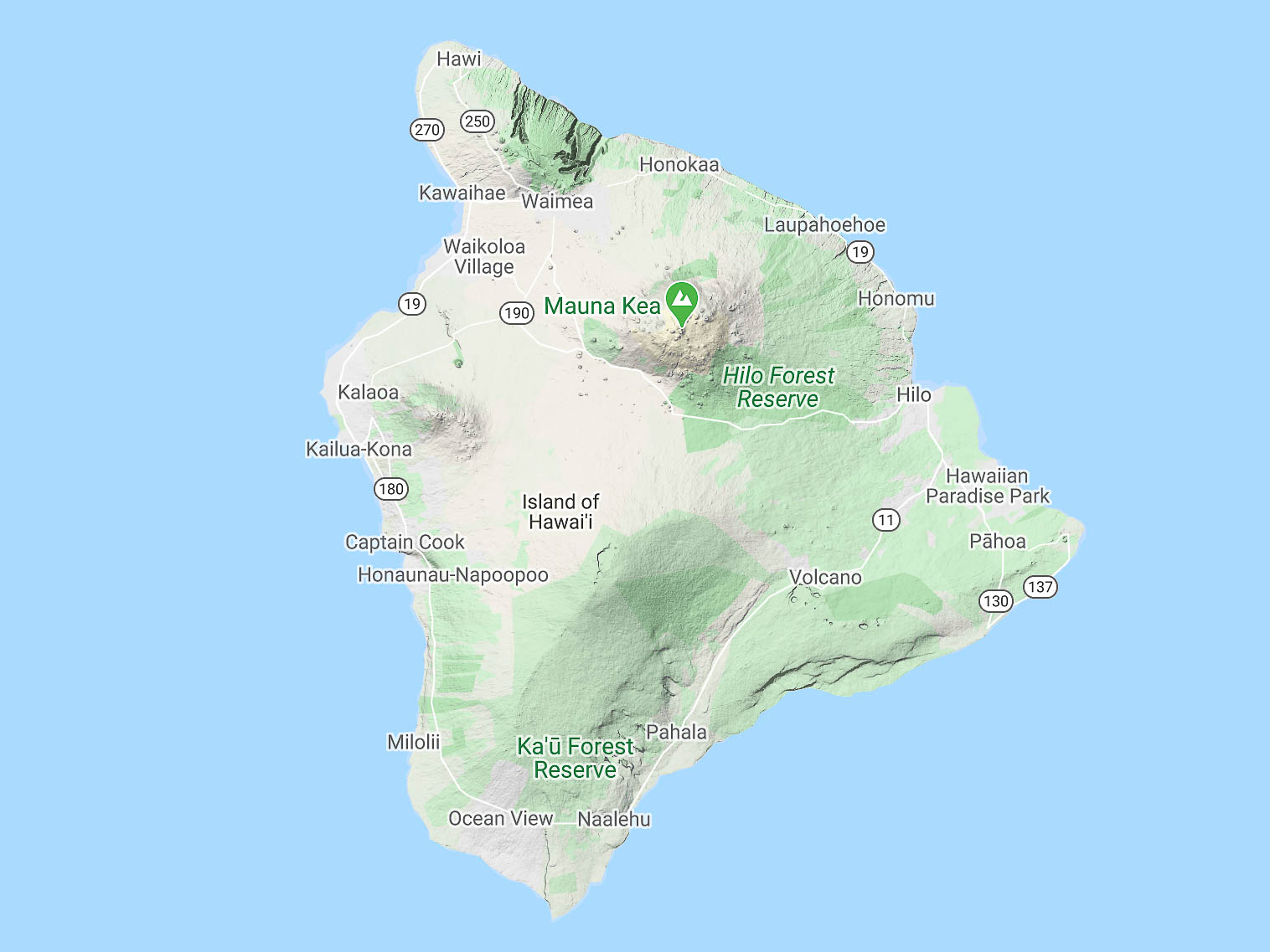
Given its expansive area, renting a car is not just recommended; it’s virtually essential for exploring the Big Island comprehensively. Driving from Hilo on the east side to Kona on the west, for instance, can take anywhere from 1.5 to 3 hours, depending on the route taken (Highway 19 along the north or Highway 11 through the south and past Hawaiʻi Volcanoes National Park). This means that spontaneous day trips across the entire island require significant driving time. Visitors often choose to base themselves on either the Kona or Hilo side, or even split their accommodation between the two to minimize travel time to specific attractions.
The island is served by two main airports: Kona International Airport (KOA) on the drier, sunnier west side, and Hilo International Airport (ITO) on the lush, wetter east side. The choice of arrival airport can significantly influence your initial experiences and the direction of your itinerary. For those seeking luxury resorts, golf, and predictable sunshine, arriving in Kona makes sense. If waterfalls, rainforests, and a closer proximity to Hawaiʻi Volcanoes National Park are priorities, Hilo is often the preferred gateway. Regardless of your starting point, detailed itinerary planning will ensure you maximize your time and truly absorb the island’s vast beauty without feeling rushed.
Diverse Regions, Unique Experiences: A Microcosm of Hawaii
The Big Island’s size allows for distinctly different regional personalities, each offering unique attractions and experiences.
-
The Kona Coast (West Hawaii): This leeward side is renowned for its sunny skies, calm waters, and historic Kona coffee farms. It’s a hub for snorkeling and diving, with popular spots like Kahalu’u Beach Park and the pristine sands of Manini’owali Beach. Here, visitors can explore ancient Hawaiian fishponds, vibrant coral reefs, and enjoy spectacular sunsets over the Pacific Ocean.
-
The Hilo Side (East Hawaii): In stark contrast, the windward Hilo side is characterized by lush rainforests, frequent rainfall, and a more local, laid-back atmosphere. It’s home to dramatic waterfalls like Akaka Falls and Rainbow Falls, botanical gardens such as the Hawaii Tropical Bioreserve & Garden, and offers direct access to Hawaiʻi Volcanoes National Park.
-
Hawaiʻi Volcanoes National Park: A UNESCO World Heritage Site, this iconic landmark is the heart of the island’s geological activity. Its vast expanse allows for exploration of active volcanic craters, steam vents, lava tubes, and an ever-changing landscape forged by Kīlauea’s eruptions.
-
Waimea (Upcountry): Nestled between Mauna Kea and Kohala, this cool, pastoral region is the heart of Hawaiian cowboy (paniolo) country, with rolling green hills, expansive ranches, and a distinctly different cultural vibe.
-
Kohala Coast: Stretching north from Kona, the Kohala Coast is renowned for its luxury resorts, championship golf courses, and stunning white sand beaches like Hapuna Beach State Recreation Area. It also boasts significant ancient Hawaiian historical sites, including Pu’ukoholā Heiau National Historic Site.
-
Southern Regions (Puna, Ka’u): These lesser-visited areas offer rugged beauty, including the unique Green Sand Beach (Papakōlea) and Black Sand Beach (Punalu’u), as well as significant agricultural lands.
This geographical compartmentalization means that each day on the Big Island can present a completely different adventure, making it a compelling destination for repeat visitors and first-timers alike.
Accommodation and Lifestyle on a Grand Scale
The sheer size of the Island of Hawaii influences not only how visitors explore it but also where they choose to stay and the kind of lifestyle experiences they can immerse themselves in. From opulent resorts to charming local accommodations, and from gourmet dining to authentic cultural encounters, the Big Island’s vastness allows for a remarkable breadth of options.
From Luxury Resorts to Quaint B&Bs: Your Home Base on the Big Island
The diverse geography of the Big Island naturally lends itself to a wide spectrum of accommodation choices, catering to every budget and preference. On the sunny Kohala Coast, you’ll find an impressive collection of world-class hotels and resorts that epitomize luxury travel. Properties like Mauna Lani, Auberge Resorts Collection, the Fairmont Orchid, and the Four Seasons Resort Hualalai offer sprawling grounds, private beaches, exquisite dining, and an array of amenities designed for indulgent relaxation. These resorts are destinations in themselves, providing a secluded haven amidst the island’s natural grandeur.
Moving towards Kona and Hilo, visitors can choose from a range of boutique hotels, charming vacation rentals, and cozy B&Bs that offer a more intimate and local feel. For those seeking budget travel options, there are also more economical hotels and guesthouses. The decision of where to stay is often influenced by planned activities; for instance, staying near Hawaiʻi Volcanoes National Park allows for early morning or late-night exploration of the volcanic landscape, while a Kona base is ideal for marine activities and sunset cruises. The Big Island’s size means that splitting your stay between different regions is a popular and practical strategy, allowing you to experience various facets of the island without excessive driving, ensuring your accommodation enhances your journey rather than limits it.
Embracing the Local Lifestyle and Cuisine: A Taste of Hawaii
The extensive agricultural lands and diverse ecosystems of the Big Island foster a rich culinary scene and a vibrant local lifestyle. The farm-to-table movement thrives here, with fresh produce, macadamia nuts, vanilla, and world-renowned Kona coffee sourced directly from the island’s fertile soils. Visitors can immerse themselves in this culture by touring coffee plantations, exploring local farmers’ markets in Hilo or Kona, and sampling Hawaiian delicacies like poke and fresh seafood at local eateries.
Beyond food, the Big Island’s vastness provides ample space for an extraordinary range of activities that embody the island’s spirit. Stargazing tours on Mauna Kea offer unparalleled views of the cosmos, benefiting from the mountain’s high altitude and minimal light pollution. The Kona Coast is famous for its exhilarating Manta Ray Night Dive and world-class deep-sea fishing. Hiking trails crisscross the island, leading to hidden waterfalls, ancient petroglyphs, and breathtaking coastal vistas. Whether you seek thrilling adventures or peaceful relaxation, the Big Island’s size ensures there’s an activity to suit every lifestyle, allowing for a truly personalized and unforgettable Hawaiian experience. This profound connection to land and sea, made possible by its grand scale, encourages a slower pace and a deeper appreciation for the island’s unique rhythm.
The Big Island’s Unique Appeal and Why Size Matters
The question of “How big is the Island of Hawaii?” ultimately leads to the understanding that its size is its most defining characteristic and its greatest asset. This immense landmass doesn’t just offer more space; it offers more worlds, more climates, more cultures, and more adventures, making it a truly unparalleled destination within the United States and the wider Pacific Ocean.
A Destination for Every Traveler: Embracing Diversity
The expansive nature of the Big Island makes it an ideal destination for virtually every type of traveler. Adventure seekers can explore vast lava fields, hike to active volcano sites, or snorkel with manta rays at night. Those craving relaxation will find solace on pristine beaches along the Kohala Coast or within the tranquil gardens of luxurious resorts. Family trips benefit from the wide array of activities, from exploring tide pools to learning about Hawaiian history at various landmarks like Pu’ukoholā Heiau National Historic Site. Cultural enthusiasts can delve into the rich traditions of the Hawaiian people, from the paniolo (cowboy) heritage of Waimea to the ancient petroglyphs found in numerous archaeological sites.
Unlike smaller islands that might specialize in one type of experience, the Big Island truly offers something for everyone, often within a single day’s journey. This diversity is not merely about having many options; it’s about the depth and authenticity of those options. The sheer scale allows for everything from the bustling farmer’s markets of Hilo and Kona to the serene, untouched wilderness of its remote corners, such as Honokaa and [Laupahoehoe]. The sense of discovery, of moving through vastly different worlds on one island, is what sets the Big Island apart and cements its status as a premier global travel destination.
Preserving a Pristine Paradise: Sustainable Tourism and Respect
With such immense size and delicate ecosystems, the conversation around the Big Island naturally extends to conservation efforts and sustainable tourism. The local community and government are deeply committed to protecting its natural beauty and cultural heritage. Visitors are encouraged to practice responsible tourism, such as staying on marked trails in Hawaiʻi Volcanoes National Park, respecting marine life during snorkeling and diving experiences, and supporting local businesses that prioritize eco-friendly practices.
The island’s vastness plays a role here too, as it allows for large tracts of protected land, like the national parks and state reserves, which are vital for preserving endangered species and unique geological formations. This commitment to preservation ensures that the Big Island’s grandeur will remain intact for future generations to explore. By understanding the island’s size and the fragility of its diverse environments, visitors become partners in its preservation, contributing to a sustainable lifestyle that values both exploration and protection. This balance of adventure and mindfulness is integral to the contemporary Big Island experience, making every visit not just a vacation, but a contribution to a cherished natural wonder.
In conclusion, the Island of Hawaii is far more than just “big.” It is a dynamic, diverse, and breathtakingly vast realm where geological power meets ecological wonder, and ancient culture intertwines with modern tourism. Its colossal dimensions are not merely a statistic but the very canvas upon which an endless array of experiences are painted, inviting every traveler to discover their own piece of paradise within its boundless horizons. Plan your journey wisely, and prepare to be awe-struck by the sheer magnificent scale of the Big Island.
LifeOutOfTheBox is a participant in the Amazon Services LLC Associates Program, an affiliate advertising program designed to provide a means for sites to earn advertising fees by advertising and linking to Amazon.com. Amazon, the Amazon logo, AmazonSupply, and the AmazonSupply logo are trademarks of Amazon.com, Inc. or its affiliates. As an Amazon Associate we earn affiliate commissions from qualifying purchases.