
The Hawaii Islands stand as an iconic beacon in the vast Pacific Ocean, a dream destination renowned for its breathtaking landscapes, vibrant culture, and unparalleled natural beauty. Millions of travelers flock to this archipelago each year, drawn by the promise of pristine beaches, lush rainforests, and the thrill of adventure. Yet, beneath the surface of this tropical paradise lies a geological saga of epic proportions – a story of fire, water, and immense planetary forces that have sculpted these islands over millions of years. Understanding how the Hawaii archipelago came to be not only deepens appreciation for its unique environment but also enriches the entire travel experience, transforming a simple vacation into an encounter with a living, breathing geological marvel. From the towering peaks of its active volcanoes to the deeply eroded canyons of its oldest islands, every feature of Hawaii tells a chapter of its fiery birth and slow evolution, offering a dynamic backdrop for exploration, relaxation, and cultural immersion.

The Unique Volcanic Genesis of Hawaii
Unlike most island chains formed by the collision or separation of tectonic plates, the Hawaii Islands owe their existence to a unique phenomenon known as a “hotspot.” This geological peculiarity distinguishes Hawaii from places like the Aleutian Islands or Japan, which are direct products of subduction zones and volcanic arcs. The concept of a stationary hotspot provides a compelling explanation for the linear progression of island ages and their distinctive volcanic characteristics, making Hawaii a premier natural laboratory for geological study and an endlessly fascinating destination for tourists.
The Hotspot Theory: A Fiery Plume from the Earth’s Mantle
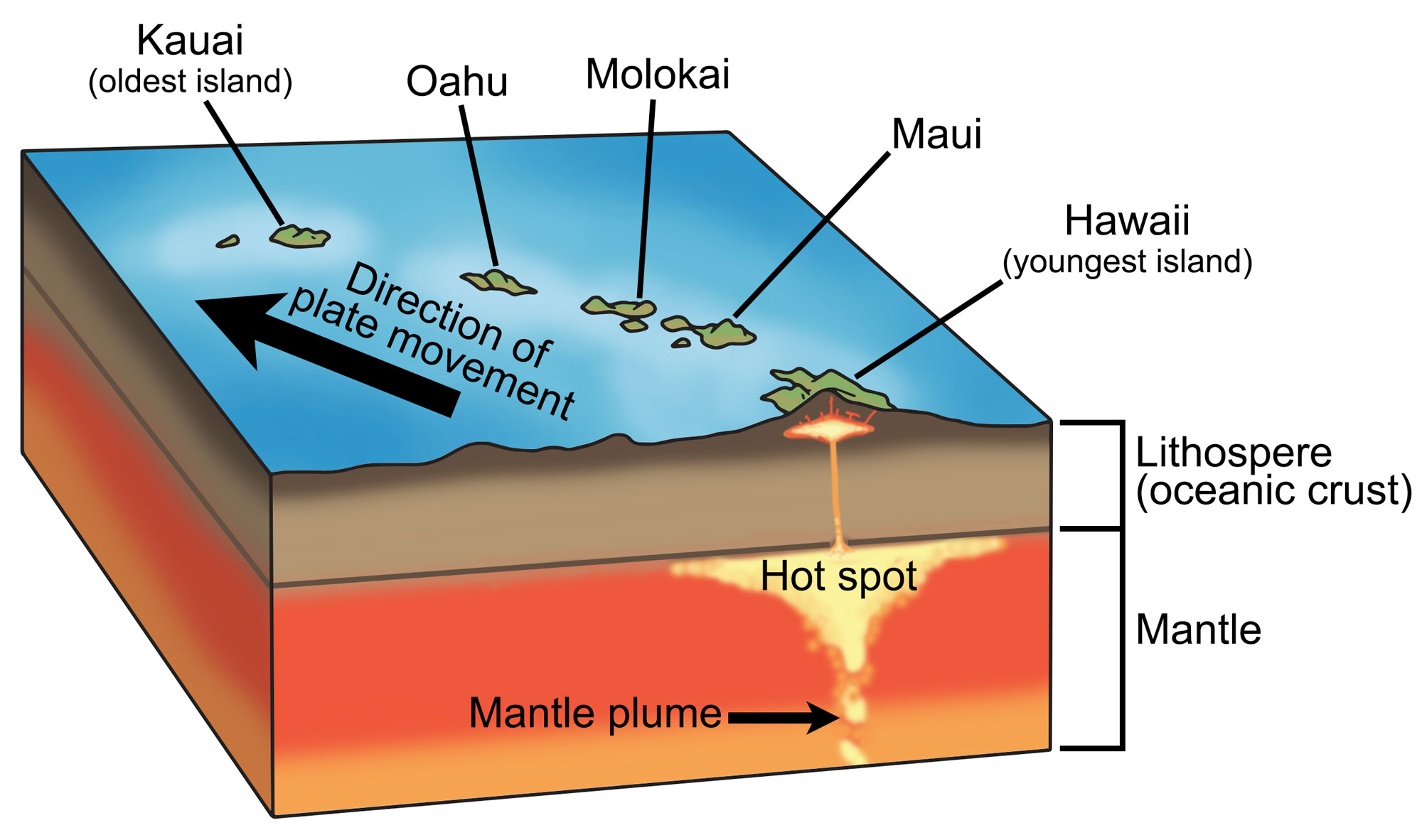
At the heart of Hawaii’s formation is the hotspot theory. This posits the existence of an unusually hot plume of magma rising from deep within the Earth’s mantle, independent of tectonic plate boundaries. Imagine a colossal, stationary blowtorch searing through the Pacific Plate – a massive section of the Earth’s crust that is constantly moving. As this plate slowly drifts over the fixed hotspot, the intense heat and molten rock from the plume melt through the crust, creating a vent for magma to erupt onto the seafloor. This continuous outpouring of lava, over countless millennia, builds up layer upon layer, eventually forming majestic underwater mountains that breach the ocean surface to become islands. The stationary nature of the hotspot, combined with the moving plate, is the crucial ingredient for the linear chain of islands we see today. The molten rock originates from a depth far greater than typical volcanic activity, bringing up primordial material that offers scientists clues about the Earth’s interior. For travelers, this means witnessing the raw power of creation, especially on the younger islands where volcanic activity is still very much alive.
A Conveyor Belt of Creation: The Pacific Plate’s Slow Dance
The Pacific Plate is one of the largest and fastest-moving tectonic plates on Earth, inching northwestward at a rate of approximately 7-10 centimeters (3-4 inches) per year – roughly the speed at which your fingernails grow. This slow but relentless movement acts like a geological conveyor belt. As an island is formed directly over the hotspot, the plate continues its journey, carrying the newly formed landmass away from the source of magma. Once an island moves off the hotspot, its primary period of volcanic growth ends. However, the hotspot, remaining stationary, continues to generate new magma, which then punches through the plate at a new location, forming the next island in the chain. This process results in a distinct age progression: the southeasternmost islands, like the Big Island of Hawaii, are the youngest and most volcanically active, while the islands further northwest, such as Kauaʻi and the distant Midway Atoll, are progressively older, more eroded, and volcanically dormant. This linear age progression is a compelling piece of evidence supporting the hotspot theory, offering a fascinating timeline of geological evolution.
The Youthful Kīlauea and Mauna Loa: Architects of the Future
On the Big Island of Hawaii, two of the world’s most active volcanoes, Kīlauea and Mauna Loa, serve as powerful reminders that the formation process is far from over. Kīlauea, often considered one of the most active volcanoes globally, has been in a near-continuous state of eruption for decades, famously reshaping the island’s coastline and offering spectacular displays of molten lava. Mauna Loa, the largest volcano on Earth by volume and mass, also contributes significantly to the Big Island’s growth. These volcanoes are still directly over the hotspot, actively adding new landmass to the island and increasing its size with each eruption. Their ongoing activity provides invaluable opportunities for scientific research and, crucially, offers visitors a rare chance to witness geological forces at work. Hawaii Volcanoes National Park is a prime example of a destination where the raw energy of creation can be experienced firsthand, with guided tours and viewing platforms providing safe access to this dynamic landscape. The continuous flow of lava creates new landscapes, from black sand beaches to hardened lava fields, constantly renewing the island’s appearance and providing fresh attractions for tourists.
From Fire to Island: The Stages of Hawaiian Island Evolution
The journey from a submarine volcanic eruption to a lush, inhabited island is a multi-stage process, each phase marked by distinct geological and ecological characteristics. The Hawaiian hotspot has been active for at least 80 million years, giving rise to the 132 islands, atolls, reefs, and shoals that stretch over 1,500 miles across the Pacific Ocean. Each island in the chain represents a different snapshot in this evolutionary timeline, allowing us to observe the full life cycle of an ocean island volcano in various stages of development and decay. This progression not only shapes the physical appearance of each island but also influences its unique ecosystems, cultural development, and ultimately, its appeal to different types of travelers.
Submarine Stage: The Birth of a Seamount
The story begins deep beneath the ocean’s surface, where the hotspot’s plume first breaches the Pacific Plate. Magma erupts onto the seafloor, solidifying into pillow lavas and building up what is known as a seamount. This underwater mountain grows steadily, sometimes to immense proportions, accumulating material from countless eruptions. The earliest stages of this submarine growth are characterized by explosive interactions between lava and seawater, creating unique volcanic rock formations. For millions of years, these seamounts remain hidden, slowly growing in the darkness, until they finally approach the surface. The largest seamount in the world, Tamū Massif, located in the northwest Pacific Ocean, offers a glimpse into the scale of these massive underwater structures that precede islands. Today, many seamounts pepper the ocean floor around Hawaii, representing future islands or the submerged remnants of ancient ones. The Lōʻihi Seamount, located southeast of the Big Island, is currently in this stage, actively growing and estimated to break the surface in tens of thousands of years, eventually becoming Hawaii’s newest island.
Shield-Building Stage: Emergence and Growth
Once a seamount grows large enough to break the ocean surface, it enters the shield-building stage, becoming a true island. This is the most active and rapid period of growth, characterized by massive, effusive eruptions of highly fluid basaltic lava. These low-viscosity flows spread out over vast distances, creating the iconic gentle slopes and broad, rounded profile characteristic of shield volcanoes. The term “shield” refers to their resemblance to a warrior’s shield lying on the ground. During this stage, an island can grow to enormous sizes, both above and below sea level. Mauna Loa on the Big Island is a prime example, dominating the landscape with its immense, smooth curves. The volcanic activity during this phase builds the primary landmass of the island, creating vast plains, gentle slopes, and initial drainage patterns. For travelers, this means exploring expansive lava fields, observing recent flows, and experiencing the fresh, raw landscapes of a newly formed landmass. The relatively young age of the Big Island makes it an ideal destination to witness these processes in action, particularly around Hilo and Kona.
Post-Shield Stage: Erosion and Diversification
As an island moves off the hotspot, its primary shield-building phase gradually wanes, and it enters the post-shield stage. Volcanic activity becomes less frequent, often characterized by more explosive eruptions of thicker, more viscous lavas, creating steeper cinder cones and smaller, localized flows atop the older shield. Simultaneously, the forces of erosion begin to play an increasingly dominant role. Rain, wind, and waves start to carve into the volcanic rock, creating dramatic valleys, rugged cliffs, and distinct topographical features. The island’s profile becomes less smooth and more intricate. Maui and Oʻahu are excellent examples of islands in this stage. Haleakalā on Maui, a dormant volcano, showcases a massive erosional crater within its summit, offering breathtaking vistas and a unique hiking experience. On Oʻahu, the iconic Diamond Head crater is a classic example of a post-shield cinder cone, now a popular hiking landmark offering panoramic views of Waikīkī and Honolulu. This stage sees the development of diverse ecosystems as soil forms and vegetation takes hold, leading to the lush, verdant landscapes for which Hawaii is famous, enriching the natural attractions for tourists.
Erosional Stage: Sculpted by Time and Nature
Further along the conveyor belt, islands enter a prolonged erosional stage, as volcanic activity ceases entirely and the forces of nature continue their relentless work. Rain and rivers carve deep canyons and valleys, while wave action creates dramatic sea cliffs and transforms shorelines. The island begins to subside slowly as it moves away from the buoyant thermal plume of the hotspot, making it more susceptible to marine erosion. Over millions of years, mountains are worn down, and the island’s landmass shrinks. Kauaʻi, often called the “Garden Isle,” is a quintessential example of an island in this advanced erosional stage. Its spectacular Waimea Canyon, known as the “Grand Canyon of the Pacific,” is a testament to the power of water and time, while its stunning Nā Pali Coast features towering sea cliffs sculpted by millennia of wave action. These deeply eroded landscapes create breathtaking scenery, perfect for scenic drives, helicopter tours, and adventurous hiking, offering a different kind of natural beauty than the raw volcanic landscapes of the younger islands. Barrier reefs often form around these older islands, creating sheltered lagoons and vibrant marine ecosystems.
Rejuvenation Stage: A Brief Resurgence of Fire
In some instances, after millions of years of dormancy and erosion, an island may experience a brief and localized resurgence of volcanic activity known as the rejuvenation stage. This late-stage volcanism is typically characterized by small-volume eruptions of alkaline lava, often forming new cinder cones or small lava flows that cap the eroded older landforms. The exact cause of this rejuvenation is still debated, but it is thought to be related to stresses on the Pacific Plate or residual magma pockets. Examples of this can be seen on Oʻahu, where volcanoes like Diamond Head and Punchbowl Crater are products of this rejuvenation phase, long after the primary shield-building of the island was complete. These younger volcanic features add another layer of geological complexity and visual interest to the islands, creating unique landmarks and hiking opportunities that contribute to Hawaii’s diverse natural attractions.
Geological Wonders and Their Impact on Hawaiian Tourism
The geological processes that forged the Hawaii Islands have endowed them with an extraordinary array of natural wonders, directly shaping the landscapes that attract millions of visitors annually. From towering volcanic peaks to dramatic coastlines and lush, fertile valleys, the islands offer a kaleidoscope of environments, each a direct consequence of their fiery birth and subsequent sculpting by natural forces. This unique geology is not merely a scientific curiosity; it is the very foundation of Hawaii’s appeal as a premier travel destination, influencing everything from the types of activities available to the local culture and the location of resorts.
Iconic Volcanic Landmarks: Peaks of Adventure and Wonder
Hawaii’s volcanoes are more than just geological features; they are magnificent landmarks that offer unparalleled opportunities for exploration and awe. On the Big Island, Mauna Kea, a dormant shield volcano, stands as the tallest mountain in the world when measured from its base on the ocean floor, hosting a world-renowned astronomical observatory at its summit. Visiting Mauna Kea for stargazing is an unforgettable experience, offering breathtaking views of the cosmos from above the clouds. Mauna Loa and Kīlauea, both active, draw visitors to Hawaii Volcanoes National Park where they can witness the dynamic forces of creation. On Maui, the vast crater of Haleakalā offers stunning sunrise views, a surreal landscape for hiking, and a sense of profound isolation. And on Oʻahu, the hike up Diamond Head rewards travelers with panoramic views of Waikīkī and the Honolulu coastline. These volcanic landmarks are not just scenic backdrops; they are destinations in themselves, providing unique adventures for every type of traveler.
Diverse Landscapes for Exploration: A Geologist’s Playground
The age progression of the islands, from the raw, volcanic landscapes of the Big Island to the deeply eroded, verdant canyons of Kauaʻi, creates an incredible diversity of environments within a relatively small geographical area. On the Big Island, visitors can explore stark lava fields, black and green sand beaches formed from volcanic minerals, and even snow-capped peaks. Maui boasts the otherworldly landscape of Haleakalā’s crater contrasting with its lush Hana Highway and vibrant coral reefs. Oʻahu combines urban sophistication with iconic surf breaks, historical sites, and the dramatic Koʻolau Mountains. Kauaʻi offers the spectacular Waimea Canyon and the majestic Nā Pali Coast, accessible by boat or helicopter, revealing a tapestry of deep valleys and towering cliffs. This geological diversity translates into an unparalleled range of activities: from hiking and mountain biking on volcanic trails to snorkeling and scuba diving in coral gardens thriving on submerged lava flows, from kayaking through sea caves to simply relaxing on a beach whose sand color tells a story of volcanic origin.
The Youngest and Oldest Islands: A Journey Through Time
The distinct characteristics of the young vs. old islands cater to different lifestyle and travel preferences. The Big Island, with its active volcanoes and ongoing creation, appeals to adventurous souls seeking raw natural power and cutting-edge ecological exploration. Hotels and accommodation options often focus on eco-tourism and providing access to geological wonders. For example, staying at the Volcano House offers direct views into Kīlauea’s caldera. Maui strikes a balance, offering a mix of volcanic landmarks with established tourism infrastructure, luxury resorts, and diverse attractions like Kaʻanapali Beach. Oʻahu, being older and more developed, is a hub for culture, history, shopping, and vibrant city life around Honolulu and Waikīkī, while still retaining iconic natural features like Diamond Head. Kauaʻi, the oldest of the main islands, captivates with its lush, ancient landscapes, perfect for nature lovers seeking serene beauty and dramatic vistas, often preferring boutique villas or apartments over large resorts. This geological timeline ensures that whether you’re a budget traveler or seeking luxury travel, a family trip or a solo adventure, there’s an island and an experience tailor-made for you within the Hawaiian archipelago. The unique geology of each island dictates its inherent attractions, ensuring a diverse range of destinations and guides throughout the chain.
Experiencing Hawaii’s Living Geology: Travel Tips and Attractions
For anyone planning a trip to Hawaii, understanding its geological foundations isn’t just about academic curiosity; it’s about unlocking a richer, more profound travel experience. The islands are a living testament to the Earth’s dynamic processes, offering tangible connections to the forces that shaped our planet. Integrating this knowledge into your travel itinerary will transform your visit into an unforgettable journey through geological time, replete with unique attractions and invaluable tips for exploration.
Visiting Hawaii Volcanoes National Park: A Journey to the Earth’s Core
No exploration of Hawaii’s geological story is complete without a visit to Hawaii Volcanoes National Park on the Big Island. This is where the Earth is actively creating new land, offering a rare opportunity to witness active volcanism. Key attractions include the Kīlauea Visitor Center for up-to-date information on eruptions and viewing conditions, and the Crater Rim Drive which offers access to various overlooks and hiking trails. The Chain of Craters Road descends over 3,000 feet to the coast, revealing dramatic lava fields, steam vents, and sometimes, active lava flows. It’s crucial to follow all National Park Service guidelines, stay on marked trails, and heed all warnings regarding gas hazards. Wear sturdy shoes, bring plenty of water, and consider booking a guided tour for deeper insights into the geology and local culture surrounding these sacred sites. Even without visible lava flows, the sheer scale of the caldera, the steam rising from vents, and the stark, new landscapes forged by recent eruptions provide a humbling experience of planetary power. The park offers diverse accommodation options, from the historic Volcano House to numerous vacation rentals in the nearby Volcano Village.
Beyond the Lava Flows: Discovering Diverse Geological Attractions
While active volcanoes steal much of the spotlight, Hawaii’s geology has sculpted an incredible array of other landmarks and attractions across all the islands. On Maui, a sunrise visit to Haleakalā National Park allows you to stand within an immense erosional crater often described as a Martian landscape, a stark contrast to the lush Rainforests found along the scenic Hana Highway, which itself traces the winding coastline shaped by ancient lava flows and erosion. Oʻahu offers the iconic hike up Diamond Head, a volcanic tuff cone formed during the rejuvenation stage, providing unparalleled views of Waikīkī Beach and Honolulu. The island’s dramatic cliffs and valleys are perfect for adventure activities like ziplining or ATV tours. On Kauaʻi, the Grand Canyon of the Pacific, Waimea Canyon, showcases millions of years of erosion, creating breathtaking vistas and numerous hiking trails. The majestic Nā Pali Coast, with its towering sea cliffs and hidden beaches, is best explored by boat tour or helicopter, revealing inaccessible wonders forged by geological processes. Don’t forget the unique black sand beaches found on the Big Island (like Punaluʻu Black Sand Beach) and Maui, formed when hot lava rapidly cools upon contact with seawater, shattering into fine particles.

Accommodation and Lifestyle Considerations: Respecting the Land
The unique geology of Hawaii deeply influences the accommodation landscape and overall lifestyle presented to visitors. Many resorts and hotels are strategically located to offer stunning views of volcanic landscapes, cliffs, or beaches formed by ancient lava flows. For example, luxury resorts like the Four Seasons Resort Hualalai on the Big Island integrate the natural lava rock into their design, creating a seamless blend with the environment. When choosing your stay, consider what aspect of Hawaii’s geology you wish to explore. If active volcanism is your focus, booking a hotel or villa near Hawaii Volcanoes National Park on the Big Island is ideal. For those drawn to lush, eroded landscapes and ancient beauty, accommodation on Kauaʻi or Maui might be more suitable. Regardless of where you stay, embracing sustainable tourism practices is paramount. Respect the ʻāina (the land), adhere to conservation efforts, and leave no trace. This appreciation for Hawaii’s geological heritage not only enriches your own journey but also helps preserve these extraordinary islands for future generations of travelers to marvel at their ongoing formation and timeless beauty.
The Hawaii Islands are far more than just pretty pictures on a postcard; they are a profound testament to the Earth’s enduring power and creativity. From the fiery depths of the stationary hotspot to the slow, steady march of the Pacific Plate, each island represents a unique chapter in a geological epic spanning millions of years. This incredible origin story has blessed Hawaii with an unparalleled diversity of landscapes, from the raw, ever-changing volcanic terrains of the Big Island to the ancient, deeply carved canyons of Kauaʻi. For travelers, this geological foundation translates into a boundless array of experiences, whether it’s witnessing the birth of new land in Hawaii Volcanoes National Park, stargazing from the summit of Mauna Kea, or hiking through the breathtaking Waimea Canyon. Understanding “How Hawaii Islands Were Formed?” not only provides context to their stunning beauty but also enhances every aspect of tourism, from choosing the perfect accommodation to selecting exhilarating activities. It fosters a deeper connection to the land and a greater appreciation for the delicate balance between nature's immense forces and the vibrant life they sustain. As the Pacific Plate continues its journey, Hawaii remains a dynamic, evolving paradise, forever inviting us to explore its profound geological legacy.