
Embarking on a journey from the bustling streets of [San Francisco], [California], to the serene, sun-drenched shores of [Hawaii] is a dream for many. This iconic Pacific crossing promises an escape to an island paradise, but before you can dip your toes in the warm waters of [Waikiki Beach] or explore the lush trails of [Maui], there’s one fundamental question every traveler asks: “How long is the flight?” Understanding the duration, what influences it, and how to best prepare for this aerial adventure is key to a smooth and enjoyable start to your Hawaiian vacation.
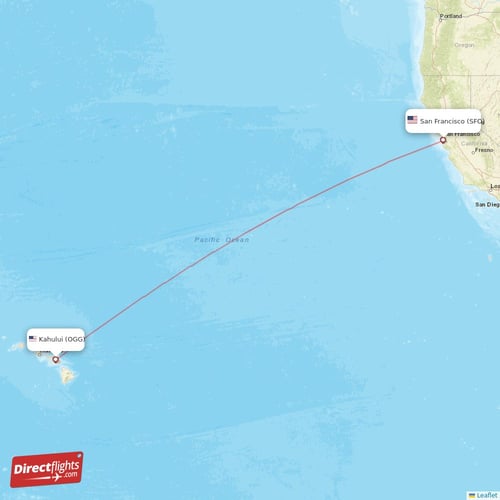
This comprehensive guide will not only pinpoint the average flight times from [San Francisco] to the various islands of [Hawaii] but also delve into the factors that can affect your journey. We’ll explore the main airports, offer insights into major airlines serving this popular route, and provide valuable tips to make your travel as comfortable and stress-free as possible. Beyond the logistics of the flight itself, we’ll connect this crucial travel detail to the broader experience of planning your dream island getaway, touching upon accommodation, local culture, and maximizing your time in this tropical haven.
Understanding Flight Durations: San Francisco to the Hawaiian Islands
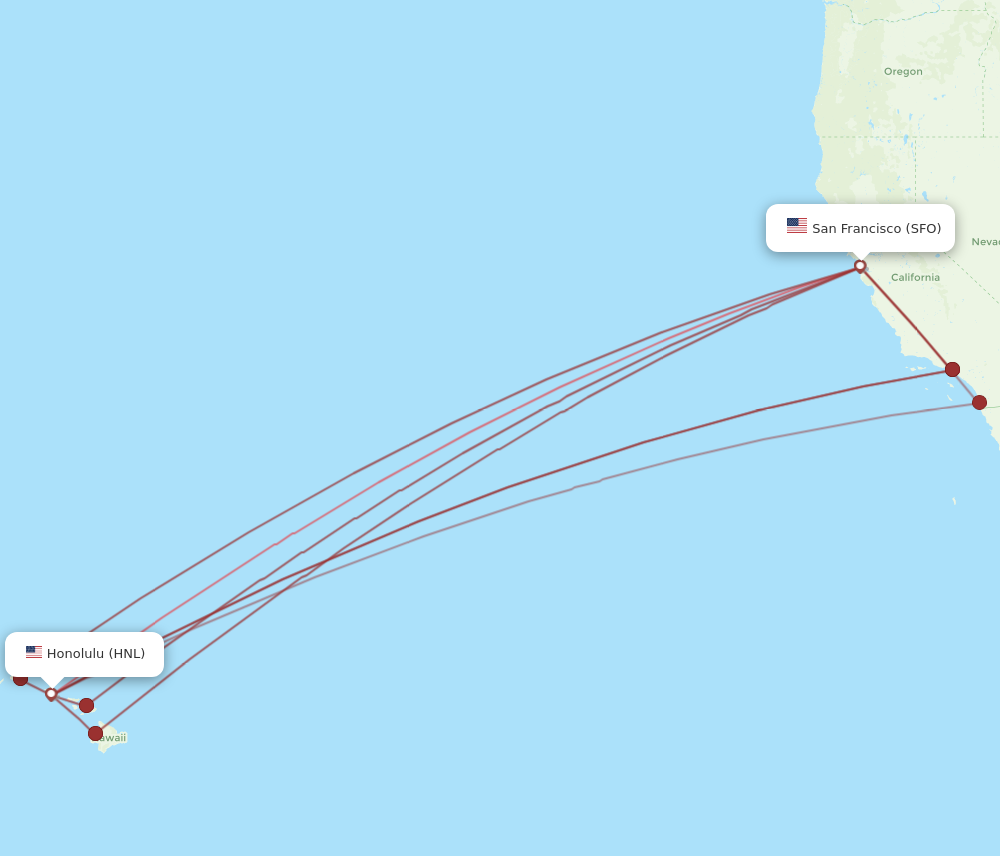
The flight from San Francisco to [Hawaii] is a significant trans-Pacific journey, typically clocking in at around 5 to 6 hours for a direct flight. However, the exact duration can vary based on several factors, including the specific Hawaiian island you’re flying to, the type of aircraft, prevailing winds, and the airline. Most flights depart from San Francisco International Airport, a major hub offering numerous daily connections to the Aloha State.
Direct Flights: Your Quickest Route to Paradise
For most travelers, a direct flight is the preferred option for its efficiency and convenience. These non-stop journeys eliminate layovers, significantly reducing overall travel time.
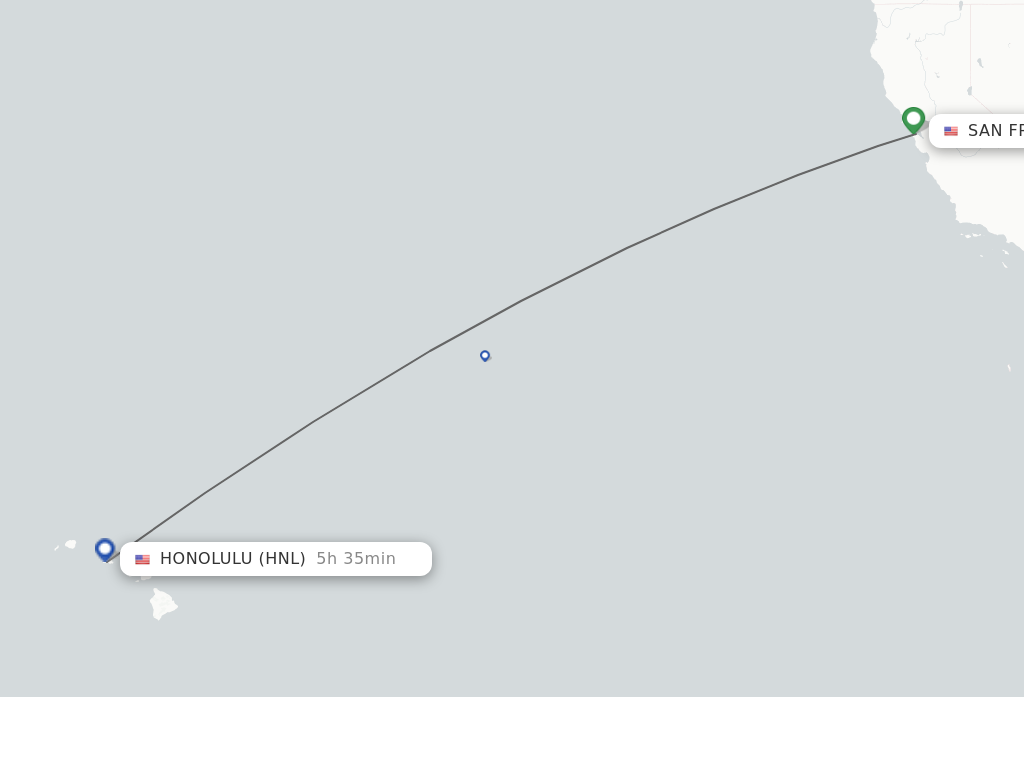
- To [Honolulu], [Oahu] ([Daniel K. Inouye International Airport] – [HNL]): This is the most common and often quickest route. A direct flight from [San Francisco International Airport] to [Daniel K. Inouye International Airport] typically ranges from 5 hours and 20 minutes to 5 hours and 45 minutes. [Honolulu] is the capital city and the gateway to [Oahu]’s vibrant culture, iconic surf spots, and historical landmarks like [Pearl Harbor] and [Diamond Head].
- To [Kahului], [Maui] ([Kahului Airport] – [OGG]): Flights to the “Valley Isle” of [Maui] are also very popular. Expect a direct flight from [San Francisco International Airport] to [Kahului Airport] to take approximately 5 hours and 30 minutes to 5 hours and 55 minutes. [Maui] is renowned for its stunning beaches, the scenic [Road to Hana], and the majestic sunrise from [Haleakala National Park].
- To [Kona], [Big Island] ([Ellison Onizuka Kona International Airport at Keahole] – [KOA]): Traveling to the west side of [Hawaii Island] (often called the [Big Island]) typically takes around 5 hours and 45 minutes to 6 hours and 15 minutes. [Kona] offers access to coffee plantations, pristine snorkeling spots, and the vibrant marine life of the [Kona] Coast.
- To [Lihue], [Kauai] ([Lihue Airport] – [LIH]): The “Garden Isle” of [Kauai] is a slightly longer journey due to its westward position. Direct flights from [San Francisco International Airport] to [Lihue Airport] usually last between 5 hours and 50 minutes to 6 hours and 20 minutes. [Kauai] is famous for its dramatic [Na Pali Coast], the expansive [Waimea Canyon], and lush tropical landscapes.
- To [Hilo], [Big Island] ([Hilo International Airport] – [ITO]): While less common for direct flights from [San Francisco], some airlines may offer service to [Hilo International Airport] on the east side of the [Big Island]. These flights are comparable to [Kona] in duration, perhaps slightly shorter depending on the flight path, around 5 hours and 40 minutes to 6 hours. [Hilo] provides access to the active volcano [Kilauea] and the verdant waterfalls of the island’s rainy side.
Factors Influencing Flight Time
While average times provide a good estimate, several elements can subtly adjust your flight duration:
- Headwinds/Tailwinds: Air currents, particularly the jet stream, play a significant role. Flights traveling westward (towards [Hawaii]) often face headwinds, which can add 15-30 minutes to the journey. Conversely, eastbound flights (returning to [San Francisco]) usually benefit from tailwinds, making the return trip slightly shorter.
- Aircraft Type: Modern aircraft, such as the Boeing 787 Dreamliner or Airbus A330, are designed for fuel efficiency and can maintain higher cruising speeds, potentially shaving a few minutes off the journey compared to older models.
- Air Traffic Control: Delays at departure or arrival airports due to air traffic congestion can, in rare cases, extend ground time or require holding patterns in the air.
- Specific Flight Path: Minor variations in flight paths, dictated by air traffic control or weather avoidance, can lead to slight differences in total airtime.
Time Zone Changes and Jet Lag
[Hawaii] observes [Hawaii] Standard Time ([HST]), which does not follow daylight saving. This means during the standard time period (roughly November to March), [Hawaii] is 2 hours behind Pacific Standard Time and 3 hours behind Pacific Daylight Time during daylight saving (roughly March to November).When flying from [San Francisco], you’ll “gain” time on the clock, as you travel backward through time zones. While this can feel beneficial initially, especially with an early morning arrival, the change can still induce mild jet lag. The 5-6 hour flight length makes it manageable, but preparing for the time difference is essential. Hydration, strategic napping, and immediate adaptation to local time upon arrival are excellent strategies to minimize its effects and fully enjoy your Hawaiian vacation from the moment you land.
Planning Your Hawaiian Getaway: Beyond the Flight
Knowing the flight duration is just the first step in crafting your perfect Hawaiian experience. The website’s core topics – Travel, Hotels, Tourism, Accommodation, Landmarks, and Lifestyle – all interweave to create a holistic travel plan.
Travel Logistics: Booking Your Journey
Choosing the right airline and booking your flights at an optimal time can significantly impact your budget and travel experience. Several major airlines offer direct flights from [San Francisco International Airport] to various Hawaiian islands:
- [United Airlines]: Often has a strong presence at [San Francisco International Airport] and offers multiple daily flights to [Honolulu], [Maui], [Kona], and [Lihue].
- [Hawaiian Airlines]: As [Hawaii]’s flag carrier, it provides an authentic island experience from the moment you step on board, with flights to all major Hawaiian airports.
- [Alaska Airlines]: A popular choice for West Coast travelers, offering competitive fares and good service to the islands.
- [Southwest Airlines]: Has expanded its service to [Hawaii] in recent years, often providing good value options.
- [Delta Air Lines]: Also offers routes from [San Francisco] to [Hawaii], particularly [Honolulu] and [Maui].
Tips for Booking:
- Flexibility: If your travel dates are flexible, you can often find better deals by flying mid-week or during the shoulder seasons (spring and fall).
- Book in Advance: Especially for peak travel times (holidays, summer), booking several months ahead can secure better prices.
- Consider Bundles: Sometimes, booking flight and accommodation packages together can offer savings.
- Loyalty Programs: Utilize frequent flyer miles or airline loyalty programs for upgrades or discounted tickets.
Accommodation: Finding Your Island Home
Once your flights are secured, the next major decision is where to stay. [Hawaii] offers an incredibly diverse range of accommodation options to suit every preference and budget, aligning perfectly with the “Hotels” and “Accommodation” aspects of our website.
- Luxury Resorts: For those seeking an opulent experience, islands like [Maui] and [Kauai] boast world-class resorts such as the [Four Seasons Resort Maui at Wailea] or the [Grand Hyatt Kauai Resort & Spa]. These establishments typically feature stunning beachfront locations, multiple pools, fine dining, and extensive amenities like spas and golf courses, embodying the “Luxury Travel” aspect of “Lifestyle.”
- Boutique Hotels: Smaller, often locally-owned hotels provide a more intimate and personalized experience, focusing on unique design and local charm.
- Apartments and Villas: Ideal for families or longer stays, these options offer more space, privacy, and often self-catering facilities, like those found through vacation rental platforms. This can be a great way to experience a “Long-term Stay” and immerse yourself in the local culture.
- Budget-Friendly Options: While [Hawaii] can be expensive, hostels, guesthouses, and some chain hotels outside the main resort areas offer more economical choices, catering to “Budget Travel.”
- Unique Stays: Consider eco-lodges, treehouses, or even glamping for an unconventional and memorable experience.
When researching accommodation, pay attention to the location (beachfront, city center, remote retreat), amenities (pool, kitchen, fitness center), and reviews to ensure it meets your expectations.
Tourism and Local Culture: Immersion in Aloha Spirit
Beyond lounging on the beach, [Hawaii] offers a rich tapestry of experiences that celebrate its unique history, culture, and natural beauty, perfectly aligning with our “Tourism” and “Local Culture” themes.
- [Oahu]: Explore the historical significance of [Pearl Harbor], learn to surf in [Waikiki], hike to the top of [Diamond Head] for panoramic views, or experience a traditional luau. The capital, [Honolulu], is a hub of activity, combining urban sophistication with island charm.
- [Maui]: Drive the iconic [Road to Hana], witness a breathtaking sunrise from [Haleakala National Park], snorkel at [Molokini Crater], or simply relax on the golden sands of [Ka’anapali Beach]. [Maui] offers a blend of adventure and relaxation.
- [Kauai]: Discover the dramatic cliffs of the [Na Pali Coast] by boat or helicopter, explore the “Grand Canyon of the Pacific” at [Waimea Canyon], or wander through the lush botanical gardens. [Kauai] is an adventurer’s paradise.
- [Big Island] ([Hawaii Island]): Witness the power of nature at [Hawaii Volcanoes National Park], explore black sand beaches, snorkel with manta rays, or stargaze from the summit of [Mauna Kea]. The [Big Island] truly lives up to its name with diverse landscapes.
Engage with local food – try poke, shave ice, or a plate lunch. Attend cultural performances, visit local markets, and learn a few basic Hawaiian phrases to truly connect with the “Aloha Spirit.”
Landmarks and Activities: Iconic Sights and Experiences
[Hawaii] is dotted with countless natural and historical landmarks, each telling a part of the islands’ story. From geological wonders to sites of profound cultural importance, these attractions form the backbone of any Hawaiian itinerary.- Historical Landmarks: [Pearl Harbor] on [Oahu] stands as a poignant reminder of World War II, offering a profound educational experience. The ancient Hawaiian temples (heiau) found across the islands provide insight into the indigenous culture and spirituality.
- Natural Wonders: The volcanic landscapes of [Hawaii Volcanoes National Park] on the [Big Island], the towering sea cliffs of the [Na Pali Coast] on [Kauai], and the dormant volcano of [Haleakala] on [Maui] are all testaments to the islands’ dramatic geological formation and ecological diversity.
- Beaches: Beyond specific landmarks, [Hawaii]’s beaches are world-renowned. Waikiki Beach, Ka’anapali Beach, and Poipu Beach offer pristine sands, crystal-clear waters, and a plethora of water activities from surfing and snorkeling to paddleboarding.
- Unique Architecture: While not as prominent as historical or natural landmarks, some of the older resorts and structures in areas like Lahaina or [Honolulu] retain charming architectural elements that reflect the islands’ plantation era and colonial influences.
Integrating these landmarks into your itinerary will enrich your understanding and appreciation of [Hawaii]’s multifaceted appeal.
Making the Most of Your Journey
A flight to [Hawaii], while relatively short for a trans-oceanic journey, still requires some preparation to ensure maximum comfort and enjoyment.
Preparing for a Comfortable Flight
- Choose Your Seat Wisely: If possible, select a window seat for stunning views as you approach the islands or an aisle seat for easy access. Consider upgrading to extra legroom or premium economy for enhanced comfort on longer flights.
- Dress in Layers: Airplane cabins can fluctuate in temperature. Wearing comfortable layers allows you to adjust easily.
- Stay Hydrated: Drink plenty of water before and during the flight to combat dehydration, which can exacerbate jet lag.
- Bring Entertainment: Load up your devices with movies, TV shows, podcasts, or e-books. Many airlines offer in-flight entertainment, but having your own backup is always a good idea.
- Snacks: Pack some healthy snacks to avoid reliance on airline food or expensive airport options.
- Movement: Get up and move around the cabin every hour or two to promote circulation, especially if you’re prone to stiffness.
- Neck Pillow and Eye Mask: Essential for catching some restful sleep or simply relaxing during the flight.
Arriving in Paradise: Smooth Transitions
Upon arrival in [Hawaii], a few considerations will help you transition smoothly from the plane to island time:
- Ground Transportation: Pre-book airport transfers, arrange for a rental car, or research public transportation options (if available and suitable for your luggage) to avoid delays.
- Adjusting to Time Zones: Try to adjust to local time immediately. If you arrive in the morning, resist the urge to nap for too long. Get out, explore, and let the sunshine help reset your body clock.
- Inter-Island Travel: If your itinerary includes multiple islands, remember that inter-island flights are common and relatively short (20-45 minutes). [Hawaiian Airlines] and [Southwest Airlines] are the main carriers for these hops. Factor in check-in and security times, even for short flights.
- Respect Local Customs: Embrace the local culture. Learn about the ‘Aloha’ spirit, which encompasses love, peace, and compassion. Be mindful of sacred sites, marine life, and local traditions.
Conclusion: Your Hawaiian Adventure Awaits
The flight from [San Francisco] to [Hawaii] is more than just a duration of 5 to 6 hours; it’s the bridge to an unforgettable adventure. By understanding the specifics of your flight, preparing for the journey, and thoughtfully planning your island experience, you ensure that every moment, from takeoff to touchdown and beyond, contributes to the magic of your Hawaiian getaway. Whether you’re seeking vibrant city life, serene beaches, thrilling outdoor adventures, or a luxurious escape, [Hawaii] offers an abundance of experiences. So pack your bags, prepare for the time difference, and get ready to trade the Golden Gate for the golden shores. The Aloha State is calling, and your perfect island vacation is just a few hours away.
LifeOutOfTheBox is a participant in the Amazon Services LLC Associates Program, an affiliate advertising program designed to provide a means for sites to earn advertising fees by advertising and linking to Amazon.com. Amazon, the Amazon logo, AmazonSupply, and the AmazonSupply logo are trademarks of Amazon.com, Inc. or its affiliates. As an Amazon Associate we earn affiliate commissions from qualifying purchases.