
The allure of the Hawaiian Islands beckons travelers from around the globe, offering a mesmerizing escape into a world of pristine beaches, lush landscapes, and vibrant culture. For many, the journey begins in Los Angeles, a major hub on the West Coast of the United States. A common and crucial question for prospective travelers planning their dream vacation is, “How long is the flight from Los Angeles to Hawaii?” Understanding this journey is the first step in orchestrating a seamless and enjoyable travel experience, setting the stage for everything from flight bookings to accommodation choices and activity planning.

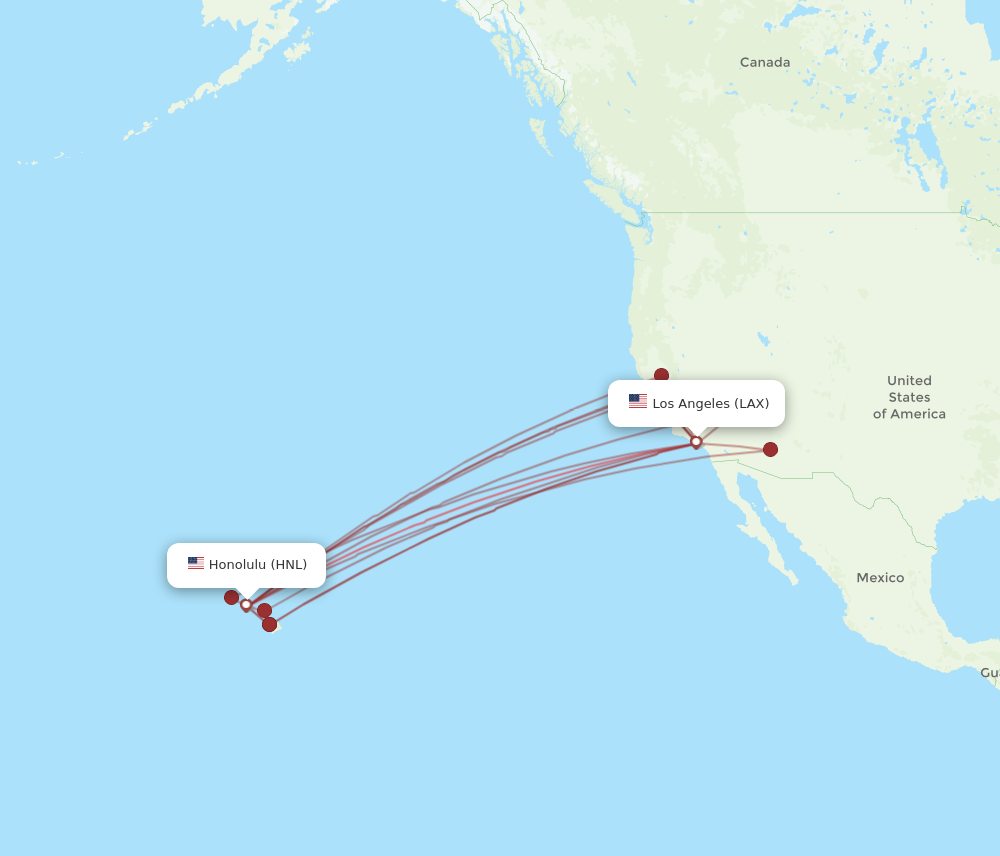
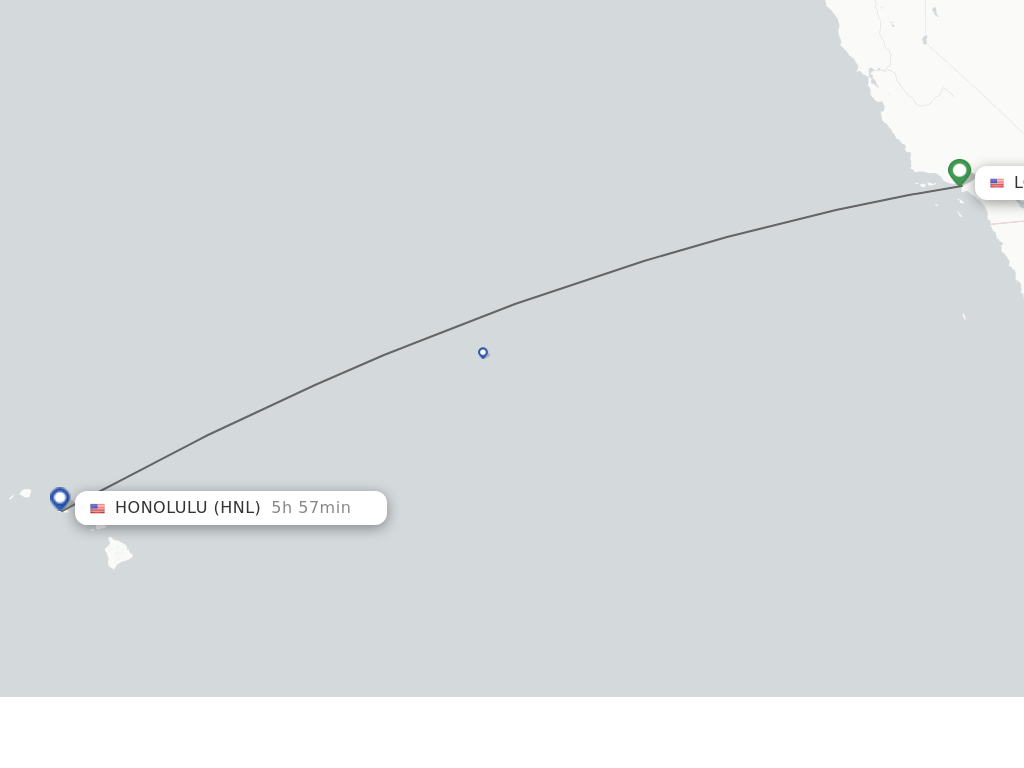
The direct flight from Los Angeles to Hawaii typically spans between 5 to 6 hours. This duration can vary slightly depending on the specific Hawaiian island you’re flying to, the type of aircraft, prevailing wind conditions, and the exact departure and arrival airports. This guide will delve into the intricacies of this popular route, offering a comprehensive overview that extends beyond mere flight times, touching upon essential travel planning aspects, accommodation insights, and how to maximize your overall Hawaiian adventure.
Understanding the Journey: Flight Duration and Factors
Embarking on a journey across the Pacific requires a clear understanding of the logistics involved. While the 5-6 hour flight time is a good benchmark, several elements can influence the precise duration, making it wise to consider them when finalizing your travel itinerary.
Direct Flights vs. Layovers
The most straightforward way to reach Hawaii from Los Angeles is via a direct flight. Numerous major airlines operate daily direct services from Los Angeles International Airport (LAX) to various Hawaiian islands. These direct flights are undoubtedly the most convenient, minimizing travel time and reducing the chances of delays associated with connecting flights. Airlines such as United Airlines, Delta Air Lines, American Airlines, Southwest Airlines, and Hawaiian Airlines are prominent carriers on this route, offering a range of options from economy to first class.
While direct flights are preferred, travelers might occasionally encounter itineraries with layovers, especially if booking during peak seasons or seeking specific fare deals. Layovers typically occur in other West Coast cities, which can significantly extend the overall travel time, sometimes pushing it to 8-10 hours or more. For a journey to Hawaii, a direct flight is almost always recommended for comfort and efficiency, aligning with a luxury travel or family trip lifestyle where convenience is key.
Factors Influencing Flight Time
Several variables contribute to the slight fluctuations in flight duration:
- Specific Destination Island: The Hawaiian archipelago comprises several popular islands, each with its own major airport. Flying to Oahu (Honolulu) might be marginally shorter than flying to Kauai or the Big Island (Kona) due to geographical positioning relative to Los Angeles.
- Aircraft Type: Modern aircraft like the Boeing 787 Dreamliner or Airbus A330, often used for trans-Pacific routes, are designed for efficiency and speed. The specific model flown by an airline can slightly impact the cruising speed and thus the overall flight duration.
- Wind Conditions: One of the most significant factors is prevailing wind patterns. Flights heading westward from Los Angeles to Hawaii often contend with headwinds, which can add 15-30 minutes to the journey. Conversely, return flights eastward frequently benefit from tailwinds, potentially shortening the flight to around 4.5-5 hours.
- Air Traffic Control: While less common for such long-haul flights, air traffic control delays, especially during departure from a busy airport like LAX, can add to the total travel time.
The Major Airports Involved
Your journey will almost certainly begin at Los Angeles International Airport (LAX), one of the busiest airports in the world. LAX serves as a critical gateway to international and domestic destinations, offering a vast array of services, lounges, and dining options. Its extensive connectivity makes it a prime departure point for flights to Hawaii.
Upon arrival in Hawaii, you will land at one of several major international airports, depending on your chosen island destination:
- Daniel K. Inouye International Airport (HNL) on Oahu: Located in Honolulu, this is the largest and busiest airport in Hawaii, serving as the primary entry point for most visitors. It’s the gateway to iconic spots like Waikiki Beach and historical landmarks such as Pearl Harbor.
- Kahului Airport (OGG) on Maui: The main airport for Maui, known for its stunning beaches, the scenic Road to Hana, and the majestic Haleakala National Park.
- Kona International Airport (KOA) on the Big Island: Serving the western side of the Big Island, this airport is convenient for exploring the coffee plantations, volcanic landscapes, and diverse climate zones of Hawaii’s largest island.
- Lihue Airport (LIH) on Kauai: The primary airport for the “Garden Isle,” Kauai, offering access to dramatic cliffs like the Na Pali Coast and lush tropical rainforests.
Preparing for Your Hawaiian Adventure: Pre-Flight Essentials
A successful trip to Hawaii involves more than just booking a flight. Thoughtful planning, especially regarding your chosen island and accommodation, can significantly enhance your travel experience and align with your desired lifestyle, whether that’s a luxury escape, a budget-friendly adventure, or a memorable family trip.
Choosing Your Hawaiian Island Destination
Each Hawaiian island offers a distinct personality and range of experiences. Your choice will influence everything from the length of your flight to the activities available and the overall atmosphere of your vacation.
- Oahu: Ideal for first-time visitors and those seeking a blend of city life, history, and beautiful beaches. Honolulu and Waikiki Beach offer a bustling urban environment with world-class dining, shopping, and iconic landmarks like Diamond Head and Pearl Harbor.
- Maui: Perfect for romance, adventure, and luxury travelers. Maui boasts stunning resorts, incredible snorkeling, surfing, and the breathtaking sunrise from Haleakala National Park. Kaanapali Beach is a highlight for many.
- Kauai: The “Garden Isle” appeals to nature lovers and those seeking tranquility and outdoor adventure. Its dramatic cliffs, lush valleys, and the majestic Na Pali Coast are best explored by hiking, helicopter tours, or boat trips.
- Big Island: Offers incredible diversity, from active volcanoes at Hawaii Volcanoes National Park to black sand beaches, coffee farms, and stargazing. It’s an excellent choice for explorers and those interested in geological wonders.
Considering the unique attractions and ambiance of each island is crucial to tailoring your trip to your preferences, from the local culture and food to specific activities and tips for enjoying them.
Booking Your Flight and Accommodation
Once your island choice is made, the next step is booking your travel. For flights from Los Angeles to Hawaii, it’s advisable to book well in advance, especially if you’re traveling during peak seasons like summer, holidays, or school breaks. Flexing your travel dates by a few days can often yield significant savings. Utilize flight comparison websites and consider direct bookings with airlines like Hawaiian Airlines for potentially better package deals.
Accommodation is equally vital. Hawaii offers a spectrum of lodging options, from lavish five-star resorts to charming boutique hotels, vacation rentals, and budget-friendly apartments. Researching reviews, comparing amenities, and understanding the location relative to your planned activities will ensure you find the perfect fit. Many travelers opt for resorts that cater to specific needs, such as family-friendly properties with kids’ clubs or adults-only retreats. Booking accommodation in conjunction with your flight can sometimes unlock discounts.
Packing Smart for Paradise
Packing for Hawaii is relatively straightforward: think light, breathable clothing, swimwear, and comfortable sandals or walking shoes. However, don’t forget essentials like reef-safe sunscreen, a wide-brimmed hat, sunglasses, and insect repellent, especially if you plan on exploring lush natural areas. If you’re visiting Maui’s Haleakala National Park for sunrise, warm layers are a must, as temperatures at the summit can be surprisingly cold. A reusable water bottle is also a good idea to stay hydrated and minimize plastic waste, supporting sustainable tourism practices.
Enhancing Your Travel Experience: Onboard and Beyond
The journey to Hawaii is part of the adventure. Making the most of your flight and understanding what to expect upon arrival can smooth your transition into island time.
Making the Most of Your Flight
A 5-6 hour flight is long enough to warrant some in-flight preparation. Most major airlines offer personal entertainment systems with movies, TV shows, and music. Bring your own noise-canceling headphones for a more immersive experience. Staying hydrated by drinking plenty of water and moving around the cabin periodically can help prevent discomfort. Consider wearing compression socks to aid circulation.
Adjusting to the time difference is also key. Hawaii operates on Hawaii Standard Time (HST), which is 2 or 3 hours behind Pacific Daylight Time (PDT), depending on the time of year. Try to adjust your sleep schedule to Hawaiian time a day or two before your flight to minimize jet lag. Upon arrival, embrace the local time by staying awake until evening and getting natural light exposure.
Arrival in Hawaii: What to Expect
Upon landing at your chosen Hawaiian airport, you’ll be greeted by the warm, humid air and often the scent of plumeria. The arrival process is generally smooth, though rental car pick-up lines can sometimes be long during peak times. It’s highly recommended to book a rental car in advance, especially on islands like Maui and the Big Island, where public transportation is limited. For Oahu, particularly in the Waikiki area, ride-sharing services, taxis, and public buses are readily available.
Many resorts offer shuttle services, and pre-arranged airport transfers are a convenient option if you prefer not to drive immediately. The initial impressions of Hawaii are often striking – the vibrant colors, the relaxed pace, and the genuine aloha spirit that permeates the islands.
Exploring Hawaiian Tourism and Lifestyle
Hawaii is a treasure trove of experiences, catering to every type of traveler. From exploring local culture and indulging in diverse food experiences to engaging in thrilling activities and uncovering historical landmarks, the islands offer an unparalleled journey.
- Local Culture: Immerse yourself in the rich Polynesian heritage through hula shows, luaus, and visits to cultural centers. Learn about the significance of aloha and mālama aina (care for the land).
- Food: Sample fresh poke, kalua pig, shave ice, and tropical fruits. Explore farmer’s markets and local eateries for authentic Hawaiian and fusion cuisine.
- Activities: Hawaii is an outdoor playground. Surf the waves of the North Shore of Oahu, snorkel with vibrant marine life in Maui’s Molokini Crater, hike through Kauai’s Waimea Canyon, or witness molten lava flow on the Big Island.
- Landmarks: Beyond the natural beauty, explore historical sites like Pearl Harbor, architectural wonders in Honolulu, and the ancient fishponds scattered across the islands.
- Lifestyle: Whether you’re seeking luxury travel with private villas and gourmet dining, or budget travel by staying in hostels and enjoying free beach activities, Hawaii accommodates all. Family trips thrive with kid-friendly resorts and attractions, while business stays can combine work with stunning backdrops.
Accommodation Deep Dive: From Luxury Resorts to Budget Stays
Your choice of accommodation plays a pivotal role in defining your Hawaiian experience. The islands boast an impressive array of options, designed to cater to diverse preferences, budgets, and travel styles.
Popular Hotel Brands and Resorts
For those seeking unparalleled luxury and full-service amenities, Hawaii is home to world-renowned hotel brands and opulent resorts. Brands like Four Seasons and Ritz-Carlton offer exquisite suites, pristine pools, award-winning spas, and exceptional dining experiences, often situated in prime beachfront locations. The Hilton Hawaiian Village Waikiki Beach Resort on Oahu is a landmark in itself, a sprawling property offering a lagoon, multiple pools, and an array of shops and restaurants. On Kauai, the Grand Hyatt Kauai Resort & Spa provides a lush, expansive setting with fantastic amenities. For families, properties like Aulani, A Disney Resort & Spa on Oahu combine Hawaiian culture with beloved Disney magic. These resorts often serve as destinations in themselves, providing endless opportunities for relaxation and entertainment.
Beyond Hotels: Villas, Apartments, and Long-Term Options
While traditional hotels and resorts are popular, Hawaii also offers a wide selection of alternative accommodations that cater to different needs:
- Villas: For privacy, space, and a home-away-from-home feel, luxury villas are an excellent choice, particularly for larger groups or extended family trips. Many come with private pools, fully equipped kitchens, and stunning ocean views.
- Apartments and Condos: Vacation rentals, often managed through platforms like Airbnb or VRBO, provide an opportunity to live like a local. These can be particularly cost-effective for longer stays and offer the flexibility of self-catering.
- Boutique Hotels and Guesthouses: For a more intimate and unique experience, numerous boutique hotels and charming guesthouses showcase local art, design, and hospitality, offering a deeper connection to Hawaiian culture.
- Hostels: Budget-conscious travelers can find hostels, especially in urban areas like Honolulu, providing affordable dormitory or private room options, often with communal spaces for meeting fellow travelers.
When considering accommodation, it’s always wise to check reviews, understand the booking process, and compare prices to ensure you’re getting the best value. Some properties offer long-term stay discounts, which can be advantageous for digital nomads or those planning an extended Hawaiian sabbatical.
Choosing Accommodation Based on Lifestyle
The ideal accommodation in Hawaii perfectly complements your travel lifestyle:
- Luxury Travel: Opt for a beachfront Four Seasons resort, a secluded villa, or a high-end suite that offers concierge services, private dining, and exclusive experiences.
- Budget Travel: Explore hostels, guesthouses, or smaller, locally-run apartments. Look for properties slightly off the main tourist strips to find more affordable rates while still having access to attractions.
- Family Trips: Resorts with kids’ clubs, multiple pools, family suites, and activities like snorkeling or surfing lessons are ideal. Vacation rentals with multiple bedrooms and kitchens can also be excellent for families.
- Business Stays: Hotels in urban centers like Honolulu offer business amenities, meeting rooms, and good connectivity, allowing for a productive trip with leisure opportunities nearby.
In conclusion, the flight from Los Angeles to Hawaii is a manageable journey of 5 to 6 hours, serving as the gateway to an unforgettable experience. By understanding the flight dynamics, preparing wisely, and selecting accommodations that resonate with your personal travel philosophy, you can transform this travel time into the start of a truly magical Hawaiian adventure. The islands await with their warm embrace, promising memories that will last a lifetime.
LifeOutOfTheBox is a participant in the Amazon Services LLC Associates Program, an affiliate advertising program designed to provide a means for sites to earn advertising fees by advertising and linking to Amazon.com. Amazon, the Amazon logo, AmazonSupply, and the AmazonSupply logo are trademarks of Amazon.com, Inc. or its affiliates. As an Amazon Associate we earn affiliate commissions from qualifying purchases.