
Embarking on a journey from the bustling metropolis of Los Angeles to the serene shores of Hawaii is a dream for many. This iconic route connects the vibrant Californian lifestyle with the tranquil, aloha spirit of the Hawaiian Islands, promising a world of unforgettable experiences. Whether you’re envisioning a sun-soaked escape, an adventurous exploration of volcanic landscapes, or a luxurious retreat, the first question that often comes to mind is: “How long is the flight?”
Understanding the duration of your flight is crucial for planning your travel itinerary, managing expectations, and preparing for the journey across the vast Pacific Ocean. While the romantic notion of flying to paradise might make time seem to melt away, the practicalities of air travel dictate a specific window. This article will delve into the average flight times, explore the various factors that can influence your journey, and provide invaluable tips to ensure your flight is as comfortable and enjoyable as possible. We’ll also extend our focus beyond the flight, offering insights into what awaits you upon arrival, covering everything from accommodation choices and must-see landmarks to local culture and lifestyle, all designed to make your Hawaiian adventure truly exceptional.

Unveiling the Flight Duration: LA to Hawaii
The flight from Los Angeles to Hawaii is a significant trans-oceanic journey, typically falling within a predictable range. However, several elements contribute to the exact time you’ll spend in the air.
The Core Flight Time
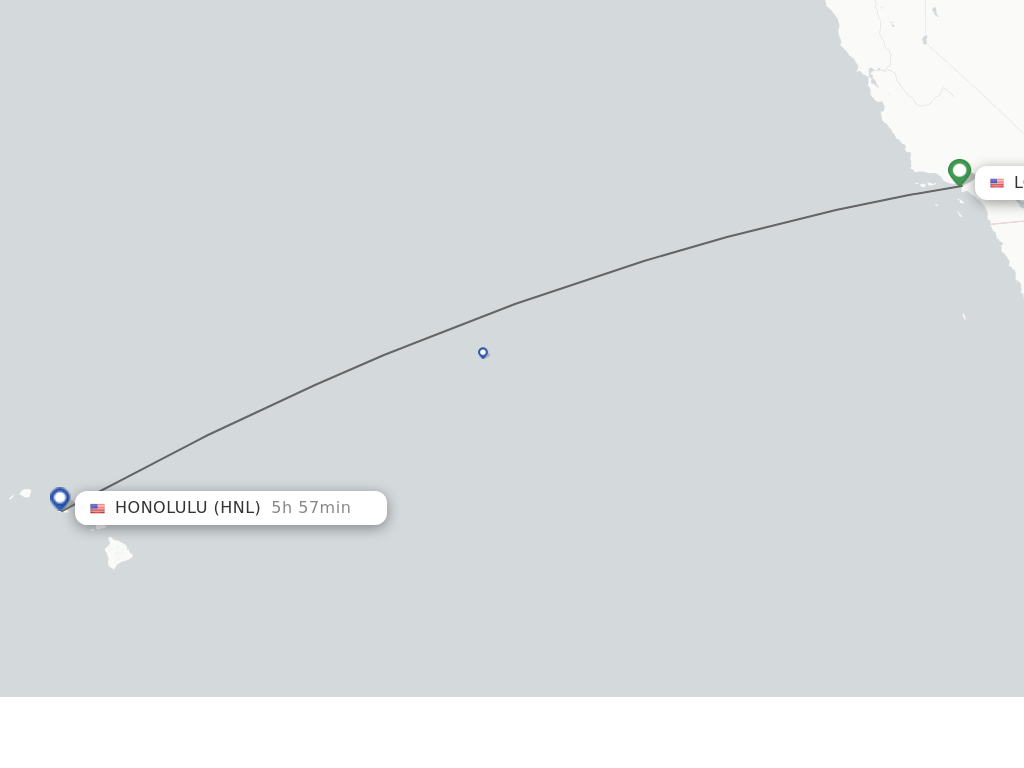
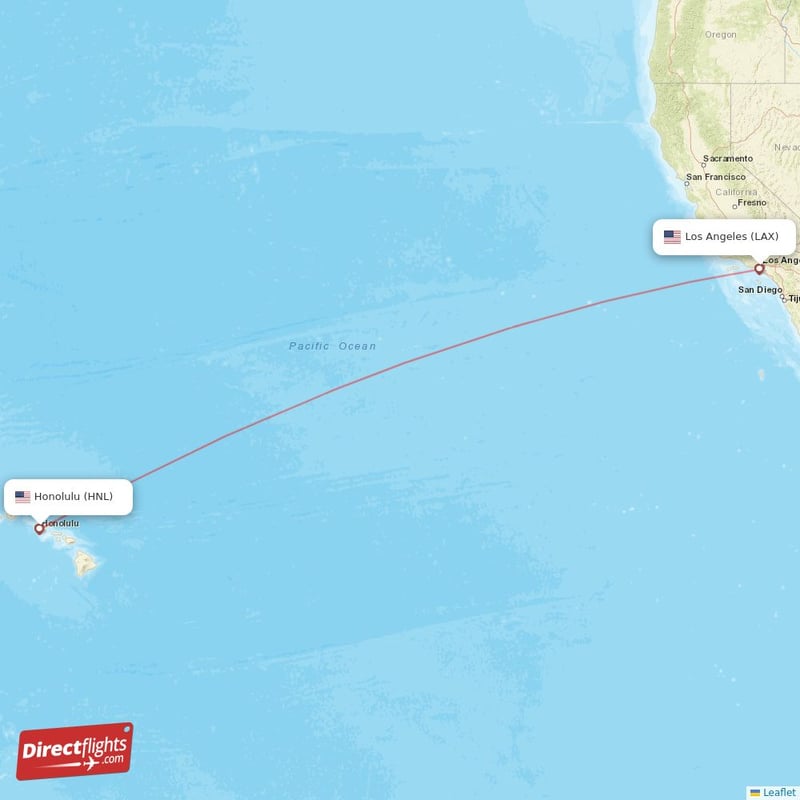
On average, a direct flight from major airports in the Los Angeles area to Honolulu, Oahu, which is the most common entry point to Hawaii, typically lasts between 5 hours and 30 minutes to 6 hours. This is generally for flights departing from Los Angeles International Airport (LAX). If your final destination is another Hawaiian Island, the flight time might be slightly longer. For instance:
- Honolulu (HNL), Oahu: Approximately 5 hours 30 minutes to 6 hours.
- Kahului (OGG), Maui: Roughly 5 hours 45 minutes to 6 hours 15 minutes.
- Lihue (LIH), Kauai: Around 6 hours to 6 hours 30 minutes.
- Kona (KOA) or Hilo (ITO), Big Island: Generally 6 hours to 6 hours 30 minutes, or even up to 6 hours 45 minutes for Hilo due to its more easterly location on the Big Island.
These times represent non-stop flights. If your itinerary includes a layover, usually in Honolulu, your total travel time will, of course, be significantly extended, often turning into an 8-10 hour journey or more, depending on the length of your stop.
Factors Influencing Your Journey
While the averages provide a good baseline, several variables can subtly alter the actual flight duration:
- Aircraft Type: Modern commercial airliners operate at different cruising speeds. For instance, a newer, more efficient aircraft like the Boeing 787 Dreamliner or Airbus A330neo might complete the journey slightly faster than an older Boeing 737 or Airbus A321. Many airlines flying this route utilize wide-body jets like the Boeing 777, Boeing 787, or Airbus A330, which are designed for longer hauls and comfort.
- Tailwinds and Headwinds: The Pacific Ocean is known for its strong jet streams. Flights heading westward from Los Angeles to Hawaii often encounter headwinds, which can add 15-30 minutes to the flight time. Conversely, eastbound flights from Hawaii to Los Angeles typically benefit from tailwinds, making the return journey slightly shorter, often around 5 hours to 5 hours 30 minutes.
- Specific Departure Airport in LA: While LAX is the primary hub, flights to Hawaii also depart from other Southern California airports such as Long Beach Airport (LGB) and John Wayne Airport (SNA) in Orange County. The slight geographical differences between these departure points and Hawaii can result in minor variations in flight duration, though these are typically negligible compared to the impact of winds.
- Air Traffic Control and Route Optimization: Air traffic congestion, especially during peak travel seasons, and the need for airlines to optimize flight paths for fuel efficiency and weather avoidance, can also influence the exact time. While these factors are usually accounted for in the scheduled flight time, unexpected delays can occur.
Enhancing Your Flight Experience: Tips for a Smooth Journey
A five to six-hour flight is long enough to warrant some strategic planning to ensure a comfortable and enjoyable experience. Preparation can transform a potentially tedious journey into a relaxing transition to your Hawaiian paradise.
Pre-Flight Preparations for Comfort
- Choosing Your Seat Wisely: When booking, consider your preferences. A window seat offers breathtaking views of the Pacific Ocean upon descent into Hawaii, while an aisle seat provides easier access for stretching your legs. If budget allows, opting for premium economy or an exit row can grant you invaluable extra legroom, significantly enhancing comfort for the entire journey. For families, consider seats together for ease of supervision and entertainment.
- Packing In-Flight Essentials: Your carry-on bag should be a treasure trove of comfort items. A good quality neck pillow, an eye mask, and noise-canceling headphones are indispensable for creating a personal oasis amidst the hum of the aircraft. Layers of clothing are also crucial, as cabin temperatures can fluctuate throughout the flight. Don’t forget any necessary medications, a portable charger for your devices, and a pen for immigration forms.
- Entertainment is Key: While most modern aircraft on this route offer in-flight entertainment systems with a selection of movies, TV shows, and music, it’s always a good idea to have backup options. Download your favorite movies, TV series, podcasts, or audiobooks onto your personal devices before you depart. A good book or a travel journal can also be excellent companions for passing the time.
- Hydration and Snacks: Airplane cabins are notoriously dry, so staying hydrated is paramount. Bring a reusable water bottle to fill up after security, and drink water regularly throughout the flight. While airlines provide meals and beverages, having your own healthy snacks (like nuts, fruit, or protein bars) can stave off hunger pangs and help you avoid less healthy airline options. Avoid excessive alcohol and caffeine, which can contribute to dehydration and disrupt sleep.
During the Flight: Making the Most of It
- Movement and Stretching: Prolonged sitting can lead to discomfort and stiffness. Whenever it’s safe to do so, get up and walk around the cabin for a few minutes. Simple in-seat stretches, like ankle circles, shoulder rolls, and neck stretches, can also help improve circulation and prevent muscle cramps.
- Time Zone Adjustment: Hawaii operates on Hawaii Standard Time (HST), which does not observe daylight saving. This means Hawaii is typically 3 hours behind Pacific Standard Time (PST) and 2 hours behind Pacific Daylight Time (PDT). Begin adjusting your internal clock during the flight. Set your watch to Hawaiian time as soon as you board and try to sleep or stay awake according to your destination’s schedule. This proactive approach can significantly minimize the effects of jet lag upon arrival.
- Engage with Airline Services: Don’t hesitate to utilize the services offered by your airline. From requesting extra water to asking about meal options or adjusting your seat’s recline, the cabin crew is there to assist you. Many airlines on this route offer Wi-Fi, though often for a fee, which can be useful for light browsing or staying connected.
- Rest and Relaxation: If your flight is at night or you arrive early morning in Hawaii, try to get some sleep. Using your eye mask and noise-canceling headphones can create a conducive environment for rest. Even if you can’t sleep, resting your eyes and relaxing can help you arrive feeling more refreshed.
Beyond the Flight: Your Hawaiian Adventure Awaits
The moment your flight touches down, the true magic of Hawaii begins. From navigating the airport to immersing yourself in the local culture, every step is part of the unforgettable journey.
Arriving in Paradise: Initial Steps
- Airport Procedures: Upon arrival at airports like Daniel K. Inouye International Airport in Honolulu (HNL), you’ll proceed through baggage claim and then connect with your chosen ground transportation. Options include rental cars (highly recommended for exploring the islands), airport shuttles, taxis, ride-sharing services, and public transit (in Honolulu). Booking your rental car or shuttle in advance is a smart move, especially during peak season.
- Accommodation Transition: The journey from the airport to your accommodation is your first taste of the island’s charm. Hawaii boasts a diverse range of accommodations to suit every preference and budget. From sprawling luxury resorts like the Four Seasons Resort Maui at Wailea and Grand Hyatt Kauai Resort & Spa to charming boutique hotels, cozy vacation rentals, and even long-term stay apartments, the options are plentiful. Consider what kind of experience you desire—a bustling beachfront resort, a secluded villa, or a local apartment for an authentic immersion.
- Jet Lag Management: Even with proactive measures during the flight, a slight adjustment to the time difference is often necessary. The best way to combat jet lag is to expose yourself to natural sunlight as soon as possible, stay hydrated, and try to stick to your new destination’s sleep schedule. Light exercise, like a gentle walk on the beach, can also help your body adjust more quickly.
Exploring the Islands: Tourism, Landmarks, and Lifestyle
Hawaii is a tapestry of natural beauty, rich history, and vibrant culture. Each island offers unique attractions and experiences, catering to various travel lifestyles.
- Destinations & Attractions:
- Oahu: Home to Honolulu, Waikiki Beach, and iconic landmarks like Diamond Head and Pearl Harbor. It blends urban sophistication with stunning natural beauty.
- Maui: Known for its luxurious resorts, the scenic Road to Hana, and the majestic sunrise from Haleakala Crater.
- Kauai: The “Garden Isle,” famous for its lush landscapes, dramatic Napali Coast, and breathtaking waterfalls. Ideal for nature lovers and adventurers.
- Big Island: Offers incredible diversity, from the active volcanoes in Hawaii Volcanoes National Park to black sand beaches and snow-capped peaks.
- Local Culture & Food: Immerse yourself in the “aloha spirit” by experiencing a traditional luau, trying local delicacies like poke, fresh seafood, and shaved ice. Visit farmers’ markets, engage with local artisans, and learn about the profound history and traditions of the Native Hawaiian people. Respect for local customs and the environment is highly encouraged.
- Accommodation Choices: Beyond the famous resorts, consider booking boutique hotels for a more intimate experience, or explore vacation rentals (apartments, villas, beach houses) for a personalized stay, especially for families or longer trips. Websites like lifeoutofthebox.com offer comprehensive guides and comparison tools for booking accommodation, ensuring you find the perfect fit.
- Activities & Experiences: Hawaii is an adventurer’s playground. Learn to surf, snorkel in vibrant coral reefs, hike through rainforests to hidden waterfalls, take a helicopter tour for unparalleled views, or simply relax on a pristine beach. There are activities for every lifestyle, from luxury spa treatments to budget-friendly outdoor excursions.
- Lifestyle: The Hawaiian lifestyle is defined by a relaxed pace, deep connection to nature, and the spirit of aloha – encompassing love, peace, compassion, and mutual respect. Whether you’re planning a romantic honeymoon, a fun-filled family trip, an adventurous solo journey, or even a business stay with leisure extensions, Hawaii offers a unique backdrop to create lasting memories.
Planning Your Ideal Hawaiian Getaway
- Best Time to Visit: The shoulder seasons (April-May and September-November) often offer the best balance of pleasant weather, fewer crowds, and potentially better deals on flights and accommodation. Peak season is generally December to March and June to August.
- Budgeting: Factor in the costs of flights, accommodation, rental cars, activities, and food. While Hawaii can be a luxurious destination, it’s also possible to experience it on a budget with careful planning, such as opting for self-catering accommodation and focusing on free natural attractions.
- Booking Strategies: Early booking is often key, especially for flights and popular resorts, to secure the best prices and availability. Utilize travel guides and comparison sites to research different destinations and accommodation options thoroughly.
- Travel Insurance: For such a significant trip, considering travel insurance is a wise decision to protect against unforeseen circumstances like flight cancellations, medical emergencies, or lost luggage.
In conclusion, while the flight from Los Angeles to Hawaii averages a manageable 5.5 to 6.5 hours, it’s merely the prelude to an extraordinary adventure. With careful planning for your journey and a spirit ready to embrace the warmth of the islands, your Hawaiian dream is well within reach. From the moment you board to the unforgettable experiences awaiting you on the ground, every aspect of this trip promises a remarkable escape into paradise. Start planning your getaway today, and prepare to be enchanted by the timeless allure of Hawaii.
LifeOutOfTheBox is a participant in the Amazon Services LLC Associates Program, an affiliate advertising program designed to provide a means for sites to earn advertising fees by advertising and linking to Amazon.com. Amazon, the Amazon logo, AmazonSupply, and the AmazonSupply logo are trademarks of Amazon.com, Inc. or its affiliates. As an Amazon Associate we earn affiliate commissions from qualifying purchases.