
Embarking on a journey from the vibrant desert oasis of Las Vegas to the tranquil, sun-drenched shores of Hawaii is a transition from one iconic American experience to another. While the allure of pristine beaches, volcanic landscapes, and rich Polynesian culture beckons travelers from around the globe, a common question often arises: “How long is the flight?” For those planning this exciting escape, understanding the travel time is crucial for seamless trip planning, allowing for proper rest, packing, and anticipation of the paradise that awaits.
Generally, a direct flight from Las Vegas (Harry Reid International Airport, LAS) to the main Hawaiian islands, such as Oahu (Daniel K. Inouye International Airport, HNL in Honolulu) or Maui (Kahului Airport, OGG), typically ranges from 5 hours and 45 minutes to 6 hours and 30 minutes. This duration can vary slightly depending on the specific Hawaiian island chosen as your final destination, the airline, and prevailing wind conditions. This trans-Pacific journey, while significant, is often perceived as a swift passage given the immense distance covered and the dramatic change in scenery and climate that awaits.
Decoding Flight Durations from Las Vegas to the Hawaiian Islands
The journey across the Pacific Ocean from the continental U.S. to Hawaii is a fascinating exercise in modern aviation. For travelers departing from Las Vegas, the flight duration is a primary consideration, influencing everything from booking schedules to on-board entertainment choices. While the direct answer provides a good baseline, a deeper understanding of the variables involved can help set realistic expectations and optimize your travel plans.
Direct Flights vs. Connecting Journeys
The most efficient way to reach Hawaii from Las Vegas is via a direct flight. Several major airlines offer non-stop services, especially to the most popular islands.
- To Oahu (Honolulu – HNL): As the primary gateway to Hawaii, Honolulu typically sees the shortest direct flight times, averaging 5 hours and 45 minutes to 6 hours. This makes it a popular choice for first-time visitors or those seeking the vibrant energy of Waikiki.
- To Maui (Kahului – OGG): Flights to Maui, renowned for its luxurious resorts and stunning natural beauty, are usually around 6 hours to 6 hours and 15 minutes.
- To Kona (Big Island – KOA): Reaching the Big Island, home to active volcanoes and diverse landscapes, from Las Vegas typically takes 6 hours and 15 minutes to 6 hours and 30 minutes on a direct flight to Kona International Airport. Flights to Hilo International Airport (ITO) on the eastern side of the Big Island might be slightly longer or require a connection.
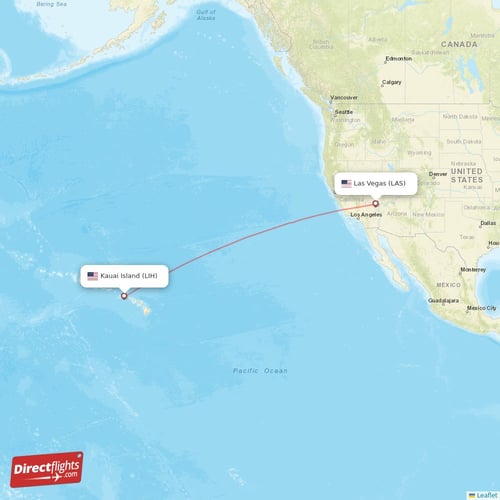
- To Kauai (Lihue – LIH): The Garden Isle, Kauai, often sees direct flights lasting approximately 6 hours and 15 minutes to 6 hours and 30 minutes to Lihue Airport.
While direct flights are always preferable for their efficiency, connecting flights are also an option, though they significantly extend total travel time. Common layover cities include major U.S. hubs like Los Angeles (LAX), San Francisco (SFO), or Phoenix (PHX). A connecting journey can easily add an extra 3-6 hours or more to your travel, depending on the layover duration and location. While sometimes more economical, the convenience of a non-stop flight for a journey of this length often outweighs minor cost savings for many travelers.
Factors Influencing Flight Time
Several elements can subtly, or sometimes significantly, impact the actual flight duration from Las Vegas to Hawaii.
- Aircraft Type and Speed: Modern aircraft models, such as the Boeing 737, 757, or Airbus A321, are commonly used on this route. While all operate within similar speed ranges, minor differences in cruising speed and operational efficiency can account for variations of 10-20 minutes in flight time.
- Wind Conditions: The powerful jet stream, a band of strong winds high in the atmosphere, plays a considerable role. Flights heading west from the mainland U.S. to Hawaii often encounter headwinds, which can slightly prolong the journey. Conversely, eastbound flights from Hawaii to the mainland typically benefit from tailwinds, making the return journey quicker, often by 30-60 minutes.
- Air Traffic Control (ATC) and Route Optimization: Air traffic controllers continuously monitor and guide flights to ensure safety and efficiency. This can sometimes lead to minor rerouting or holding patterns, especially during peak travel times, which may add a few minutes to the overall flight duration.
- Specific Destination Island: As noted, the exact island you land on influences the flight time. The slight difference in distance to Oahu versus the Big Island accounts for the 15-30 minute variation in flight times.
- Airline Operations: Different airlines flying the route, such as Southwest Airlines, Hawaiian Airlines, Delta Air Lines, United Airlines, and American Airlines, may have slightly different scheduling and operational procedures that influence their published flight durations.
Preparing for Your Journey: Tips for a Seamless Las Vegas to Hawaii Transition
A trip from Las Vegas to Hawaii is a significant journey, not just in distance but in the shift of environment. Proper preparation ensures a comfortable flight and a smooth transition to your tropical getaway, allowing you to maximize every moment of your Hawaiian adventure.
Maximizing Comfort on Long-Haul Flights
A 5 to 6.5-hour flight is long enough to warrant careful consideration for comfort, especially if you’re traveling with family or on a business trip that transitions into leisure.
- Seat Selection: If possible, consider splurging for extra legroom seats or exit rows for added comfort. A window seat offers views and a place to rest your head, while an aisle seat provides easier access for stretching and bathroom breaks. Many airlines offer seat upgrades during booking or check-in.
- In-Flight Entertainment and Connectivity: While most modern aircraft on this route offer seat-back entertainment systems, it’s always wise to download movies, TV shows, podcasts, or e-books onto your personal devices beforehand. Portable chargers are a must-have. Some airlines also offer Wi-Fi, often for a fee, allowing you to stay connected.
- Essentials in Your Carry-On: Pack a small bag with items to enhance your flight experience: a neck pillow, eye mask, earplugs/noise-canceling headphones, a light blanket or shawl (cabin temperatures can vary), an empty reusable water bottle (fill it after security), and healthy snacks. Don’t forget any necessary medications.
- Hydration and Movement: Staying hydrated is crucial on long flights. Drink plenty of water and avoid excessive caffeine or alcohol. Periodically stretch your legs by walking the aisle or doing simple in-seat exercises to promote circulation and prevent stiffness.
- Time Zone Adjustment: Hawaii observes Hawaii Standard Time (HST), which is typically 3 hours behind Pacific Time during standard time and 2 hours during daylight saving time (as Hawaii doesn’t observe daylight saving). Begin adjusting your sleep schedule a day or two before departure. Once onboard, set your watch to Hawaiian time and try to sleep or stay awake according to the local time at your destination. Exposure to natural light upon arrival also helps reset your body clock.
Essential Pre-Travel Considerations

Beyond the flight itself, several other aspects require attention to ensure a stress-free Hawaiian vacation.
- Best Time to Book: For optimal pricing, generally book your flights and accommodations several months in advance, especially if traveling during peak seasons like winter holidays, spring break, or summer. Flexibility with travel dates can also lead to significant savings. Consider visiting during shoulder seasons (April-May or September-November) for fewer crowds and pleasant weather.
- Packing Essentials: Hawaii is a casual destination. Pack light, breathable clothing, swimwear, and comfortable walking shoes or sandals. Don’t forget a hat, sunglasses, and reef-safe sunscreen to protect Hawaii’s delicate marine ecosystems. Depending on your activities, consider light hiking gear or a rain jacket for unexpected showers.
- Car Rentals: While public transport is available on some islands (like Oahu’s TheBus), exploring the diverse landscapes and hidden gems of Hawaii truly requires a rental car on most islands, particularly Maui and the Big Island. Book your vehicle well in advance, especially during peak seasons, as demand can be high and prices can escalate.
- Inter-Island Travel: If your itinerary includes visiting multiple islands, factor in short inter-island flights. These typically range from 20 to 50 minutes, depending on the route, and are operated by local carriers like Hawaiian Airlines or Southwest Airlines. Booking these in advance is also advisable.
Exploring Hawaii: From Volcanic Landscapes to Pristine Beaches
Once your flight touches down, the real adventure begins. Hawaii is not just a single destination but a collection of unique islands, each offering its own distinct charm, natural wonders, and cultural experiences. From the bustling shores of Waikiki to the dramatic cliffs of the Na Pali Coast, there’s an endless array of activities and sights to discover.
Iconic Destinations and Experiences
Each Hawaiian island promises a different flavor of paradise, catering to diverse interests from thrill-seekers to those seeking pure relaxation.
- Oahu: The Gathering Place
- Waikiki Beach: Iconic for its crescent-shaped beach, surfing lessons, and vibrant atmosphere surrounded by hotels, shops, and restaurants.
- Diamond Head: Hike to the summit of this ancient volcanic tuff cone for panoramic views of Waikiki and the Honolulu coastline.
- Pearl Harbor: A profoundly moving historical site, offering insight into World War II history and honoring those who served.
- North Shore: Famous for its legendary surf breaks in winter (like Banzai Pipeline), and calmer waters for swimming and snorkeling in summer.
- Maui: The Valley Isle
- Road to Hana: A scenic, winding coastal road offering stunning views, waterfalls, and lush rainforests. It’s an adventure in itself.
- Haleakala National Park: Witness breathtaking sunrises or sunsets from the summit of this dormant volcano, an otherworldly landscape.
- Ka’anapali Beach: A pristine stretch of white sand, perfect for swimming, sunbathing, and snorkeling.
- Molokini Crater: A crescent-shaped volcanic islet, offering some of Hawaii’s best snorkeling and diving opportunities.
- Big Island: Hawaii Island
- Hawaii Volcanoes National Park: Home to Kīlauea and Mauna Loa, two of the world’s most active volcanoes. Witness dramatic landscapes, steam vents, and sometimes even active lava flows.
- Mauna Kea: The highest point in Hawaii, offering incredible stargazing opportunities due to its clear skies and high elevation.
- Kona Coffee Plantations: Explore the famous coffee belt, take tours, and sample some of the world’s most sought-after coffee.
- Kauai: The Garden Isle
- Na Pali Coast: Majestic sea cliffs, emerald valleys, and cascading waterfalls accessible by boat tour, helicopter, or strenuous hiking trails.
- Waimea Canyon: Often called the “Grand Canyon of the Pacific,” this vast canyon boasts stunning geological formations and vibrant colors.
- Lush Rainforests and Waterfalls: Kauai is renowned for its verdant landscapes, offering numerous opportunities for hiking and discovering hidden waterfalls.
Accommodation Choices and Lifestyle Options
Hawaii’s accommodation scene is as diverse as its landscapes, catering to every preference and budget, from opulent luxury to cozy, budget-friendly stays.
- Luxury Resorts: For those seeking an indulgent experience, Hawaii boasts world-class resorts like the Four Seasons Resort Maui at Wailea, The Ritz-Carlton, Kapalua, or the Grand Hyatt Kauai Resort & Spa. These establishments offer exquisite suites, multiple pools, fine dining, spa services, and often direct beach access. They are perfect for honeymooners, romantic getaways, or luxury family trips.
- Boutique Hotels and Vacation Rentals: For a more localized and intimate experience, boutique hotels or vacation rentals (like apartments and villas) provide a sense of home away from home. These options often allow travelers to immerse themselves more deeply in local culture and lifestyle, offering kitchens for self-catering and unique design aesthetics.
- Budget-Friendly Stays: Traveling to Hawaii doesn’t always have to break the bank. Hostels, guesthouses, and budget-friendly hotels are available, particularly on Oahu and the Big Island, providing clean and comfortable lodging without the hefty price tag.
- Family-Friendly Options: Many resorts are tailored for families, offering kids’ clubs, dedicated children’s pools, and spacious family suites. Vacation rentals are also popular for families, providing more space and the convenience of home amenities.
- Dining Experiences: Hawaii’s culinary scene is a delightful fusion of Polynesian, Asian, and American influences. From high-end restaurants in Honolulu and Wailea to casual beachside cafes and bustling food trucks, there’s something for every palate. Don’t miss trying local favorites like fresh poke, hearty lau lau, and refreshing shave ice.
The Cultural Tapestry and Responsible Tourism in Hawaii
Beyond its stunning natural beauty, Hawaii is rich in culture and history. Embracing the local traditions and practicing responsible tourism are essential elements of a meaningful visit, ensuring that future generations can also enjoy the islands’ unique heritage and pristine environment.
Embracing Local Culture and Traditions
The spirit of Hawaii is deeply rooted in its Polynesian heritage, marked by hospitality, respect, and a profound connection to the land and sea.
- Respect for Hawaiian Customs: The concept of Aloha Spirit goes beyond a simple greeting; it embodies love, peace, compassion, and a mutual understanding. Travelers are encouraged to approach their visit with respect for local customs, sacred sites, and the residents.
- Learning Basic Hawaiian Phrases: A simple “Aloha” (hello/goodbye/love) or “Mahalo” (thank you) can go a long way in showing appreciation and connecting with locals.
- Participating in Luau Experiences: Attending a traditional luau is a fantastic way to experience Hawaiian song, dance, food, and storytelling. It offers a lively and educational insight into Polynesian culture.
- Visiting Cultural Sites and Museums: Explore historical sites, ancient temples (heiau), and museums like the Bishop Museum in Honolulu to learn about Hawaii’s rich past, its monarchy, and the struggles and triumphs of its people.

Sustainable Travel Practices
The delicate ecosystems and precious natural resources of Hawaii require careful stewardship from both residents and visitors. Responsible tourism is key to preserving paradise.
- Reef-Safe Sunscreen: Protect Hawaii’s coral reefs by using mineral-based sunscreens that contain zinc oxide or titanium dioxide, free from harmful chemicals like oxybenzone and octinoxate, which are toxic to marine life.
- Respecting Marine Life and Natural Environments: Maintain a safe distance from marine animals such as sea turtles and monk seals. Never touch or disturb them. Stay on marked trails during hikes to prevent erosion and protect fragile plant life. Do not remove lava rocks or sand from the islands, as it is considered disrespectful and can carry cultural implications.
- Supporting Local Businesses: Opt to dine at local restaurants, shop at farmers’ markets, and purchase goods from local artisans. This supports the island economy and allows you to experience authentic Hawaiian products and services.
- Minimizing Waste: Carry a reusable water bottle and shopping bag. Dispose of trash properly, and whenever possible, recycle. Reduce your plastic consumption to lessen the environmental impact on these beautiful islands.
In conclusion, the flight from Las Vegas to Hawaii is a journey of approximately 5 hours and 45 minutes to 6 hours and 30 minutes for a direct service. This span of time bridges two vastly different, yet equally captivating, parts of the United States. With careful planning, a focus on comfort, and a commitment to respectful and sustainable tourism, your transition from the dazzling lights of the desert to the tranquil beauty of the tropics will be nothing short of magical. Prepare to immerse yourself in the warm Aloha Spirit and create unforgettable memories in the heart of the Pacific.
LifeOutOfTheBox is a participant in the Amazon Services LLC Associates Program, an affiliate advertising program designed to provide a means for sites to earn advertising fees by advertising and linking to Amazon.com. Amazon, the Amazon logo, AmazonSupply, and the AmazonSupply logo are trademarks of Amazon.com, Inc. or its affiliates. As an Amazon Associate we earn affiliate commissions from qualifying purchases.