
Embarking on a journey from the bustling streets of New York City to the serene shores of Hawaii is a dream for many. This epic trans-Pacific voyage promises an escape to paradise, but it’s also one of the longest domestic flights within the United States. Understanding the duration, the various factors that influence it, and how to best prepare for such a significant travel experience is crucial for any traveler planning their Hawaiian getaway. While the allure of pristine beaches, vibrant culture, and breathtaking landscapes is undeniable, the journey itself requires careful consideration to ensure a comfortable and enjoyable start to your tropical adventure.
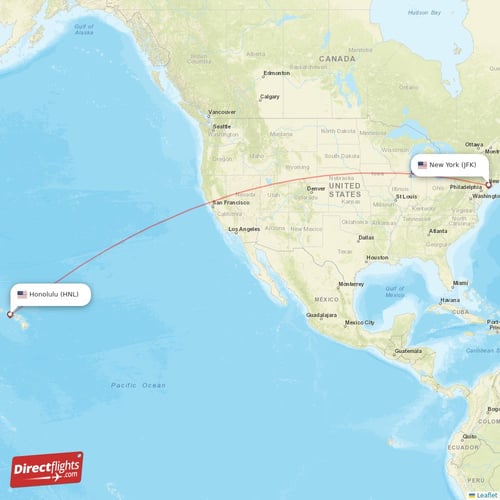
The flight time from New York City to Hawaii is not a single, fixed number. It varies significantly based on whether you choose a direct flight or one with layovers, your specific departure airport in NYC, and your final destination island in the Hawaiian archipelago. Generally, non-stop flights can range from 10 to 11 hours, a considerable stretch of time to be airborne. However, many travelers opt for, or are necessitated into, connecting flights, which can extend the total travel time to 14 hours or even upwards of 20 hours when factoring in layovers, gate changes, and potential delays.
This comprehensive guide will delve into the intricacies of this long-haul flight, offering insights into typical durations, the impact of connecting routes, and practical tips to enhance your journey. We’ll explore the main departure and arrival airports, popular airlines operating these routes, and how to prepare for such an extensive flight. Beyond the flight itself, we’ll also touch upon how to choose your ideal Hawaiian island and accommodation, ensuring your entire travel experience, from takeoff to touchdown and beyond, is as smooth and memorable as the destination itself. Whether you’re planning a luxurious honeymoon, a budget-friendly family trip, or an adventurous solo escape, knowing what to expect from this long journey is your first step towards Hawaiian bliss.
Understanding the Non-Stop Journey: New York City to Hawaii
For those seeking the quickest possible route to the Aloha State, non-stop flights are the preferred option. However, direct services from New York City are relatively limited compared to connecting routes, making them a premium choice that often comes with a higher price tag. The sheer distance involved dictates a substantial flight time, placing this route among the longest domestic flights globally.
Average Flight Duration
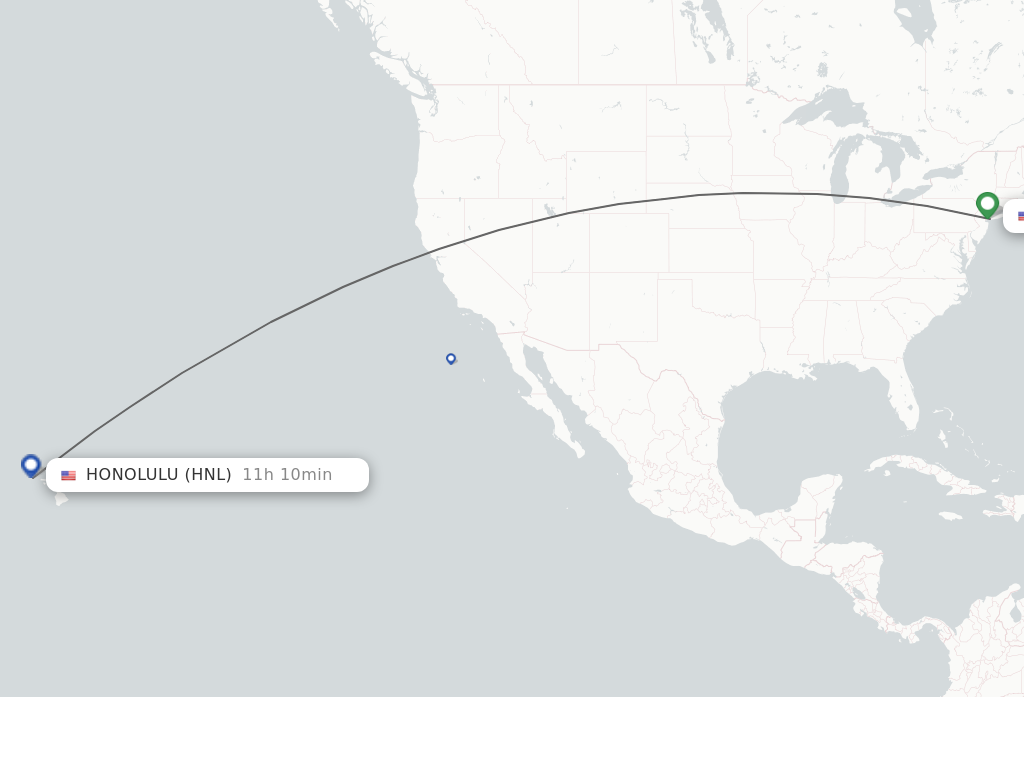
A direct flight from the New York City metropolitan area to Hawaii typically takes between 10 to 11 hours. This duration usually applies to routes departing from John F. Kennedy International Airport (JFK) or Newark Liberty International Airport (EWR) and arriving at Daniel K. Inouye International Airport (HNL) in Honolulu, Oahu. The exact time can fluctuate slightly due to factors such as prevailing winds, particularly the powerful jet stream that can either aid or hinder an aircraft’s progress, as well as the specific aircraft model used by the airline. Modern long-haul aircraft like the Boeing 787 Dreamliner or Airbus A330 are designed for efficiency and comfort on such extended journeys.
It’s important to note that direct flights from NYC are predominantly to Honolulu on the island of Oahu. If your ultimate destination is another Hawaiian island, such as Maui, Kauai, or the Big Island (also known as the Island of Hawaii), you will almost certainly require an additional inter-island connecting flight from Honolulu. This additional leg will add anywhere from 30 minutes to an hour of flight time, plus any layover duration at HNL, thus extending your overall travel period.
Key Departure and Arrival Airports
From the New York City area, the primary airports offering direct flights to Hawaii are:
- John F. Kennedy International Airport (JFK): Located in Queens, NYC, JFK is a major international hub and often provides a wider array of airline options and flight times for direct routes to Honolulu.
- Newark Liberty International Airport (EWR): Situated in Newark, New Jersey, EWR serves as another significant gateway. It also offers direct flights to Honolulu and is a convenient option for travelers residing in New Jersey or parts of Manhattan.
- LaGuardia Airport (LGA): While a popular airport for domestic flights, LaGuardia Airport (LGA) does not typically offer direct flights to Hawaii due to its runway limitations and focus on shorter to medium-haul routes.
Upon arrival in Hawaii, the main point of entry for nearly all long-haul flights is:
- Daniel K. Inouye International Airport (HNL): Located in Honolulu, Oahu, HNL is the largest and busiest airport in Hawaii. It serves as the primary gateway for international and trans-Pacific flights, and also as the main hub for inter-island connections.
For travelers heading to other islands, common arrival airports include:
- Kahului Airport (OGG): Serving Maui, this airport is the second busiest in the state.
- Lihue Airport (LIH): The main airport for Kauai, offering access to the Garden Isle’s natural beauty.
- Kona International Airport (KOA): On the west side of the Big Island, serving the Kona region.
- Hilo International Airport (ITO): On the east side of the Big Island, closer to Hawaii Volcanoes National Park.
Choosing your arrival airport based on your ultimate island destination is crucial for efficient travel planning and minimizing additional transfers once you reach the Hawaiian archipelago.
Navigating Connecting Flights and Layover Considerations
While direct flights offer convenience, connecting flights are a more common reality for many travelers from New York City to the Hawaiian islands. These routes often present a trade-off: potentially lower fares and more schedule flexibility in exchange for a longer overall travel duration. Understanding the dynamics of connecting flights is essential for managing expectations and planning effectively.
Why Connecting Flights Are Common
Several factors contribute to the prevalence of connecting flights for this route:
- Cost-Effectiveness: Direct flights, especially those spanning long distances, tend to be more expensive due to higher demand for convenience and the specialized aircraft required. Connecting flights, by contrast, can leverage more competitive pricing through various hubs.
- Increased Route Options: Not every airline offers direct service from JFK or EWR to Hawaii. Connecting flights open up a broader range of airlines and departure times, providing more choices to fit diverse travel plans and budgets.
- Access to All Islands: As mentioned, most direct flights from the East Coast land in Honolulu. If your destination is Maui, Kauai, or the Big Island, a connecting flight is inevitable, whether it’s an immediate inter-island transfer or a longer layover on the mainland.
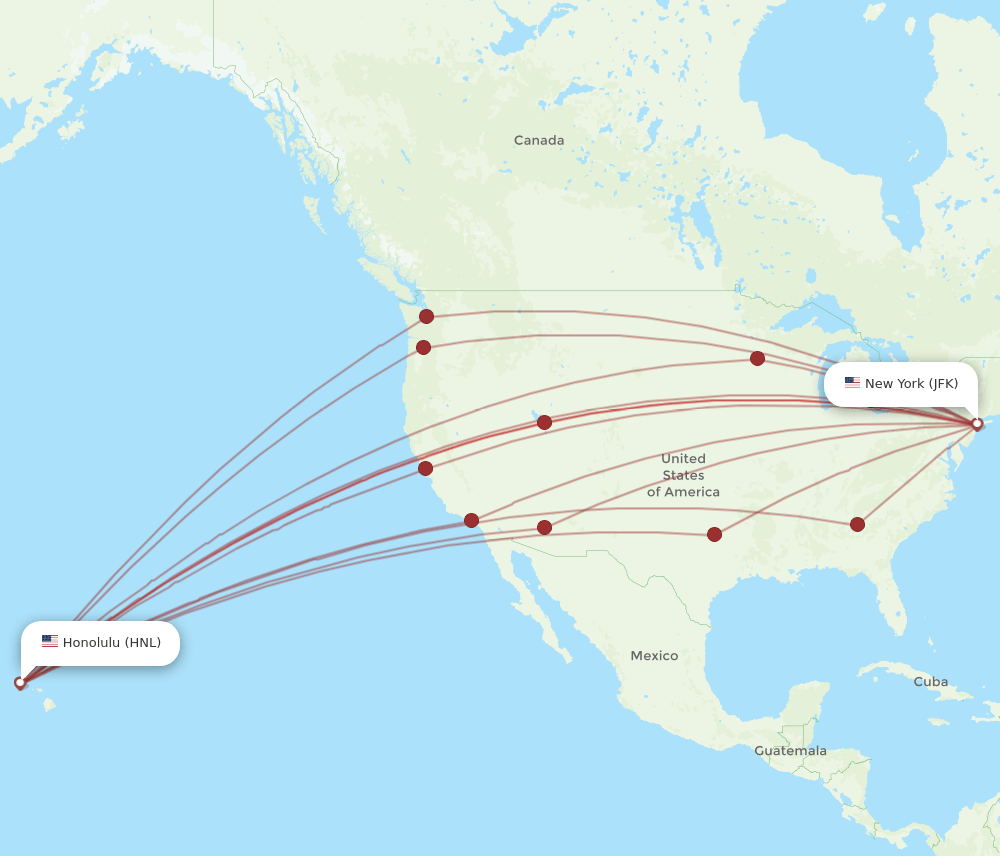
Major connecting hubs for flights from NYC to Hawaii are primarily located on the West Coast of the United States. These include:
- Los Angeles International Airport (LAX): The most frequent connecting point, offering numerous daily flights to various Hawaiian islands.
- San Francisco International Airport (SFO): Another popular West Coast hub with extensive Hawaiian connections.
- Seattle-Tacoma International Airport (SEA): A key gateway for flights to Hawaii, particularly for those heading to the northern islands.
- Phoenix Sky Harbor International Airport (PHX): A growing hub for trans-Pacific travel.
- Denver International Airport (DEN): Offers connections, though less frequently than coastal hubs.
- Chicago O’Hare International Airport (ORD): Another major hub, though often involves longer total travel times due to its central location.
Impact on Total Travel Time
The addition of one or more layovers significantly extends the total travel time. While the actual flight legs might sum up to 10-12 hours, a connecting itinerary can easily push your journey duration to:
- 14-16 hours: For itineraries with short, efficient layovers (e.g., 1-2 hours) in a single West Coast city.
- 17-20+ hours: For itineraries with longer layovers (3-5+ hours) or those involving multiple stops.
When booking, pay close attention to the layover duration. A very short layover (under an hour) might seem efficient but carries the risk of missed connections, especially in large, busy airports like LAX or SFO. Conversely, an excessively long layover can be draining, though some travelers intentionally plan extended layovers to explore a connecting city, turning a necessary pause into a mini-adventure. This “stopover experience” can add a unique dimension to your trip, allowing you to glimpse another destination before reaching Hawaii.
For instance, a layover in San Francisco could offer a chance to see the Golden Gate Bridge or enjoy some fresh seafood, breaking up the monotony of continuous travel. When choosing flights, consider the balance between cost, total travel time, and your personal preference for layover length. Factor in potential delays, especially during peak travel seasons or adverse weather conditions, which can further impact connecting flights.
Maximizing Comfort and Experience on a Long-Haul Flight to Paradise
A flight approaching or exceeding 10 hours demands preparation to ensure your comfort and well-being. This is not just about enduring the journey; it’s about making it as enjoyable as possible, setting a positive tone for your Hawaiian vacation. From choosing the right seat to managing jet lag, a few thoughtful considerations can make all the difference.
Choosing Your Airline and Seat
Several reputable airlines offer flights from New York City to Hawaii, directly or with connections. Major carriers include:
- United Airlines: Often operates direct flights from EWR and has a strong presence in connecting hubs like SFO and DEN.
- Delta Air Lines: Offers direct flights from JFK and connections through LAX or SEA.
- Hawaiian Airlines: Provides direct service from JFK to HNL, offering an authentic Hawaiian experience from the moment you board.
- American Airlines: Also offers direct flights from JFK and connections via LAX or PHX.
When booking, consider the class of service. While economy class is budget-friendly, upgrading to Premium Economy, Business Class, or First Class can significantly enhance comfort with more legroom, reclinable seats, enhanced meal service, and dedicated amenities. For those indulging in luxury travel, a flat-bed seat in business or first class can transform a grueling journey into a restful experience, allowing you to arrive in Hawaii feeling refreshed.
Regardless of your class, strategic seat selection is vital. An aisle seat offers easy access to restrooms and the ability to stretch your legs without disturbing others. A window seat provides captivating views, especially during takeoff and landing, and a surface to lean against for sleep. For extra legroom, consider booking exit row seats or those in the bulkhead, though these often come with specific restrictions or a slight additional cost. Some airlines also offer “Economy Plus” or similar options for a bit more space.
Preparing for a Trans-Pacific Journey
The key to a comfortable long-haul flight lies in thorough preparation:
- Health and Wellness:
- Hydration: Drink plenty of water before, during, and after the flight to combat dehydration in the dry cabin air. Avoid excessive alcohol and caffeine.
- Movement: Get up and walk around the cabin every hour or two. Perform in-seat stretches to promote circulation and prevent stiffness. Compression socks can also be beneficial to reduce swelling.
- Jet Lag: Hawaii Standard Time is typically 5-6 hours behind Eastern Time. Start adjusting your sleep schedule a few days before departure by going to bed earlier or later, depending on your direction of travel. Upon arrival, expose yourself to natural daylight, stay active, and try to sync with local time as quickly as possible.
- Entertainment and Comfort:
- In-flight Entertainment: Most long-haul flights offer extensive entertainment systems with movies, TV shows, and music. However, it’s always wise to download your own content (movies, podcasts, audiobooks) to a tablet or phone as a backup.
- Noise-Canceling Headphones: Essential for blocking out engine noise and cabin chatter, allowing you to relax or sleep.
- Comfort Items: A quality travel pillow, eye mask, and warm layers (a sweater or scarf) can make a significant difference, as cabin temperatures can vary.
- Packing Essentials for Carry-On: Keep all essential medications, toiletries (travel-sized), a change of clothes, and important documents (passport/ID, boarding passes, accommodation confirmations) in your carry-on. A portable power bank is also a lifesaver for keeping devices charged.
The Arrival Experience and Beyond
After a long flight, arriving in Hawaii is a moment of pure relief and excitement. The warm, humid air and the scent of plumeria are an instant welcome.
Upon landing at HNL, travelers should be prepared for the final logistics. This includes collecting checked luggage, navigating ground transportation, and checking into your accommodation. Options for getting from HNL to popular areas like Waikiki include rental cars, airport shuttles, taxis, and ride-sharing services. Pre-booking these, especially rental cars, is highly recommended during peak seasons.
The first day in Hawaii should ideally involve light activity and plenty of hydration to help combat jet lag. A walk on Waikiki Beach, a swim in the ocean, or simply relaxing by the pool at your resort can be an excellent way to ease into your vacation and acclimate to the new time zone. The reward for the long journey is immediate: Hawaii’s unparalleled natural beauty, vibrant local culture, and delicious cuisine await.
Making the Most of Your Hawaiian Escape (Beyond the Flight)
Once the long journey from New York City is complete, the true adventure in Hawaii begins. With its diverse islands, each offering unique attractions and experiences, planning your itinerary and choosing the right accommodation are paramount to creating an unforgettable trip. This section delves into how to make the most of your time in paradise, extending beyond the flight itself to the core of your Hawaiian escape.
Choosing Your Hawaiian Island Adventure
Hawaii is an archipelago of distinct personalities, and selecting the right island, or combination of islands, depends entirely on your travel style and preferences.
- Oahu: The Gathering Place
- Home to the state capital, Honolulu, and the iconic Waikiki Beach. Oahu offers a blend of urban sophistication and natural beauty.
- Landmarks & Attractions: Pearl Harbor, Diamond Head for hiking, and the legendary North Shore for surfing enthusiasts.
- Lifestyle: Ideal for first-time visitors, families, and those seeking a lively atmosphere with abundant dining, shopping, and historical sites.
- Maui: The Valley Isle
- Known for its stunning beaches, luxurious resorts, and diverse landscapes.
- Landmarks & Attractions: Driving the scenic Road to Hana, witnessing the sunrise from Haleakala National Park, and enjoying whale watching (seasonal).
- Lifestyle: Perfect for honeymooners, luxury travelers, and those desiring a mix of relaxation and adventure, with upscale areas like Wailea and Ka’anapali.
- Kauai: The Garden Isle
- A lush, emerald paradise characterized by dramatic cliffs, cascading waterfalls, and verdant rainforests.
- Landmarks & Attractions: The breathtaking Na Pali Coast (best viewed by boat or helicopter) and the “Grand Canyon of the Pacific,” Waimea Canyon.
- Lifestyle: Appeals to nature lovers, hikers, and those seeking a more tranquil, off-the-beaten-path experience.
- Big Island: The Island of Hawaii
- The youngest and largest island, featuring incredible ecological diversity, from active volcanoes to black sand beaches.
- Landmarks & Attractions: Exploring Hawaii Volcanoes National Park, stargazing atop Mauna Kea, and visiting local coffee farms.
- Lifestyle: Ideal for adventurous travelers, geology enthusiasts, and those interested in experiencing Hawaii’s raw, powerful natural forces.
Accommodation Options for Every Traveler
Hawaii offers a vast spectrum of accommodation, catering to every budget and travel style.
- Luxury Resorts: For those seeking an indulgent escape, world-class resorts like the Four Seasons Resort Maui at Wailea or the Grand Hyatt Kauai Resort & Spa provide unparalleled amenities, service, and stunning beachfront locations. These often feature exquisite suites, multiple pools, spas, and fine dining.
- Boutique Hotels: Smaller, often uniquely themed hotels offer a more intimate and personalized experience, reflecting local culture and design.
- Vacation Rentals (Villas & Apartments): Ideal for families, groups, or longer stays, vacation rentals offer more space, privacy, and the option to cook your own meals, making them a popular choice for budget travel or those seeking a home-away-from-home feel. Websites for booking accommodation provide extensive reviews and comparison tools to help you find the perfect fit.
- Budget-Friendly Options: Hostels, guesthouses, and smaller motels can be found, particularly on Oahu and the Big Island, for travelers keeping an eye on their expenses.
When booking, consider factors like proximity to attractions, reviews from previous guests, and specific amenities that are important to you (e.g., beachfront access, pool, kitchen facilities). Early booking is often recommended, especially for popular resorts and during peak seasons, to secure the best rates and availability.
Immersing Yourself in Hawaiian Culture and Cuisine
Beyond the picturesque scenery, Hawaii’s rich culture and unique culinary scene are integral to the travel experience.
- Local Culture: Engage with the spirit of Aloha by attending a traditional luau, where you can enjoy authentic Hawaiian food, music, and hula dancing. Visit historical sites like Iolani Palace on Oahu to learn about the islands’ fascinating monarchy. Remember the principle of “Malama Aina” (care for the land), treating Hawaii’s natural resources and local communities with respect.
- Activities: Take a surfing lesson on Waikiki or the North Shore, snorkel in the vibrant coral reefs, hike through lush rainforests, or simply relax on a pristine beach. There are endless activities for every energy level.
- Cuisine: Indulge in the delicious local food, a fusion of Polynesian, Asian, and American influences. Must-try dishes include fresh poke bowls, kalua pig, loco moco, and, of course, refreshing shave ice. Explore local farmers’ markets for fresh tropical fruits and artisanal treats. Don’t shy away from trying food trucks and small, local eateries for an authentic taste of the islands.
Hawaii offers a lifestyle that encourages relaxation, adventure, and cultural immersion. By planning your island hopping, securing suitable accommodation, and embracing the local customs and flavors, your journey from New York City will culminate in an enriching and unforgettable experience, proving that every hour of the long flight was truly worth it.
Conclusion
The journey from New York City to Hawaii is undeniably a significant undertaking, with direct flights typically ranging from 10 to 11 hours and connecting itineraries potentially extending to 14-20 hours. This long-haul flight demands careful planning, from selecting the right departure airport, whether it’s JFK or EWR, to navigating potential layovers in West Coast hubs like LAX or SFO. Choosing an airline like Hawaiian Airlines, Delta Air Lines, United Airlines, or American Airlines, and strategically picking your seat can profoundly impact your comfort during this trans-Pacific voyage.
However, the considerable duration of the flight quickly fades into memory upon arrival in Hawaii. The allure of Oahu’s vibrant Waikiki Beach and historical Pearl Harbor, Maui’s luxurious resorts and scenic Road to Hana, Kauai’s dramatic Na Pali Coast, or the Big Island’s active volcanoes and diverse landscapes, offers a diverse paradise for every type of traveler. From luxury resorts like the Four Seasons Resort Maui at Wailea to charming boutique hotels and practical vacation rentals, accommodation options abound to suit various preferences and budgets.
Preparing for the journey by staying hydrated, moving frequently, and planning for jet lag, coupled with ensuring your carry-on is stocked with comfort and entertainment essentials, will significantly enhance your travel experience. Ultimately, the length of the flight from New York City to Hawaii is a small price to pay for the unforgettable memories and unparalleled beauty that await you in this tropical haven. Embrace the journey as part of the adventure, and you’ll soon be saying “Aloha” to the shores of paradise, where every moment makes the long flight completely worthwhile.
LifeOutOfTheBox is a participant in the Amazon Services LLC Associates Program, an affiliate advertising program designed to provide a means for sites to earn advertising fees by advertising and linking to Amazon.com. Amazon, the Amazon logo, AmazonSupply, and the AmazonSupply logo are trademarks of Amazon.com, Inc. or its affiliates. As an Amazon Associate we earn affiliate commissions from qualifying purchases.