
Hawaii, a breathtaking archipelago nestled in the heart of the Pacific Ocean, is renowned globally for its stunning natural beauty, vibrant culture, and unparalleled hospitality. Often perceived as a tropical paradise, it’s a dream destination for travelers seeking sun-drenched beaches, volcanic landscapes, and unique cultural experiences. However, beyond its allure as a tourist haven, Hawaii is also home to a diverse and resilient population that forms the very fabric of its distinct identity. Understanding “how many people live in Hawaii” offers crucial insights not just into its demographics, but also into the delicate balance between resident life, economic development, and the pervasive impact of tourism that shapes this extraordinary state.
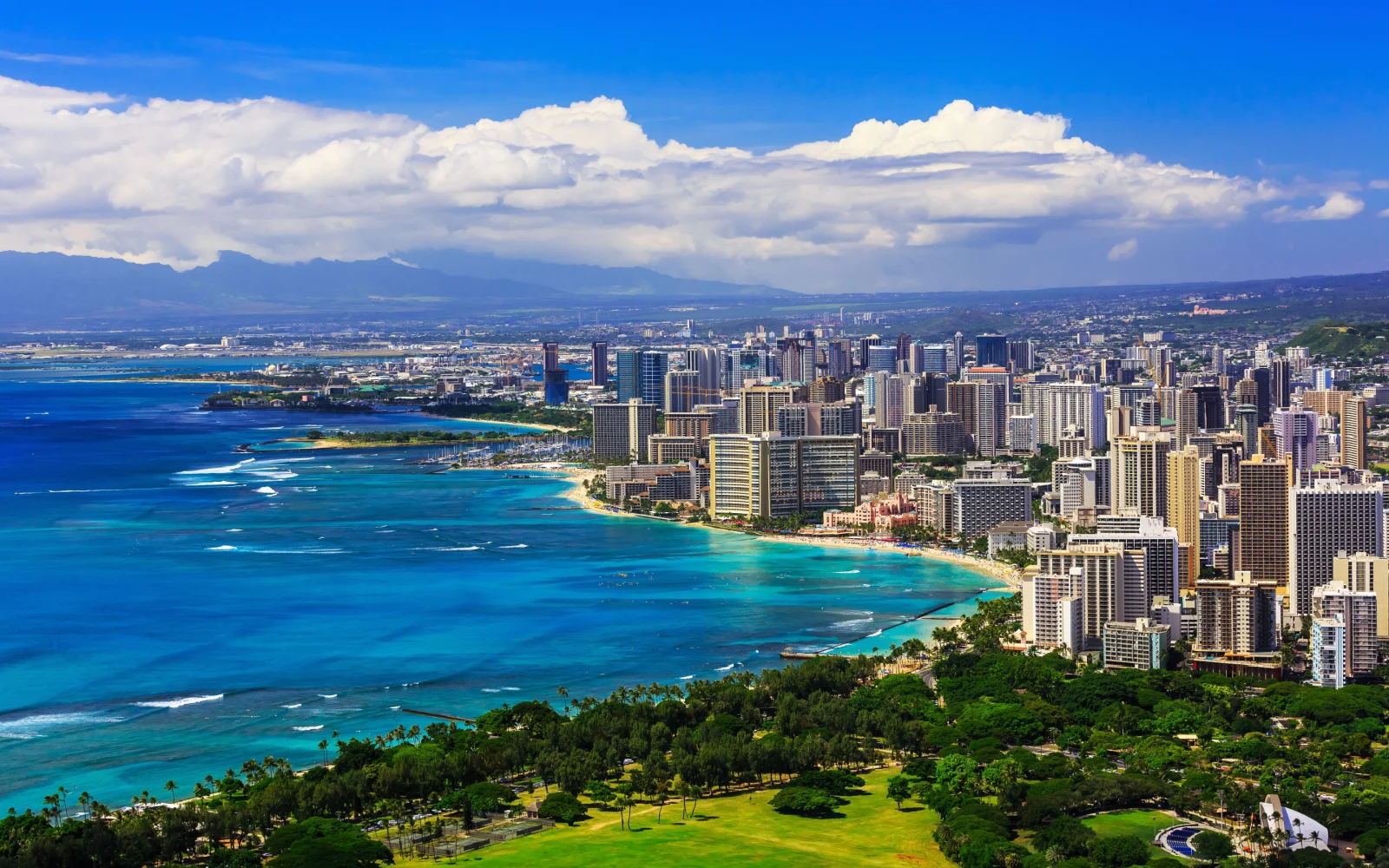
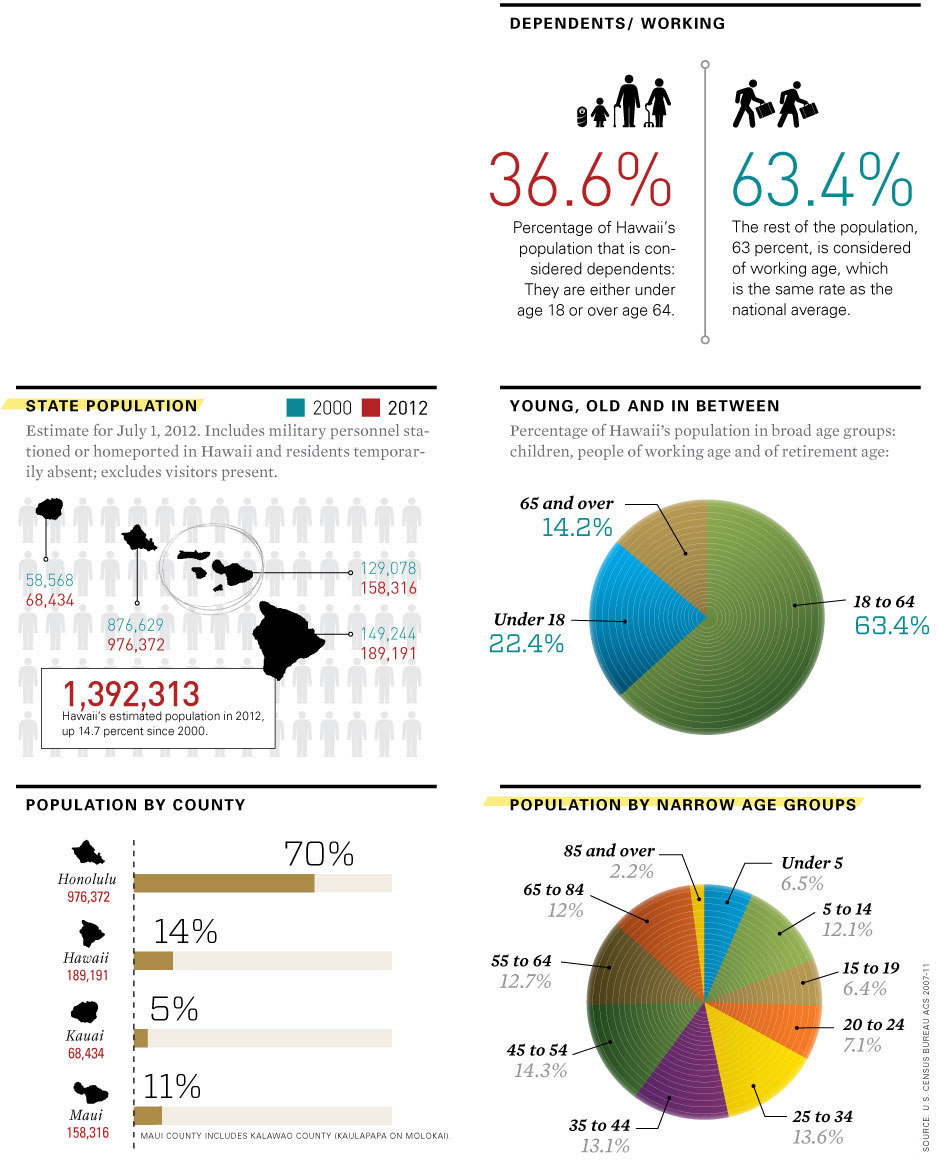
The resident population of Hawaii is a dynamic figure, subject to various factors including birth rates, migration, and the ebbs and flows of military assignments. As of recent estimates (typically derived from the U.S. Census Bureau data), the state’s population hovers around 1.4 to 1.5 million people. This number, while seemingly modest compared to many mainland United States states, represents a vibrant blend of indigenous Polynesian heritage and a rich tapestry of immigrant cultures. This unique demographic profile is central to Hawaii’s appeal, influencing everything from its local cuisine and festivals to its distinct approach to community and environmental stewardship. For anyone looking to travel, live, or simply understand the islands better, recognizing the size and characteristics of its resident population is the first step in appreciating the true spirit of Aloha Spirit.
Hawaii’s Population Snapshot: A Demographic Tapestry
To truly grasp the essence of Hawaii, one must delve deeper than just a single population figure. The islands represent a fascinating microcosm of global cultures, shaped by centuries of migration and historical events. From the original Polynesian navigators to successive waves of immigrants from Asia, Europe, and North America, the resident population is a testament to Hawaii’s unique position as a cultural crossroads in the Pacific Ocean.
Island by Island: Where People Live
While Hawaii is comprised of eight main islands, the population is not evenly distributed. The vast majority of residents live on just a few of these islands, with Oahu being by far the most populous.
- Oahu: Often referred to as “The Gathering Place,” Oahu is home to roughly two-thirds of the state’s entire population, totaling over 980,000 residents. This concentration is largely due to the presence of Honolulu, the state capital and largest city, which serves as the economic and administrative hub of Hawaii. Honolulu boasts iconic landmarks like Waikiki Beach and the historic site of Pearl Harbor, drawing both residents and millions of tourists annually. The urban landscape of Honolulu contrasts sharply with the island’s lush North Shore, famous for its surfing beaches, showcasing the diverse lifestyles available on Oahu.
- Maui: Known as “The Valley Isle,” Maui is the second most populous island, with approximately 165,000 residents. Its economy heavily relies on tourism, with popular attractions such as Haleakala National Park and the scenic Maui’s Road to Hana. The island offers a mix of bustling resort towns like Kaanapali and more laid-back, rural communities.
- Island of Hawaii: The “Big Island” is geographically the largest but ranks third in population, with around 200,000 residents. Its diverse climate zones and active volcanoes, including Kilauea and Mauna Loa, contribute to its unique character. Major towns like Hilo and Kona serve as population centers, each offering distinct cultural and economic landscapes. Hawaii Volcanoes National Park is a significant draw for visitors and a point of pride for residents.
- Kauai: “The Garden Isle” is home to about 75,000 people. Famous for its dramatic cliffs along the Na Pali Coast and the vast Waimea Canyon, Kauai offers a more tranquil, nature-focused lifestyle. Its smaller population supports a close-knit community feel, even amidst a thriving tourism industry.
- Molokai and Lanai: These smaller islands have populations of a few thousand each, offering a glimpse into a more traditional Hawaii away from the bustling crowds. Molokai maintains a strong connection to Native Hawaiian culture, while Lanai is often associated with luxury resorts and exclusive experiences.
- Niihau and Kahoolawe: These islands are largely uninhabited or privately owned, with Niihau having a small, primarily Native Hawaiian population preserving traditional ways of life, and Kahoolawe being reserved for cultural and environmental restoration after years of military use.
Demographic Richness: A Melting Pot
The population of Hawaii is incredibly diverse, reflecting centuries of global interaction. This is not merely an anecdote but a fundamental aspect of its identity, distinguishing it significantly from other U.S. states. The largest ethnic groups include Caucasians, Native Hawaiians and other Pacific Rim Islanders, and various Asian communities, primarily from Japan, the Philippines, and China, with growing communities from Korea and Vietnam. This blend has created a unique local culture, often described as a “melting pot” or, more appropriately, a “chop suey” – where distinct flavors coexist and blend without losing their individual characteristics.
This demographic diversity influences everything from the languages spoken (English, Hawaiian, and various Pacific Rim languages), to the cuisine, which is a delightful fusion of East and West, and the religious practices and festivals celebrated throughout the year. For visitors, this translates into an enriching experience, offering opportunities to engage with multiple cultures within one island chain.
The Interplay of Residents and Visitors: A Balancing Act
The resident population of Hawaii exists in a complex relationship with its thriving tourism industry. While tourism is undeniably the economic engine of the state, providing numerous jobs and opportunities, it also presents significant challenges related to resources, infrastructure, and the preservation of local culture. Understanding this dynamic is crucial for both residents and responsible travelers.
Economic Drivers and Community Impact
Tourism is by far Hawaii’s largest economic sector, employing a substantial portion of the population and generating billions of dollars annually. Hotels, resorts, airlines, tour operators, restaurants, and retail all benefit immensely from the influx of visitors. This economic activity supports public services, infrastructure development, and creates a vibrant market for local businesses and artisans.
However, the high volume of visitors also exerts pressure on the islands. The cost of living in Hawaii is notoriously high, partly due to the demand for resources and housing by both residents and the tourism sector. Traffic congestion, particularly on Oahu and Maui, can be a daily challenge for locals. Furthermore, environmental concerns, such as the impact on coral reefs, pristine beaches, and natural habitats, require constant vigilance and management. The balance between welcoming visitors and protecting the ‘aina (land) for future generations is a continuous societal conversation.
Sustainable Tourism and Local Culture Preservation
In recent years, there has been a significant push towards more sustainable tourism practices. This movement aims to minimize the negative impacts of tourism while maximizing its benefits for local communities. For travelers, this means a shift from purely consumption-based experiences to those that offer deeper engagement and respect for the local environment and culture. Initiatives include promoting ecotourism, supporting local businesses directly, and educating visitors about respectful behavior.
The preservation of the local culture and the Aloha Spirit is paramount. Residents value their traditions, language, and way of life, which can sometimes feel diluted or commodified by mass tourism. The goal is to encourage visitors to learn about Hawaiian history, engage with local communities authentically, and contribute positively to the islands they are visiting. This includes understanding the significance of sites like Mauna Kea and respecting sacred spaces, rather than viewing them solely as photo opportunities.
Exploring Hawaii’s Diverse Lifestyles and Accommodations
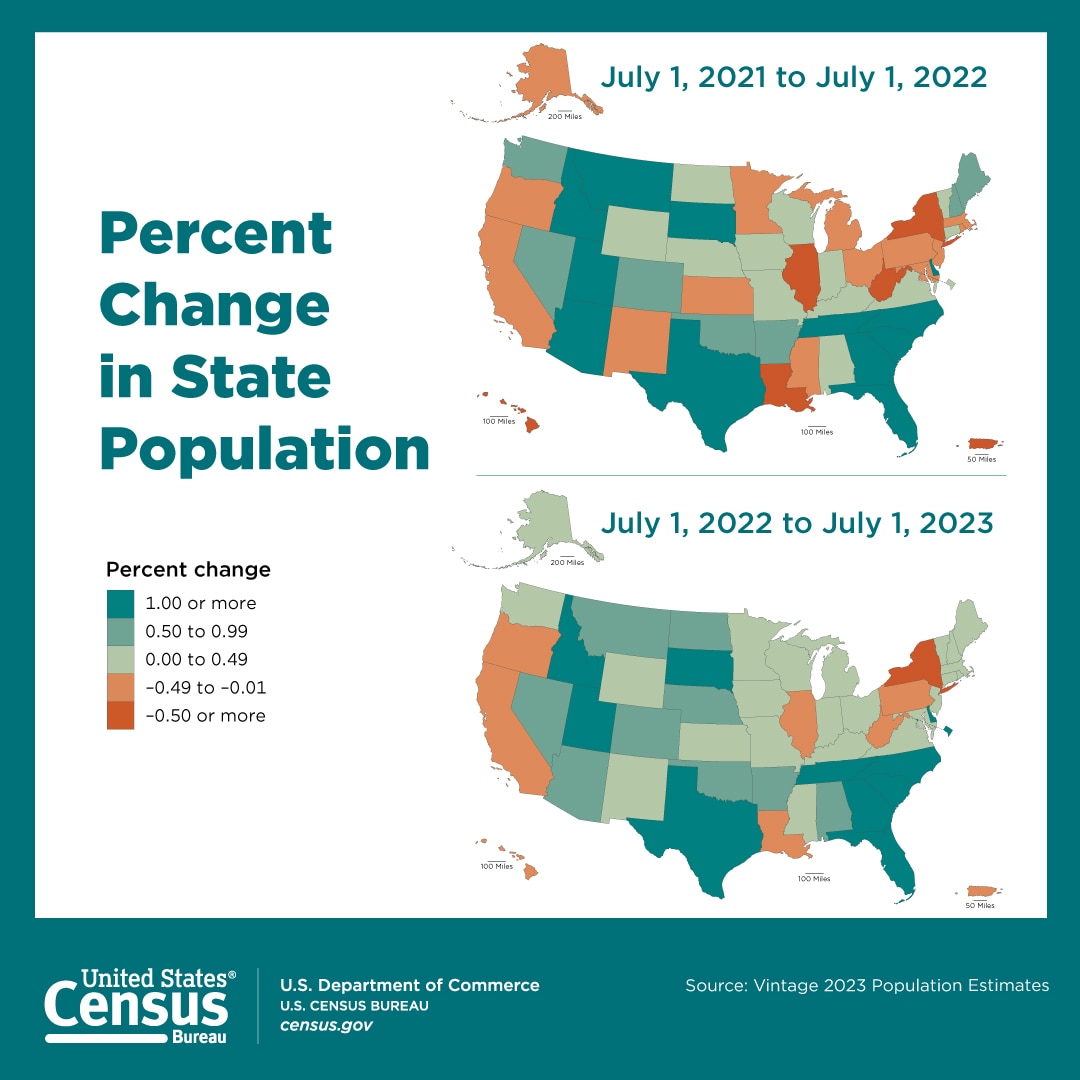
The approximately 1.4 to 1.5 million people living in Hawaii embody a spectrum of lifestyles, from urban professionals in Honolulu to farmers on the Island of Hawaii and traditional communities on Molokai. This diversity is mirrored in the vast array of accommodation options available, not just for tourists, but also for those seeking a longer-term stay or a different way of life on the islands.
A Spectrum of Living: From Urban Hubs to Secluded Retreats
The lifestyle in Hawaii is as varied as its landscapes. In Honolulu, residents experience a vibrant, cosmopolitan atmosphere with high-rise apartments, bustling markets, and a diverse culinary scene. The proximity to Waikiki Beach and sites like Diamond Head means urban living still comes with easy access to nature. Families might opt for suburban neighborhoods on Oahu or Maui, balancing school and community activities with beach days and outdoor adventures.
For those seeking a more tranquil existence, the outer islands offer a different pace. In rural Kauai or parts of the Island of Hawaii, life often revolves around agriculture, small businesses, and a stronger connection to the land and sea. Budget-conscious residents might choose more affordable areas away from the tourist centers, while luxury living is found in exclusive communities in places like Makena on Maui or along the Kona coast. The blend of military families, long-term expatriates, and multi-generational local families adds to the rich tapestry of life here.
Accommodation Choices: Catering to Every Traveler and Resident
Whether you’re visiting for a week or considering a move, Hawaii offers a comprehensive range of accommodation options.
- Hotels & Resorts: From world-renowned luxury brands to boutique hotels, Hawaii’s hotels cater to every taste. Major resort areas like Waikiki Beach, Kaanapali, and Kona offer full-service experiences with amenities ranging from spas and golf courses to multiple dining options and direct beach access. These are popular for traditional holidaymakers and business stays.
- Suites & Apartments: For families, extended stays, or those preferring self-catering options, suites and serviced apartments are abundant. These often provide more space, kitchen facilities, and a homely feel, making them ideal for budget travel or longer vacations. Many also offer amenities comparable to larger resorts.
- Villas & Vacation Rentals: For ultimate privacy and luxury, especially for larger groups or families, private villas and vacation rental homes are a prime choice. These can range from charming beachfront cottages to expansive estates with private pools and breathtaking views. They offer a unique way to experience local living while enjoying top-tier comfort.
- Long-term Stays: For individuals or families considering moving to Hawaii, or for “snowbirds” who spend several months on the islands, long-term rentals are available across various islands. This market is distinct from short-term tourist rentals and can involve apartments, houses, or even co-living spaces, allowing residents to immerse themselves fully in the local community.
- Unique Experiences: Beyond standard lodging, Hawaii also offers glamping sites, eco-lodges, and even houseboat stays, catering to adventurous travelers or those seeking a truly distinct accommodation experience.
When considering accommodation, it’s essential to research booking options, read reviews, and compare prices. Platforms for booking, local real estate agents, and dedicated long-term rental services can assist in finding the perfect fit, whether for a temporary escape or a new home.
Iconic Landmarks and Experiences Shaping Local Life
The physical landmarks of Hawaii are not just tourist attractions; they are integral to the lives and cultural identity of its residents. Places like Diamond Head on Oahu serve as a backdrop to daily life for Honolulu residents, while the active volcanoes of Kilauea on the Island of Hawaii are a constant reminder of nature’s power and the islands’ dynamic geology. The Na Pali Coast of Kauai, majestic and remote, inspires awe and pride in those who call the island home.
Beyond natural wonders, historical landmarks such as Pearl Harbor are sites of profound national and local significance, connecting residents to pivotal moments in history. Cultural centers like the Polynesian Cultural Center on Oahu are not only attractions but also vital institutions for preserving and sharing the rich heritage of the Pacific Rim with residents and visitors alike. Even agricultural sites, such as the Kauai Coffee Estate, contribute to the island’s unique character and economic landscape, impacting the daily lives of many local families. These landmarks are more than just places to visit; they are living testaments to Hawaii’s past, present, and future, interwoven into the collective consciousness of its people.
Navigating Hawaii: Tips for Respectful Engagement
For the millions of visitors who flock to Hawaii each year, understanding the nuances of local life and culture is crucial for a fulfilling and respectful experience. The Aloha Spirit is not merely a greeting; it’s a way of life that emphasizes kindness, compassion, and mutual respect. Engaging with the islands with this spirit in mind ensures that your visit enriches both your life and the lives of the people who call Hawaii home.
Embracing Aloha: Food, Activities, and Local Etiquette
To truly appreciate the local lifestyle, immerse yourself in Hawaii’s unique cultural offerings:
- Local Culture: Participate in activities that offer genuine insight into Hawaiian traditions. Seek out local hula performances, traditional luaus (often found at resorts but also community-based ones), and learn a few Hawaiian words. Understand the importance of ‘ohana (family) and malama ‘aina (care for the land). Respect local customs, especially when visiting sacred sites or attending community events.
- Food: Hawaii’s culinary scene is a delicious fusion of Polynesian, Asian, and American influences. Venture beyond resort restaurants to try local plate lunches, poke bowls, fresh seafood from local markets, and tropical fruits. Supporting local farmers’ markets and family-owned eateries is a great way to experience authentic flavors and contribute directly to the local economy.
- Activities: While popular attractions are well-known, consider activities that foster a deeper connection with nature and local communities. Snorkeling, surfing (maybe even taking a lesson at Honolua Bay), hiking trails like the Kalalau Trail (with proper permits), or exploring less-traveled beaches can offer more intimate experiences. Always adhere to safety guidelines and environmental regulations, especially in protected natural areas.
- Tips for Respectful Travel:
- Be Mindful of Resources: Water and energy are precious on the islands. Conserve both whenever possible.
- Reduce Your Footprint: Opt for reusable water bottles, bags, and reef-safe sunscreen. Dispose of trash properly and leave no trace.
- Respect Wildlife: Maintain a safe distance from marine life like turtles and monk seals, and never feed wild animals.
- Traffic Etiquette: Be patient in traffic, especially on Oahu, and use the “shaka” sign as a friendly gesture of thanks.
- Support Local: Prioritize local businesses, artists, and tour operators over large chains where possible.
Planning Your Stay: Booking, Reviews, and Long-term Options
Effective planning is key to a smooth and enjoyable Hawaii experience:
- Booking Accommodation: Start your search for hotels, resorts, or vacation rentals well in advance, especially during peak seasons. Utilize reputable booking websites, but also check directly with hotels for potential deals or packages.
- Reviews and Comparison: Always read recent reviews to gauge guest experiences regarding cleanliness, service, location, and amenities. Compare several options to find the best value and fit for your travel style and budget. Pay attention to comments about noise levels or unexpected fees.
- Transportation: Renting a car is often recommended for exploring beyond resort areas, especially on islands like Maui and the Island of Hawaii. On Oahu, public transportation (TheBus) is an option in Honolulu, and ride-sharing services are also available. Book rental cars early, as they can be limited and expensive.
- Long-term Considerations: If you’re contemplating a long-term stay or moving to Hawaii, research goes beyond typical travel planning. Investigate visa requirements if applicable, job markets, housing costs (which are significantly higher than the national average), school systems, and healthcare options. Connecting with local communities online or through expatriate groups can provide invaluable insights into day-to-day life and the practicalities of becoming a resident. Understand that the initial allure of paradise sometimes clashes with the realities of island living, so thorough preparation is essential.
In conclusion, the question “How many people live in Hawaii?” opens a door to a deeper understanding of this remarkable state. The approximately 1.4 to 1.5 million residents are the heartbeat of these islands, shaping its culture, economy, and the very Aloha Spirit that draws visitors from around the globe. By recognizing the intricate balance between resident life and tourism, and by engaging with the islands respectfully and thoughtfully, travelers can contribute to the enduring vibrancy and sustainability of this truly unique United States destination.
LifeOutOfTheBox is a participant in the Amazon Services LLC Associates Program, an affiliate advertising program designed to provide a means for sites to earn advertising fees by advertising and linking to Amazon.com. Amazon, the Amazon logo, AmazonSupply, and the AmazonSupply logo are trademarks of Amazon.com, Inc. or its affiliates. As an Amazon Associate we earn affiliate commissions from qualifying purchases.