
The allure of Hawaii lies in its stunning beaches, vibrant culture, and, perhaps most profoundly, its dynamic volcanic landscape. Far more than just tropical paradise, Hawaii is a living geological masterpiece, a testament to the Earth’s enduring power. For travelers, understanding the number and nature of these magnificent geological formations is key to unlocking the true depth of a Hawaiian experience. From the active lava flows that captivate adventurers to the ancient, eroded peaks that offer breathtaking vistas, Hawaii’s volcanoes are central to its identity as a premier travel destination. This article delves into the impressive count of volcanoes across the Hawaiian Islands and explores how they shape the travel, tourism, and lifestyle opportunities for visitors seeking unforgettable experiences.

The Volcanic Landscape of Hawaii: A Geological Marvel
The Hawaiian Islands are unique in their formation, born from a phenomenon known as a hotspot. Unlike most volcanoes that form at tectonic plate boundaries, the Hawaiian volcanoes are a result of the Pacific Plate slowly moving over a stationary plume of magma deep within the Earth’s mantle. This ” Hawaiian Hotspot” has been spewing lava for millions of years, creating a chain of islands that stretch thousands of miles. The islands we know today are just the youngest, most visible peaks of a vast submarine mountain range.
This geological origin story is crucial for understanding why there are so many volcanoes in Hawaii and why they vary so dramatically in age and activity. The further northwest you go in the chain, the older and more eroded the volcanoes become, having moved away from the hotspot. The southeastern islands, particularly the Big Island, are directly over the hotspot, hence their continued volcanic activity. This incredible natural process has gifted Hawaii with a diverse landscape, ranging from barren lava fields to lush rainforests, all sculpted by fire and time. For those interested in nature and geology, a trip to Hawaii is an immersive lesson in Earth science, offering a unique opportunity to witness planetary forces at work.
Counting Hawaii’s Iconic Volcanoes
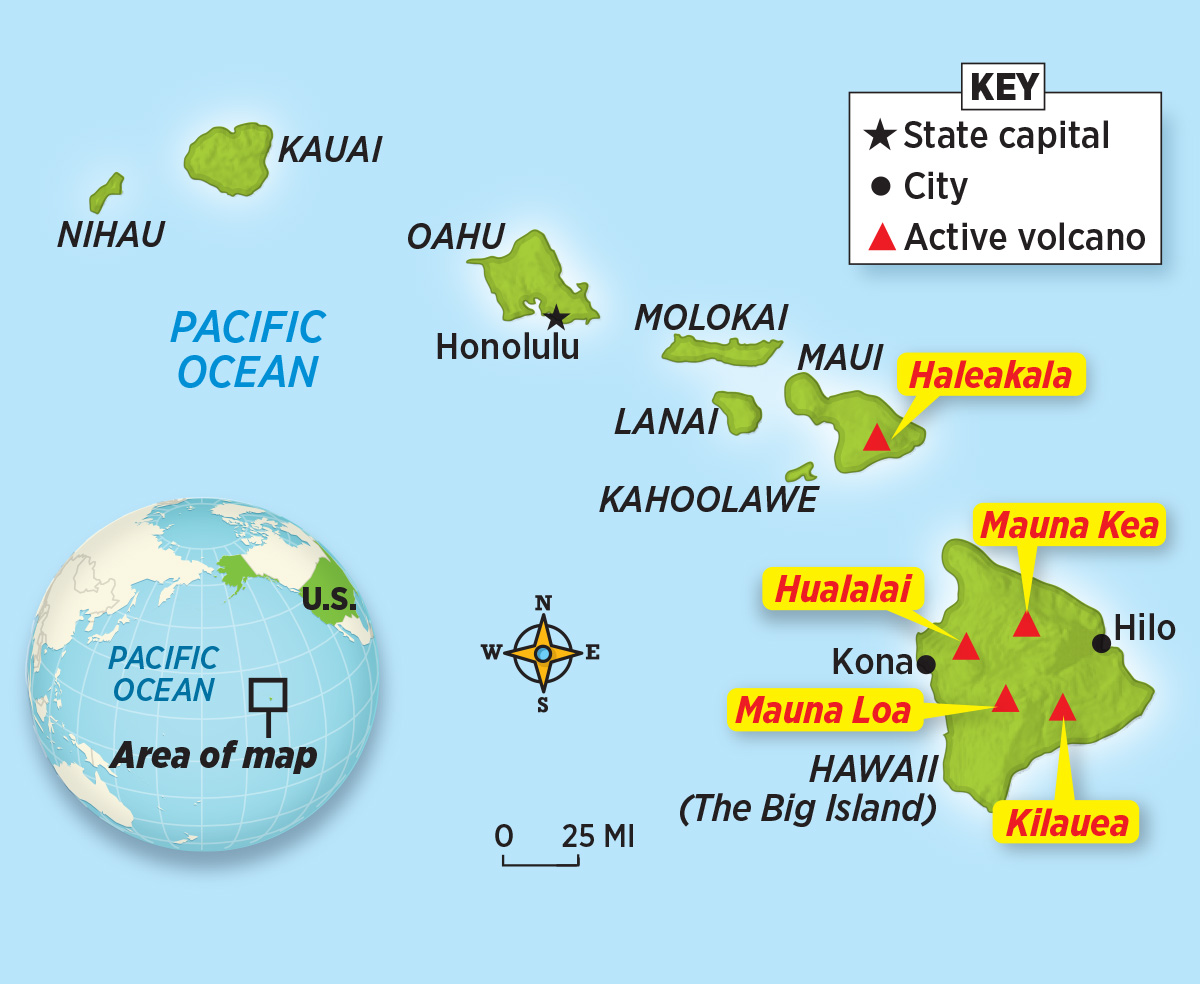
When answering “How many volcanoes are in Hawaii?”, the number depends on how one defines a volcano and whether you’re counting active peaks, dormant giants, or extinct seamounts. Focusing on the main Hawaiian Islands and their significant peaks, we can identify several prominent volcanoes, each contributing to the unique character of its respective island.
The Big Island’s Active Giants: Mauna Loa and Kilauea
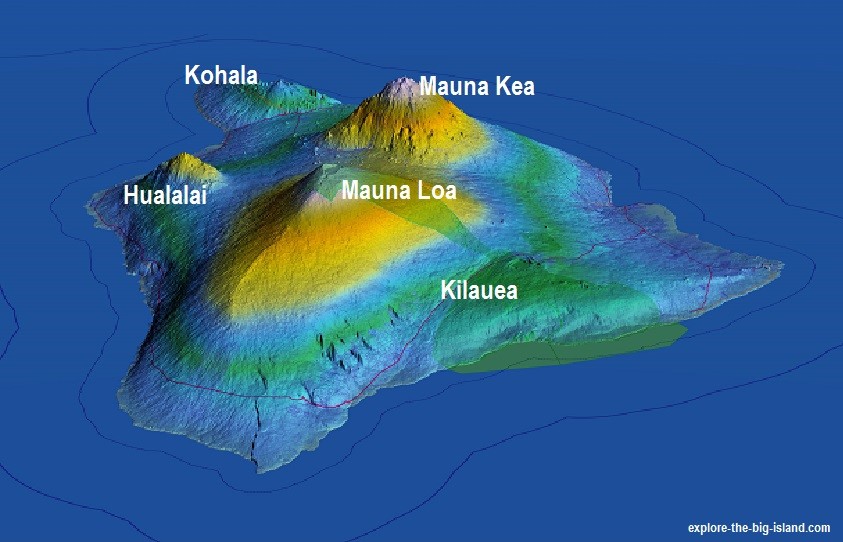
The Big Island of Hawaii is home to five major volcanoes, two of which are among the most active on Earth:
- Mauna Loa: Meaning “Long Mountain,” Mauna Loa is the largest volcano on Earth by volume and mass. It rises an astonishing 30,000 feet from its base on the seafloor, making it taller than Mount Everest if measured from base to summit. While it erupts less frequently than its neighbor, its eruptions can be massive.
- Kilauea: Perhaps the most famous volcano in Hawaii, Kilauea has been almost continuously erupting since 1983, albeit with periods of increased and decreased activity. Its accessibility within Hawaii Volcanoes National Park makes it a prime attraction for visitors hoping to witness active lava flows, glowing craters, and steam vents.
- Mauna Kea: “White Mountain” is a dormant volcano and the highest point in Hawaii, standing over 13,800 feet above sea level. Its summit is renowned for its astronomical observatories, offering unparalleled stargazing opportunities.
- Hualalai: This dormant volcano dominates the landscape above Kona, and while not recently active, it is still considered capable of erupting in the future.
- Kohala: The oldest volcano on the Big Island, Kohala is extinct and heavily eroded, forming the dramatic valleys and cliffs of the island’s northern region.
Adding to these visible peaks, there’s also Loʻihi Seamount, an active submarine volcano located off the coast of the Big Island. It is slowly building towards the surface and is projected to become Hawaii’s newest island in tens of thousands of years.
Maui’s Majestic Haleakala
On the island of Maui, the dominant feature is Haleakala, meaning “House of the Sun.” This enormous shield volcano forms more than 75% of Maui’s landmass. While dormant, its last eruption was in the late 1700s, making it geologically young. Its massive crater, often mistakenly called a caldera, is a spectacular sight, drawing visitors for sunrise and sunset views that are truly out of this world. Haleakala National Park offers hiking, camping, and incredible photographic opportunities.
The Ancient Peaks of Oahu and Kauai
Moving further up the island chain, the volcanoes become older and more eroded.
- Oahu: This island is formed by two main shield volcanoes: Waiʻanae to the west and Koʻolau to the east. These ancient volcanoes have shaped the island’s distinctive landscape, including the famous Diamond Head (Leʻahi) and Koko Head craters, which are post-erosional vents. While extinct, these landmarks are integral to Oahu’s identity and popular tourist attractions offering scenic hikes and panoramic views of Honolulu and Waikiki.
- Kauai: Known as the “Garden Isle,” Kauai is primarily formed by a single, heavily eroded shield volcano centered around Mount Waiʻaleʻale. This ancient volcano is responsible for Kauai’s dramatic cliffs, deep canyons like Waimea Canyon, and lush interior, showcasing the long-term effects of erosion on volcanic landscapes.
So, when counting, one could say there are roughly 15 significant, named volcanoes across the main eight Hawaiian Islands (including Molokai, Lanai, Niihau, and Kahoolawe, each with its own volcanic origins), with several more submarine peaks. The most important distinction for travelers, however, is between the active and accessible volcanoes versus the dormant or extinct ones.
Exploring Hawaii’s Volcanic Attractions: Beyond the Lava
The draw of Hawaii’s volcanoes extends far beyond merely observing lava. They offer a myriad of unique attractions and experiences that cater to diverse travel styles, from adventurous hikers to those seeking tranquil natural beauty.
Hawaii Volcanoes National Park: A Must-Visit
For anyone serious about experiencing Hawaii’s volcanic heart, Hawaii Volcanoes National Park on the Big Island is indispensable. This UNESCO World Heritage Site offers unparalleled access to two of the world’s most active volcanoes, Kilauea and Mauna Loa. Visitors can drive the scenic Crater Rim Drive and Chain of Craters Road, marvel at vast lava fields, explore steam vents and sulfur banks, and walk through the incredible Thurston Lava Tube. Depending on current volcanic activity, you might witness glowing lava from designated viewing areas, a truly mesmerizing and humbling experience that connects you directly to the raw power of Earth. The park also features numerous hiking trails through diverse ecosystems, from lush rainforests to stark volcanic deserts, offering a glimpse into the ongoing process of ecological succession on new land.
Sunrise and Stargazing at Haleakala
On Maui, a visit to Haleakala National Park provides a different, but equally profound, volcanic encounter. The most popular activity is catching the sunrise from the summit, a spiritual experience as the sky bursts into a kaleidoscope of colors above a sea of clouds. Reservations are often required for sunrise viewing due to its immense popularity. By day, the surreal, lunar-like landscape of the Haleakala crater invites hikers to explore its unique flora and fauna, including endemic species found nowhere else on Earth. After dark, Haleakala’s high elevation and clear skies make it an exceptional spot for stargazing, drawing astronomers and casual sky-watchers alike. The visitor center often hosts ranger-led programs to enhance the experience.
Black Sand Beaches and Geothermal Wonders
The volcanic activity has shaped Hawaii’s coastline in spectacular ways. The erosion of lava rock creates iconic black sand beaches like Punaluʻu Beach on the Big Island, where you can often spot green sea turtles basking in the sun. Beyond the beaches, the islands are dotted with various geothermal features, from natural hot ponds perfect for a relaxing soak to powerful steam vents that serve as visible reminders of the heat bubbling beneath the surface. These natural wonders provide excellent opportunities for photography and offer a deeper appreciation for the interconnectedness of Hawaii’s geology and its unique ecosystems.
Planning Your Volcanic Adventure: Tips for Travelers
A journey to Hawaii’s volcanoes demands thoughtful planning to ensure a safe, enjoyable, and memorable trip. Understanding the nuances of volcanic tourism can greatly enhance your overall Hawaiian experience.
Best Time to Visit
Hawaii enjoys a tropical climate year-round, but specific considerations apply to volcanic areas. Weather at higher elevations, like the summit of Mauna Kea or Haleakala, can be dramatically different from the coast, often cold and windy, even seeing snow in winter. For lava viewing at Kilauea, nighttime generally offers the best visibility of glowing lava. The “dry season” (April to October) typically offers more stable weather, though rain is always possible in tropical rainforest areas. Always check local forecasts and volcano updates before heading out.
Safety First: Essential Tips
Visiting active volcanic areas requires adherence to safety guidelines. Always stay on marked trails, respect closed areas, and heed warnings from park rangers. Volcanic gases, like sulfur dioxide (vog), can be harmful, especially for individuals with respiratory conditions. Pack layers of clothing, as temperatures can drop significantly at higher elevations or after sunset. Sturdy closed-toe shoes are essential for navigating uneven volcanic terrain. Bring plenty of water, snacks, sunscreen, and a hat. For those venturing near lava flows (if permitted and safe), remember that the ground can be extremely hot and unstable. Never approach active lava without proper guidance and safety precautions.
Guided Tours and Independent Exploration
Both guided tours and independent exploration offer distinct advantages. Guided tours provide expert insights into the geology, culture, and history of the volcanoes, often include transportation, and can lead you to prime viewing spots. Options range from half-day excursions to multi-day adventure trips. For those who prefer independent travel, renting a car offers the flexibility to explore at your own pace. The national parks are well-equipped with visitor centers, maps, and informational signage. Whichever you choose, preparation is key to making the most of your volcanic journey.
Where to Stay: Accommodation Near Hawaii’s Volcanoes
Accommodation choices around Hawaii’s volcanic regions cater to a wide range of preferences and budgets, from cozy bed-and-breakfasts to luxurious resorts. Selecting the right place to stay can significantly enhance your volcanic exploration.
Hotels and Resorts near Volcanoes National Park
For an immersive experience, consider staying in or near Volcano Village on the Big Island, just outside Hawaii Volcanoes National Park. Options include charming bed and breakfasts, vacation rentals, and unique cabins nestled in lush rainforests. The historic Volcano House is located directly within the park and offers stunning views of Kilauea’s caldera, making it an unparalleled choice for proximity to the active volcano. On Maui, while there are no hotels directly at the summit of Haleakala, many visitors choose to stay in nearby towns like Kula or Makawao in the upcountry region, offering cooler temperatures and easier access to the park entrance for early morning sunrise trips. For a more resort-style stay, the coastal towns of Lahaina or Wailea provide luxury amenities, though with a longer drive to Haleakala.
Unique Accommodations: Cabins and Vacation Rentals
Beyond traditional hotels, Hawaii’s volcanic areas offer unique accommodation experiences. Imagine staying in a secluded cabin surrounded by native Hawaiian forests, or a quaint vacation rental with views of volcanic steam. These options often provide a more intimate connection with the natural environment and are ideal for family trips or those seeking tranquility away from the bustling tourist hubs. Websites specializing in villa rentals and apartment bookings can help you find hidden gems.
Luxury vs. Budget Options
Whether you’re a luxury traveler or planning a budget-friendly trip, Hawaii has options near its volcanoes. Luxury resorts on the Big Island, such as those along the Kona-Kohala coast like the Four Seasons Hualalai or the Fairmont Orchid, offer opulent amenities, spa services, and fine dining, often with views of the dormant Hualalai volcano or distant Mauna Kea. For budget travelers, campsites within the national parks (like Nāmakanipaio Campground in Hawaii Volcanoes National Park) or hostels in nearby towns offer affordable alternatives. Comparing options through accommodation booking platforms and reading reviews can help you find the perfect balance for your stay, ensuring comfort after a day of volcanic exploration.
In conclusion, while the question “How many volcanoes are in Hawaii?” yields a number that depends on geological definitions, the true answer lies in the profound impact these geological wonders have on the islands. They are not merely geological features but dynamic forces that define Hawaii’s landscapes, drive its tourism, and offer unparalleled travel experiences. From witnessing creation on the Big Island to soaking in ancient beauty on Kauai, Hawaii’s volcanoes invite travelers to connect with the planet’s pulse in a truly unique way. Plan your visit wisely, respect the power of nature, and prepare for an adventure that will undoubtedly leave a lasting impression.
LifeOutOfTheBox is a participant in the Amazon Services LLC Associates Program, an affiliate advertising program designed to provide a means for sites to earn advertising fees by advertising and linking to Amazon.com. Amazon, the Amazon logo, AmazonSupply, and the AmazonSupply logo are trademarks of Amazon.com, Inc. or its affiliates. As an Amazon Associate we earn affiliate commissions from qualifying purchases.