
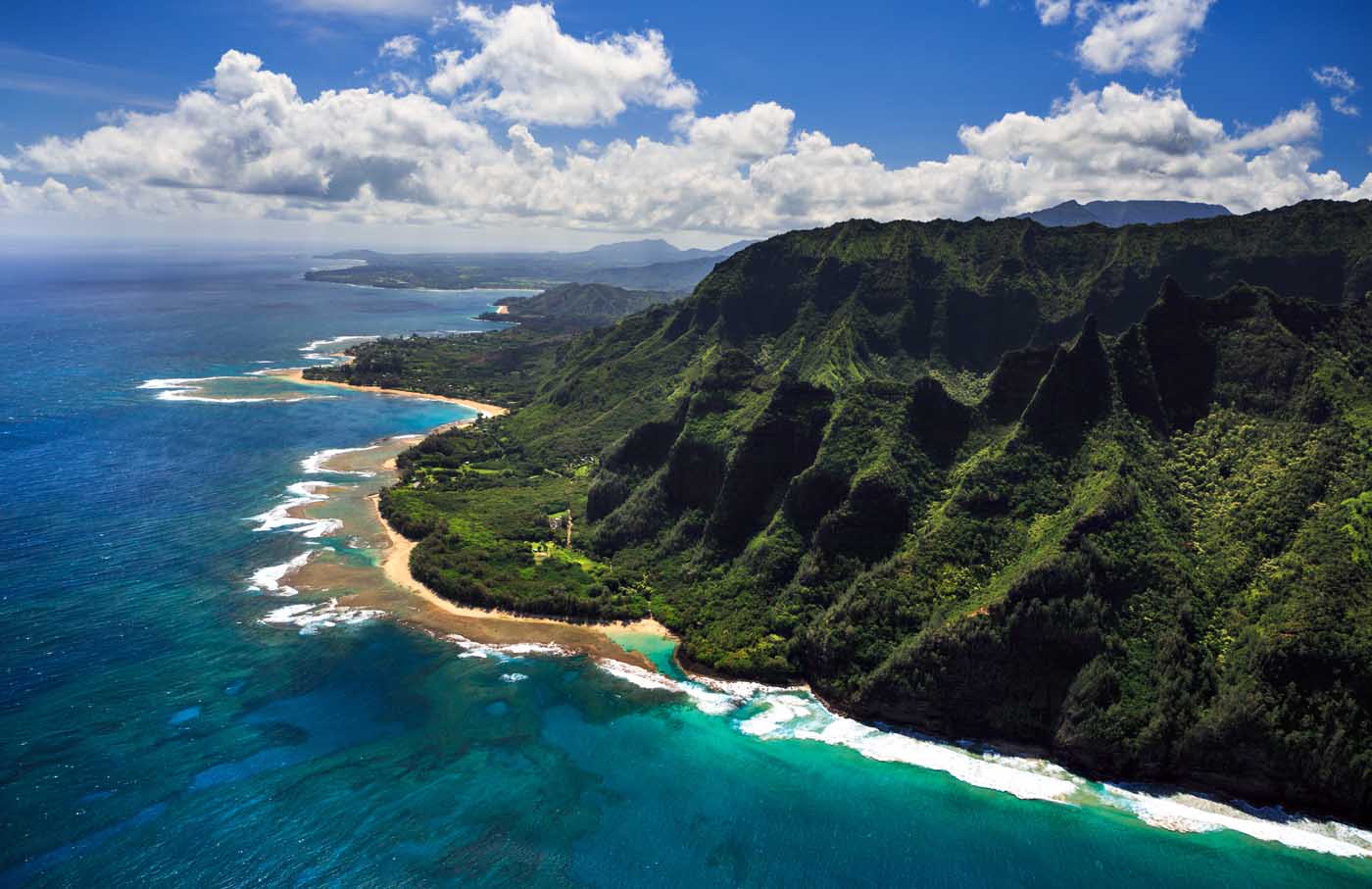
Hawaii, the archipelago of unparalleled beauty nestled in the heart of the Pacific Ocean, beckons millions of travelers each year with its promise of pristine beaches, lush landscapes, vibrant culture, and the spirit of Aloha. As a dream destination for many, the allure of Hawaii often comes with questions about the associated costs. Is it an exclusive luxury retreat, or can it be enjoyed on a more modest budget? The truth lies somewhere in between, with a vast spectrum of options available to suit nearly every financial plan.
Planning a trip to Hawaii requires a comprehensive understanding of the various expenses involved. From the moment you book your flight to the last souvenir you pick up, every decision impacts the final bill. This guide will meticulously break down the typical costs associated with a Hawaiian vacation, offering insights into how to budget effectively, save money, and ultimately make your dream trip a reality. We’ll explore everything from airfare and accommodation to dining, activities, and on-island transportation, providing a realistic picture of what you can expect to spend and how to optimize your experience.

The Core Components of Your Hawaiian Budget
Understanding the fundamental categories of expenditure is crucial when planning any trip, especially to a destination like Hawaii, where prices can fluctuate significantly based on seasonality, demand, and your personal travel style. Here, we’ll delve into the main financial pillars of your Hawaiian adventure.
Flights: Getting To Paradise
The cost of airfare is often the first and most substantial expense for travelers heading to Hawaii, particularly for those coming from North America or further afield. Several factors influence flight prices:
- Departure Location: Flights from the United States West Coast (e.g., Los Angeles, San Francisco, Seattle) are generally cheaper and shorter than those from the East Coast.
- Time of Year: Peak travel seasons, such as Christmas and New Year’s, Spring Break, and mid-Summer, see the highest prices. The shoulder seasons (Spring and Fall) often offer better deals and pleasant weather. Winter can be popular but also offers good deals outside of holidays.
- Booking Window: Generally, booking 3-6 months in advance yields the best prices. Last-minute deals are rare for Hawaii.
- Airline and Flexibility: Budget airlines like Southwest Airlines (for inter-island flights and some mainland routes) or full-service carriers such as Hawaiian Airlines, Alaska Airlines, Delta Air Lines, United Airlines, and American Airlines offer varying price points and amenities. Being flexible with your travel dates can also lead to significant savings.
Estimated Cost: For a round-trip ticket from the United States mainland to Hawaii, expect to pay anywhere from $400 – $800 during off-peak seasons, and $800 – $1,500+ during peak times. Flights to Oahu (Daniel K. Inouye International Airport in Honolulu) are often the most affordable due to higher flight volume. Other major airports include Kahului Airport on Maui, Kona International Airport on the Big Island, and Lihue Airport on Kauai.
Accommodation: Your Home Away From Home
Accommodation will likely be your second largest expenditure. Hawaii offers a diverse range of lodging options, from budget-friendly hostels to ultra-luxury resorts. The cost heavily depends on the island, location, time of year, and type of stay.
- Hotels & Resorts:
- Budget (Hostels, smaller hotels): While less common, some islands offer basic hotels or hostels, especially in urban areas like Honolulu. Expect $70 – $150 per night.
- Mid-Range (Chain hotels like Marriott, Hilton, Hyatt, Westin, Sheraton): These are plentiful in popular tourist areas such as Waikiki on Oahu, Kaanapali on Maui, or Poipu on Kauai. Prices typically range from $250 – $500 per night.
- Luxury (High-end resorts like Four Seasons, Ritz-Carlton, Fairmont Kea Lani, Grand Wailea, The Royal Hawaiian, Moana Surfrider, or Aulani, A Disney Resort & Spa): These properties offer unparalleled amenities, exquisite dining, and prime beachfront locations, often found in areas like Wailea on Maui or Princeville on Kauai. Expect to pay $600 – $1,500+ per night, sometimes significantly more for suites or premium villas.
- Vacation Rentals (Airbnb, VRBO): These can be a good option for families or groups, offering more space and the ability to cook your own meals. Prices vary widely based on size, location, and amenities, but you can find studios or one-bedroom units for $150 – $400 per night, with larger homes costing $500 – $1,000+. Be aware of local regulations regarding short-term rentals, particularly on islands like Oahu.
- Resort Fees & Taxes: Most hotels and resorts in Hawaii charge mandatory daily resort fees (typically $25-$50 per night) which cover amenities like Wi-Fi, fitness center access, and pool towels. Additionally, state and transient accommodation taxes (around 14-18%) are applied to all lodging. Always factor these into your budget.
Food & Dining: Savoring the Islands
Eating in Hawaii can be as expensive or as affordable as you make it. Groceries tend to be significantly pricier than on the mainland United States due to shipping costs, but there are plenty of options for every budget.
- Fine Dining: Hawaii boasts world-class restaurants, particularly in resort areas. A dinner for two with drinks can easily cost $150 – $400+.
- Mid-Range Restaurants: Casual sit-down restaurants, often serving local Hawaiian or Asian-inspired cuisine, will cost around $50 – $100 for dinner for two.
- Casual Eateries & Food Trucks: This is where you can find great value and authentic local flavors. Plate lunches, food trucks, and local diners offer delicious meals for $15 – $30 per person. Look for popular spots around Honolulu, Lahaina, or Kona. Don’t forget to try fresh Poke bowls!
- Groceries: A savvy traveler can save a lot by purchasing groceries and preparing some meals, especially breakfast and lunch, in their accommodation (if it has kitchen facilities). A week’s worth of basic groceries for two could be $150 – $250, depending on your choices.
- Drinks: Alcoholic beverages, particularly at resorts, can be expensive. Expect $10 – $20 for a cocktail. Local beers are often a more affordable option.
- Average Daily Food Cost:
- Budget: $50 – $80 per person (mix of groceries, food trucks, casual eats).
- Mid-Range: $80 – $150 per person (mix of groceries, casual dining, a few nicer meals).
- Luxury: $150+ per person (frequent dining out, fine dining experiences).
Activities & Excursions: Experiencing Aloha
This category has the most variable costs, as it depends entirely on your interests. Hawaii offers a blend of free natural wonders and paid guided experiences.
- Free Activities: Many of Hawaii’s best attractions are free: swimming and sunbathing at world-famous beaches, hiking scenic trails (e.g., Diamond Head on Oahu), exploring botanical gardens, driving coastal roads (Road to Hana on Maui), and watching sunsets.
- Moderate Cost Activities:
- Snorkeling/Diving Tours: $70 – $150 per person.
- Surfing Lessons: $60 – $120 per person.
- Entrance Fees to Attractions: Pearl Harbor memorials often have free entry, but guided tours or specific museums might cost $20 – $50. Entry to state or national parks like Hanauma Bay, Hawaii Volcanoes National Park or Haleakala National Park ranges from $10 – $30 per vehicle.
- Luau Shows: A must-do cultural experience, a luau typically costs $120 – $200+ per person, including dinner and entertainment.
- High Cost Activities:
- Helicopter Tours: Offering breathtaking aerial views of volcanoes, waterfalls, and the Na Pali Coast, these can range from $250 – $600+ per person.
- Ziplining/ATV Tours (Kualoa Ranch on Oahu): $100 – $250+ per person.
- Private Boat Charters or Deep-Sea Fishing: Can cost $500 – $2,000+, often split among a group.
- Polynesian Cultural Center (Oahu): Tickets range from $70 – $250+ depending on packages and shows.
- Inter-island Travel: If you plan to hop between islands, factor in the cost of flights (typically $70 – $150 one-way) or ferries (e.g., between Maui and Lanai).
On-Island Transportation: Navigating the Archipelago
Getting around Hawaii depends heavily on which island you’re visiting and your desired level of flexibility.
- Rental Cars: For exploring islands like Maui, the Big Island, or Kauai, a rental car is almost essential. Prices vary by season and demand, but expect $50 – $100+ per day, excluding gas (which is more expensive than the mainland United States) and parking fees (often $25 – $50 per day at hotels). Book well in advance, especially from companies like Hertz, Avis, Enterprise, or Budget.
- Public Transportation: Oahu has the most robust public transport system, TheBus, with single fares around $3 and day passes for $5.50. Other islands have more limited options.
- Ride-Sharing & Taxis: Services like Uber and Lyft are available in major tourist areas, but costs can add up quickly, especially for longer distances or peak times. Taxis are also available but generally more expensive.
- Shuttles & Tours: Many resorts offer shuttle services to nearby attractions. Additionally, booking guided tours often includes transportation, which can be a convenient option.
Crafting Your Hawaiian Itinerary & Budget
To provide a clearer picture, let’s outline potential costs for a hypothetical 7-day trip for two people, categorized by budget level. These estimates are broad and can vary significantly.
Budget-Friendly Hawaiian Getaway (7 Days, 2 People)
This approach focuses on maximizing free activities, utilizing modest accommodation, and cooking some meals.
- Flights: $900 – $1,400 (off-peak, from West Coast United States)
- Accommodation: $1,050 – $1,750 ($150-$250/night for a budget hotel or Airbnb with a kitchenette)
- Food: $700 – $1,000 ($50-$70/person/day, heavily relying on groceries, food trucks, and casual dining)
- Activities: $200 – $400 (a few paid attractions, like a snorkeling tour or park entry fees; lots of free beaches and hikes)
- Transportation: $350 – $500 (public transport on Oahu or a few days of rental car on other islands, plus shuttle to/from airport)
- Miscellaneous/Contingency: $200
- Total Estimated Cost: $3,400 – $5,250 ($1,700 – $2,625 per person)
Mid-Range Comfort & Exploration (7 Days, 2 People)
This budget allows for a comfortable hotel, a mix of dining experiences, and several popular paid activities.
- Flights: $1,200 – $2,000 (shoulder season, decent airline options)
- Accommodation: $1,750 – $3,500 ($250-$500/night for a mid-range resort or comfortable Airbnb)
- Food: $1,120 – $2,100 ($80-$150/person/day, a balanced mix of casual, mid-range restaurants, and some groceries)
- Activities: $500 – $1,000 (a luau, a snorkeling trip, a surf lesson, national park entries, possibly a visit to Pearl Harbor or Polynesian Cultural Center)
- Transportation: $500 – $800 (rental car for the entire trip, including gas and parking)
- Miscellaneous/Contingency: $300
- Total Estimated Cost: $5,370 – $9,700 ($2,685 – $4,850 per person)
Luxury Hawaiian Escape (7 Days, 2 People)
This budget caters to those seeking premium experiences, luxury accommodations, fine dining, and high-end excursions.
- Flights: $2,000 – $4,000+ (business/first class or premium economy, any season)
- Accommodation: $4,200 – $10,500+ ($600-$1,500+/night for a luxury resort or private villa)
- Food: $2,100 – $4,200+ ($150-$300+/person/day, frequent fine dining, private chef options)
- Activities: $1,500 – $3,000+ (helicopter tour, private sailing charter, spa treatments, exclusive tours)
- Transportation: $800 – $1,500+ (luxury rental car, private transfers, inter-island flights)
- Miscellaneous/Contingency: $500 – $1,000+
- Total Estimated Cost: $11,100 – $24,200+ ($5,550 – $12,100+ per person)
Smart Strategies for Saving Money on Your Hawaii Trip
Hawaii doesn’t have to break the bank. With a bit of strategic planning, you can significantly reduce your costs without sacrificing the magic of the islands.
- Travel During Off-Peak Seasons: Aim for mid-April to early June or September to mid-December (avoiding holiday weeks). You’ll find lower prices for flights and accommodation, and fewer crowds.
- Book Flights and Accommodation in Advance: Especially for Hawaii, planning 6-9 months out can secure better rates. Use flight comparison sites but also check airline websites directly.
- Consider Vacation Rentals with Kitchens: Staying in an Airbnb or VRBO with cooking facilities allows you to prepare some of your own meals, saving substantially on dining costs.
- Shop at Local Grocery Stores: Supermarkets like Foodland, Safeway, or Costco (if you have a membership) can help you stock up on breakfast items, snacks, and ingredients for simple meals.
- Eat Like a Local: Seek out food trucks, local plate lunch spots, farmers’ markets, and happy hour deals for delicious and affordable meals.
- Focus on Free Activities: Hawaii’s natural beauty is its greatest attraction. Spend time at the beach, go hiking, enjoy scenic drives, and explore charming towns.
- Choose Your Island Wisely: While Oahu often has cheaper flights and more public transportation options, other islands might offer more affordable accommodation or activity costs depending on what you seek.
- Minimize Inter-Island Travel: Each inter-island flight adds to your budget. If your time and budget are limited, consider focusing on just one island to fully immerse yourself.
- Utilize Credit Card Points/Miles: If you have travel rewards credit cards, cash in points for flights or hotel stays to significantly offset major costs.
- Consider Travel Insurance: While an upfront cost, travel insurance can save you a fortune if unexpected events like trip cancellations, medical emergencies, or lost luggage occur.

Final Thoughts on Your Hawaiian Dream
A trip to Hawaii is an investment in unforgettable memories, vibrant culture, and breathtaking natural beauty. As we’ve seen, the cost can range dramatically, from a budget-conscious adventure hovering around $3,000-$5,000 for two people to a lavish luxury escape exceeding $20,000. The key to making your Hawaiian dream a reality, regardless of your budget, lies in diligent planning, flexibility, and a clear understanding of your priorities.
By carefully considering your flight options, choosing appropriate accommodation, balancing dining experiences, and selecting activities that align with your interests and budget, you can tailor a Hawaiian vacation that is both fulfilling and financially manageable. Whether you’re seeking a serene beach retreat, an adventurous exploration of volcanic landscapes, or a deep dive into Polynesian culture, Hawaii has something spectacular to offer. Start planning today, embrace the Aloha spirit, and prepare for an incredible journey to paradise.
LifeOutOfTheBox is a participant in the Amazon Services LLC Associates Program, an affiliate advertising program designed to provide a means for sites to earn advertising fees by advertising and linking to Amazon.com. Amazon, the Amazon logo, AmazonSupply, and the AmazonSupply logo are trademarks of Amazon.com, Inc. or its affiliates. As an Amazon Associate we earn affiliate commissions from qualifying purchases.