
Embarking on a Hawaiian adventure often conjures images of pristine beaches, lush volcanic landscapes, and vibrant local culture. While many visitors focus on exploring a single island, the true magic of the Aloha State lies in its diverse archipelago. Each island offers a unique personality, a distinct tapestry of experiences waiting to be discovered. To fully appreciate Hawaii’s multifaceted allure, understanding the most efficient and enjoyable ways to travel between its islands is paramount. This guide will navigate you through the essential considerations and practicalities of inter-island travel, ensuring your journey is seamless and enriching.
Understanding Your Inter-Island Travel Options
The Hawaiian Islands are separated by the vast Pacific Ocean, and while the idea of sailing between them might appeal to a romantic notion of travel, the most practical and widely used method for inter-island transit is by air. However, there are nuances to this approach, as well as potential alternatives for those seeking different experiences.
The Dominance of Inter-Island Flights
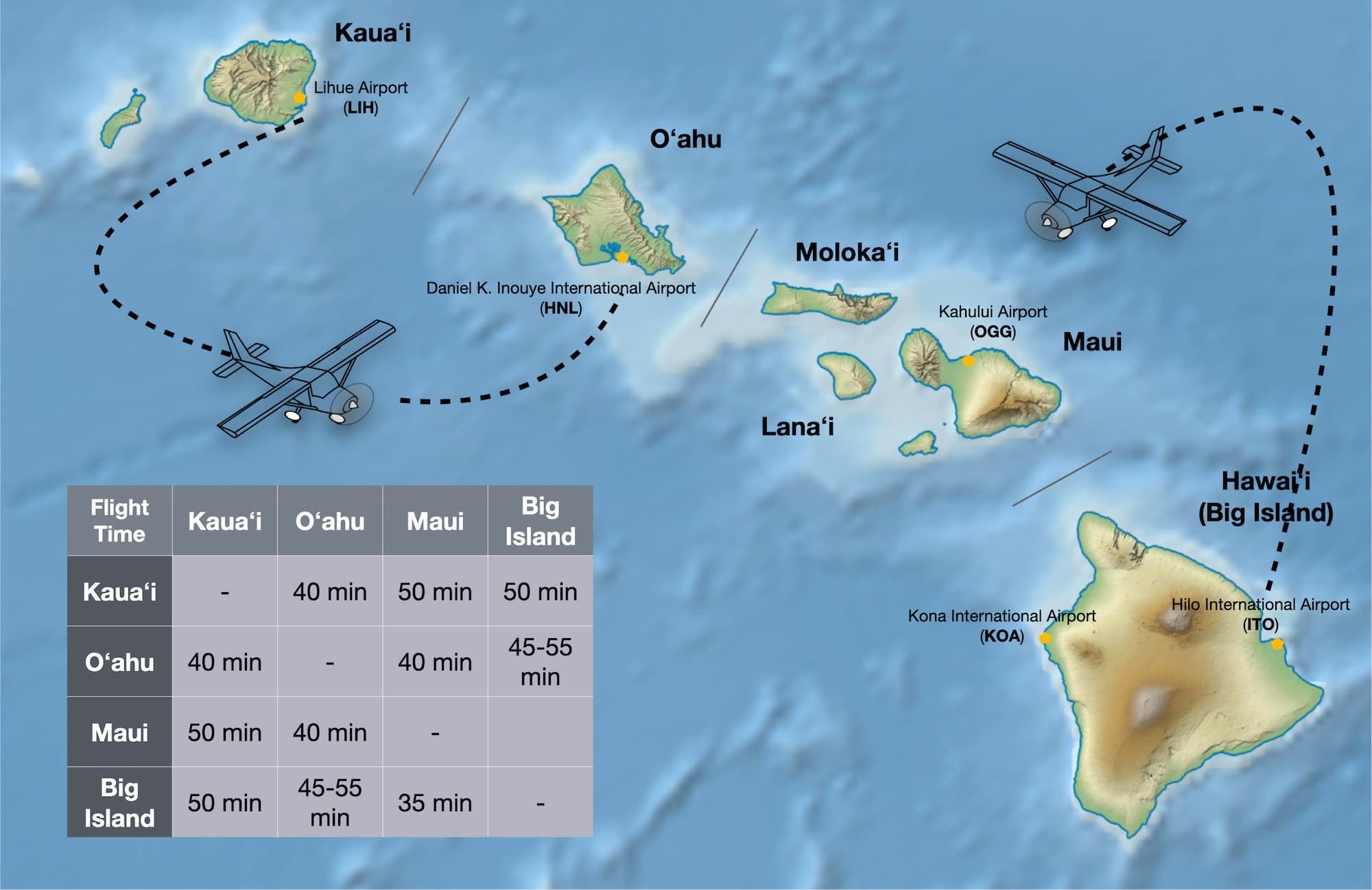
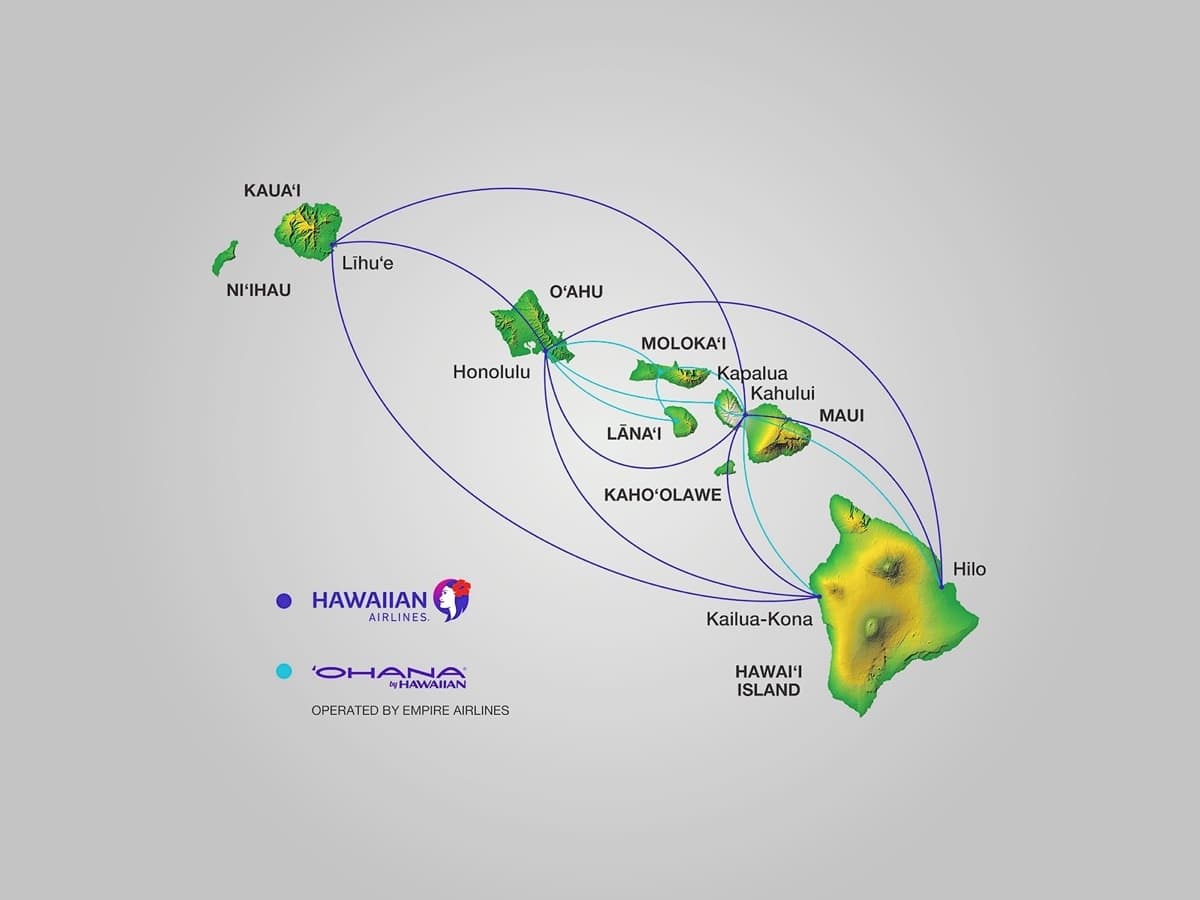
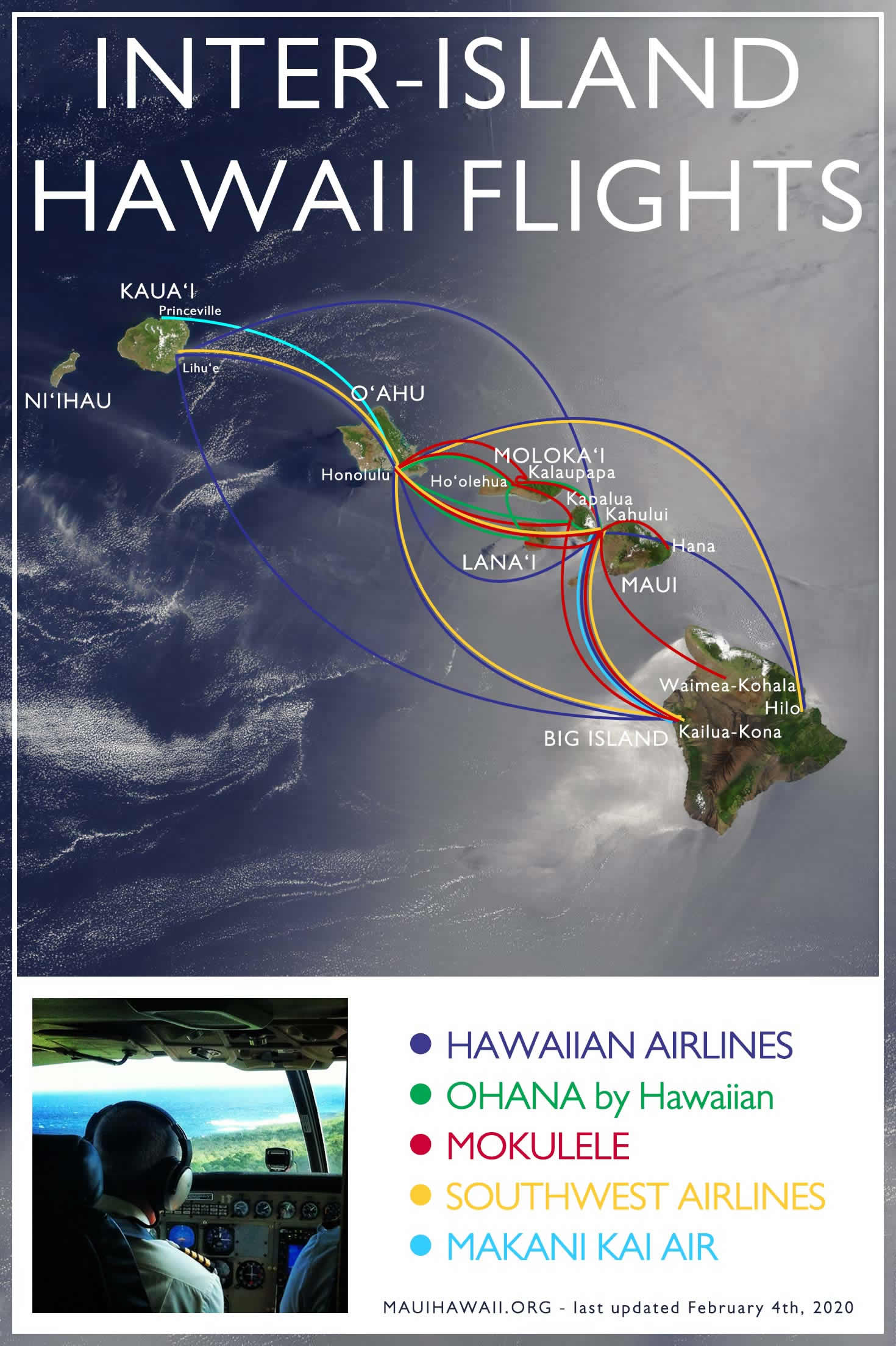
For the vast majority of travelers, hopping between the Hawaiian Islands means taking a short domestic flight. Several airlines specialize in these routes, making it a convenient and frequent mode of transportation. The primary airlines operating these inter-island routes include Hawaiian Airlines and Southwest Airlines. These carriers offer numerous daily flights connecting the major islands, including:
- Oahu: Home to the bustling capital of Honolulu and the iconic Waikiki Beach. It serves as the primary gateway for most international and mainland arrivals.
- Maui: Renowned for its stunning beaches, the scenic Road to Hana, and the majestic Haleakala National Park.
- Kauai: Known as the “Garden Isle,” it boasts dramatic cliffs of the Na Pali Coast, lush rainforests, and the breathtaking Waimea Canyon.
- Island of Hawaii (The Big Island): The largest and geologically youngest island, featuring active volcanoes in Hawaii Volcanoes National Park, diverse climates, and black sand beaches.
- Lanai: A quieter, more exclusive island offering luxury resorts and rugged adventures.
- Molokai: Often referred to as the “Friendly Isle,” it retains a strong sense of traditional Hawaiian culture and offers untouched natural beauty.
Flights are typically short, ranging from 20 minutes to an hour, depending on the specific islands being connected. This makes it feasible to visit multiple islands within a single trip without significant time loss. Booking flights in advance is highly recommended, especially during peak tourist seasons, to secure better prices and availability. Consider the airports on each island: Honolulu International Airport (HNL) on Oahu, Kahului Airport (OGG) on Maui, Lihue Airport (LIH) on Kauai, and Kona International Airport (KOA) or Hilo International Airport (ITO) on the Island of Hawaii.
Exploring Nautical Alternatives (Limited Scope)
While air travel is the dominant force in inter-island transit, there are limited options for those who prefer the sea. These are not typical modes of transportation for quick hops but rather for a more immersive, albeit slower, travel experience.
- Inter-Island Ferries (Limited Routes): Historically, ferry services between Hawaiian Islands existed. Currently, the most consistent inter-island ferry service operates between Maui and Lanai, primarily catering to visitors staying at the resorts on Lanai. There have been discussions and occasional attempts to re-establish a ferry service between Maui and Molokai, but these are not consistently available for general public use. Travelers should verify current schedules and availability directly with ferry operators.
- Cruises: The most prominent form of inter-island nautical travel for tourists is through cruise ships. Companies like Norwegian Cruise Line offer itineraries that visit multiple Hawaiian Islands. These cruises provide a convenient way to see several destinations without the hassle of packing and unpacking between each island. However, it’s important to note that cruise travel offers a different experience than independent exploration, with less flexibility in terms of time spent at each location and the ability to venture off the beaten path.
Planning Your Island-Hopping Itinerary
The decision to island-hop in Hawaii is an exciting one, but it requires careful planning to maximize your experience. The logistics of moving between islands can influence everything from your packing list to your budget.
Deciding Which Islands to Visit
Hawaii offers a remarkable spectrum of landscapes and activities. The most popular islands for inter-island travel are typically Oahu, Maui, Kauai, and the Island of Hawaii (the Big Island).
- For the first-time visitor: A common itinerary includes a few days on Oahu to experience the historical sites of Pearl Harbor and the urban vibrancy of Honolulu, followed by a visit to Maui for its beaches and scenic drives, and perhaps Kauai for its dramatic natural beauty.
- For the adventurous: The Big Island offers unparalleled geological wonders with its active volcanoes and unique ecosystems. You might combine it with a more relaxed escape to Lanai or a culturally immersive experience on Molokai.
- For relaxation: Maui and Kauai are often favored for their stunning natural beauty and opportunities for unwinding.
Consider the duration of your trip. A week might allow for visiting two islands comfortably, while two weeks or more can accommodate three or even four. Trying to cram too many islands into a short trip can lead to a rushed experience, spending more time in transit than exploring.
Budgeting for Inter-Island Travel
Inter-island flights are a significant component of an island-hopping budget. Prices can fluctuate based on the season, how far in advance you book, and the airline. Generally, booking several months ahead will yield better fares. Be sure to factor in the cost of baggage fees, which can add up.
Beyond flights, consider the cost of inter-island transportation on each island. Renting a car is often essential for exploring beyond the main tourist hubs. The cost of car rentals, accommodation, activities, and food will also vary from island to island. For instance, Oahu can be more expensive due to its status as a major hub with a higher cost of living, while islands like Molokai or parts of the Big Island might offer more budget-friendly options.
Packing Smart for Island Transitions
When planning to travel between islands, efficient packing is key. You’ll likely be moving between accommodations and potentially checking in and out of airports.
- Luggage Restrictions: Be aware of baggage allowances for inter-island flights. While generally more generous than international carriers, it’s wise to check the specific airline’s policies to avoid unexpected fees.
- Carry-on Essentials: Pack essentials like medications, a change of clothes, important documents, and electronics in your carry-on bag. This is especially useful if your checked luggage is delayed or if you need to make a quick transfer.
- Versatile Clothing: Pack clothing that can be layered and is suitable for a variety of activities and climates, from beachwear to hiking gear. Light, quick-drying fabrics are ideal.
- Reef-Safe Sunscreen: Hawaii has regulations regarding sunscreens to protect its coral reefs. Ensure you are using reef-safe products.
Navigating the Airports and Terminals
The process of flying between islands in Hawaii is akin to domestic travel within the mainland United States, but with a tropical flair. Understanding the airport procedures will streamline your journey.
Arrival and Departure Procedures
- Check-in: Most inter-island flights do not require advanced check-in as early as international or mainland flights. Arriving at the airport about 1.5 to 2 hours before your departure is usually sufficient. You can check in online via the airline’s app or website beforehand to save time.
- Security: You will go through TSA security screening, similar to any other domestic flight. Have your identification ready.
- Boarding: Boarding announcements are typically made at the gate. Since flights are short, boarding groups might be more relaxed.
- Baggage Claim: Upon arrival at your destination island, baggage claim operates as normal.
Island Airports: Your Entry and Exit Points
Each major island has at least one primary airport that serves inter-island flights. Familiarizing yourself with these can ease your transit.
- Honolulu International Airport (HNL) (Oahu): This is the busiest airport in Hawaii and a major hub. It has dedicated terminals for inter-island flights, often separate from international and mainland arrivals.
- Kahului Airport (OGG) (Maui): Located on the western side of Maui, this airport is the main gateway for the island. It’s a relatively straightforward airport to navigate.
- Lihue Airport (LIH) (Kauai): Kauai’s main airport serves as the entry point for most visitors. It’s a smaller, more intimate airport than HNL.
- Kona International Airport (KOA) and Hilo International Airport (ITO) (Island of Hawaii): The Big Island has two main airports. KOA is on the dry, western side, while ITO is on the wetter, eastern side. Your choice might depend on which part of the island you intend to explore.
Tips for Smooth Transitions
- Allow Ample Time: While flights are frequent, unforeseen delays can occur. Factor in a buffer time, especially if you have connecting flights or onward travel arrangements.
- Stay Informed: Keep an eye on flight status updates through the airline’s app or website.
- Utilize Airport Amenities: Inter-island airports are generally well-equipped with dining options, shops, and seating areas, so you can comfortably wait for your flight if needed.
Maximizing Your Island-Hopping Experience
Beyond the practicalities of transit, a well-planned island-hopping trip in Hawaii is about maximizing the unique experiences each island offers.
Creating a Balanced Itinerary
- Pacing is Key: Avoid over-scheduling. Allow for spontaneous discoveries and moments of relaxation. The goal is to experience the essence of each island, not just tick off a list of attractions.
- Consider Travel Time: Remember that “travel day” between islands is largely consumed by getting to the airport, security, flight time, and then getting to your next accommodation. Plan less ambitious activities for these days.
- Connect with Local Culture: Each island has its own distinct culture and traditions. Research local festivals, hula performances, and artisan markets to gain a deeper understanding and appreciation. For example, the town of Lahaina on Maui has a rich history, while Kauai offers a more laid-back, nature-focused experience.
Exploring Beyond the Tourist Hotspots
While iconic landmarks like Diamond Head on Oahu or the Waimea Canyon on Kauai are must-sees, venturing off the beaten path can lead to incredibly rewarding experiences.
- Hidden Beaches: Seek out less crowded beaches that offer a more intimate connection with the ocean.
- Local Eateries: Instead of relying solely on tourist restaurants, explore local eateries for authentic Hawaiian cuisine. Try poke bowls, kalua pig, and shave ice from local vendors.
- Hiking Trails: Each island boasts a network of hiking trails, from easy coastal walks to challenging volcanic treks. These offer breathtaking views and a chance to immerse yourself in the lush natural beauty.
Embracing the Aloha Spirit
The true spirit of Hawaii is encapsulated in the “Aloha Spirit.” This is a philosophy of living in harmony, with kindness, compassion, and respect for others and the land. By adopting this mindset, your inter-island travels will be even more profound. Be open to meeting new people, learning about the local customs, and embracing the relaxed pace of island life. This approach will not only enhance your personal journey but also contribute positively to the communities you visit, making your Hawaiian island-hopping adventure an unforgettable exploration of paradise.
LifeOutOfTheBox is a participant in the Amazon Services LLC Associates Program, an affiliate advertising program designed to provide a means for sites to earn advertising fees by advertising and linking to Amazon.com. Amazon, the Amazon logo, AmazonSupply, and the AmazonSupply logo are trademarks of Amazon.com, Inc. or its affiliates. As an Amazon Associate we earn affiliate commissions from qualifying purchases.