
The question “Is Hawaii Part Of America?” often arises due to its unique geographical location far removed from the mainland United States. Surrounded by the vast expanse of the Pacific Ocean, Hawaii can sometimes feel like a world away. However, the definitive answer is a resounding yes: Hawaii is indeed the 50th state of the United States of America, a status it achieved in 1959. This tropical paradise, famous for its stunning beaches, lush landscapes, and vibrant Polynesian culture, holds a deep and fascinating history within the American fabric. Far from being an isolated foreign land, it is an integral part of the nation, offering a blend of familiar comforts and exotic adventures that make it a premier destination for travelers worldwide.
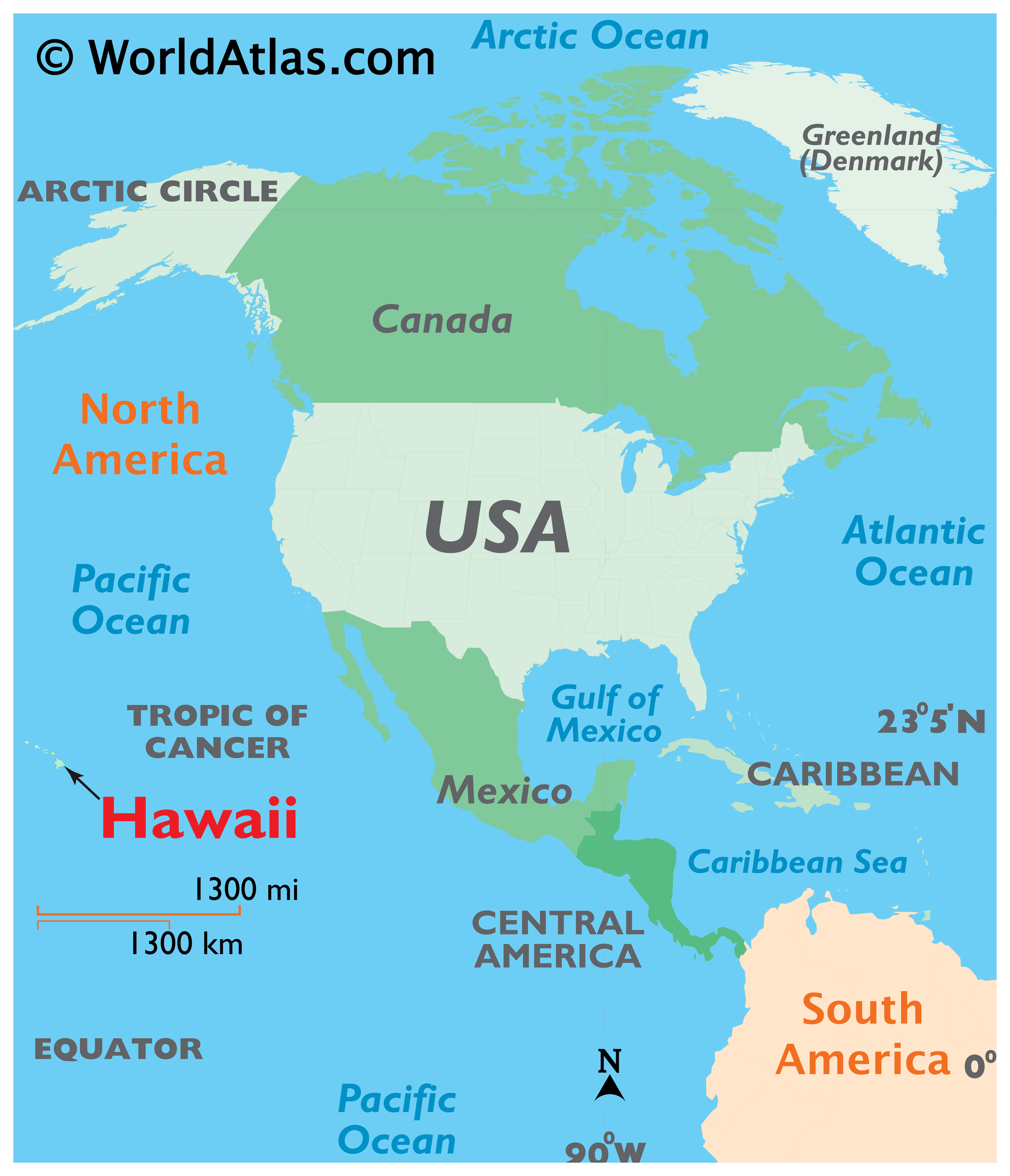
This article delves into the political, geographical, and cultural aspects that cement Hawaii’s position as a U.S. state, while also exploring its incredible appeal as a global tourism hotspot. From its diverse islands to its rich history and world-class accommodations, Hawaii represents a truly unique corner of America, inviting millions to experience its unparalleled beauty and the spirit of aloha.
The Definitive Answer: Hawaii’s Place in the Union
For anyone contemplating a trip to the archipelago or simply curious about its geopolitical standing, understanding Hawaii’s relationship with the United States is crucial. It is unequivocally part of the United States, operating under U.S. law, using the U.S. dollar, and recognizing the U.S. federal government. This means that U.S. citizens can travel to Hawaii without a passport, and international visitors follow the same visa requirements as they would for any other state on the mainland.
A Brief History of Statehood
Hawaii’s journey to becoming the 50th state was a complex one, rooted in a rich history that pre-dates European contact by centuries. Originally an independent kingdom, Hawaii was unified under King Kamehameha I in the early 19th century. Over the decades, American missionaries and businessmen gained significant influence. In 1893, the monarchy was overthrown, leading to the establishment of a republic. This republic then sought annexation by the United States, which eventually occurred in 1898, making Hawaii a U.S. territory.
For over 60 years, Hawaii operated as a territory, experiencing significant economic development, particularly in agriculture (sugar and pineapple) and strategic military importance, exemplified by the naval base at Pearl Harbor. The attack on Pearl Harbor in 1941, which drew the United States into World War II, further solidified its strategic value to the nation. After decades of advocacy by its residents, who desired full representation and the benefits of statehood, a referendum was held. An overwhelming majority voted in favor of becoming a state. On August 21, 1959, President Dwight D. Eisenhower signed the proclamation admitting Hawaii to the Union, forever changing its status from a distant territory to an official and cherished part of America.
Geographical Context and Strategic Importance
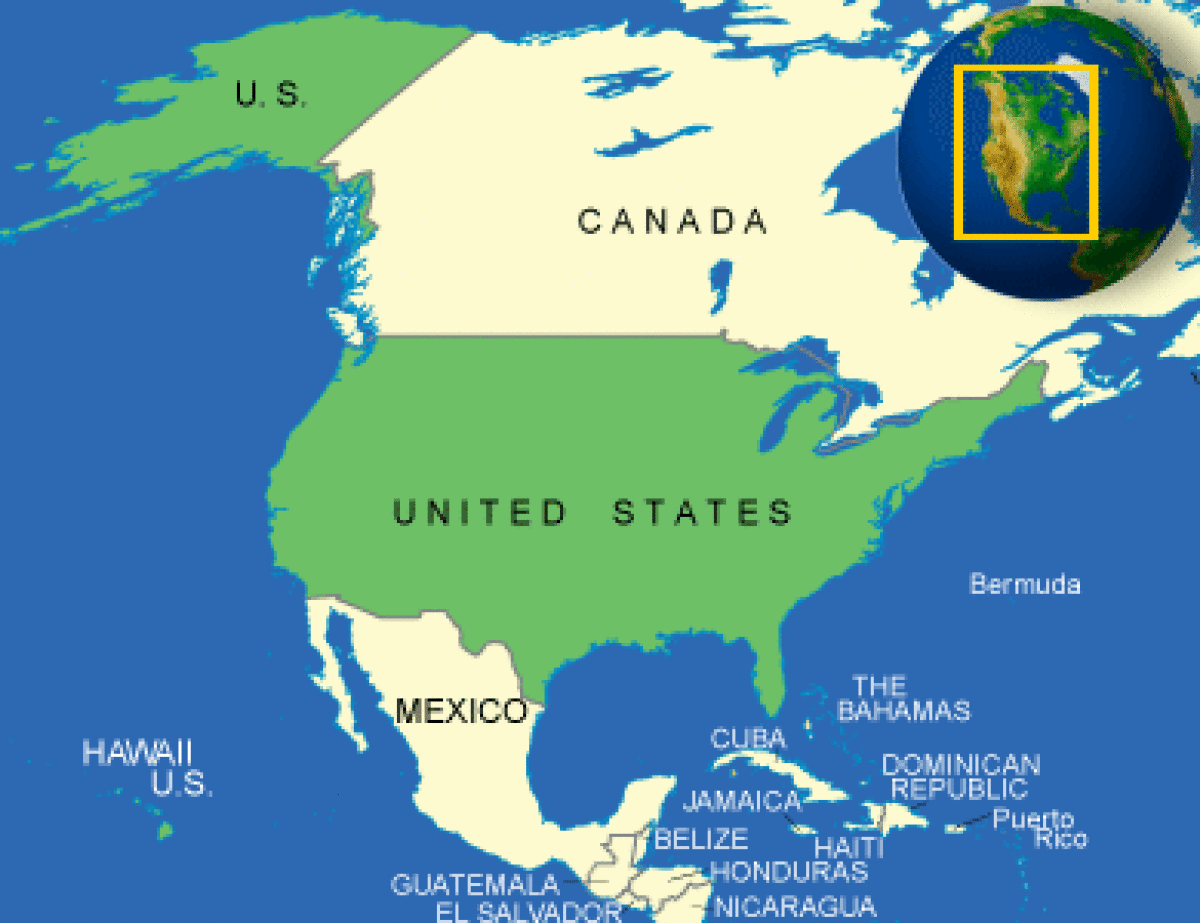
Geographically, Hawaii is an archipelago of eight main islands, along with numerous smaller islets and atolls, stretching over 1,500 miles across the central Pacific Ocean. Its capital city, Honolulu, on the island of Oahu, is thousands of miles from the North American mainland – roughly 2,500 miles from California and over 4,000 miles from New York. This isolation makes it the only U.S. state located entirely outside of North America.
Despite its distance, Hawaii’s location is one of its greatest assets. It serves as a vital strategic outpost for the United States, providing a critical presence in the Asia-Pacific region. This positioning is not only militarily significant but also culturally and economically. Hawaii acts as a melting pot and a gateway, facilitating cultural exchange and trade between the U.S. and nations across Asia and Australasia. Its unique time zone, Hawaii Time, also underscores its distinct geographical identity, always several hours behind the continental U.S., further emphasizing its remote yet integrated status.
Beyond Politics: Hawaii as a Premier Travel Destination
Beyond its political status, Hawaii has carved out a reputation as one of the world’s most coveted travel destinations. Its allure lies in its unparalleled natural beauty, diverse landscapes, and the warm hospitality of its people. From volcanic mountains to pristine beaches, bustling cities to tranquil rainforests, Hawaii offers a kaleidoscope of experiences for every type of traveler. The website’s focus on travel, destinations, attractions, and experiences perfectly aligns with the rich offerings of the Aloha State.
Iconic Islands and Their Unique Charms
The Hawaiian archipelago comprises several major islands, each possessing its own distinct personality and attractions, making island-hopping a popular way to explore this paradise.
-
Oahu: The Gathering Place
Oahu is the most populated and developed island, home to the capital city of Honolulu and the iconic Waikiki Beach. Waikiki, with its crescent-shaped shoreline and backdrop of Diamond Head crater, is a hub for hotels, dining, and vibrant nightlife. History buffs flock to the Pearl Harbor National Memorial to pay respects to a pivotal moment in American history. Beyond the city, Oahu’s famous North Shore offers legendary surfing spots like Banzai Pipeline and Waimea Bay during winter months, and tranquil bays for snorkeling in summer. Kualoa Ranch, a vast private nature reserve, offers outdoor activities and has served as a filming location for numerous blockbuster movies. -
Maui: The Valley Isle
Known for its romantic ambiance and diverse landscapes, Maui is a favorite for couples and adventure seekers. The majestic Haleakala National Park offers breathtaking sunrise views from its summit, a truly unforgettable experience. The scenic and winding Road to Hana takes travelers through lush rainforests, past cascading waterfalls, and along rugged coastlines. Popular resort areas like Kaanapali and Wailea boast world-class resorts, golf courses, and exquisite dining. Maui is also one of the best places for whale watching during the winter migration season. -
Kauai: The Garden Isle
Kauai lives up to its name with its verdant landscapes, dramatic cliffs, and pristine beaches. The legendary Na Pali Coast is a sight to behold, best experienced by helicopter tour, catamaran cruise, or a challenging hike. Waimea Canyon State Park, often dubbed the “Grand Canyon of the Pacific,” offers stunning panoramic views and hiking trails. The serene atmosphere and untouched natural beauty make Kauai ideal for those seeking tranquility and outdoor adventures. -
Hawaii Island (The Big Island): Volcanoes and Vastness
The largest of the islands, Hawaii Island is a land of extremes, featuring active volcanoes, black sand beaches, and snow-capped peaks. Hawaii Volcanoes National Park is home to Kilauea and Mauna Loa, two of the world’s most active volcanoes, offering a rare opportunity to witness geological forces at work. The island also boasts diverse climates, from the dry, sunny Kona coast, famous for its coffee farms, to the wet, lush Hilo side. Stargazing from the summit of Mauna Kea is another bucket-list experience.
Immerse in Local Culture and Culinary Delights
Hawaii’s culture is a vibrant fusion of its indigenous Polynesian roots, along with influences from successive waves of immigrants from Asia, Europe, and the Americas. This rich tapestry is evident in its language, music, dance, and especially its food.
A traditional luau is an essential Hawaiian experience, offering a feast of local delicacies like kalua pig (cooked in an underground oven), poi, and haupia, accompanied by mesmerizing hula performances and live music. Beyond the luau, Hawaii’s culinary scene is a delight. Fresh seafood is abundant, often prepared with Asian flair. Poke bowls, originally a simple raw fish salad, have become a global sensation, but tasting authentic poke in Hawaii is unmatched. Don’t miss out on shave ice, a refreshing treat, or trying Kona coffee grown on the slopes of Hawaii Island. From fine dining in Honolulu to casual food trucks on the North Shore of Oahu (especially in Kahuku), the islands offer a gastronomic adventure that reflects their multicultural heritage.
Unforgettable Stays: Hotels, Resorts, and Accommodations in Paradise
As a world-class tourism hub, Hawaii boasts an incredible array of accommodation options to suit every preference and budget. Whether you’re seeking ultimate luxury, a family-friendly resort, or a cozy boutique hotel, the islands deliver on all fronts, embodying the website’s themes of hotels, resorts, suites, and villas.

Choosing Your Perfect Hawaiian Retreat
The choice of accommodation often sets the tone for your entire trip. Hawaii excels in providing diverse choices:
-
Luxury Resorts: For those desiring an indulgent escape, Hawaii is home to some of the world’s most opulent resorts. On Maui, the Four Seasons Resort Maui at Wailea and Ritz-Carlton, Kapalua offer unparalleled service, oceanfront views, and exquisite dining. In Kauai, the Grand Hyatt Kauai Resort & Spa in Poipu provides a lavish experience with its lush gardens and expansive pools. Oahu’s Halekulani and The Kahala Hotel & Resort offer refined elegance, while Disney’s Aulani Resort combines luxury with family-friendly magic. These resorts often feature private villas or suites with exclusive amenities.
-
Boutique Hotels and Vacation Rentals: For a more personalized or local experience, boutique hotels offer unique charm and character, often with a focus on local artistry and cuisine. Vacation apartments and villas are popular choices for families or longer stays, providing more space, kitchens, and a home-away-from-home feel. Websites for booking and comparison make it easy to find the perfect fit.
-
Budget-Friendly Options: Despite its reputation for luxury, Hawaii also caters to budget travel with a range of affordable hotels, hostels, and guesthouses, particularly in areas like Waikiki and Hilo. Choosing accommodations with kitchenettes can also help reduce food costs.
Amenities and Experiences: Beyond the Room
Hawaiian accommodations go far beyond just a place to sleep. Many resorts offer a comprehensive array of amenities and experiences designed to enhance your stay. These often include:
- Stunning Pools and Beach Access: Infinity pools overlooking the ocean, lazy rivers, and direct access to world-renowned beaches are common.
- Dining Options: From casual cafes to Michelin-starred restaurants, many hotels host a variety of culinary experiences.
- Spas and Wellness Centers: Indulge in traditional Hawaiian lomi lomi massages or modern spa treatments.
- Kids’ Clubs and Family Trips Activities: Many resorts are equipped to entertain children, allowing parents to relax.
- Cultural Programs: Lei making classes, hula lessons, and live Hawaiian music immerse guests in local culture.
- Watersports and Excursions: On-site rental of snorkeling gear, paddleboards, and organized boat tours or surfing lessons.
Whether it’s a business stay requiring robust connectivity and meeting facilities or a romantic honeymoon seeking seclusion and pampering, Hawaii’s diverse accommodation sector ensures a memorable visit.
Exploring Hawaii: Activities, Landmarks, and Lifestyle
The heart of the Hawaiian experience lies in its natural wonders and the myriad activities available, catering to every interest, from adventurous thrills to serene relaxation. This aligns perfectly with the website’s interest in landmarks, nature, activities, and various lifestyles.
Adventure and Relaxation: Activities for Every Traveler
Hawaii’s landscape is a playground for outdoor enthusiasts. Surfing, an ancient Hawaiian sport, is popular year-round, with lessons available for beginners in calmer waters like Waikiki. Snorkeling and diving reveal vibrant coral reefs and abundant marine life in spots like Hanauma Bay on Oahu or Molokini Crater off Maui. Hiking trails crisscross all islands, leading to breathtaking waterfalls, panoramic viewpoints, and volcanic craters. Consider the challenging ascent to Diamond Head for iconic Honolulu views, or explore the lush trails of Waimea Canyon State Park.
For a different pace, golf enthusiasts will find world-class courses designed by legends, set against stunning ocean or mountain backdrops, particularly in Kapalua on Maui or Princeville on Kauai. Whale watching tours are a must-do during winter months, offering incredible opportunities to see humpback whales. Helicopter tours provide an unforgettable bird’s-eye view of inaccessible valleys, waterfalls, and volcanic landscapes, especially over the Na Pali Coast or Hawaii Volcanoes National Park. Whether you’re seeking high-adrenaline adventures or serene moments of relaxation on a quiet beach, Hawaii has it all.
Famous Landmarks and Natural Wonders
Hawaii is brimming with iconic landmarks that tell stories of its history, culture, and geological marvels.
- Pearl Harbor National Memorial: A profound historical site on Oahu, honoring those who lost their lives in the 1941 attack. The USS Arizona Memorial floats above the sunken battleship, a poignant reminder of its significance.
- Diamond Head: This extinct volcanic tuff cone is a globally recognized symbol of Waikiki and Honolulu. A hike to its summit offers spectacular views.
- Hawaii Volcanoes National Park: A UNESCO World Heritage Site on the Big Island, it’s one of the few places in the world where you can safely witness active volcanic activity, explore lava tubes, and hike across solidified lava flows.
- Haleakala National Park: Home to a massive dormant volcano on Maui, renowned for its otherworldly crater landscape and spectacular sunrises and sunsets.
- Na Pali Coast: Kauai’s dramatic emerald cliffs plunging into the Pacific are a natural wonder that inspires awe and embodies the raw beauty of the islands.
- Iolani Palace: The only official residence of royalty in the United States, located in Honolulu, offering a glimpse into Hawaii’s monarchical past.
These landmarks not only attract millions of visitors but also serve as crucial touchstones for understanding Hawaii’s unique historical trajectory and incredible natural heritage as part of America.
Planning Your Hawaiian Journey: Tips for an Ideal Trip
As a state within the United States, traveling to Hawaii shares many similarities with domestic travel for U.S. citizens, yet its distinctiveness requires some specific tips and preparations. Drawing on concepts like travel guides and booking information from the website’s main topics, here’s what to consider for an ideal Hawaiian adventure.
Essential Travel Tips and Considerations
- Best Time to Visit: Hawaii enjoys a mild tropical climate year-round. Peak seasons are typically winter (December-March) for whale watching and major surfing competitions, and summer (June-August) for family vacations. Shoulder seasons (April-May, September-November) often offer good weather with fewer crowds and potentially lower prices.
- Inter-Island Travel: If you plan to visit multiple islands, factor in inter-island flights. Hawaiian Airlines is the main carrier, but other smaller airlines also operate. Booking these in advance is recommended.
- Transportation on Islands: Renting a car is highly recommended on most islands (especially Maui, Kauai, and the Big Island) to explore at your own pace. Oahu has a more extensive public transportation system in Honolulu, but a car is still beneficial for exploring beyond the city.
- Packing Essentials: Beyond swimwear and light clothing, pack reef-safe sunscreen to protect Hawaii’s delicate coral reefs, sturdy hiking shoes for trails, and layers for cooler evenings or higher elevations like Haleakala or Mauna Kea.
- Respect for the Land and Culture: Hawaii values its natural environment and rich cultural heritage. Practice responsible tourism by staying on marked trails, not touching marine life, and respecting sacred sites. Learn a few basic Hawaiian phrases like “Aloha” (hello/goodbye/love) and “Mahalo” (thank you).
Embracing the Spirit of Aloha
The “Spirit of Aloha” is more than just a greeting; it’s a way of life that embodies love, compassion, peace, and mutual respect. When visiting Hawaii, embracing this spirit means approaching your travels with an open heart, a willingness to learn, and a deep appreciation for the unique culture and environment of the islands. Whether you’re surfing in Waikiki, hiking through a rainforest on Kauai, or enjoying a fresh poke bowl in Kona, remember that you are experiencing a vibrant, living part of America with a soul all its own.
In conclusion, Hawaii’s status as a U.S. state is firm, backed by history, law, and the will of its people. Its integration into the United States has not diminished its distinct identity but rather added layers to its allure. It offers travelers a unique blend of American convenience and captivating Polynesian charm, making it an essential entry on any serious globetrotter’s list. So, pack your bags and prepare to discover why the 50th state is truly a paradise found within America.
LifeOutOfTheBox is a participant in the Amazon Services LLC Associates Program, an affiliate advertising program designed to provide a means for sites to earn advertising fees by advertising and linking to Amazon.com. Amazon, the Amazon logo, AmazonSupply, and the AmazonSupply logo are trademarks of Amazon.com, Inc. or its affiliates. As an Amazon Associate we earn affiliate commissions from qualifying purchases.