
Hawaii, a name synonymous with paradise, conjures up vivid images of sun-drenched beaches, turquoise waters, lush green mountains, and the warm embrace of the aloha spirit. For countless travelers, it’s a dream destination, offering an unparalleled blend of natural beauty, rich culture, and unforgettable experiences. From the volcanic landscapes of the Big Island to the bustling energy of Oahu, the serene valleys of Maui to the untouched beauty of Kauai, each island presents its own unique allure.
Beyond the iconic surf and stunning sunsets, Hawaii’s allure is deeply intertwined with its vibrant flora. The islands are a living botanical garden, home to an extraordinary array of native and introduced plant species that thrive in its tropical climate. Flowers, in particular, play a central role in Hawaiian culture, tourism, and daily life, adorning everything from traditional leis to luxurious resorts. They symbolize welcome, celebration, love, and respect, embodying the very essence of the islands. This profound connection to the natural world often leads visitors to wonder: amidst such a spectacular profusion of blossoms, which one holds the esteemed title of Hawaii’s official state flower? The answer is a bloom as bright and captivating as the islands themselves, a symbol deeply rooted in its heritage and natural splendor.
The Vibrant Symbol of the Aloha State
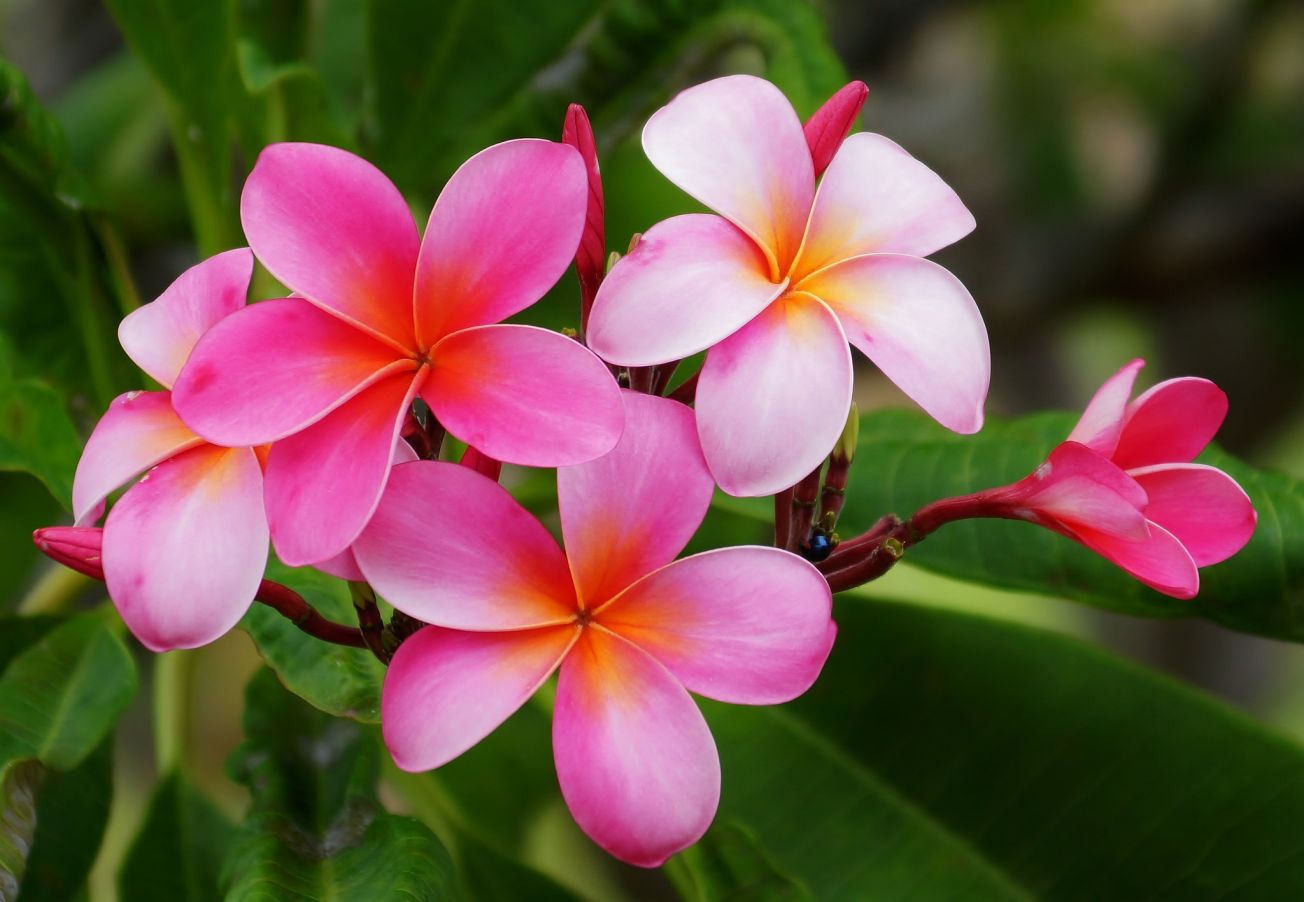
The question of Hawaii’s state flower is a common one, often sparking curiosity among those enchanted by the islands’ botanical richness. While many beautiful flowers are associated with Hawaii, such as the fragrant plumeria or the exotic orchids, there is indeed one particular blossom that proudly represents the entire state. Its designation is a testament to its unique characteristics and its deep integration into the islands’ identity.
Unveiling Hawaii’s Official State Flower
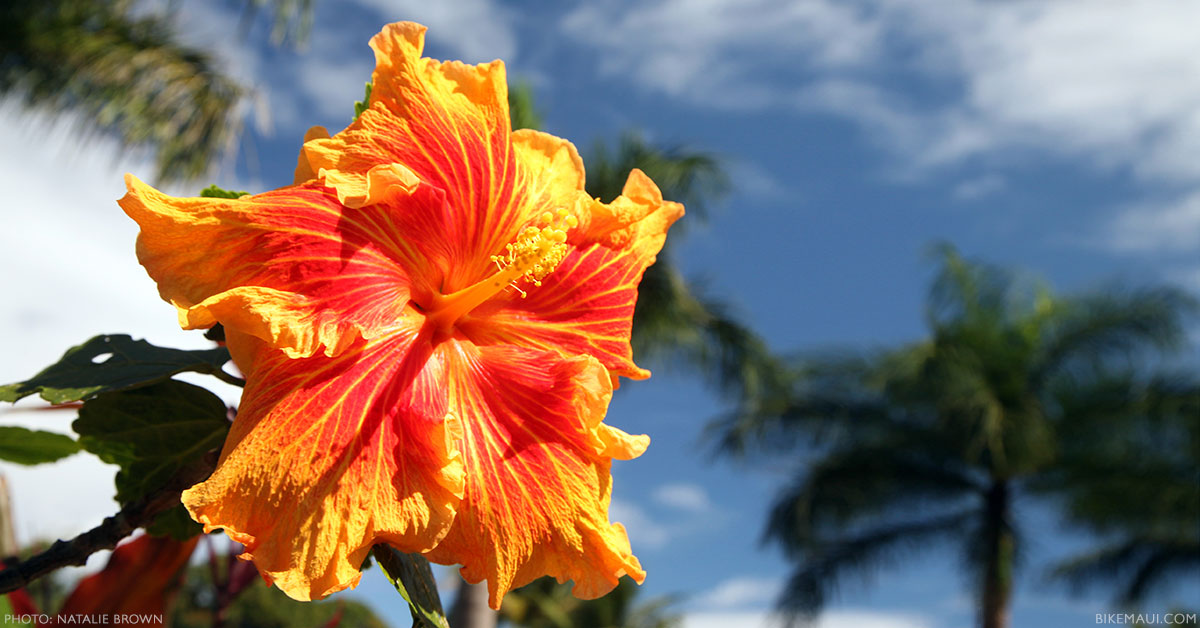
The official state flower of Hawaii is the Yellow Hibiscus, scientifically known as Hibiscus brackenridgei, and locally referred to as Ma’o Hau Hele. This striking yellow blossom, with its distinctively bright petals and prominent pistil, holds a special place in the hearts of Hawaiians and serves as a vibrant emblem for the islands. It was officially designated as the state flower in 1988, replacing the generic “hibiscus” which had previously held the title since the early 20th century. The specific choice of the Yellow Hibiscus underscores a commitment to recognizing and preserving Hawaii‘s native flora.
What makes the Ma’o Hau Hele so significant is its status as one of only seven species of hibiscus endemic to the Hawaiian Islands. This means it is found naturally nowhere else in the world, making it a truly unique and precious part of Hawaii’s biodiversity. The Yellow Hibiscus typically grows as a sprawling shrub or a small tree, often found in dry, rocky areas and coastal lowlands. Its sunny yellow hue perfectly complements the vibrant landscapes of the islands, from golden beaches to lush volcanic slopes. While the Red Hibiscus is perhaps more widely recognized globally due to its cultivation and widespread use in tropical imagery, the native Yellow Hibiscus truly embodies the spirit and natural heritage of the Hawaiian Islands, standing as a proud symbol of its unique ecological identity.
The Cultural Significance of Hibiscus in Hawaiian Life
While the Yellow Hibiscus is the official state flower, the broader hibiscus genus holds immense cultural significance throughout Hawaii. Various species and cultivars of hibiscus are deeply interwoven with Hawaiian traditions, daily life, and the tourism experience. The flower is a quintessential symbol of the aloha spirit – a philosophy of kindness, harmony, humility, patience, and mutual respect.
Traditionally, hibiscus flowers have been used for adornment, particularly by women who tuck a single bloom behind their ear. The placement of the flower can even convey meaning: behind the left ear indicates the wearer is taken or married, while behind the right ear signifies availability. This subtle yet beautiful form of non-verbal communication adds another layer to the flower’s cultural role.
Hibiscus flowers are also commonly used in the creation of beautiful leis, though other flowers like plumeria are more durable for such creations. Nevertheless, the imagery of hibiscus remains paramount in Hawaiian art, textiles, and decor. Many local ceremonies, celebrations, and even everyday gatherings are graced by the presence of hibiscus, whether as fresh blossoms, decorative motifs, or fragrant additions to the ambiance. When you visit Hawaii, you’ll encounter hibiscus almost everywhere – in the carefully manicured gardens of luxury resorts, lining scenic drives, blossoming in public parks, and adorning restaurant tables. They are a constant reminder of the islands’ natural beauty and a warm invitation to embrace the vibrant energy of the tropics.
Experiencing Hawaii’s Floral Beauty: Beyond the Yellow Hibiscus
For visitors to Hawaii, the opportunity to immerse oneself in the islands’ floral splendor is an integral part of the travel experience. While admiring the official Yellow Hibiscus is a must, the true joy lies in discovering the vast diversity of plant life that thrives across the archipelago. From meticulously cultivated botanical gardens to wild, untamed landscapes, there are countless ways to connect with Hawaii’s green heart.
Botanical Gardens and Natural Landscapes to Explore
Hawaii is home to an impressive collection of botanical gardens, each offering a unique window into the islands’ rich biodiversity. These gardens are not only showcases of exotic and native flora but also crucial centers for conservation and education, preserving species that are found nowhere else on Earth.
On Oahu, the Ho’omaluhia Botanical Garden in Kaneohe is a must-visit. This sprawling 400-acre garden features plants from major tropical regions around the world, organized geographically, with stunning views of the Koʻolau Mountains. It’s an ideal spot for a leisurely stroll, picnicking, or simply enjoying the tranquil environment. Another gem is the Waimea Valley on Oahu’s North Shore, offering a beautifully maintained botanical garden leading to a majestic waterfall, showcasing a wide array of native and Polynesian-introduced plants.
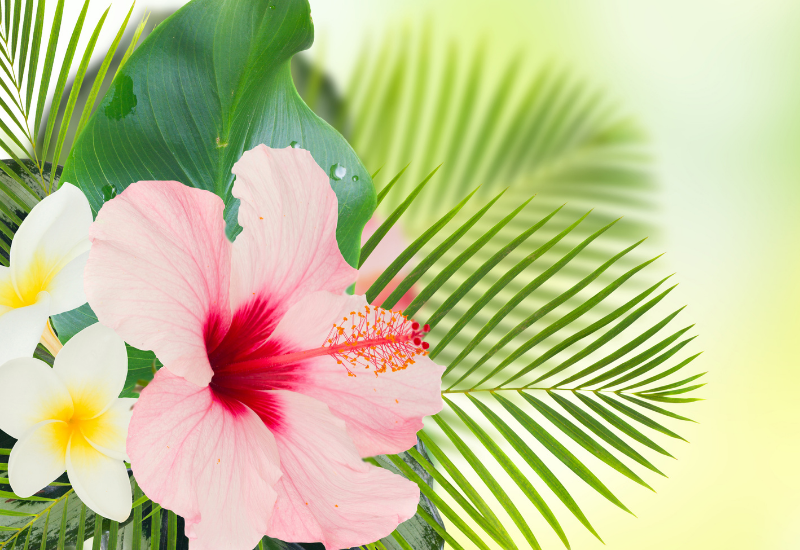
On Maui, the Maui Nui Botanical Gardens in Kahului focuses specifically on the native and Polynesian-introduced plants of the Maui Nui region, offering invaluable insight into traditional Hawaiian horticulture and uses of plants. For a truly immersive experience, the Hawaii Tropical Bioreserve & Garden on the Big Island (Hawaii Island) is unparalleled. Nestled in a lush valley north of Hilo, this “living museum” boasts over 2,000 species of tropical plants, including rare orchids, bromeliads, and palm trees, with pathways winding through stunning waterfalls and ocean vistas.
Beyond structured gardens, Hawaii’s natural landscapes themselves are a floral spectacle. Hiking trails on every island provide opportunities to encounter native ferns, vibrant bird of paradise flowers, and countless other blossoms in their natural habitats. Exploring areas like the Na Pali Coast on Kauai or the slopes of Haleakala on Maui reveals microclimates supporting unique ecosystems, making every journey an adventure for nature lovers.
Integrating Floral Experiences into Your Hawaiian Stay
To truly appreciate Hawaii’s floral heritage, consider weaving specific flower-related activities into your itinerary. Many cultural centers and even some resorts offer lei-making workshops, providing hands-on insight into this ancient art form and the significance of each bloom. Participants can learn about the different types of flowers used, the traditional techniques, and the meaning behind giving and receiving a lei – a beautiful memory to take home.
Visiting local flower markets or farmers’ markets is another excellent way to experience the vibrant floral scene. Here, you’ll find an abundance of fresh flowers, from exotic ginger and heliconia to fragrant plumeria and a rainbow of hibiscus varieties. These markets offer a glimpse into local life and provide opportunities to support Hawaiian growers and artisans.
Furthermore, pay attention to the floral aesthetics within your chosen accommodation. Many hotels, suites, and villas in Hawaii take pride in their landscaping, often incorporating native plants and vibrant tropical flowers into their design. Boutique hotels and luxury resorts like the Four Seasons Resort Maui at Wailea are renowned for their meticulously maintained gardens, where guests can enjoy the beauty and fragrance of Hawaii’s flowers right outside their door. Even apartments and vacation rentals often feature potted plants and fresh cut flowers, creating an immersive sensory experience. The subtle scent of tropical blossoms, particularly in the evening, is an unforgettable aspect of a Hawaiian vacation, enhancing the sense of peace and relaxation.
Planning Your Floral-Inspired Hawaiian Getaway
Embarking on a journey to Hawaii with a focus on its botanical wonders adds a unique dimension to the typical island vacation. By strategically planning your trip around floral attractions and experiences, you can create an unforgettable itinerary that celebrates the natural beauty and cultural richness of the Aloha State.
Choosing the Right Island and Accommodation
Each of Hawaii’s main islands offers a distinct character and unique floral experiences, making the choice of destination a key part of your planning.
- Oahu: While home to the bustling city of Honolulu and iconic Waikiki Beach, Oahu also boasts impressive botanical gardens like Ho’omaluhia Botanical Garden and Foster Botanical Garden, offering easy access to floral diversity alongside historical landmarks. Accommodation ranges from major resorts to charming boutique hotels in Honolulu.
- Maui: Known for its scenic drives and upcountry farms, Maui offers opportunities to explore lavender farms, protea gardens, and the native plant collections at Maui Nui Botanical Gardens. Luxury resorts in Wailea and Ka’anapali, such as the Four Seasons Resort Maui at Wailea, often feature expansive, beautifully landscaped grounds that are botanical attractions in themselves.
- Kauai: Nicknamed the “Garden Isle,” Kauai is arguably the most lush and verdant of all the Hawaiian Islands. Its abundant rainfall nourishes dense rainforests and spectacular waterfalls, creating a natural paradise for flora. The National Tropical Botanical Garden sites, like McBryde Garden and Allerton Garden in Poipu, offer unparalleled tours focused on plant conservation. Eco-lodges and villas are popular here, blending seamlessly with the natural environment.
- Big Island (Hawaii Island): This island’s diverse climate zones, from volcanic deserts to rainforests, support an incredible variety of plant life. The Hawaii Tropical Bioreserve & Garden near Hilo is a highlight, and the Volcanoes National Park showcases unique flora adapted to volcanic soils. Accommodation options range from grand hotels along the Kona coast to charming bed and breakfasts in the lush Hilo area.
When selecting accommodation, consider properties that emphasize their gardens or offer proximity to natural areas. Many resorts boast extensive landscaping and offer garden tours, while private villas or apartments might provide a more intimate connection to the local flora. Don’t forget to check reviews and amenities for lush surroundings – a key factor for a floral-inspired trip.
Tips for a Sustainable and Culturally Rich Visit
To make your floral-centric Hawaiian getaway both enriching and responsible, keep these tips in mind:
- Respect the Land (Aina): Always stay on marked trails in botanical gardens and natural parks. Avoid picking flowers or disturbing plants, especially native and endemic species like the Ma’o Hau Hele, to help preserve Hawaii’s fragile ecosystems. The concept of mālama ‘āina (to care for the land) is central to Hawaiian culture.
- Support Local: Purchase flowers, leis, and botanical products from local growers and artisans. This supports the community and ensures you’re getting authentic, freshly made items. Look for local markets and small businesses rather than mass-produced souvenirs.
- Learn and Engage: Take advantage of guided tours in botanical gardens, attend cultural workshops, and engage with locals. Learning about the traditional uses of plants, their medicinal properties, and their significance in Hawaiian mythology will deepen your appreciation.
- Practice Biosecurity: Hawaii’s isolated ecosystem is highly vulnerable to invasive species. Be mindful of what you bring to the islands and what you take home. Clean your hiking boots to prevent the spread of plant seeds or soil-borne pathogens.
- Timing Your Visit: While Hawaii is beautiful year-round, the spring and early summer months (roughly March to July) often see many plants in their peak bloom, offering the most vibrant floral displays. However, tropical flowers like hibiscus can be found blooming throughout the year.
By approaching your visit with respect, curiosity, and a desire to connect with Hawaii’s natural and cultural heritage, you’ll discover that the islands are far more than just stunning beaches. They are a living canvas painted with the vivid hues of countless flowers, none more symbolic than the radiant Yellow Hibiscus, beckoning travelers to explore its profound beauty.
In conclusion, the Yellow Hibiscus, or Ma’o Hau Hele, stands proudly as the official flower of Hawaii, a symbol of its unique natural heritage and the vibrant aloha spirit. But beyond this single emblematic bloom, the entire archipelago bursts with an astonishing array of flora, each contributing to the islands’ reputation as a botanical paradise. From the sprawling botanical gardens of Oahu to the lush rainforests of Kauai, and the meticulously landscaped grounds of Maui’s luxury resorts, Hawaii offers a truly immersive experience for anyone seeking to connect with nature’s beauty. Planning your trip with an eye towards these floral wonders will not only enhance your travel experience but also deepen your understanding of the islands’ rich culture and ecological significance. So, as you pack your bags for this tropical haven, remember the golden glow of the Yellow Hibiscus – a promise of the breathtaking beauty that awaits in the heart of the Pacific.
LifeOutOfTheBox is a participant in the Amazon Services LLC Associates Program, an affiliate advertising program designed to provide a means for sites to earn advertising fees by advertising and linking to Amazon.com. Amazon, the Amazon logo, AmazonSupply, and the AmazonSupply logo are trademarks of Amazon.com, Inc. or its affiliates. As an Amazon Associate we earn affiliate commissions from qualifying purchases.