
Planning a trip to Hawaii evokes images of pristine beaches, lush rainforests, and vibrant cultural experiences. But amidst the excitement of dreaming about surf lessons and luaus, a practical question often arises: “What exactly should I pack?” The answer, as with many tropical destinations, is more nuanced than simply throwing a few swimsuits into a suitcase. Hawaii’s unique blend of diverse microclimates, from sun-drenched coastlines to mist-shrouded volcanic peaks, alongside its array of activities from leisurely beach days to challenging hikes and sophisticated dining, demands a thoughtful approach to your travel wardrobe.
Our comprehensive guide aims to ensure you’re perfectly prepared for every aspect of your Hawaiian adventure, whether you’re island-hopping between Maui and Oahu, exploring the vast landscapes of the Big Island, or unwinding on the tranquil shores of Kauai. We’ll delve into the ideal attire for various activities, consider cultural nuances, and offer insights into packing smart to maximize comfort and enjoyment. From lightweight fabrics to essential accessories, this article will equip you with all the knowledge needed to dress appropriately and stylishly for your unforgettable journey to the Aloha State, ensuring your focus remains on creating cherished memories.
Navigating Hawaii’s Diverse Climates and Activities
Hawaii’s allure lies in its stunning natural beauty and the sheer variety of experiences it offers. However, this diversity also means that the “perfect” outfit can change dramatically depending on your location and planned activities. Understanding the islands’ varied topography and microclimates is crucial for effective packing. Coastal areas are typically warm and humid, ideal for light, breathable clothing. However, as you ascend to higher elevations, such as the slopes of Haleakala on Maui or Mauna Kea on the Big Island, temperatures can drop significantly, especially in the evenings. Even rainforest regions, like those along the Road to Hana, will bring rain showers and cooler, damp conditions.
Beach & Water Activities: Sun, Sand, and Surf
The quintessential Hawaiian experience often revolves around its world-famous beaches. Days spent lounging on the sands of Waikiki Beach, snorkeling in the calm waters of Molokini Crater, or trying your hand at surfing off the coast of Maui demand specific attire that prioritizes comfort, sun protection, and quick-drying capabilities.
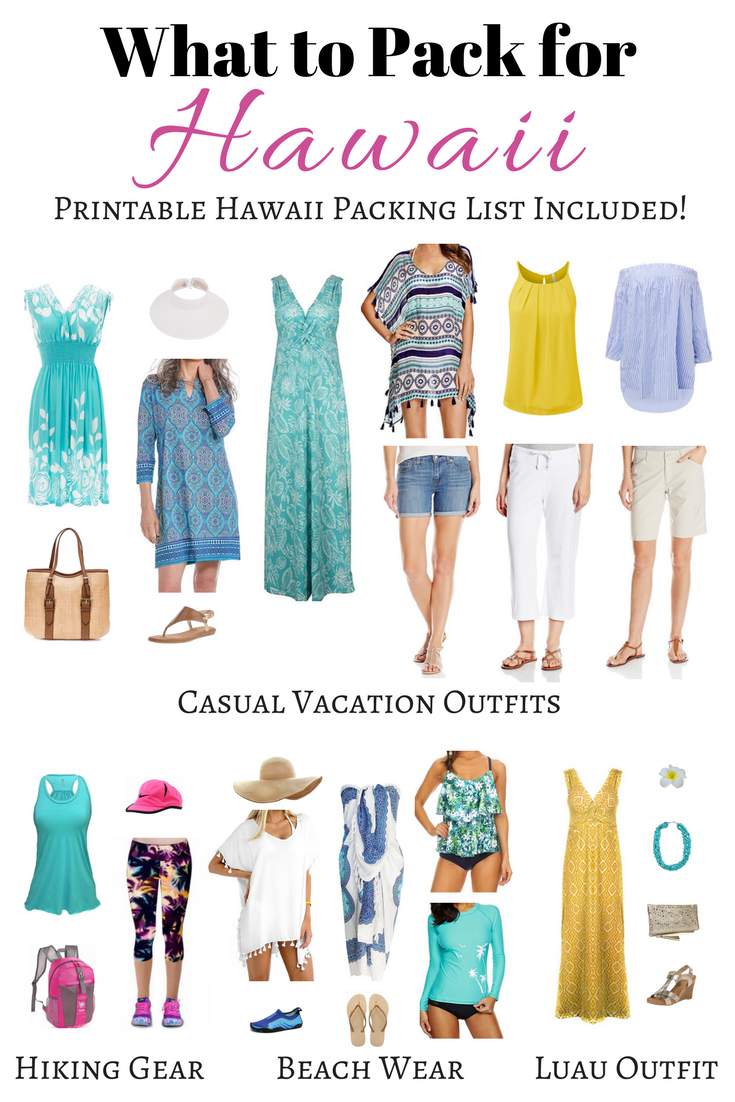
- Swimsuits: Pack at least two or three to allow for drying time. Consider different styles for various activities – a secure one-piece or rashguard for surfing or active snorkeling, and a more relaxed bikini or board shorts for lounging.
- Cover-ups: Lightweight sundresses, sarongs, kaftans, or oversized shirts are perfect for transitioning from the beach to a casual lunch spot or for walking around your resort. Opt for breathable fabrics like cotton, linen, or rayon.
- Shorts and Tank Tops: Essential for daily wear. Choose comfortable, quick-drying materials.
- Hats and Sunglasses: A wide-brimmed hat or a baseball cap is non-negotiable for sun protection. High-quality sunglasses will protect your eyes from the intense tropical glare.
- Rashguards: If you plan on significant time in the water, especially surfing, snorkeling, or paddleboarding, a rashguard offers excellent UV protection and prevents chafing. Many come in stylish designs now.
When considering your Travel plans and Tourism activities focused on water, remember that many Hawaii resorts and beaches, from Kaanapali to Poipu, offer various watersports. Having the right attire ensures you can fully embrace every opportunity, whether it’s a leisurely paddle or an adventurous dive.
Exploring Inland & Mountainous Terrain: Hikes and Volcanic Adventures
Beyond the beaches, Hawaii offers incredible opportunities for hiking, exploring lush rainforests, and visiting iconic Landmarks like Diamond Head or Hawaii Volcanoes National Park. These adventures require a more robust and practical wardrobe.
- Moisture-Wicking T-shirts/Tops: For hiking, choose athletic wear made from synthetic fabrics that wick away sweat and dry quickly. Cotton can become heavy and uncomfortable when wet.
- Convertible Pants or Active Shorts: Long pants are advisable for protecting against scratches from foliage, insect bites, and cooler temperatures at higher elevations. Convertible pants offer versatility. For shorter, less strenuous hikes, active shorts are fine.
- Lightweight Rain Jacket: Hawaii’s tropical climate means sudden rain showers are common, especially in mountainous and rainforest areas. A packable, waterproof rain jacket is essential.
- Long-sleeved Shirts: Provide excellent sun protection and can be useful for cooler mornings or evenings.
- Sweater or Fleece: If you plan to visit higher elevations like Haleakala at sunrise or explore the volcanic terrain of the Big Island, a warm layer is critical. Temperatures can drop significantly, often into the 40s or 50s Fahrenheit.
- Closed-toe Shoes: Sturdy hiking shoes or sneakers with good traction are a must for trails. Avoid open-toed shoes for anything more than a casual stroll.
For those engaging in Adventure Travel or family trips involving exploring the diverse terrain, prioritizing durable, multi-functional clothing is key. Whether it’s traversing lava fields or trekking through dense jungles, having the right gear ensures safety and comfort for all.
Evening Elegance and Dining Out: Island Style Sophistication
While Hawaii is generally relaxed, there are occasions that call for a bit more polish, especially when enjoying fine dining at Luxury Hotels or attending a traditional luau. Many high-end Resorts will have dress codes for their more upscale restaurants.
- For Women:
- Sundresses/Maxi Dresses: These are perfect for most evening occasions – comfortable, stylish, and breathable. Opt for vibrant colors or floral prints to embrace the island aesthetic.
- Dressy Jumpsuits or Skirts with Blouses: Offer versatile alternatives for a more refined look.
- Light Cardigan or Wrap: Evenings can sometimes have a gentle breeze, making a light cover-up a good idea for comfort.
- For Men:
- Aloha Shirts: These are the epitome of Hawaiian semi-formal wear. Choose well-fitting, quality shirts in tasteful prints.
- Collared Shirts (Linen or Cotton): A linen button-down is always a stylish and comfortable choice.
- Dress Shorts or Chinos: Nicer shorts are acceptable for many casual-to-mid-range restaurants. For fine dining, long pants (chinos or linen trousers) are generally preferred.
- Loafers or Dressy Sandals: Closed-toe shoes are typically required for more formal dining, but stylish leather sandals are often acceptable in Hawaii’s relaxed atmosphere.
When booking your Accommodation at a place like a Four Seasons property, a Ritz-Carlton, or a Grand Hyatt in Honolulu or Lahaina, it’s wise to check their specific dress codes. This helps ensure a seamless transition from a daytime adventure to an elegant evening experience without feeling underdressed.
Essential Packing List: Beyond the Clothes
While clothing forms the bulk of your packing, a successful Hawaiian getaway also hinges on a thoughtful selection of non-apparel items. These essentials cater to comfort, health, and practicality, enhancing your overall Travel experience.
Footwear for Every Hawaiian Journey
Your choice of footwear is paramount for navigating Hawaii’s diverse environments comfortably and safely.
- Flip-flops/Sandals: A must-have for the beach, pool, and casual strolls. They are the unofficial footwear of Hawaii.
- Water Shoes: Invaluable for rocky beaches, tide pools, snorkeling, or exploring waterfalls. They protect your feet from sharp coral and provide grip on slippery surfaces.
- Comfortable Walking Shoes/Sneakers: Essential for sightseeing in towns like Kona or Hilo, exploring historical sites like Pearl Harbor, or casual hikes.
- Hiking Boots/Sturdy Trail Shoes: If you plan on serious hiking (e.g., the Kalalau Trail on Kauai or trails in Hawaii Volcanoes National Park), dedicated hiking footwear with good ankle support and traction is crucial.
- Dressy Sandals or Loafers: For evenings out and more upscale dining experiences at your Marriott or Hilton resort.
Accessories and Health Essentials: Your Island Travel Kit

These often-overlooked items can make a significant difference in your comfort and enjoyment.
- Sunscreen: Choose reef-safe sunscreen to protect Hawaii’s delicate marine ecosystems. This is often legally mandated in certain areas.
- Insect Repellent: Especially important if you plan to visit rainforests, hike in the evenings, or stay in more rural Villas.
- Reusable Water Bottle: Staying hydrated is key in the tropical climate. Refilling your bottle helps reduce plastic waste, aligning with sustainable Tourism practices.
- Small Daypack/Backpack: Ideal for carrying water, snacks, a camera, a light jacket, and sunscreen during day trips or hikes.
- Dry Bag: Protects electronics and valuables from water during beach outings, boat tours, or rainy hikes.
- Portable Charger/Power Bank: Keep your devices charged for photos and navigation.
- First-Aid Kit: Basic items like band-aids, antiseptic wipes, pain relievers, and any personal medications.
- Aloe Vera: For soothing potential sunburn.
- Travel Umbrella: A compact umbrella can be useful for sudden rain showers, especially on islands like Kauai or parts of the Big Island.
Thoughtful packing of these essentials demonstrates an understanding of the local environment and ensures you’re prepared for both expected delights and unforeseen circumstances, contributing to a smoother and more enjoyable journey.
Cultural Considerations and Eco-Conscious Choices
Beyond the practicalities of weather and activities, a visit to Hawaii also offers an opportunity to engage respectfully with its rich culture and pristine natural environment. Being mindful of local customs and making eco-conscious choices not only enhances your experience but also contributes positively to the islands you’re visiting.
Embracing Aloha Wear and Local Etiquette
“Aloha wear” isn’t just a fashion statement; it’s a reflection of the islands’ laid-back yet vibrant spirit. Incorporating this style into your wardrobe is a wonderful way to connect with local culture.
- Aloha Shirts and Muumuus/Sundresses: For men, a well-fitting Aloha shirt is perfectly acceptable for almost any occasion, from casual daytime wear to semi-formal dinners. Women can embrace colorful sundresses, muumuus, or sarongs. These garments are comfortable in the humid climate and show respect for local traditions.
- Modesty: While Hawaii is generally relaxed, it’s good practice to be mindful of modesty, especially when visiting sacred sites, churches, or more rural communities. Always have a cover-up handy for transitioning from the beach to public areas.
- Footwear Etiquette: It’s common practice to remove shoes before entering homes in Hawaii. While not typically expected in hotels or restaurants, being aware of this custom reflects respect.
- “Malama Aina”: This Hawaiian phrase translates to “care for the land.” Dressing appropriately for the environment, especially when hiking or visiting Landmarks like the Polynesian Cultural Center, means protecting yourself and the natural world. This includes not leaving trash, staying on marked trails, and using reef-safe sunscreen.
By embracing Aloha wear and observing local etiquette, you not only blend in but also show appreciation for the unique heritage of the Hawaiian islands, enriching your Tourism experience.
Sustainable Travel: Packing Light and Smart
In line with the “Malama Aina” philosophy, making sustainable choices in your packing can significantly reduce your environmental impact. This approach also often translates to a more comfortable and less stressful Travel experience.
- Minimalist Packing: Focus on versatile, multi-functional pieces that can be mixed and matched. A capsule wardrobe of breathable fabrics (linen, cotton, rayon) will serve you well. This reduces luggage weight, potentially saving on airline baggage fees and minimizing the carbon footprint associated with air travel.
- Reusable Items: Bring a reusable water bottle, coffee cup, and shopping bag. Many Hotels and Resorts now offer filtered water stations, making it easy to refill.
- Eco-Friendly Toiletries: Opt for solid shampoo/conditioner bars or travel-sized products in reusable containers. This reduces plastic waste and prevents leaks.
- Reef-Safe Sunscreen: As mentioned, this is crucial for protecting marine life. Choose sunscreens containing non-nano zinc oxide and titanium dioxide.
- Quick-Drying Fabrics: Not only are these comfortable, but they also allow you to wash and re-wear items more easily, reducing the total amount of clothing you need to pack.
- Support Local: When purchasing clothes or accessories, consider buying from local Hawaiian businesses. This supports the local economy and often means you’re getting items that are perfectly suited to the climate and culture.
Packing with sustainability in mind is a core tenet of responsible Lifestyle choices for travel. It allows you to enjoy Hawaii’s beauty while contributing to its preservation for future generations.
Tailoring Your Wardrobe to Your Hawaiian Lifestyle
[Hawaii](https://lifeoutofthebox.com/hawaii] caters to a vast spectrum of travelers, from those seeking ultimate Luxury Travel in exclusive resorts to Budget Travel adventurers and families looking for fun-filled trips. Your specific travel style and planned activities should heavily influence your packing strategy, ensuring your wardrobe perfectly aligns with your Hawaiian experience.Luxury Resorts vs. Budget-Friendly Adventures
The type of Accommodation you choose often dictates the level of formality required for your wardrobe.
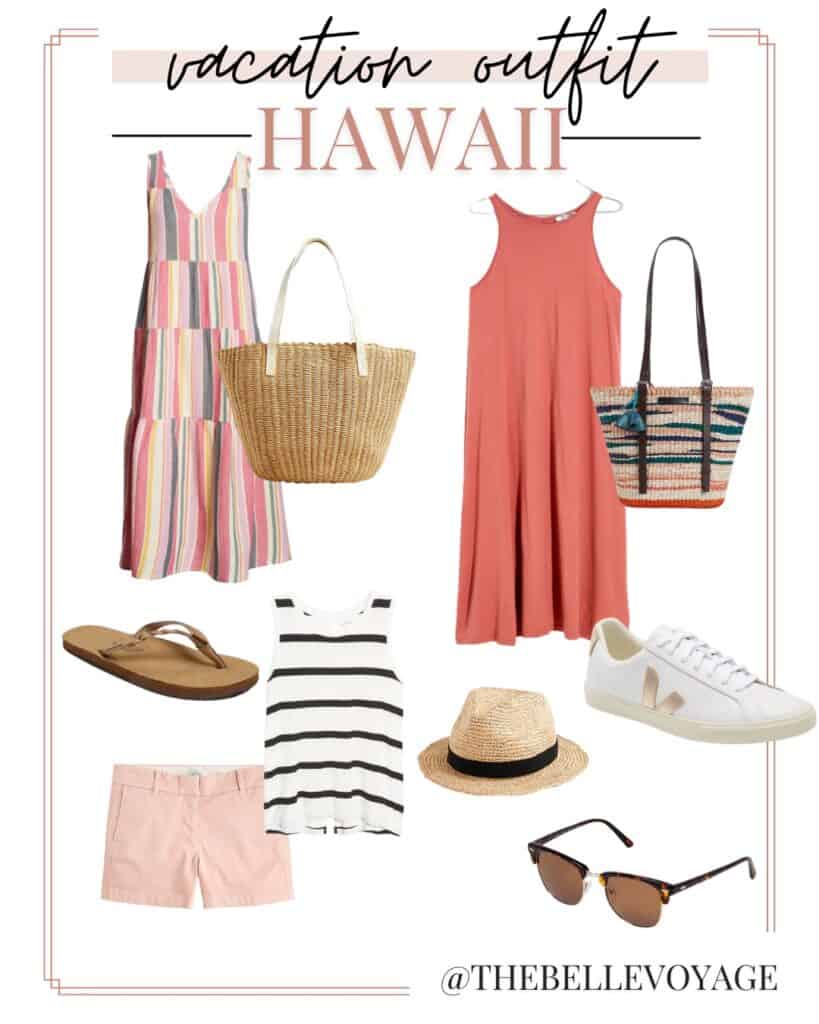
- Luxury Resorts and Hotels (e.g., Four Seasons, Ritz-Carlton, Grand Hyatt, Marriott, Hilton): If your trip focuses on staying at high-end properties in areas like Kaanapali, Wailea, Princeville, or Poipu, you’ll want to pack a few more sophisticated options. Think elegant resort wear: stylish sundresses, chic jumpsuits, linen trousers, collared shirts, and dressier sandals or loafers for evenings. Many resort restaurants have specific dress codes, often requiring collared shirts for men and advising against swimwear or flip-flops in dining areas after a certain time. Lounging by the pool might call for designer swimwear and sophisticated cover-ups.
- Budget Travel and Guesthouses: For those prioritizing adventure and cost-effectiveness, your wardrobe can lean more heavily on practical, durable, and comfortable clothing. Focus on versatile pieces that can be easily washed and air-dried. Durable shorts, t-shirts, activewear, and sturdy walking shoes will be your mainstays. While you might still want one “nicer” outfit for a special meal, the emphasis is on functionality and ease of maintenance. This Lifestyle often involves more self-catering and exploring local markets, where casual attire is perfectly appropriate.
Regardless of your budget, the core principle remains: comfort in the tropical climate. Lightweight, breathable fabrics are universally recommended. The difference primarily lies in the aesthetic and the number of “dress-up” options you include.
Family Fun and Specialized Activities
When planning Family Trips or engaging in specialized activities, certain clothing items become crucial.
- For Families: If traveling with children, pack extra changes of clothes for everyone. Kids will likely get wet and sandy frequently. Sun protection (rashguards, wide-brimmed hats) is even more critical for little ones. Easy-to-clean fabrics are a bonus. Consider bringing small, quick-drying towels for excursions. A designated small backpack for each child can make them feel involved and carry their own essentials.
- Adventure Activities (Surfing, Diving, Ziplining): If you’ve booked specific adventures, ensure you have the right gear. For surfing, a rashguard and board shorts are ideal. Diving often requires minimal clothing under a wetsuit (swimsuit). Ziplining might require closed-toe shoes and comfortable, non-restrictive clothing. Check with your tour operator for specific recommendations.
- Cultural Experiences (Luaus, Hula Lessons): While most luaus are casual, some visitors enjoy dressing up slightly, often in Aloha wear. A beautiful sundress or an Aloha shirt will fit right in. If you plan to participate in hula lessons, comfortable, stretchy clothing that allows for movement is best.
- Photography Trips: If you’re a keen photographer, consider comfortable, neutral-colored clothing that won’t distract from your subjects. A light jacket can protect your gear from sudden showers, and practical shoes will allow you to access the best vantage points for capturing Hawaii’s breathtaking landscapes and Landmarks.
Ultimately, preparing for Hawaii is about anticipating the diverse experiences this incredible destination offers. By blending practicality with a touch of island style, and always keeping comfort and respect for the environment in mind, you’ll be perfectly dressed for every moment of your unforgettable Hawaiian escape.
LifeOutOfTheBox is a participant in the Amazon Services LLC Associates Program, an affiliate advertising program designed to provide a means for sites to earn advertising fees by advertising and linking to Amazon.com. Amazon, the Amazon logo, AmazonSupply, and the AmazonSupply logo are trademarks of Amazon.com, Inc. or its affiliates. As an Amazon Associate we earn affiliate commissions from qualifying purchases.