
Hawaii, a jewel in the Pacific Ocean, is renowned for its stunning beaches, lush rainforests, and vibrant Hawaiian culture. But perhaps its most captivating and primal feature is its active volcanoes. For travelers seeking an experience that transcends the ordinary, witnessing the raw power of a volcanic eruption is an unparalleled adventure. The question, “What volcano is erupting in Hawaii?” is a common one, as the islands are a dynamic geological hotspot, constantly being reshaped by the very forces that created them.
The most frequently asked question leads us directly to Hawaii Island, often called the Big Island, home to some of the world’s most active volcanoes. While the islands boast several volcanic peaks, the one that most frequently captures global attention with its fiery displays is Kīlauea. For decades, Kīlauea has been a reliable, albeit sometimes dramatic, performer, drawing millions to witness its mesmerizing lava flows and glowing craters. This article delves into Kīlauea’s recent activity, what it means for travelers, and how to safely and responsibly experience the awe-inspiring volcanic landscapes of Hawaii.

Kīlauea: Hawaii’s Fiery Heartbeat
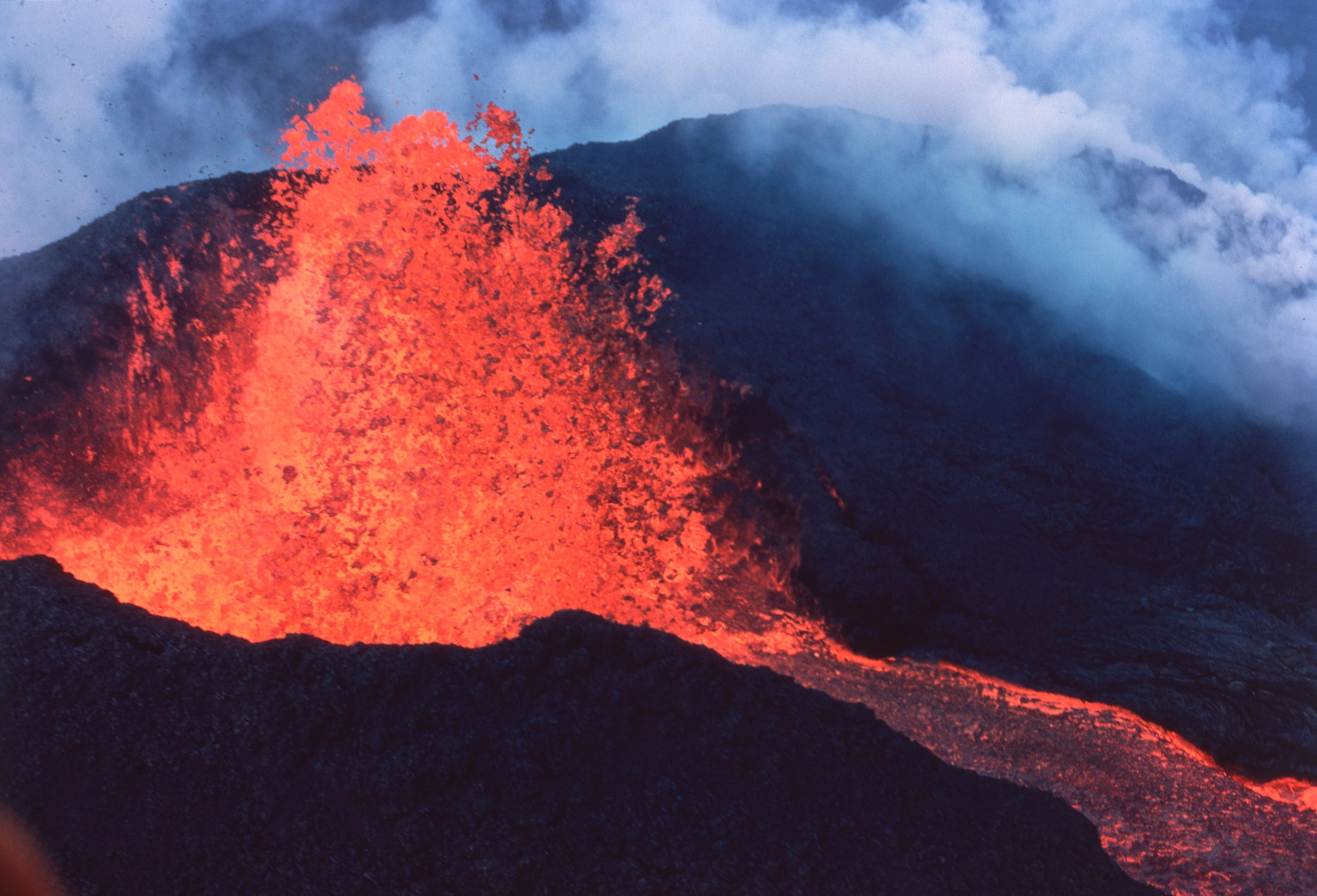
Kīlauea is not just a volcano; it’s a living, breathing geological wonder that consistently reminds us of the planet’s incredible power. Located within Hawaii Volcanoes National Park on the Big Island, Kīlauea is one of the most active volcanoes on Earth. Its eruptions are typically effusive, meaning lava flows relatively slowly and predictably, rather than explosively. This characteristic makes it one of the safest and most accessible volcanoes to observe, under the right conditions and with proper guidance.
For much of the 21st century, Kīlauea has been in an almost continuous state of eruption, though the location and intensity of activity shift. The volcano’s summit caldera, specifically the Halemaʻumaʻu crater, has often been the focal point of its dramatic shows, hosting lava lakes and vigorous fountaining. These events create breathtaking nocturnal glows that illuminate the night sky, drawing eager spectators from around the globe.
Understanding Kīlauea’s Recent Activity
Volcanic activity is inherently dynamic, and Kīlauea is no exception. Its activity can change rapidly, from periods of intense fountaining and overflowing lava lakes within Halemaʻumaʻu to quieter phases where lava may be confined to the crater floor or, less frequently, flow outside the caldera. For travelers, staying informed about the current status is paramount. Official sources such as the United States Geological Survey (USGS) Hawaiian Volcano Observatory and the National Park Service (NPS) website for Hawaii Volcanoes National Park are the most reliable for real-time updates, webcams, and safety advisories.
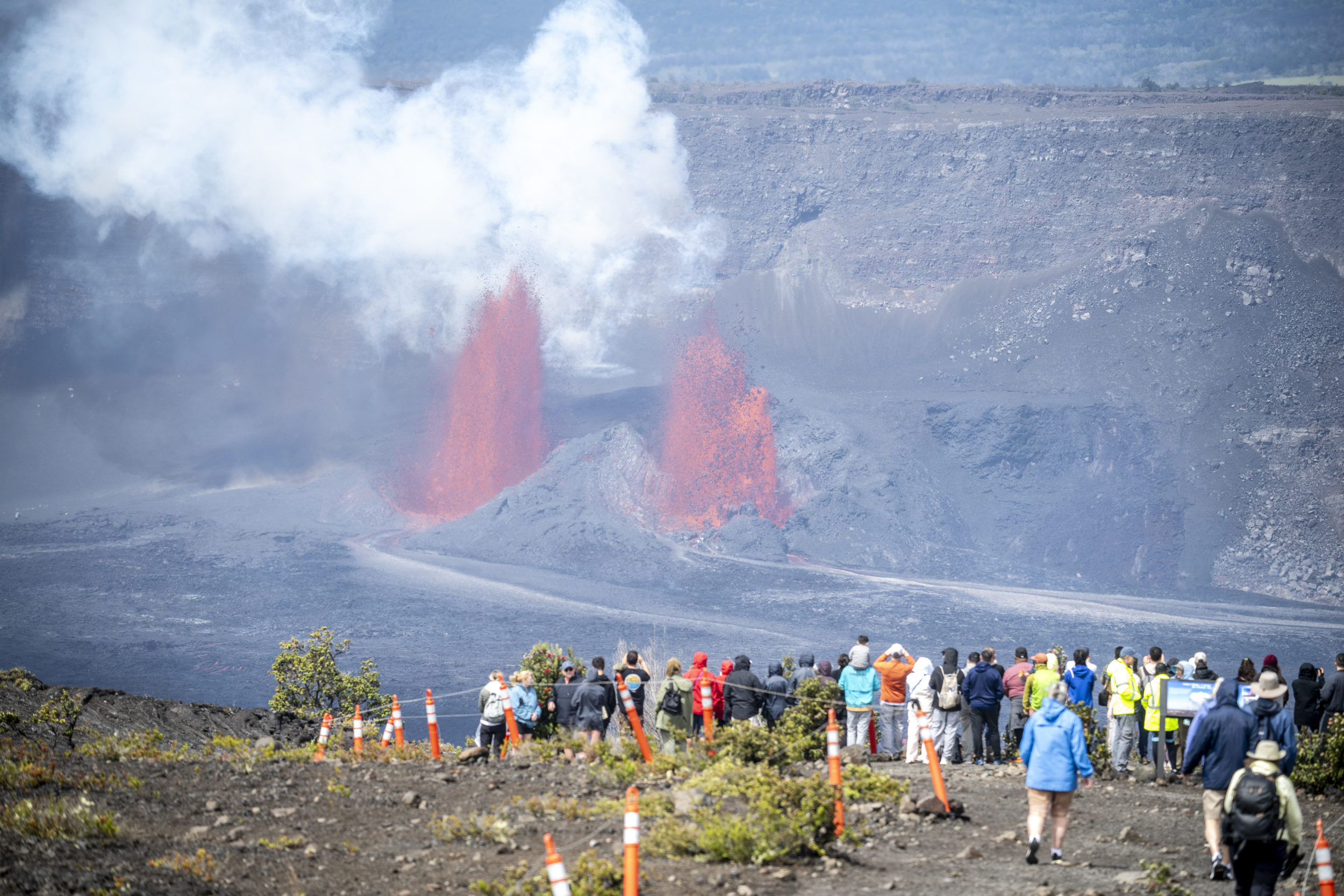
When Kīlauea is actively erupting within Halemaʻumaʻu, visitors can often witness the spectacle from several designated viewing areas around the caldera rim within the national park. These viewpoints, sometimes accessible via short walks from parking areas, offer safe and often spectacular perspectives of the glowing lava. Daytime viewing can reveal steaming vents and crater morphology, while nighttime transforms the scene into a mesmerizing display of fiery orange and red. The best times to visit for viewing are typically at dusk and dawn, or after dark, when the glow of the lava is most vivid against the darkened sky.
Safety First: Essential Tips for Volcano Viewing
While witnessing a volcanic eruption is an unforgettable experience, safety must always be the top priority. The air quality, particularly downwind of active vents, can be affected by volcanic gases, including sulfur dioxide, which can cause respiratory issues. Individuals with pre-existing conditions, young children, and pregnant women should exercise extreme caution or avoid areas with poor air quality.
Key Safety Guidelines:
- Stay Informed: Always check the latest park alerts and advisories from Hawaii Volcanoes National Park before and during your visit. Conditions can change rapidly.
- Adhere to Park Regulations: Respect all posted warning signs, closed areas, and ranger instructions. These are in place for your safety.
- Be Prepared: Bring plenty of water, snacks, flashlights (for night viewing), rain gear, and sturdy closed-toe shoes. The weather in the park can be unpredictable, and trails can be uneven.
- Protect Yourself from Vog: “Vog” (volcanic smog) is a haze caused by sulfur dioxide and other gases reacting with sunlight, oxygen, and moisture. If you are sensitive, wear a mask or limit your exposure on high-vog days.
- Mind the Terrain: The volcanic landscape can be rugged, with sharp lava rocks and unstable ground. Stick to marked trails and viewing areas.
- Never Walk on Fresh Lava: While cooled lava may look solid, it can be extremely fragile and conceal dangerous voids or superheated pockets. It’s also illegal and disrespectful to walk on fresh lava flows.
By following these guidelines, travelers can ensure a safe and memorable encounter with Kīlauea’s magnificent power.
Experiencing the Big Island’s Volcanic Wonders
The Big Island offers far more than just glimpses of erupting lava; it provides a comprehensive immersion into volcanic landscapes, ancient Hawaiian mythology, and unique ecosystems. A trip to the island is a journey through different worlds, from barren lava fields to lush tropical rainforests, all shaped by the very forces of creation.
Exploring Hawaii Volcanoes National Park
Hawaii Volcanoes National Park is the crown jewel for any visitor interested in volcanology and the dramatic beauty of the Big Island. A UNESCO World Heritage Site, the park encompasses the summits of two of the world’s most active volcanoes, Kīlauea and Mauna Loa. The park’s main entrance is located just outside Volcano Village, about a 45-minute drive southwest of Hilo.
Must-See Attractions and Activities within the Park:
- Kīlauea Visitor Center: Start your visit here to get up-to-date information on volcanic activity, park conditions, trail closures, and ranger programs. Learn about the geology, history, and cultural significance of the park.
- Crater Rim Drive: This scenic road encircles Kīlauea Caldera, offering various overlooks and trailheads. Key stops include:
- Uēkahuna (Overlook): Historically the site of the Jaggar Museum, this area now offers one of the best vantage points for observing Halemaʻumaʻu crater and its activity, especially at night.
- Steam Vents and Sulphur Banks: Witness the Earth’s geothermal energy firsthand as steam and volcanic gases rise from cracks in the ground, depositing colorful mineral formations.
- Kīlauea Iki Overlook: Provides a stunning view of a vast, hardened lava lake formed during a spectacular 1959 eruption.
- Thurston Lava Tube (Nāhuku): A short, easy walk through a massive lava tube formed by ancient lava flows. It’s a surreal experience to walk through these subterranean tunnels created by molten rock.
- Devastation Trail: A paved path through a landscape scarred by the 1959 Kīlauea Iki eruption, offering a stark contrast of new growth against black cinder and ash.
- Chain of Craters Road: This dramatic 19-mile drive descends from the summit to the coast, passing numerous pit craters, vast lava flows, and ending at the Hōlei Sea Arch, where lava once poured into the ocean. This road offers a unique perspective on the sheer scale of the lava fields and the continuous reshaping of the land.
Guided tours are also available, often led by experienced naturalists who can provide deeper insights into the geology, ecology, and cultural significance of the park. These tours can range from short interpretive walks to more strenuous hikes across old lava flows, offering a unique educational experience.
Beyond the Caldera: Other Volcanic Attractions
While Hawaii Volcanoes National Park is the epicenter of volcanic tourism, the Big Island boasts other sites that highlight its volcanic origins and ongoing geological evolution.
- Punalu’u Black Sand Beach: Created by lava flowing into the ocean and shattering into tiny fragments, Punalu’u Black Sand Beach is one of Hawaii’s most iconic natural landmarks. It’s also a common spot to see Hawaiian green sea turtles basking in the sun.
- Kalapana and the Lava Flow Fields: The coastal town of Kalapana was tragically engulfed by lava flows in the 1990s. Today, visitors can often walk or bike across sections of the hardened lava, witnessing the stark beauty of the new land and the resilience of the local community. While active lava flowing into the ocean is not a constant, this area offers a powerful reminder of Kīlauea’s destructive and creative power.
- Volcano-themed Art Galleries and Shops in Volcano Village: This charming community on the edge of the national park is home to numerous local artists inspired by the volcanic landscape. You can find unique souvenirs, art pieces, and learn more about the local culture.
Planning Your Volcanic Adventure: Accommodation and Logistics
A trip to witness Hawaii’s erupting volcano requires careful planning, especially regarding accommodation and travel logistics. The Big Island offers a range of options, from rustic cabins to luxurious resorts, catering to various travel styles and budgets.
Where to Stay: Hotels and Resorts Near the Action
For those primarily focused on exploring Hawaii Volcanoes National Park and catching a glimpse of the lava, staying in or near Volcano Village is ideal. This quaint community is just minutes from the park entrance, offering convenience, especially for early morning or late-night visits.
- Volcano House: Situated directly inside Hawaii Volcanoes National Park, the Volcano House is the park’s only hotel. It boasts a rich history and, from many of its rooms and its restaurant, offers unparalleled views directly into Kīlauea Caldera. Staying here provides immediate access to the park’s trails and viewing areas, making it a prime choice for dedicated volcano enthusiasts.
- Kilauea Lodge: Located in Volcano Village, Kilauea Lodge offers a cozy, historic atmosphere with well-appointed rooms and an acclaimed restaurant. It’s a popular choice for those seeking comfort and charm just outside the park gates.
- Chalet Kilauea: Also in Volcano Village, Chalet Kilauea offers a variety of unique accommodations, from private cottages to B&Bs, providing a diverse range of experiences to suit different preferences.
- Vacation Rentals and Guesthouses: Volcano Village and the surrounding areas are abundant with charming vacation rentals, guesthouses, and B&Bs. These options often provide a more local and personalized experience, complete with kitchenettes and private lanais, perfect for longer stays or family trips.
For travelers who prefer a larger town with more amenities, Hilo is about an hour’s drive from the park and offers a wider selection of hotels, restaurants, and shops. Kona, on the western side of the island, is a longer drive (2-3 hours) but is home to major resorts, luxury hotels, and a bustling tourism scene. Many visitors choose to split their stay between the Hilo side (east) and the Kona side (west) to experience both the volcanic landscapes and the sunny beaches.
Getting There:
- The Big Island has two main airports: Hilo International Airport (ITO) on the east side and Kona International Airport (KOA) on the west side.
- Renting a car is highly recommended for exploring the Big Island as public transportation is limited, and the attractions are spread out.
Sustainable Travel and Respecting Hawaiian Culture
Visiting Hawaii’s volcanoes is not just about tourism; it’s about connecting with a sacred landscape and a rich cultural heritage. Hawaiian mythology holds Pele, the goddess of fire and volcanoes, as the creator of the islands, residing in Halemaʻumaʻu crater. Understanding and respecting this cultural significance enhances the travel experience.
Tips for Responsible Tourism:
- Malama Aina (Care for the Land): Stay on marked trails, do not disturb natural features, and pack out everything you pack in. Never remove rocks, sand, or lava from the park, as it is considered bad luck and is illegal.
- Support Local: Choose locally owned accommodations, restaurants, and tour operators. This helps to ensure that tourism benefits the Hawaiian community directly.
- Learn the Culture: Take time to learn about Hawaiian history, language, and customs. Visit cultural centers or engage with local storytellers.
- Be Mindful of Impact: Consider your carbon footprint, opt for eco-friendly tours, and conserve resources during your stay.
The Broader Volcanic Landscape of Hawaii
While Kīlauea is the focus of current eruptive activity, it is just one part of Hawaii’s incredible volcanic story. The entire archipelago is a testament to hotspot volcanism, where a plume of magma rising from deep within the Earth’s mantle creates new land as the Pacific Plate slowly drifts northwest over it.
Mauna Loa and Haleakalā: A Glimpse into the Future
The Big Island is also home to Mauna Loa, the largest volcano on Earth in terms of mass and volume, which last erupted in 2022 after decades of slumber. Its eruptions are less frequent but can be more voluminous, covering vast areas. While not currently erupting, its presence underscores the dynamic nature of the island. Travelers can experience its vastness by driving up to its slopes or exploring areas like the Mauna Loa Scenic Road, offering incredible views and high-elevation landscapes.
On the island of Maui, the magnificent Haleakalā volcano dominates the landscape. While not currently active, Haleakalā is considered dormant rather than extinct, with its last eruption occurring sometime between 1480 and 1790 AD. Visitors flock to Haleakalā National Park to witness breathtaking sunrises and sunsets from its summit, explore its vast lunar-like crater, and hike through unique subalpine ecosystems. The absence of current eruptions allows for a different kind of volcanic experience, one focused on grandeur, scale, and geological history.
Further to the northwest, the older islands like Oahu and Kauai represent volcanoes that have long ceased erupting, now deeply eroded into stunning peaks and valleys. These islands showcase the long-term effects of volcanic activity and the powerful forces of erosion, creating lush, dramatic landscapes perfect for hiking and sightseeing.
In conclusion, for those asking “What volcano is erupting in [Hawaii]?”, the answer almost invariably points to Kīlauea on the Big Island. A visit to this active volcano offers an unparalleled opportunity to witness Earth’s creative power, immersing travelers in a landscape constantly being born anew. By embracing responsible travel practices, staying informed, and respecting the cultural significance of these natural wonders, every visitor can forge an unforgettable connection with the heart of Hawaii. Whether you seek the thrill of seeing glowing lava, the serenity of a black sand beach, or the majesty of a volcanic summit, Hawaii’s volcanoes promise an adventure that will forever redefine your understanding of our living planet.
LifeOutOfTheBox is a participant in the Amazon Services LLC Associates Program, an affiliate advertising program designed to provide a means for sites to earn advertising fees by advertising and linking to Amazon.com. Amazon, the Amazon logo, AmazonSupply, and the AmazonSupply logo are trademarks of Amazon.com, Inc. or its affiliates. As an Amazon Associate we earn affiliate commissions from qualifying purchases.