
The sun-drenched beaches and vibrant culture of Hawaii beckon millions of travelers each year, offering a mosaic of experiences from luxurious resort stays to rugged volcanic adventures. But beneath the idyllic surface of this premier travel destination lies a rich and complex history, a journey from an independent kingdom to a pivotal United States territory, and ultimately, a state. For those curious about the archipelago’s intricate past, particularly its relationship with the U.S., the question often arises: “When did Hawaii become a Territory?” The definitive answer is August 12, 1898, a date that marked a profound shift in the destiny of the Hawaiian Islands. This transformation was not a sudden event but the culmination of decades of growing foreign influence, political upheaval, and strategic interests in the Pacific Ocean. Understanding this pivotal moment is key to appreciating the unique cultural tapestry and enduring spirit of Hawaii today, making it not just a place to visit, but a destination deeply rooted in fascinating history.
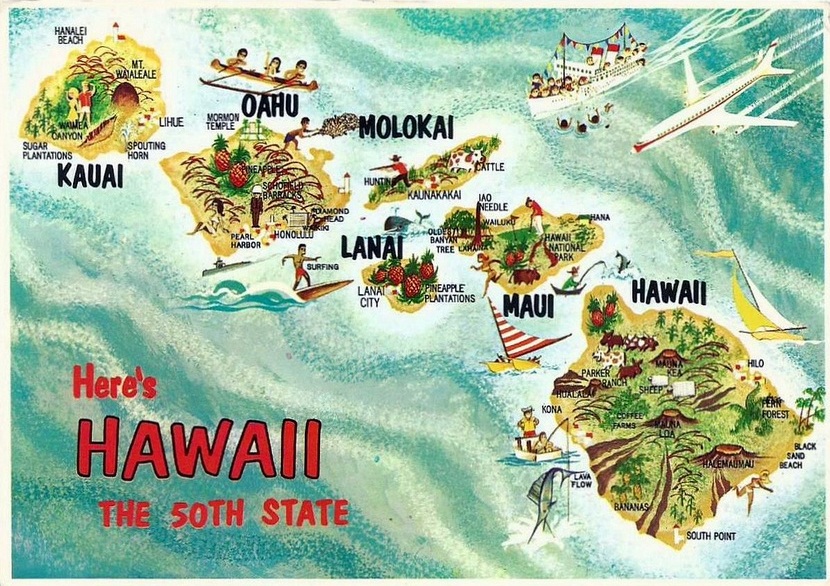
From Ancient Monarchy to Modern Territory: A Brief History
Long before its territorial status, Hawaii was a sovereign nation, a beacon of Polynesian heritage and self-governance. Its journey from an isolated archipelago to a strategic global player is a testament to its enduring allure and geopolitical significance.
The Hawaiian Kingdom and Its Rulers
The Hawaiian Islands were first unified under the dynamic leadership of King Kamehameha I in 1810, establishing the Kingdom of Hawaii. This period, stretching for nearly a century, saw the development of a unique nation with its own distinct laws, customs, and diplomatic relations. Early contact with Western explorers, notably Captain James Cook in 1778, opened the islands to the outside world, bringing with it both opportunities and challenges. Missionaries, merchants, and whalers soon followed, gradually intertwining Hawaii’s fate with global powers, particularly the United States and Great Britain.
The kingdom flourished, adopting constitutional monarchies and engaging in international trade. Honolulu emerged as a bustling port city, attracting diverse populations and fostering a cosmopolitan atmosphere. Royal families, such as the Kamehameha and Kalākaua dynasties, ruled over a vibrant society that balanced traditional Hawaiian culture with modern advancements. Landmarks like Iolani Palace, the only official residence of royalty in the United States, stand as powerful reminders of this regal era, offering visitors a tangible connection to Hawaii’s sovereign past. Tourism in those days was minimal, primarily consisting of scientific expeditions and the occasional adventurous traveler, but the seeds of Hawaii’s future as a premier destination were unwittingly sown.
The Overthrow and the Republic
The late 19th century brought increasing pressure from foreign business interests, predominantly American, who sought to leverage Hawaii’s fertile land for sugar plantations and its strategic location for naval operations. This period was marked by growing political instability, culminating in the illegal overthrow of the Kingdom of Hawaii on January 17, 1893. Led by a group of American and European businessmen and supported by U.S. Marines, the coup deposed Queen Liliuokalani, Hawaii’s last reigning monarch.
The provisional government established in the wake of the overthrow was quickly replaced by the Republic of Hawaii in 1894, with Sanford B. Dole as its president. This new government, largely controlled by American interests, immediately pursued annexation by the United States. However, strong opposition from native Hawaiians and anti-imperialist factions within the U.S. initially stalled these efforts. The overthrow remains a contentious and sorrowful chapter in Hawaiian history, recognized today with official apologies and a heightened awareness of indigenous rights. For visitors, sites like Iolani Palace and the statue of Queen Liliuokalani in Honolulu offer poignant insights into this tumultuous period, reminding us of the resilience of the Hawaiian people and the enduring spirit of the Aloha Spirit.
The Road to Annexation and Territorial Status
The path from an independent republic to a U.S. territory was fraught with political debate and international maneuvering, ultimately shaped by global events and evolving American foreign policy.
The Annexation Treaty and Its Challenges
Following the establishment of the Republic of Hawaii, the push for annexation intensified. Pro-annexation forces in both Hawaii and the United States argued for the islands’ strategic value, particularly as a coaling station and naval base in the Pacific Ocean. The economic advantages, primarily the sugar trade, also played a significant role. Treaties of annexation were drafted, but the process faced considerable challenges. U.S. President Grover Cleveland, an anti-imperialist, initially withdrew a treaty of annexation, questioning the legality and ethics of the overthrow of the kingdom.
However, the political climate in the United States began to shift, especially with the onset of the Spanish-American War in 1898. The war highlighted Hawaii’s immense strategic importance as a supply hub and naval outpost for American operations in the Philippines and other Pacific territories. This new geopolitical reality provided the crucial impetus needed to overcome earlier opposition. The narrative shifted from purely economic interests to national security, swaying public and political opinion towards annexation. This period underscored how global events could dramatically impact the fate of smaller nations, demonstrating the complex interplay of history and geopolitics.
August 12, 1898: A New Era Begins
With the Spanish-American War in full swing, and amid heightened nationalist fervor, the United States Congress moved swiftly. Instead of pursuing a new treaty, which would require a two-thirds majority in the Senate and likely face opposition, annexation was achieved through a joint resolution known as the Newlands Resolution. This legislative maneuver required only a simple majority in both the House and Senate, making it easier to pass. It was signed into law by President William McKinley on July 7, 1898.
The formal transfer of sovereignty took place just over a month later, on August 12, 1898, in a ceremony at Iolani Palace in Honolulu. The Hawaiian flag was lowered, and the American flag was raised, officially marking Hawaii’s status as a U.S. territory. This event was met with mixed emotions: jubilation among the annexationists and profound sadness and protest among native Hawaiians, who viewed it as a further usurpation of their sovereignty. The ceremony concluded a long and often painful chapter in Hawaiian history and opened a new one, intertwining the destiny of the islands with that of the United States. For modern travelers, understanding this date provides crucial context when visiting historic sites like the palace or exploring the cultural nuances of the islands.
Hawaii as a U.S. Territory: Development and Transformation

The period of territorial status, from 1898 to 1959, was a transformative era for Hawaii, profoundly shaping its economy, demographics, and infrastructure, all of which continue to influence its appeal as a global travel destination.
Economic Growth and Military Significance
As a U.S. territory, Hawaii experienced significant economic growth, largely driven by the expansion of its sugar and pineapple industries, which benefited from duty-free access to the American market. Plantation owners, primarily American, imported vast numbers of laborers from Asia (China, Japan, Korea, and the Philippines) and Portugal, creating a highly diverse, multicultural society that is still a defining characteristic of the islands today. This influx of different cultures contributed to Hawaii’s rich culinary scene and vibrant local traditions, elements that are now central to its tourism appeal.
Simultaneously, Hawaii’s military importance surged. The United States recognized the islands as a crucial strategic outpost in the Pacific Ocean, leading to the massive development of military installations. Pearl Harbor on Oahu became the primary base for the U.S. Pacific Fleet, profoundly impacting the local economy and demographics. The attack on Pearl Harbor on December 7, 1941, brought the United States into World War II and forever etched Hawaii into the annals of global history. Today, sites like the USS Arizona Memorial and the National Memorial Cemetery of the Pacific (Punchbowl) are powerful landmarks and essential visits for anyone interested in the territorial period and its profound impact.
The Rise of Tourism and Infrastructure
While sugar and the military were the primary economic drivers for much of the territorial period, the seeds of Hawaii’s modern tourism industry were firmly planted. Early steamship travel and the emerging popularity of pleasure cruises brought a small but steady stream of visitors to the islands. The development of iconic hotels like The Moana Surfrider, A Westin Resort & Spa, Waikiki Beach (opened 1901) and The Royal Hawaiian, a Luxury Collection Resort, Waikiki (opened 1927) on Waikiki Beach catered to an exclusive clientele, establishing Hawaii as a destination for luxury travel.
The Organic Act of 1900 established a territorial government, laying the groundwork for greater self-governance and the development of public services and infrastructure. Roads, ports, and eventually airfields were improved, making the islands more accessible. After World War II, the advent of commercial air travel revolutionized accessibility, transforming Hawaii from an exotic, distant locale into an increasingly attainable paradise for a broader range of travelers. This post-war boom set the stage for the unparalleled growth in accommodation options and tourism experiences we see today, from sprawling resorts and suites to charming apartments and villas. The territorial period effectively transformed Hawaii into the robust, visitor-ready destination it is now.
Legacy and Modern-Day Hawaii: A Tourist’s Perspective
The echoes of Hawaii’s territorial past resonate throughout the islands today, influencing its vibrant culture, diverse population, and unique appeal as a travel destination. For those planning a visit, understanding this history enhances the overall experience.
Preserving Culture Amidst Progress
Despite the significant political and social changes brought by territorial status and subsequent statehood, the spirit of the Hawaiian Kingdom endures. Efforts to preserve and revitalize native Hawaiian culture, language, and traditions have gained significant momentum, especially in recent decades. Festivals like Kamehameha Day, which celebrates the legacy of King Kamehameha I, are vibrant displays of this enduring heritage. The rich multicultural tapestry forged during the territorial period, with influences from Asian, Pacific, and Western cultures, defines modern Hawaiian cuisine, music, and art, making it a truly unique lifestyle experience.
Visitors can immerse themselves in this rich cultural heritage at attractions like the Bishop Museum in Honolulu, which houses an unparalleled collection of Polynesian artifacts and natural history specimens. The Polynesian Cultural Center on Oahu offers an interactive journey through the traditions of various Pacific island nations, including Hawaii. These sites, alongside the everyday interactions with the diverse local population, provide invaluable insights into how history has shaped the islands’ contemporary identity. The blend of ancient customs with modern influences is a core part of Hawaii’s allure, offering a deeply enriching travel experience.
Experiencing Territorial History Through Travel
For travelers keen on exploring Hawaii’s territorial history, the islands offer a wealth of landmarks and attractions. Beyond Pearl Harbor and Iolani Palace, visitors can explore Kawaiaha’o Church, known as the “Westminster Abbey of the Pacific,” which served as the official church of the Hawaiian Kingdom and witnessed many pivotal historical events. Strolling through downtown Honolulu reveals a fusion of historic architecture from the kingdom and territorial eras, telling stories of political shifts and economic booms.
On Maui, the historic whaling town of Lahaina, a former capital of the Hawaiian Kingdom and a bustling port during the territorial period, offers charming streets, old buildings, and a glimpse into maritime history. The Dole Plantation on Oahu, while a popular tourist attraction today, represents the powerful agricultural enterprises that drove much of Hawaii’s economy during its territorial years. Even natural landmarks like Diamond Head on Oahu, a prominent volcanic tuff cone, bear the scars of military fortifications from the territorial era, showcasing Hawaii’s dual role as a natural wonder and a strategic military outpost. Engaging with these sites provides a deeper appreciation for the complex forces that shaped this unique American territory.
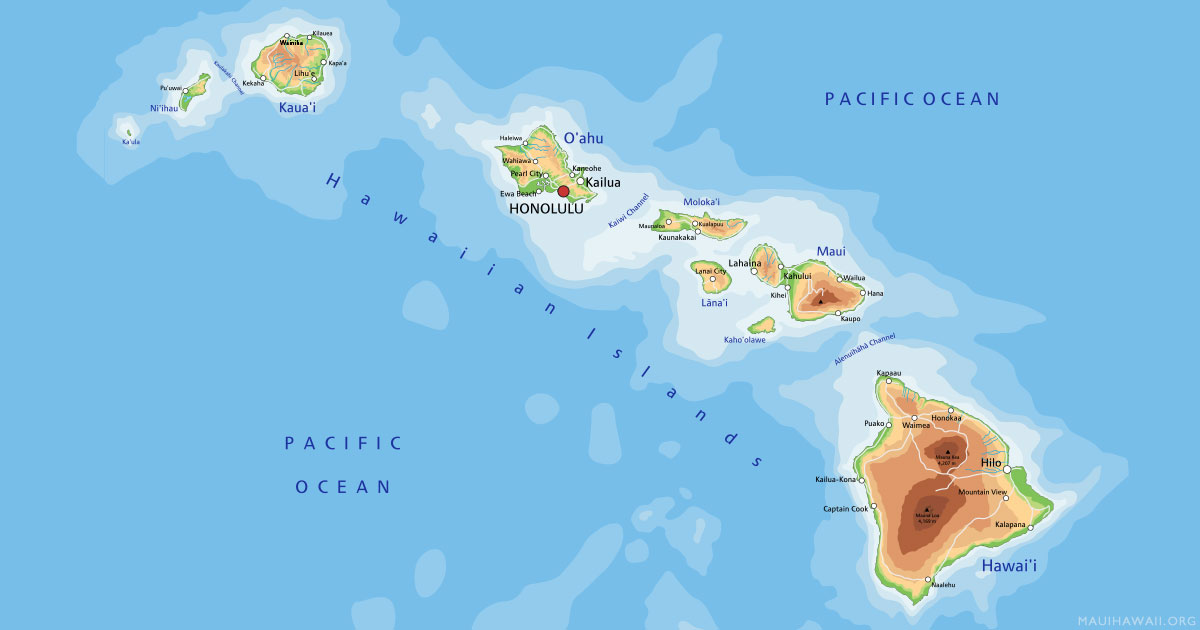
Planning Your Historic Hawaiian Getaway
Whether you’re interested in a luxury travel escape, a budget-friendly adventure, or a family trip, Hawaii’s territorial history can be seamlessly integrated into your itinerary. Modern accommodations cater to every preference, from world-renowned resorts like Hilton Hawaiian Village and Aulani, A Disney Resort & Spa on Oahu to boutique hotels and vacation rentals on Maui, Kauai, and the Big Island. Many of these establishments, particularly those in Waikiki, are nestled among or near sites of historical significance, allowing guests to explore history at their leisure.
Consider booking a stay at a hotel that itself has a history, such as The Royal Hawaiian or The Moana Surfrider, for an immersive historical experience. When planning your activities, balance beach relaxation and natural wonders like Hawaii Volcanoes National Park or Hanauma Bay with visits to historical attractions to gain a comprehensive understanding of the islands. Local tourism guides and specialized tours can provide deeper insights into the territorial era, offering perspectives that go beyond the surface-level beauty.
By remembering that Hawaii officially became a U.S. territory on August 12, 1898, travelers unlock a richer narrative, transforming a simple vacation into an educational and culturally profound journey through time. The islands are not merely a collection of beautiful beaches, but a living testament to a complex and resilient past, waiting to be discovered by every curious visitor.
LifeOutOfTheBox is a participant in the Amazon Services LLC Associates Program, an affiliate advertising program designed to provide a means for sites to earn advertising fees by advertising and linking to Amazon.com. Amazon, the Amazon logo, AmazonSupply, and the AmazonSupply logo are trademarks of Amazon.com, Inc. or its affiliates. As an Amazon Associate we earn affiliate commissions from qualifying purchases.