
The story of Hawaii’s journey from an independent kingdom to a territory of the United States is a complex tapestry woven with threads of strategic ambition, economic opportunism, and political maneuvering. For anyone traveling to these magnificent islands today, understanding this history enriches the experience, offering deeper insights into the culture, landmarks, and the resilient spirit of the Hawaiian people. Beyond the pristine beaches and luxurious resorts, lies a narrative that shaped the very identity of this Pacific paradise. This article delves into the pivotal reasons behind the United States’ annexation of Hawaii, exploring the motivations, key players, and events that irrevocably altered the course of Hawaiian history.
The Lure of the Pacific: Hawaii’s Strategic Value
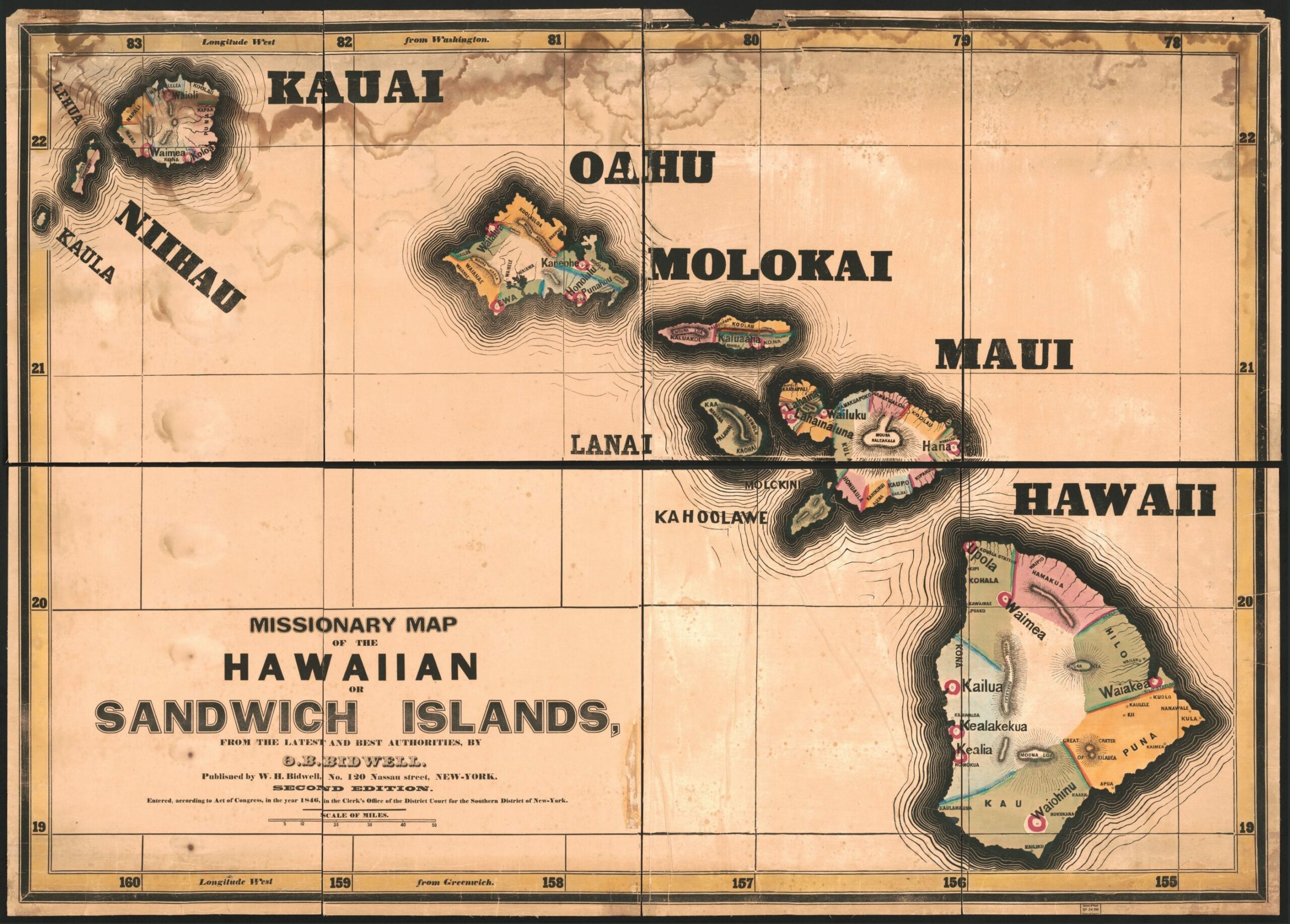
In the grand scheme of 19th-century geopolitics, the small island nation of Hawaii held an outsized importance. Located in the heart of the Pacific Ocean, it was a critical waypoint for trade, whaling, and naval operations. The United States, a burgeoning global power with aspirations for economic and military expansion, viewed the islands with increasing interest.
Sugarcane and Economic Interests
One of the primary drivers behind American interest in Hawaii was economic. The fertile volcanic soil and tropical climate were perfectly suited for growing sugarcane. Beginning in the mid-19th century, American businessmen and missionaries established vast sugar plantations across the islands. These enterprises grew rapidly, creating immense wealth for a select group of American and European planters.
The relationship between the United States and the Kingdom of Hawaii deepened with the signing of the Reciprocity Treaty of 1875. This landmark agreement allowed Hawaiian sugar to enter the U.S. market duty-free, providing a significant boost to the industry. In return, the United States gained preferential access to Hawaiian ports and, crucially, exclusive rights to develop a naval coaling station at Pearl Harbor on the island of Oahu. This treaty inextricably linked the economic fate of Hawaii to the United States and laid the groundwork for further American influence.
The prosperity brought by sugar, however, came at a cost to the indigenous Hawaiian population. The labor demands of the plantations led to the immigration of workers from China, Japan, and Portugal, diversifying the islands’ demographics but also marginalizing native Hawaiians in their own land. Many contemporary travelers exploring the cultural richness of Hawaii today might find it fascinating to delve into the history of these various communities, whose descendants now form the vibrant tapestry of modern Hawaiian society.
Naval Power and the Pacific
Beyond sugar, the strategic military importance of Hawaii was paramount. As the United States looked westward, envisioning an expanded role in Asia and the Pacific, a naval base in the mid-Pacific became indispensable. Pearl Harbor, with its deep, protected waters, was an ideal location. Control over Hawaii would provide the United States with a vital refueling stop, a strategic military outpost, and a powerful projection of its naval capabilities across the globe.
This foresight was rooted in the geopolitical theories of the time, particularly the concept of sea power championed by figures like Alfred Thayer Mahan. The ability to maintain a strong naval presence was seen as crucial for national security and economic prosperity. Thus, the annexation of Hawaii was not merely about acquiring territory; it was about securing a strategic foothold that would enable the United States to compete with European powers and safeguard its interests in the rapidly expanding global marketplace.
Today, visitors to the Pearl Harbor National Memorial can reflect on the profound strategic importance of this location, not only in the context of World War II but also in the long arc of American expansionism that began with the initial interest in Hawaii.
A Kingdom Transformed: Internal Strife and External Pressures
The story of annexation is inextricably linked to the internal political struggles within the Kingdom of Hawaii, exacerbated by increasing foreign influence. The monarchy, which had skillfully navigated the complex waters of international diplomacy for decades, found itself increasingly vulnerable to the ambitions of powerful American and European residents.
The Reign of Queen Liliʻuokalani and Growing Discontent
By the late 19th century, the Hawaiian monarchy was in a precarious position. The influx of foreign settlers, particularly American planters and businessmen, had led to the concentration of economic and political power in their hands. The 1887 Bayonet Constitution, imposed on King Kalākaua by a militia of American and European residents known as the Honolulu Rifles, severely curtailed the monarch’s powers and disenfranchised most Hawaiian citizens, granting voting rights primarily to wealthy landowners.
When Queen Liliʻuokalani ascended to the throne in 1891, she inherited a kingdom teetering on the brink. A staunch nationalist, she was determined to restore sovereignty and dignity to her people. Her primary goal was to promulgate a new constitution that would restore power to the monarchy and the Hawaiian people, revoking the restrictive Bayonet Constitution. This noble aspiration, however, directly challenged the interests of the powerful pro-annexation faction, largely composed of American businessmen.
Visiting Iolani Palace in Honolulu today, the only official residence of royalty in the United States, provides a tangible connection to the grandeur and eventual heartbreak of the monarchy. It stands as a powerful landmark, inviting travelers to reflect on the reign of Queen Liliʻuokalani and the pivotal moments that unfolded within its walls.
The Overthrow of the Monarchy
The Queen’s efforts to enact a new constitution served as the catalyst for a dramatic turn of events. On January 17, 1893, a group of primarily American and European businessmen, led by individuals such as Sanford B. Dole (a distant cousin of pineapple magnate James Dole), formed the Committee of Safety. With the thinly veiled support of U.S. Minister John L. Stevens and the presence of U.S. Marines from the USS Boston ostensibly to protect American lives and property, the Committee of Safety orchestrated a coup.
The Queen, seeking to avoid bloodshed, yielded her authority under protest, appealing to the United States government for justice. She wrote: “I yield to the superior force of the United States of America… I yield my authority until such time as the Government of the United States shall, upon the facts being presented to it, undo the action of its representative and reinstate me in the authority which I claim as the constitutional sovereign of the Hawaiian Islands.” This poignant statement underscores the belief that the overthrow was an illegal act, a sentiment that resonates deeply with many Hawaiians to this day.

The immediate aftermath saw the establishment of the Provisional Government of Hawaii, which quickly moved to seek annexation by the United States.
The Republic of Hawaii
Despite the initial push for annexation, the path was not straightforward. President Grover Cleveland, a strong anti-imperialist, condemned the overthrow as an “act of war” and withdrew the annexation treaty from the Senate. He even attempted to reinstate Queen Liliʻuokalani, but the Provisional Government, now led by Sanford B. Dole as president, refused to step down.
Faced with this defiance, the United States was in a difficult position. Ultimately, Cleveland recognized the existing government, leading to the formation of the Republic of Hawaii in 1894. This independent republic, however, was largely controlled by the same pro-annexation elite, continuing to press for absorption into the United States. This period, while brief, is a testament to the persistent efforts of the annexationists and the complex interplay of international law and local power dynamics.
The Road to Annexation: Political Maneuvering and Manifest Destiny
The final push for Hawaii’s annexation came a few years later, fueled by a renewed sense of American expansionism and specific geopolitical events.
The Spanish-American War and Its Influence
The turning point arrived with the outbreak of the Spanish-American War in 1898. This conflict, fought in the Caribbean and the Pacific, underscored the critical strategic value of Hawaii. As U.S. naval forces and troops moved across the Pacific to engage with Spanish forces in the Philippines, Hawaii served as an indispensable coaling station, supply depot, and staging area. The war vividly demonstrated how essential a secure Pacific base was for projecting American power and protecting burgeoning overseas interests, including potential new territories like Guam and the Philippines themselves.
The war galvanized public and political opinion in the United States in favor of annexation. The anti-imperialist sentiments that had stalled the process under President Cleveland began to wane, replaced by a surge of nationalist fervor and a belief in America’s “Manifest Destiny” to expand its influence across the Pacific.
The Joint Resolution
With President William McKinley, a staunch annexationist, in the White House, the stage was set. Overcoming opposition from anti-imperialists and those who recognized the illegality of the overthrow, the United States Congress passed a Joint Resolution annexing Hawaii on July 7, 1898. Unlike a treaty, which would have required a two-thirds majority vote in the Senate, a joint resolution only needed a simple majority in both houses of Congress. This legislative maneuver, known as the Newlands Resolution, effectively bypassed the constitutional hurdle and made Hawaii a U.S. territory.
On August 12, 1898, a formal ceremony was held at Iolani Palace, where the Hawaiian flag was lowered and the American flag was raised. Queen Liliʻuokalani, still under house arrest at the Palace, watched this somber event from her window, a symbol of a nation’s lost sovereignty. For many Hawaiians, this day remains a painful reminder of the forcible seizure of their homeland.
The Legacy of Annexation: Hawaii Today and Its Enduring Appeal
The annexation of Hawaii in 1898 fundamentally reshaped its destiny, paving the way for its eventual statehood in 1959. Today, Hawaii stands as a vibrant testament to its unique history, a fusion of ancient Polynesian culture, plantation-era influences, and American governance.
Cultural Resilience and Modern Tourism
Despite the profound political changes, the native Hawaiian culture has shown remarkable resilience. Efforts to preserve the Hawaiian language, traditions, and the deeply spiritual connection to the ‘āina (land) are stronger than ever. Tourists who venture beyond the typical resort experience can immerse themselves in this rich heritage, whether by learning a few words of ‘ōlelo Hawaiʻi, attending a traditional lūʻau that respects cultural authenticity, or visiting museums and cultural centers like the Bishop Museum in Honolulu.
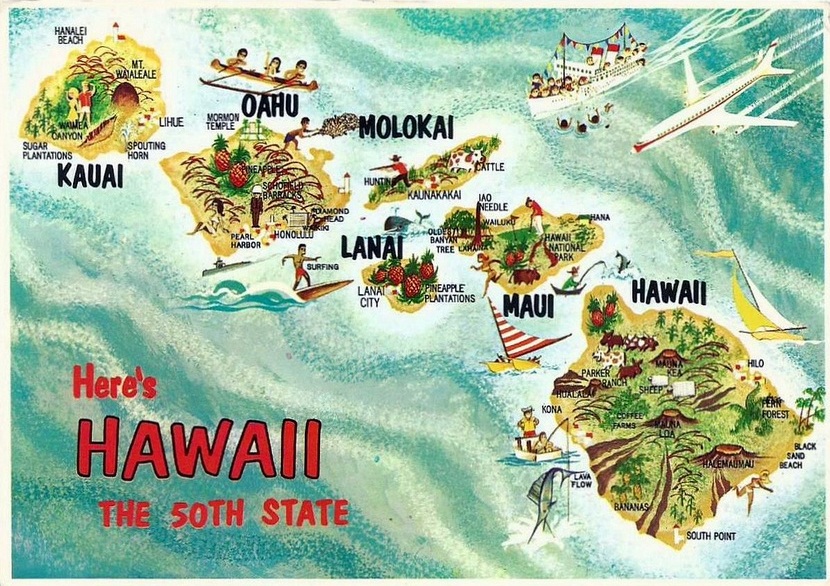
The islands have evolved into a premier global travel destination, attracting millions with their unparalleled natural beauty, diverse landscapes, and the renowned Aloha Spirit. From the volcanic peaks of Maui and the dramatic cliffs of Kauai to the bustling energy of Waikiki on Oahu and the raw power of Hawaii Island’s active volcanoes, each island offers a distinct experience. The legacy of annexation means that visitors benefit from modern infrastructure and familiar amenities, while still being able to connect with a deeply rooted and distinct culture.
For travelers, the array of accommodation options in Hawaii is vast, from luxurious resorts in Wailea or Kona to charming boutique hotels and eco-friendly villas that cater to different lifestyles and budgets. Many of these establishments strive to incorporate elements of Hawaiian design and hospitality, offering a blend of modern comfort and cultural immersion.
Visiting Historical Sites and Learning the Story
For those interested in understanding the “why” behind Hawaii’s annexation, the islands offer numerous historical sites and opportunities for education:
- Iolani Palace: As mentioned, this National Historic Landmark is indispensable for understanding the Hawaiian monarchy and its tragic end. Tours offer a poignant glimpse into the lives of the last Hawaiian monarchs and the events of the overthrow.
- Kawaiahaʻo Church: Located near Iolani Palace, this “Westminster Abbey of Hawaii” served as the official church of the Hawaiian royalty and is a significant landmark for understanding the role of missionaries and the evolution of the Kingdom.
- ʻĀinahau: Although the original estate no longer stands, the site of Princess Kaʻiulani’s home in Waikiki (now part of the Princess Kaʻiulani Hotel) holds deep historical significance, as she was a fierce advocate against annexation.
- Hawaii State Capitol: Directly behind Iolani Palace, this modern building symbolizes Hawaii’s current status as a U.S. state, offering a stark contrast to the nearby symbols of the monarchy.
Understanding the historical context of the annexation allows visitors to appreciate not just the stunning beauty of Hawaii, but also the strength and resilience of its people. It encourages a more respectful and engaged form of tourism, one that acknowledges the complex past while celebrating the vibrant present and promising future of these extraordinary islands. Whether seeking adventure, relaxation, or cultural enrichment, Hawaii offers a travel experience unlike any other, enriched by the compelling story of how it came to be part of the United States.
LifeOutOfTheBox is a participant in the Amazon Services LLC Associates Program, an affiliate advertising program designed to provide a means for sites to earn advertising fees by advertising and linking to Amazon.com. Amazon, the Amazon logo, AmazonSupply, and the AmazonSupply logo are trademarks of Amazon.com, Inc. or its affiliates. As an Amazon Associate we earn affiliate commissions from qualifying purchases.