
Embarking on your first independent travel adventure at 18 is an exhilarating milestone, a true taste of freedom and responsibility. You’ve planned your itinerary, perhaps dreamed of exploring the bustling streets of New York City, the vibrant culture of Paris, or the serene beaches of Cancun. But before you pack your bags, a critical question arises: can you actually book a hotel at 18? This seemingly straightforward query opens up a complex world of legal requirements, hotel policies, and practical considerations that every young traveler needs to understand.
While 18 is widely recognized as the age of majority in many parts of the world, making you an adult in the eyes of the law, the hospitality industry often operates under its own distinct set of rules, particularly concerning minimum check-in ages. These rules can vary dramatically not just between countries, but even between states, cities, and individual hotel properties within the same chain. This guide aims to demystify the process, providing you with the essential knowledge and practical tips to confidently secure your accommodation and enjoy your travel experiences to the fullest. We’ll delve into the legal landscape, explore common hotel policies, and offer solutions to help you navigate any potential challenges, ensuring your journey is smooth from check-in to check-out.
The Legal Landscape: Understanding the Age of Majority
The concept of the “age of majority” is fundamental to understanding your rights and responsibilities as an adult, including your ability to enter into contracts like booking a hotel room. While many assume that turning 18 automatically grants you universal contractual rights, the reality, especially in the context of accommodation, is often more nuanced.
What is the Age of Majority?
The age of majority is the threshold at which a person is legally considered an adult and gains full legal rights and responsibilities. In the vast majority of countries worldwide, including the United States, Canada, the United Kingdom, France, Germany, and Australia, this age is set at 18. This means that at 18, you can typically vote, sign contracts, and are held fully accountable for your actions. However, some specific rights, such as purchasing alcohol or tobacco, or in this case, booking a hotel room, may have higher age restrictions in certain jurisdictions.
For instance, while you can sign a contract in most U.S. states at 18, individual states and even cities can impose higher minimum ages for specific commercial transactions, particularly within the hospitality sector. This creates a patchwork of regulations that can be confusing for young travelers.
Minimum Check-in Ages by Law and Policy
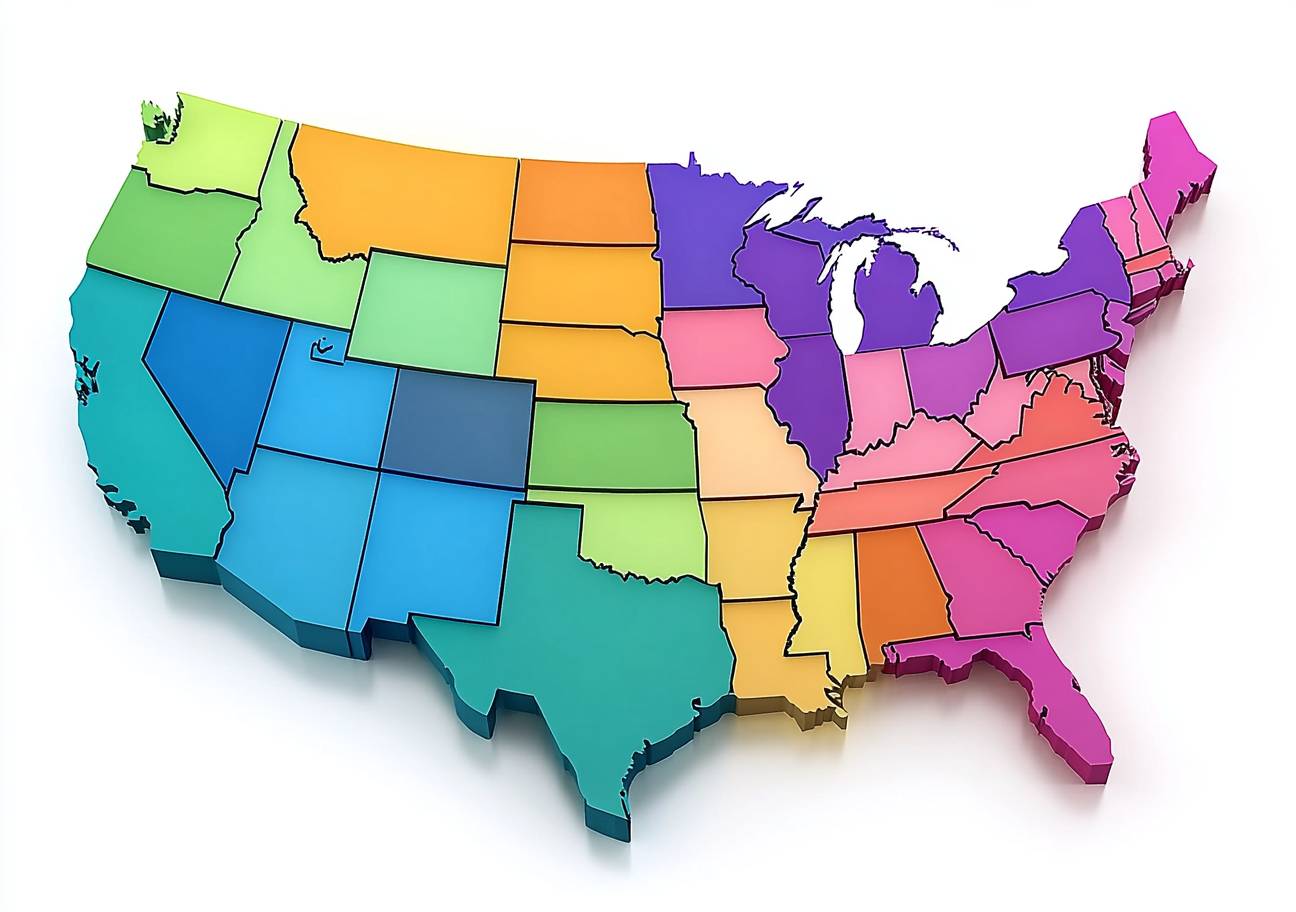
Here’s where the legal age of majority diverges from common practice in the hotel industry. While legally you might be able to enter into a contract at 18, many hotels, particularly in certain regions, enforce a minimum check-in age of 21. This isn’t always a legal mandate, but rather a policy decision made by the hotel management.
- United States: This is perhaps the most significant country where the 21-year-old check-in rule is prevalent. While some states like Michigan and Alabama legally mandate a minimum age of 19 or 21, respectively, for hotel check-ins, in many other states, the 21-year-old rule is purely a hotel policy. Cities renowned for nightlife, such as Miami, Las Vegas, and Orlando, are particularly strict about enforcing a 21+ check-in age due to concerns about alcohol consumption and property damage.
- Canada: Generally, the age of majority for booking a hotel in Canada aligns with the provincial age of majority, which is 18 in most provinces (e.g., Ontario, Quebec) and 19 in others (e.g., British Columbia, Alberta). Hotel policies tend to follow these provincial guidelines more closely than in the U.S..
- Europe and Most of the World: In most European countries, Asia, and South America, 18 is generally the accepted age for booking and checking into hotels. While individual hotels might have higher internal policies, it’s far less common than in the U.S.. However, it’s always prudent to double-check.
Understanding this distinction between legal age and hotel policy is crucial. Just because you’re 18 and considered an adult doesn’t automatically mean every hotel will welcome you as the primary guest.
Hotel Policies and Discretion: More Than Just the Law
Beyond the legal minimums, individual hotel policies play a significant role in determining whether an 18-year-old can book a room. These policies are often influenced by a range of factors that aim to protect the hotel’s assets, reputation, and other guests.
Why Do Hotels Have Age Restrictions?
Hotels implement age restrictions for several legitimate reasons, primarily centered around liability and risk management:
- Minibar and Alcohol Laws: A significant concern for hotels, particularly in the United States, is the legal drinking age, which is 21. If a guest under 21 is checked in, the hotel could face severe legal repercussions if that guest consumes alcohol from the minibar or other hotel facilities.
- Property Damage and Disturbances: Hotels perceive younger guests, particularly those traveling without parental supervision, as a higher risk for property damage, noise complaints, or disruptive behavior. While this is a generalization and unfair to many responsible young adults, it’s a common perception that drives policy.
- Credit Card Requirements: Many hotels require a valid credit card in the primary guest’s name for incidentals and as a security deposit. While an 18-year-old can typically obtain a debit card, securing a credit card with a sufficient limit for a hotel’s hold can sometimes be a challenge, further complicating the booking process.
- Contractual Capacity: While 18 is the age of majority, hotels want to ensure that the individual signing the registration card is fully capable of entering into a binding contract and assuming responsibility for the room and any associated charges or damages.
These factors contribute to a cautious approach by many establishments, especially upscale resorts or hotels in popular party destinations.
Common Hotel Chains and Their Policies
Hotel chains, despite operating under a unified brand, can sometimes have varying policies based on their specific location or ownership structure (franchise vs. corporate-owned). However, general trends can be observed:
- Marriott International: Policies can vary widely. While some Marriott properties allow 18-year-olds, many enforce a 21+ rule, particularly in the U.S.. Luxury brands like Ritz-Carlton or JW Marriott are more likely to have stricter age requirements.
- Hilton Worldwide: Similar to Marriott, Hilton properties often have a 21+ check-in age, especially for full-service hotels in major U.S. cities. Some budget-friendly brands within the Hilton portfolio might be more flexible.
- Hyatt Hotels Corporation: Hyatt also tends to lean towards a 21+ policy for most of its properties in the United States, particularly at its Grand Hyatt or Park Hyatt locations.
- IHG (InterContinental Hotels Group): This group, which includes brands like Holiday Inn and Crowne Plaza, also exhibits varied policies. Many IHG hotels in the U.S. adhere to the 21+ rule, but some suburban or smaller market properties might be more lenient.
- Budget-Friendly Chains (e.g., Motel 6, Super 8, Econo Lodge): These chains are often more accommodating to 18-year-olds, though still not universally. It’s always essential to verify directly with the specific hotel.
Internationally, policies are generally more relaxed, aligning with the 18+ age of majority, but exceptions exist. For example, some boutique hotels in popular tourist destinations might have specific policies tailored to their guest profile.
How to Find a Hotel’s Age Policy Before Booking
The golden rule for 18-year-old travelers is: always confirm the policy directly with the hotel. Do not rely solely on third-party booking sites or general chain policies, as individual properties can deviate.
Here’s how to do it effectively:
- Check the Hotel’s Official Website: Look for a “Policies,” “FAQ,” or “Terms and Conditions” section. Sometimes the minimum check-in age is clearly stated there.
- Call the Hotel Directly: This is the most reliable method. Speak to the front desk or reservations department. Clearly state that you are 18 and will be the primary guest checking in, and ask about their minimum age requirement. Document the name of the person you spoke with and the date.
- Read Recent Reviews: Sometimes, other young travelers share their experiences regarding age policies in online reviews on platforms like TripAdvisor or Google Reviews.
- Utilize Online Travel Agencies (OTAs) with Caution: While sites like Booking.com or Expedia might list some policies, they don’t always capture the nuances of individual hotel age restrictions. Use them for research, but always verify with the hotel directly.
Taking these steps proactively can save you a significant amount of stress and potential disappointment upon arrival.
Navigating the Challenges: Tips for Young Travelers
So, what do you do if your dream hotel has a 21+ policy, or if you’re traveling to a region known for stricter age requirements? Don’t despair! There are several strategies and alternatives available to help you secure accommodation.
What to Do If You’re Under 21 (or the Hotel’s Policy)
If you find yourself in a situation where you’re under the hotel’s minimum check-in age, consider these options:
- Travel with an Older Companion: The simplest solution is to travel with someone who meets the age requirement – a parent, guardian, or an older friend (21+ in the U.S. or the relevant age in other countries). They can book the room and be the primary registered guest. You can still stay in the room, but their name will be on the reservation.
- Look for Youth-Friendly Accommodations: Some hotels specifically cater to younger travelers or have more flexible policies. These often include hostels, guesthouses, or certain budget hotels.
- Contact the Hotel Manager Directly (as a last resort): In rare cases, if you have a compelling reason (e.g., attending a conference, family emergency) and can demonstrate responsibility, you might try politely explaining your situation to a hotel manager. This is a long shot but might work in specific non-peak circumstances. Be prepared for a polite refusal.
- Focus on Destinations with Lower Age Requirements: If flexibility is an option, consider traveling to countries or regions where 18 is universally accepted for hotel check-ins, such as most of Europe or Asia.
Alternatives and Workarounds
Beyond traditional hotels, several other accommodation types can be more welcoming to 18-year-old travelers:
- Hostels: Hostels are an excellent choice for young travelers. They are typically much more flexible with age requirements (often 18+ or 16+ with parental consent), budget-friendly, and offer a fantastic social atmosphere. Many hostels, especially in major cities like Berlin, Rome, or Tokyo, have private rooms available in addition to dorms, catering to those who want privacy.
- Vacation Rentals (Airbnb, Vrbo, etc.): Platforms like Airbnb often have hosts who are more flexible with age, although the primary booker generally needs to be 18. Each listing has its own rules, so always check with the host directly before booking. Ensure you have a valid payment method and are prepared to communicate clearly.
- University or College Dorms (seasonal): During summer breaks or off-peak seasons, some universities rent out their dorm rooms to the public. These often have very lenient age policies and are incredibly affordable.
- Long-Term Stay Apartments: If you’re planning an extended trip, serviced apartments or long-term stay hotels might have different policies than transient hotels. Again, direct communication is key.
Essential Documents and Payment Methods
Regardless of the accommodation type, ensure you have the correct documentation and payment methods:
- Government-Issued Photo ID: A valid passport or driver’s license is essential. Hotels will always require this for check-in to verify your identity and age.
- Credit Card vs. Debit Card: While some hotels accept debit cards for payment, most prefer or require a credit card in the primary guest’s name for incidentals and security deposits. A hold will be placed on the card, and this amount can sometimes be substantial. If you only have a debit card, ensure you have sufficient funds to cover the room rate plus the incidental hold, as it will reduce your available balance. Carrying a credit card can simplify the check-in process and provide a buffer for unexpected expenses or holds. If using a debit card, clarify the hotel’s policy on holds, as it can sometimes take longer for the funds to be released after check-out.
- Proof of Booking: Have your booking confirmation readily available, either printed or on your phone.
Being prepared with these essentials demonstrates responsibility and can help smooth your check-in process, even if you are on the younger side of the adult travel demographic.
Beyond Booking: Enhancing Your First Independent Stays
Successfully booking your first hotel room at 18 is just the beginning. To truly make the most of your independent travel, consider these broader aspects of accommodation and exploration.
Choosing the Right Accommodation Type
Your choice of accommodation profoundly impacts your travel experience, especially when you’re exploring destinations like London, Rome, or Kyoto.
- Hostels: Ideal for solo travelers or small groups, hostels offer affordability and a vibrant social scene, perfect for meeting other young adventurers. They often organize activities, walking tours, and pub crawls, which can be a great way to experience local culture and attractions.
- Budget Hotels: For more privacy than a hostel but without the high cost of luxury hotels, budget hotels offer comfortable, no-frills accommodation. Chains like Ibis, Premier Inn, or local independent options are good starting points.
- Apart-Hotels/Serviced Apartments: These provide apartment-style living with hotel amenities, offering a sense of home away from home. They often include kitchenettes, which can help save money on dining out. This is a great option for longer stays or for those who prefer to cook some of their meals.
- Airbnb and Vacation Rentals: As mentioned, these can offer unique experiences, from staying in a historic apartment in Prague to a charming cottage in the English countryside. Always prioritize listings with positive reviews and responsive hosts, and be sure to read all house rules carefully.
When choosing, consider your budget, the duration of your stay, your desire for social interaction versus privacy, and the amenities you prioritize (e.g., free Wi-Fi, breakfast, laundry facilities).
Safety and Responsibility for Young Travelers
Independent travel brings incredible freedom, but also heightened responsibility, especially for young adults.
- Prioritize Safety: Always be aware of your surroundings, especially in unfamiliar cities. Share your itinerary with family or friends, avoid walking alone at night in poorly lit areas, and be cautious about flashing valuables. Keep important documents secure. Research the safety of the neighborhood around your accommodation before booking.
- Respect Hotel Rules and Other Guests: Adhere to all hotel policies, including noise restrictions, guest limits per room, and rules about smoking or property use. Being a considerate guest not only ensures a pleasant stay for you and others but also reinforces the perception that young travelers are responsible.
- Manage Your Finances: Keep track of your spending to avoid unexpected costs. Factor in not just the room rate, but also taxes, resort fees, incidental deposits, and potential charges for minibar items or room service. Having a clear budget for food, transportation, and activities will prevent financial stress.
- Local Laws and Customs: Familiarize yourself with local laws and cultural norms. For example, laws around public consumption of alcohol, dress codes for religious sites, or even seemingly minor social etiquette can differ significantly between countries and cities. Understanding and respecting these shows cultural sensitivity and can prevent misunderstandings. Visiting iconic landmarks like the Eiffel Tower or the Colosseum often comes with specific rules for visitors that should be respected.

Making the Most of Your Travel Experience
Travel is about more than just where you sleep; it’s about the memories you create and the new perspectives you gain.
- Embrace Local Culture and Food: Step out of your comfort zone! Try local delicacies, visit local markets, and engage with residents. Whether it’s enjoying street food in Mexico City or exploring a traditional tea house in Kyoto, immersing yourself in the local scene enriches your journey.
- Explore Attractions and Landmarks: Research the must-see attractions in your destination, from historical sites like the Acropolis in Athens to natural wonders like the Grand Canyon. Plan your visits in advance, especially for popular sites that might require timed entry or advance ticket purchases. Don’t forget to explore hidden gems off the beaten path!
- Budgeting for Experiences: While accommodation is a significant expense, allocate funds for experiences like museum entries, local tours, or unique activities. These are often what make a trip truly memorable. Look into student discounts if you have an international student ID card.
- Staying Connected: While disconnecting can be part of the appeal, having a way to stay connected (e.g., local SIM card, eSIM, reliable Wi-Fi) is crucial for safety, navigation, and sharing your experiences.
In conclusion, while booking a hotel at 18 can present some hurdles, it is by no means an insurmountable challenge. By understanding the legal nuances, proactively researching hotel policies, exploring alternative accommodation types, and traveling responsibly, you can successfully navigate the world of independent travel. Your 18th year can truly mark the beginning of countless enriching adventures, from exploring vibrant cities to relaxing in serene resorts, all while building invaluable life skills and unforgettable memories. Safe travels!
LifeOutOfTheBox is a participant in the Amazon Services LLC Associates Program, an affiliate advertising program designed to provide a means for sites to earn advertising fees by advertising and linking to Amazon.com. Amazon, the Amazon logo, AmazonSupply, and the AmazonSupply logo are trademarks of Amazon.com, Inc. or its affiliates. As an Amazon Associate we earn affiliate commissions from qualifying purchases.