
Turning 18 is a landmark moment, often signifying a newfound sense of freedom and independence. For many, it’s the age when the world of travel truly opens up, offering the exciting prospect of solo adventures, road trips with friends, or exploring distant cities without parental supervision. However, one of the most common hurdles young travelers encounter is the question of hotel accommodation. While 18 is the legal age of majority in the United States and many other countries, securing a hotel room at this age isn’t always as straightforward as it seems.
The dream of backpacking through Europe, exploring the vibrant culture of Mexico, or even just taking a weekend trip to a nearby metropolis like New York City often involves booking a place to stay. This guide will delve into the complexities of hotel age requirements, provide strategies for 18-year-old travelers, and offer valuable tips for making your travel dreams a reality responsibly and successfully. We’ll explore everything from understanding hotel policies and liability concerns to alternative accommodation options and essential travel planning advice, ensuring your first forays into independent travel are as smooth and enjoyable as possible.
The Legal Landscape: Understanding Age Requirements for Hotel Stays
The first step to understanding whether an 18-year-old can book a hotel is to differentiate between the legal age of majority and individual hotel policies. While these often align, there are crucial distinctions that every young traveler should be aware of.
The Age of Majority vs. Hotel Policies
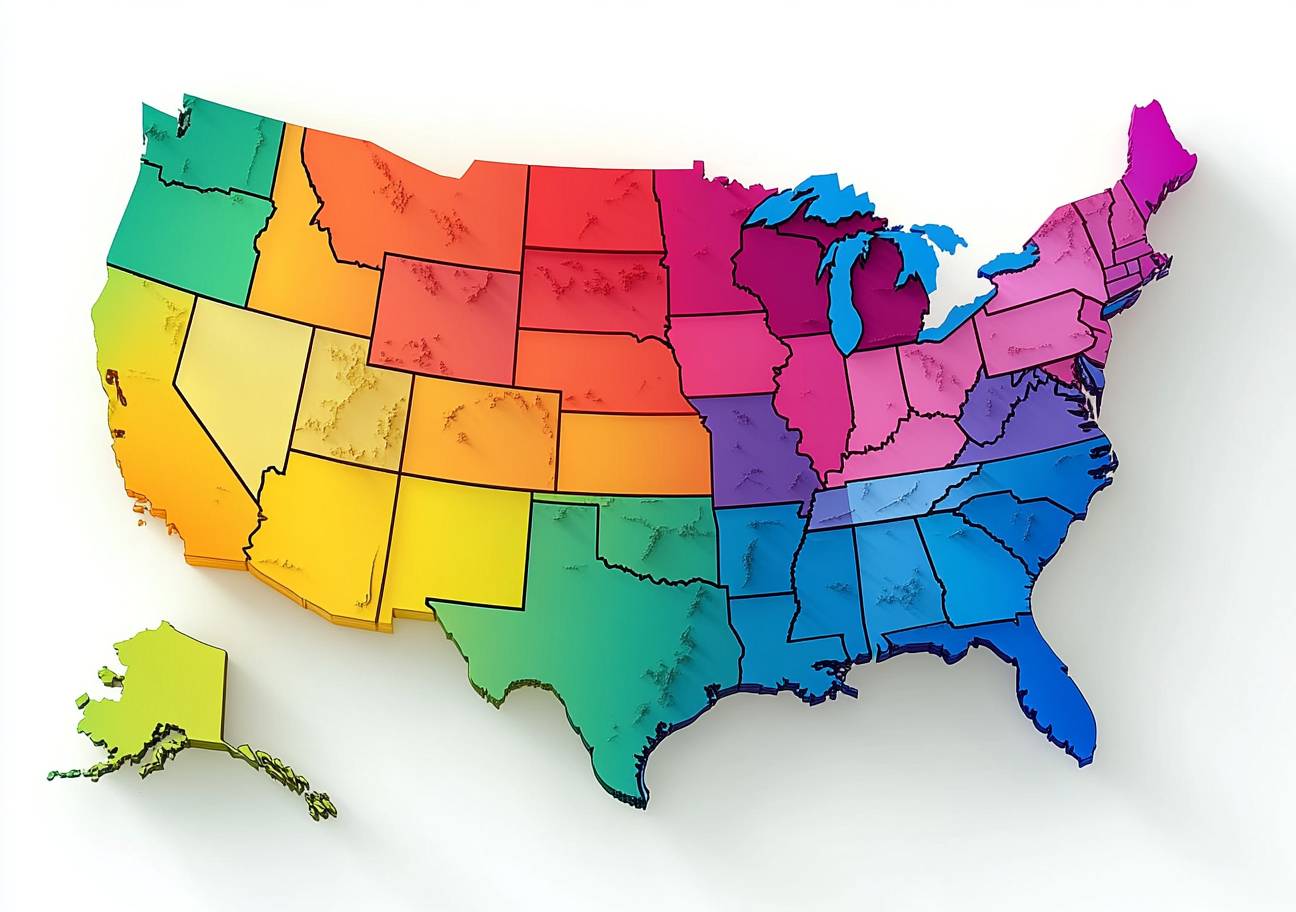
In the United States, the age of majority is 18 in most states, granting individuals the right to enter into contracts, vote, and generally be recognized as adults. This legal status means an 18-year-old is legally capable of signing a hotel registration form, which is essentially a contract for lodging. However, the legal right to sign a contract doesn’t automatically obligate every business to enter into one with you. Hotels, as private establishments, retain the right to set their own policies, including minimum age requirements for check-in.
These minimum age requirements can vary significantly from one hotel to another, even within the same brand or city. While many hotels adhere to the legal age of 18, it’s very common to find properties, especially in popular tourist destinations, resort areas, or those known for nightlife, that enforce a minimum check-in age of 21. Some luxury resorts might even have higher age limits, or specific stipulations requiring a parent or guardian for anyone under a certain age. This discrepancy can be a source of frustration for young travelers, but understanding the reasons behind these policies can help in navigating them more effectively. Countries like Canada, the United Kingdom, and Australia also have varying legal ages for hotel check-in, often aligning with their local drinking ages or specific provincial/state regulations. In some parts of Europe and Asia, the rules can be more lenient, though it’s always best to verify.
Why Do Hotels Have Higher Age Restrictions?
Hotels typically implement age restrictions higher than 18 for a variety of legitimate business reasons, primarily centered around risk management and liability.
- Liability Concerns: This is perhaps the most significant factor. Hotels are responsible for the safety and conduct of their guests, as well as the protection of their property. There’s a perceived higher risk associated with younger guests, particularly regarding potential damage to rooms, disturbances to other guests, or underage drinking. If an incident occurs involving an underage guest, the hotel could face legal complications or financial penalties.
- Minimizing Risk and Ensuring a Comfortable Environment: Hotels aim to provide a safe and peaceful environment for all their guests. A higher minimum age can be a way to deter potential “party” groups, which might lead to noise complaints, property damage, or other disruptive behavior that could negatively impact the experience of other patrons, especially families or business travelers.
- Credit Card Requirements: Many hotels require a valid credit card in the name of the registered guest for incidental charges or as a security deposit. Since the minimum age to obtain a credit card in one’s own name is typically 21 in the United States (though authorized users can be younger), an 18-year-old might not have one, complicating the booking and check-in process. While a debit card might be accepted for the room cost, some hotels are hesitant to use them for holds or incidentals due to the direct impact on the guest’s available funds.
- Alcohol Sales and Gambling Laws: In regions where the legal drinking age is 21 (like the United States), hotels face additional liability regarding alcohol consumption. Similarly, in destinations with gambling, such as Las Vegas in Nevada, the age for entry to casinos and gambling is 21, leading many hotels on the Las Vegas Strip to enforce a 21+ check-in policy. Even in Florida, a popular spring break destination, many hotels have adopted a 21+ policy to mitigate issues related to underage drinking and associated problems.
These reasons highlight why it’s crucial for 18-year-old travelers to research thoroughly and plan ahead. Simply assuming you can book a room at any hotel because you’re legally an adult can lead to disappointment and last-minute scrambling.
Navigating the System: Finding Hotels That Accept 18-Year-Olds
While the landscape might seem challenging, it’s certainly not impossible for 18-year-olds to find suitable accommodation. With the right strategies and a bit of research, you can successfully secure a place to stay for your travels.
Researching Hotel Chains and Independent Properties
The key to success lies in proactive research. Don’t wait until you arrive at your destination to discover age restrictions.
- Check Hotel Websites: The first place to look is the “Terms and Conditions,” “FAQ,” or “Policies” section of the hotel’s official website. Many chains list their minimum check-in age there.
- Call Ahead: This is arguably the most reliable method. Policies can vary even within the same chain depending on the specific property’s management or location. A Marriott in one city might accept 18-year-olds, while another Marriott property just a few miles away (or in a different state) might require guests to be 21. Calling the specific hotel directly and speaking to a front desk agent is the best way to get accurate, up-to-date information. Be polite, clear, and direct with your question.
- Focus on Certain Brands/Types: Some hotel chains are generally known to be more accommodating to younger guests, though this is not a guarantee and can change. Budget-friendly or economy hotel chains like Motel 6, Super 8, Days Inn, or certain Wyndham or IHG properties might have lower age limits. Conversely, luxury brands or resorts tend to have stricter policies. It’s often properties targeting leisure travelers or offering simpler amenities that are more flexible.
- Online Travel Agencies (OTAs): While Booking.com, Expedia, Kayak, or Tripadvisor are great for finding hotels, they often don’t prominently display age restrictions. Always cross-reference with the hotel’s direct website or a phone call, even if you book through an OTA.

Alternative Accommodation Options
If traditional hotels prove difficult, or if you’re looking for a different travel experience, several alternative accommodation types are often more welcoming to 18-year-olds.
- Hostels: Hostels are a fantastic option for young, independent travelers. They are generally much more flexible with age requirements, with many accepting guests from 16 or 18 years old. Hostels offer a budget-friendly way to meet other travelers, experience local culture, and often include amenities like shared kitchens, common areas, and organized activities. Websites like Hostelworld specialize in hostel bookings and often clearly state age policies.
- Vacation Rentals (Airbnb, Vrbo, etc.): Platforms like Airbnb and Vrbo allow individuals to rent out spare rooms, apartments, or entire homes. While the official minimum age for booking on Airbnb is 18 (with some exceptions or stricter policies for certain types of bookings or locations), individual hosts can set their own rules. Communicating directly with the host before booking to confirm their acceptance of an 18-year-old guest is crucial. This can offer a more personalized experience and potentially more flexibility than a large hotel chain.
- Extended Stay Hotels and Serviced Apartments: These types of properties, often designed for longer stays, can sometimes be more lenient. They operate more like residential buildings and might have different policies than a transient hotel. They also often come with kitchenettes, which can help budget-conscious travelers save money on food.
- Bed and Breakfasts (B&Bs): Bed and Breakfasts are usually independently owned and operated, offering a charming, often home-like atmosphere. Their policies can vary widely, so a direct phone call is essential. Many B&Bs pride themselves on personalized service and might be more understanding of young adult travelers than corporate chains.
- Camping/Glamping: For those seeking an outdoor adventure, campsites and “glamping” (glamorous camping) sites generally don’t have age restrictions for individuals, though some may require an adult to book for a group or specific facilities. This can be a very budget-friendly and unique way to travel.
Strategies for 18-Year-Old Travelers
Even when you find a suitable hotel, being prepared and professional can make all the difference during check-in.
- Be Prepared with Valid ID and Payment: Always have a government-issued ID (passport, driver’s license, or state ID) readily available. If you don’t have a credit card in your own name, inquire beforehand if a debit card or cash deposit is acceptable for incidentals. Sometimes, a parent can add you as an authorized user to their credit card for travel purposes.
- Consider Traveling with an Older Companion: If possible, traveling with someone aged 21 or older who can be the primary booker and check-in person can circumvent many issues. This is often the easiest solution, especially for destinations with strict age limits.
- Communicate Clearly and Professionally: When speaking with hotel staff, whether on the phone or in person, be polite, articulate, and honest about your age and intentions. Present yourself as a responsible traveler, not someone looking to party.
- Look for Youth-Oriented Destinations: Some cities and countries have a strong youth travel culture and are generally more accustomed to independent young travelers. Europe, for example, is famous for its hostel networks and generally more relaxed attitudes towards young adults traveling independently. Popular backpacking routes often have accommodations tailored to this demographic.
Beyond the Check-In: Tips for Responsible Young Travelers
Successfully booking a hotel is just one aspect of independent travel. As an 18-year-old exploring the world, it’s vital to embrace responsible travel practices to ensure a safe, enjoyable, and enriching experience.
Budgeting and Planning Your Trip
Financial planning is paramount for any traveler, but especially so for those on a potentially tighter budget.
- Create a Detailed Budget: Account for all expenses: accommodation, transportation (flights, trains, buses, car rentals – note that car rental companies often have a minimum age of 21 or even 25, and surcharges for drivers under 25), food, activities, travel insurance, and an emergency fund.
- Book in Advance: Especially for flights and popular accommodations, booking ahead can secure better prices and availability.
- Utilize Student Discounts: Many attractions, museums (like the Louvre Museum in Paris), and transportation services offer discounts for students. Always carry your student ID if applicable.
- Travel Insurance: This is non-negotiable. Travel insurance can cover medical emergencies, trip cancellations, lost luggage, and other unforeseen circumstances, providing peace of mind.
- Emergency Fund: Always have extra money set aside for unexpected situations, separate from your main travel budget.
Safety and Security Abroad/Away from Home
Your safety should always be your top priority. Independent travel at a young age requires heightened awareness and caution.
- Share Your Itinerary: Provide family or trusted friends with your travel plans, including flight details, accommodation addresses, and contact information. Check in with them regularly.
- Keep Valuables Secure: Use money belts or anti-theft bags for your passport, money, and credit cards. Avoid displaying expensive electronics or jewelry.
- Be Aware of Your Surroundings: Research common scams or unsafe areas in your destination. Be cautious, especially at night, and trust your instincts. Avoid walking alone in unfamiliar areas after dark.
- Emergency Contacts: Save local emergency numbers and the contact information for your country’s embassy or consulate in your phone and in a written format.
- Stay Connected: A local SIM card or an international roaming plan can be invaluable for navigation, communication, and emergencies.
- Inform Yourself: Understand local laws, customs, and cultural norms to avoid misunderstandings or inadvertently offending locals. This is part of responsible tourism.

Maximizing Your Travel Experience at 18
Travel as a young adult offers unique opportunities for growth and discovery. Make the most of it by focusing on enriching experiences.
- Immerse Yourself in Local Culture: Don’t just tick off landmarks like the Eiffel Tower or the Colosseum. Engage with locals, try authentic cuisine, visit local markets, and seek out cultural events. This is how you truly experience a destination.
- Explore Beyond the Tourist Traps: While iconic landmarks are worth seeing, dedicate time to exploring lesser-known neighborhoods, parks, and local hangouts. This often reveals the true character of a place.
- Learn Basic Phrases: Even a few words in the local language can go a long way in connecting with people and showing respect.
- Document Your Journey: Keep a journal, take photos, or start a blog. These memories will be invaluable, and documenting your experiences can enhance your travel reflections.
- Be Flexible and Open-Minded: Travel often involves unexpected detours and challenges. Embrace them as part of the adventure and opportunities for learning. Some of the best memories come from unplanned moments.
- Consider Group Tours or Youth Programs: For those new to independent travel, joining a reputable youth tour group or booking through organizations like the Youth Hostels Association can provide structure, safety, and opportunities to meet like-minded travelers.
In conclusion, while the question “Can I get a hotel at 18?” doesn’t always have a simple “yes” answer, being 18 years old certainly doesn’t close the door to independent travel. With diligent research, smart planning, and a commitment to responsible practices, young adults can unlock a world of incredible experiences. From bustling cities like London and Tokyo to serene natural landmarks, your journey of discovery awaits. Equip yourself with knowledge, plan meticulously, and embark on your adventures with confidence and an open heart.
LifeOutOfTheBox is a participant in the Amazon Services LLC Associates Program, an affiliate advertising program designed to provide a means for sites to earn advertising fees by advertising and linking to Amazon.com. Amazon, the Amazon logo, AmazonSupply, and the AmazonSupply logo are trademarks of Amazon.com, Inc. or its affiliates. As an Amazon Associate we earn affiliate commissions from qualifying purchases.