
For anyone considering a move to the Sunshine State or a prolonged stay, or even just navigating the initial bureaucratic steps after arrival, the question of whether a temporary Florida ID holds the same weight as its permanent counterpart is surprisingly common and incredibly important. In a state renowned for its vibrant tourism, bustling cities, and diverse lifestyle, having proper identification is paramount for everything from checking into a beachfront hotel to boarding a flight from Orlando International Airport. This article delves into the nuances of a temporary Florida ID, clarifying its validity, limitations, and the practical implications for travelers, new residents, and anyone venturing across the state. We’ll explore how it stacks up against the federal Real ID Act and provide essential tips to ensure your adventures in Florida remain smooth and hassle-free.
Understanding the Florida ID Landscape: Temporary vs. Permanent
The journey to obtaining a permanent Florida driver’s license or state identification card can sometimes take a few weeks, especially for new residents. During this interim period, the state often issues a temporary document. It’s crucial to understand what this temporary ID is, what it isn’t, and how it fits into the broader framework of identification requirements, particularly concerning the federal standards set by the Real ID Act.
What Exactly is a Temporary Florida ID?
When you successfully apply for a new driver’s license or state ID card at a Florida Department of Highway Safety and Motor Vehicles (DHSMV) office, you typically receive a temporary, paper-based document. This temporary ID serves as immediate proof that you have applied for a permanent card and that your application has been processed and approved. It usually includes your photograph, personal information, and an expiration date, often valid for 30 days or until your permanent card arrives in the mail.
This temporary document is legally recognized for most day-to-day transactions within Florida. For instance, it can generally be used to prove your age for purchasing alcohol, to verify your identity when signing up for a gym membership, or to pick up a package at the post office. It signifies that your official record is in good standing with the DHSMV while your physical, tamper-proof card is being manufactured and shipped. However, its paper format and provisional nature do raise questions about its universal acceptance, especially when it comes to more stringent identification requirements, such as those related to travel.
The “Real ID Act” and Its Implications
The Real ID Act, enacted by Congress in 2005 based on the 9/11 Commission’s recommendation, established minimum security standards for state-issued driver’s licenses and identification cards. Its primary goal is to enhance the security of identity documents to prevent terrorism. Starting May 7, 2025 (after several extensions), every air traveler 18 years of age or older will need a REAL ID compliant driver’s license or identification card, or another acceptable form of identification, such as a passport, to fly within the United States. This also applies to accessing certain federal facilities and military bases.
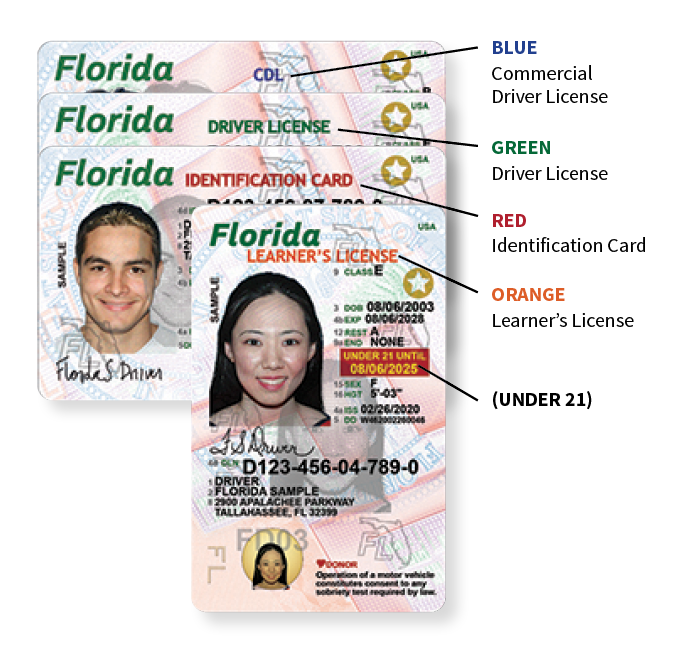
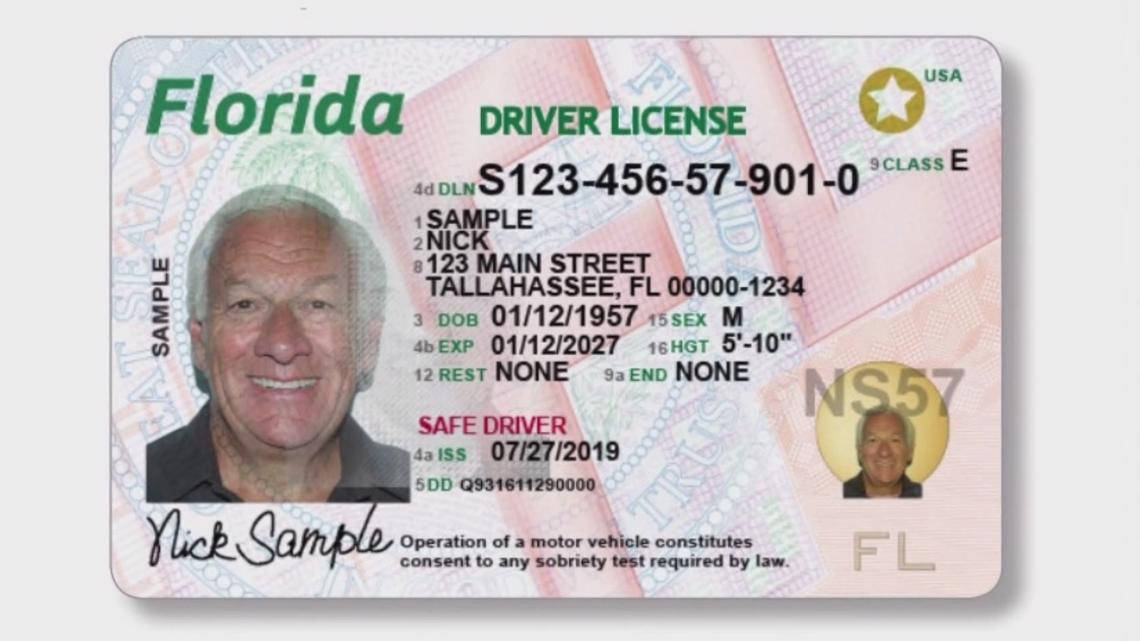
A REAL ID compliant card is typically marked with a star in the upper right-hand corner. The crucial point here is that a temporary, paper Florida ID is not a REAL ID compliant document. While your permanent Florida ID, once received, will likely be REAL ID compliant if you provided the necessary documentation during your application, the temporary paper version does not meet these federal security standards. This distinction has significant implications, particularly for travel and interactions with federal agencies, which we will explore in detail.
Navigating Travel and Hospitality with a Temporary Florida ID
The sunny beaches of Miami, the enchanting theme parks of Orlando, and the historic charm of St. Augustine draw millions to Florida annually. For both visitors and residents, seamlessly navigating travel and accessing services is key to enjoying all the state has to offer. However, a temporary Florida ID can introduce unexpected challenges, especially in scenarios requiring robust identification.
Air Travel: Your Biggest Hurdle?
Perhaps the most significant limitation of a temporary Florida ID is its acceptance for domestic air travel. The Transportation Security Administration (TSA) adheres strictly to identification guidelines. While the TSA website states that “an acceptable ID is required,” and it lists state-issued driver’s licenses or other state photo identity cards, it specifically mentions that paper temporary driver’s licenses may not be accepted.
In practice, a temporary paper ID without a secondary form of identification, such as an expired driver’s license from another state (if applicable) or a passport, is highly likely to cause delays and potentially prevent you from boarding your flight. TSA agents are trained to look for secure, tamper-resistant documents. A paper printout simply doesn’t meet this standard. If you arrive at security with only a temporary paper ID, you may be subject to additional screening, including enhanced physical pat-downs and baggage checks, and even then, boarding is not guaranteed. Airlines like Southwest Airlines and American Airlines, while generally following TSA guidelines, may also have their own internal policies regarding temporary IDs. The best advice for anyone planning to fly from Tampa International Airport or any other Florida airport is to avoid relying solely on a temporary ID for air travel. A valid passport is always the safest alternative.

Checking In: Hotels, Car Rentals, and Cruises
Beyond air travel, a temporary Florida ID can also present challenges in other key travel and hospitality scenarios:
- Hotel Check-in: Most hotels, whether luxury resorts in Naples or budget accommodations in Jacksonville, require a valid photo ID upon check-in to verify identity and confirm reservations. While many might accept a temporary paper ID, especially if it includes a photo and is accompanied by a credit card, some stricter establishments or specific chains like Marriott International or Hilton Worldwide might prefer a laminated, permanent card. It’s always advisable to call ahead if you anticipate this being your only form of photo ID.
- Car Rentals: Renting a car is often essential for exploring the vastness of Florida, from the Florida Keys to the Panhandle. Agencies like Hertz, Enterprise, and Avis generally require a physical, valid, government-issued driver’s license. A temporary paper license can be a sticking point. While some might accept it if paired with an expired license from your previous state or another strong form of ID, many will deny service without a permanent card. This is because car rental companies need to ensure the validity and integrity of the license for insurance and legal purposes.
- Cruises: Florida is the cruise capital of the world, with major ports like PortMiami, Port Canaveral, and Port Everglades. While a passport is highly recommended for any international cruise, domestic cruises or “cruises to nowhere” might technically accept a state ID. However, similar to air travel, a temporary paper ID may not suffice for boarding due to security concerns. Cruise lines operate under strict maritime security regulations, and robust identification is a must.
Exploring Florida’s Attractions and Services
For daily activities and leisure, a temporary Florida ID is generally more widely accepted, but nuances exist:
- Theme Parks and Attractions: Visiting Walt Disney World Resort, Universal Studios Florida, Busch Gardens Tampa Bay, or the Kennedy Space Center Visitor Complex often involves ticket purchases, age verification for certain rides or experiences, or even discount eligibility (e.g., Florida resident discounts). For these purposes, a temporary ID with a photo and matching name should generally be accepted. The key is that it’s a valid, state-issued photo ID.
- Banking and Financial Transactions: Opening a new bank account at institutions like Bank of America or Wells Fargo in Florida or conducting certain high-value transactions often requires multiple forms of identification, with a permanent photo ID being preferred. A temporary paper ID might be accepted as a secondary ID but rarely as the sole primary one, especially for new accounts.
- Alcohol and Tobacco Purchases: Most retailers, from convenience stores in Key West to supermarkets in Gainesville, are familiar with the various forms of Florida identification. A temporary ID with a clearly visible photo and date of birth should typically be sufficient for age verification, though some establishments might exercise caution due to its temporary nature.
- Government Services (non-federal): For most state and local government services, such as applying for city permits, registering to vote, or accessing public libraries, a temporary Florida ID is usually sufficient as valid proof of identity and residency.
Essential Tips for Temporary ID Holders in the Sunshine State
Living in or visiting Florida with a temporary ID doesn’t have to be a source of stress, provided you understand its limitations and plan accordingly. Here are some essential tips to navigate your time smoothly.
Carrying Supplementary Identification
Given the potential for a temporary Florida ID to be questioned or rejected in certain situations, especially those involving federal regulations or high-security protocols, it is highly advisable to carry supplementary identification.
- Passport: For air travel, particularly once the REAL ID enforcement date arrives, a valid U.S. passport or passport card is your safest bet. It is universally accepted for identification purposes and negates any concerns about REAL ID compliance.
- Expired Driver’s License: If your temporary Florida ID replaced an expired driver’s license from another state, carry that expired license with you. While not valid on its own for driving, it can serve as a strong secondary photo ID to corroborate your identity when presented alongside the temporary paper ID, especially for car rentals or hotel check-ins.
- Credit Cards/Debit Cards: These can sometimes serve as additional verification of your name and signature, particularly for transactions where a primary photo ID is required.
- Other Government-Issued IDs: A military ID, permanent resident card (Green Card), or even an employee ID badge (if it includes a photo and is from a reputable organization) can also bolster your temporary ID’s credibility in a pinch.
By carrying multiple forms of identification, you significantly reduce the risk of encountering difficulties and ensure a smoother experience, whether you’re checking into a South Beach resort or picking up tickets for a show.
The Path to Your Permanent Florida ID
The ultimate solution to any concerns surrounding a temporary Florida ID is to obtain your permanent card as quickly as possible. The Florida DHSMV typically mails the permanent driver’s license or ID card within a few weeks of your application.
- Track Your Mail: Keep an eye on your mailbox for the arrival of your new card. If it doesn’t arrive within the expected timeframe (usually 2-4 weeks), contact the DHSMV to inquire about its status.
- Verify REAL ID Compliance: Once you receive your permanent card, check for the gold star in the upper right-hand corner. This star indicates that your card is REAL ID compliant, meaning it will be accepted for domestic air travel and other federal purposes when the full enforcement takes effect. If your card doesn’t have the star and you believe it should, you may need to visit a DHSMV office with the required documents to upgrade it.
- Update Records: Once you have your permanent ID, update it with any institutions or services that might have recorded your temporary ID, if necessary.
Beyond the Basics: Long-Term Considerations for Residents and Frequent Visitors
For those who call Florida home or visit frequently, understanding the full scope of ID requirements is more than just about avoiding airport hassles; it’s about seamless integration into the Florida lifestyle. As a state that thrives on tourism and new residents, Florida is generally accommodating, but official documents are the backbone of modern life.
Beyond the initial temporary ID phase, ensuring your permanent Florida identification is always current and REAL ID compliant is a long-term commitment. This foresight will smooth processes for renewing vehicle registrations, obtaining professional licenses, accessing healthcare services, or even applying for a mortgage. The conveniences afforded by a permanent, federally compliant ID extend to every facet of personal and professional life.
From enjoying the natural beauty of Everglades National Park to participating in the vibrant nightlife of Fort Lauderdale, a valid, secure identification is your key to unlocking all that Florida has to offer. While a temporary Florida ID serves as a crucial bridge during the application process, it is not a “real ID” in the comprehensive sense, particularly when it comes to federal standards and high-security requirements. Plan ahead, carry secondary identification, and prioritize obtaining your permanent, REAL ID compliant card to ensure your Florida experience is as delightful and unrestricted as the Sunshine State itself.
LifeOutOfTheBox is a participant in the Amazon Services LLC Associates Program, an affiliate advertising program designed to provide a means for sites to earn advertising fees by advertising and linking to Amazon.com. Amazon, the Amazon logo, AmazonSupply, and the AmazonSupply logo are trademarks of Amazon.com, Inc. or its affiliates. As an Amazon Associate we earn affiliate commissions from qualifying purchases.