
In an increasingly digital world, the question of whether one can still pay for a hotel with cash is more pertinent than ever. For many travelers, the allure of using physical currency stems from a desire for privacy, a need to stick to a strict budget, or simply the absence of a traditional credit card. However, the hospitality industry, particularly in major cities and with larger hotel chains, has largely shifted away from cash payments. This evolution is driven by a combination of security concerns, the convenience of digital transactions, and the operational complexities associated with handling physical money and managing incidental charges.

This comprehensive guide will explore the nuances of paying for hotel accommodation with cash, examining why policies have changed, where exceptions might still exist, and what travelers need to consider when planning their next stay. Whether you’re a seasoned globetrotter or planning your first trip, understanding these dynamics is crucial for a smooth and stress-free experience.
The Evolving Landscape of Hotel Payments
The transition to a largely cashless environment isn’t unique to hotels; it reflects a broader societal trend. From retail stores to restaurants, digital payment methods like credit cards, debit cards, and mobile wallets have become the preferred mode of transaction. Hotels, as significant players in the travel and tourism industry, have followed suit, adapting their payment policies to align with modern financial practices and operational efficiencies.
Shifting Away from Cash
For many large hotel chains and upscale establishments, the days of accepting cash for the full room rate and incidentals are largely behind them. Properties like the Hilton, Marriott, and Hyatt brands, commonly found in bustling metropolises like New York City, London, or Tokyo, overwhelmingly prefer and often require a credit card at check-in. This preference isn’t merely about convenience; it’s deeply rooted in the operational necessities of running a modern hotel. The security risks associated with keeping large amounts of cash on premises, coupled with the administrative burden of handling, counting, and depositing physical currency, make digital transactions far more appealing for management.
Furthermore, the rise of online travel agencies (OTAs) such as Expedia and Booking.com has streamlined the booking process, often requiring upfront payment or a credit card guarantee during the reservation stage. This allows hotels to confirm bookings and secure revenue even before the guest arrives, further reducing the need for cash transactions at the front desk.
The Security Deposit Dilemma
Perhaps the most significant reason hotels steer clear of cash payments is the issue of security deposits and incidentals. When you check into a hotel, especially one offering amenities like a mini-bar, room service, or a spa, it’s standard practice for the hotel to require a security deposit. This deposit acts as a safeguard against potential damages to the room, unpaid charges for services rendered, or even penalties for no-shows or late cancellations.
With a credit card, hotels can easily place a “hold” on a specific amount. This hold temporarily earmarks funds on your card without actually charging you. If there are no incidentals or damages, the hold is simply released, typically within a few business days after check-out. This system is efficient, secure, and largely invisible to the guest unless funds are needed.
Consider the alternative with cash:
- Large upfront payment: Guests would need to pay a significant amount of cash upfront, not just for the room rate but also for a security deposit that could range from hundreds to thousands of dollars, depending on the hotel and length of stay.
- Refund complexities: Managing cash refunds for security deposits is cumbersome. Hotels would need to ensure they have enough physical cash on hand at all times, track each deposit meticulously, and physically return the money upon check-out, which can be time-consuming and prone to errors.
- Tracking incidentals: If a guest uses the mini-bar or orders room service, how does the hotel charge them if no credit card is on file? Chasing down cash payments for small incidentals can be a logistical nightmare, especially during busy periods.
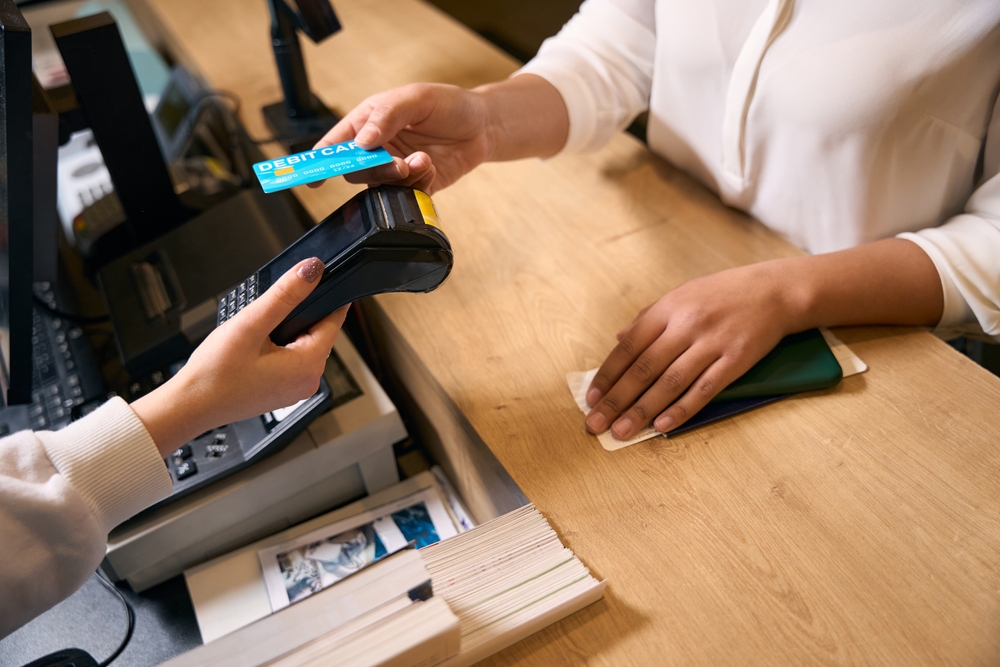
For these reasons, many hotels will state explicitly that while a debit card might be accepted for the room rate, a credit card is mandatory for incidentals. Even with a debit card, a hotel might place a hold, effectively freezing access to those funds in your bank account until the hold is released, which can take several days and cause inconvenience, especially for budget travelers.
When Cash is Still an Option
While the trend is undeniably towards cashless transactions, there are still scenarios and types of establishments where paying with cash remains a viable option. These exceptions often cater to specific travel styles or are found in regions with different economic infrastructures.
Independent and Boutique Hotels
Unlike large corporate chains with standardized policies, smaller, independent hotels, guesthouses, or boutique properties often have more flexibility. These establishments, whether a charming bed and breakfast in the English countryside or a unique art hotel in Barcelona, are frequently owner-operated or managed by smaller teams, allowing them to make individual decisions about payment methods. They might be more willing to accept cash, especially if you communicate your intention in advance.
The reason for this flexibility often stems from their desire to accommodate a wider range of guests and provide a more personalized experience. For some, the overhead of processing credit card transactions might also be a factor, making cash a more straightforward option for their business model. However, even these establishments will almost certainly require a valid form of identification, such as a passport or driver’s license, during check-in.
International Travel Considerations
The global landscape of payment preferences varies significantly. While countries in North America and Western Europe largely favor digital payments, cash might still be king in other parts of the world. In many developing countries across Southeast Asia, Africa, or parts of Latin America, cash transactions are much more prevalent for everyday expenses, and hotels, especially those catering to local tourism or backpackers, may be more accustomed to accepting it.
For instance, a traveler exploring the ancient temples of Angkor Wat in Cambodia or trekking through the Andes in Peru might find that smaller lodges or local guesthouses are perfectly happy to accept cash. This reflects the local culture and economic infrastructure, where credit card penetration might be lower, and cash transactions are simply part of daily life. When planning international travel, it’s always wise to research the common payment methods in your specific destination as part of your overall trip planning.
Special Circumstances and Exceptions
Occasionally, even larger hotels might make exceptions under specific circumstances. For instance, if you’ve already paid for your room in full through a third-party booking site like Agoda or Hotels.com, the hotel might only require a credit card for the incidental deposit. In some rare cases, they might even waive the incidental deposit if you explicitly state you won’t be using any services, though this is highly unusual and depends entirely on the hotel’s discretion and your rapport with the front desk.
Another scenario could be pre-arranged corporate bookings or long-term stays where payment terms have been negotiated in advance. However, for the average transient guest, relying on such exceptions without prior confirmation is generally not advisable. The golden rule remains: always check the hotel’s specific payment policy before booking, and if in doubt, a quick phone call to the reception can save a lot of hassle.
The Practicalities and Pitfalls of Cash Payments
Deciding to pay for a hotel with cash involves weighing several factors, from the perceived benefits of privacy and budget control to the undeniable drawbacks concerning security and convenience. Understanding these practical implications is key to making an informed decision about your travel finances.
The Pros: Privacy and Budget Control
For some travelers, paying with cash offers distinct advantages.
- Privacy: In an era where digital footprints are constantly tracked, paying with cash provides a layer of anonymity. Your financial transactions aren’t linked to a bank account or credit card statement, which appeals to those who prioritize financial privacy.
- Avoiding Credit Card Debt: Many individuals prefer to avoid credit cards altogether, either due to past debt issues or a general preference for using money they physically possess. Cash allows them to travel without incurring interest charges or accumulating debt.
- Budget Control: Paying cash can be an excellent way to stick to a strict travel budget. Once the cash is spent, it’s gone, making it harder to overspend on impulse purchases or unnecessary amenities. This forces a discipline that digital payments might not always provide. It enables travelers to manage their expenses in real-time, aligning with budget travel strategies and ensuring funds are not depleted prematurely.
The Cons: Inconvenience, Security Risks, and Limited Services
Despite the benefits, the drawbacks of carrying significant amounts of cash, especially for travel, are substantial and often outweigh the advantages.
- Security Risk: Carrying large sums of cash makes you a target for theft. Whether it’s pickpockets in crowded tourist areas like the Eiffel Tower in Paris or an unforeseen incident in your hotel room, losing cash means losing money without any recourse or protection offered by banks or credit card companies. This risk alone is often enough to deter most travelers.
- Inconvenience: Managing cash requires constant vigilance. You need to secure it, ensure you have the correct denominations, and constantly worry about running out. It’s less convenient than swiping a card or tapping a phone. Additionally, if you need to access more funds, you’ll be reliant on finding an ATM, which might incur foreign transaction fees or be unavailable in remote locations.
- Limited Flexibility for Incidentals: As discussed, hotels largely rely on credit cards for incidental charges. Without one, you might be denied access to services like room service, mini-bar, or pay-per-view movies. This can significantly limit your experience and convenience during your stay. Some hotels may even refuse to check you in if you cannot provide a valid credit card for incidentals, even if your room is pre-paid.
- Proof of Funds/Travel History: While not directly related to payment, some countries require proof of sufficient funds for your stay, and official bank statements or credit card records are often more readily accepted than a stack of cash.
Credit Card Holds and Incidentals
Even if a hotel allows you to pay for the room rate with cash, they will almost invariably require a method for handling incidentals. This usually means a credit card. If you don’t have one, some hotels might accept a debit card, but be extremely cautious. A debit card hold for a security deposit can effectively freeze a portion of your bank account balance, making those funds inaccessible until the hold is released, which can take several business days or even longer after check-out. This can be particularly problematic for budget-conscious travelers who rely on every dollar in their account. Prepaid debit cards can be an option, but hotels often treat them with suspicion due to the lack of a direct link to a bank account or a line of credit. They may decline them outright or require a much higher deposit.
Best Practices and Alternatives for Hotel Bookings
Navigating hotel payments without a traditional credit card or with a preference for cash requires foresight and preparation. Fortunately, there are several strategies and alternative payment methods that can help ensure a smooth booking and check-in process.
Planning Ahead and Communication
The most crucial advice for anyone planning to pay with cash or without a credit card is to plan ahead and communicate directly with the hotel.
- Check Policies Online: Before booking, thoroughly review the hotel’s payment policies on their official website or the booking platform. Look for specific information regarding cash payments, debit card acceptance, and security deposit requirements.
- Call the Hotel Directly: If the information isn’t clear or you have specific circumstances, call the hotel’s front desk. Explain your situation clearly and ask about their specific policies. Inquire if they accept cash for the room rate and what their policy is for incidental deposits if you don’t have a credit card. Sometimes, a direct conversation can clarify misunderstandings or even lead to a special arrangement for smaller, independent properties.
- Get it in Writing: If an exception is made or a specific arrangement is agreed upon, ask for confirmation in writing (e.g., an email). This provides a record and avoids potential disputes upon arrival.
Prepaid Cards and Debit Cards as Alternatives
If a credit card isn’t an option, exploring other digital payment methods can offer a compromise between cash and traditional credit.
- Debit Cards: As mentioned, debit cards are widely accepted for room payments. However, be acutely aware of how security deposits are handled. The hold placed on your debit card will directly impact your available funds. Ensure you have sufficient buffer funds in your account to cover both your planned expenses and any potential deposit holds. It’s advisable to check with your bank about their policy on temporary holds and the estimated release time.
- Prepaid Debit Cards: These cards can be loaded with a specific amount of money and used like a debit card. While some hotels might accept them, many are wary due to the lack of an associated bank account or credit line. If you plan to use a prepaid card, definitely confirm its acceptance with the hotel in advance. Be prepared for potential issues or a requirement for a much larger upfront cash deposit if the prepaid card isn’t fully trusted for incidentals.
- Virtual Credit Cards: Some banks offer virtual credit card numbers linked to your existing account. While primarily for online shopping, they might be an option for securing an online booking without revealing your primary card details. However, they usually won’t work for physical holds at check-in.
Exploring Hotel Chains and Policies
Different hotel chains may have varying degrees of flexibility. While major international brands like Four Seasons or Ritz-Carlton are almost universally credit-card-centric, more budget-friendly or mid-range chains might offer slightly more leeway. For instance, some extended-stay hotels or economy brands might have specific policies tailored to guests who prefer debit cards or even cash for the room rate, provided incidentals are covered differently. Always consult the specific brand’s corporate policy, as individual franchisees might have slight variations.
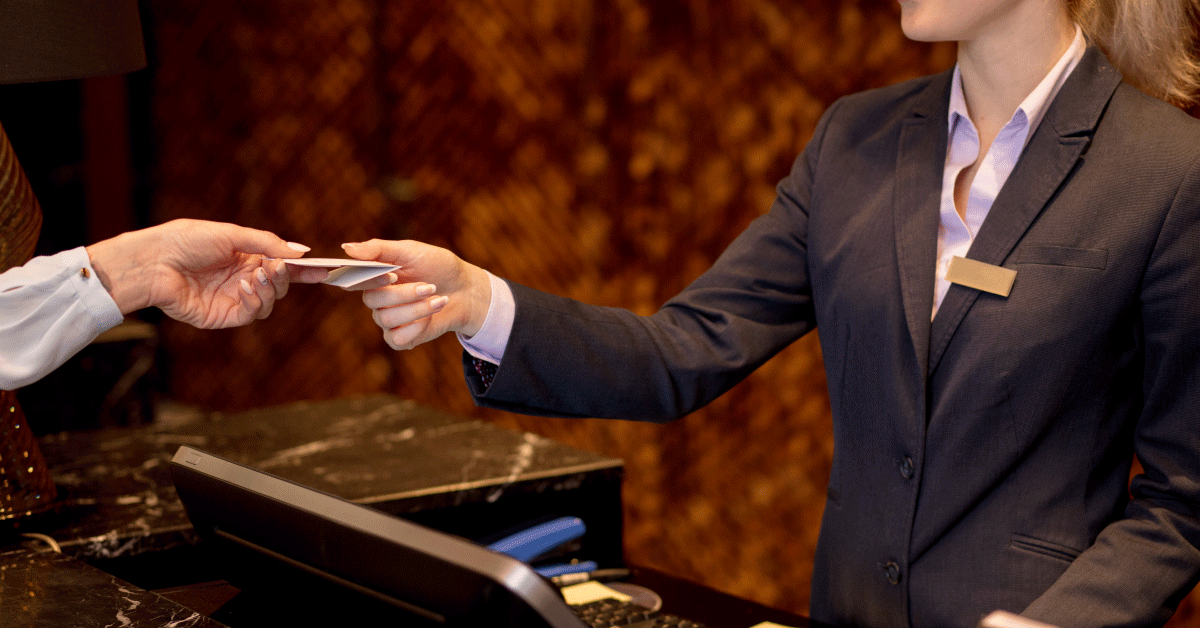
Booking through a third-party site often requires upfront payment, which can circumvent the cash payment issue at check-in. If the room is fully paid for, the hotel’s main concern shifts solely to the incidental deposit. In such cases, if you don’t have a credit card, you might need to leave a cash deposit, which will be refunded upon check-out if no incidentals occur. Ensure you get a detailed receipt for any cash deposit you leave.
In conclusion, while the ability to pay for a hotel with cash has significantly diminished, it’s not entirely obsolete. The modern hospitality industry prioritizes digital transactions for efficiency, security, and the seamless handling of incidental charges. However, independent hotels, properties in certain international destinations, and travelers with meticulous planning and direct communication can still find ways to accommodate cash payments or suitable alternatives. Always prioritize thorough research, clear communication with your chosen accommodation, and consider the security implications of carrying large sums of money. By understanding the evolving landscape of hotel payments, travelers can confidently navigate their accommodation choices and enjoy a worry-free journey.
LifeOutOfTheBox is a participant in the Amazon Services LLC Associates Program, an affiliate advertising program designed to provide a means for sites to earn advertising fees by advertising and linking to Amazon.com. Amazon, the Amazon logo, AmazonSupply, and the AmazonSupply logo are trademarks of Amazon.com, Inc. or its affiliates. As an Amazon Associate we earn affiliate commissions from qualifying purchases.