
The question of how late one can check into a hotel room is a common concern for travelers, often fraught with anxieties about missed connections, delayed flights, or simply a desire to make the most of a day before settling in. While the standard check-in time is typically in the afternoon, understanding the nuances of hotel policies and how to navigate late arrivals can significantly impact your travel experience. From communication strategies to the benefits of loyalty programs, knowing what to expect and how to plan ahead ensures a smooth transition from your journey to your comfortable accommodation.

Navigating Standard Check-In Times and Their Implications
Hotels, like any business, operate on a schedule designed to maximize efficiency and guest satisfaction. The standard check-in time, usually between 3:00 PM and 4:00 PM, is not arbitrary; it’s a carefully considered window that allows staff to prepare rooms for new arrivals. This period between check-out (typically 11:00 AM or 12:00 PM) and check-in is crucial for housekeeping to thoroughly clean, inspect, and restock rooms, ensuring they meet the hotel’s standards and guest expectations.
The primary reason hotels adhere to these timings is operational flow. Imagine a bustling hotel in a major city like New York City or London. Hundreds of guests might be checking out simultaneously, and an equal number eager to check in. Staggering these processes prevents chaos, allows for efficient allocation of resources, and ensures that every guest receives a clean, ready room. Deviating too much from this schedule without prior arrangement can disrupt this delicate balance.
Understanding Hotel Policies on Late Arrivals
Every hotel has its own set of policies regarding check-in and check-out, which are usually outlined on their website, booking confirmation, or visible at the front desk. These policies are not uniform; they can vary significantly depending on the type of accommodation, its location, and whether it’s an independent boutique hotel or part of a large international chain. For instance, a small, family-run guesthouse in Rome might have more flexible, personalized arrangements, whereas a Grand Hyatt Hotel in Tokyo will likely adhere to stricter, more standardized procedures.
The critical takeaway is that hotels are generally accommodating, but they need to be informed. Most establishments understand that travel plans can be unpredictable. Flights get delayed, traffic snarls, and unexpected events occur. However, without communication, a late arrival can quickly turn into a “no-show” situation, potentially leading to the cancellation of your reservation and even charges. Always review the hotel’s specific policies before your trip, especially if you anticipate arriving outside of their stated check-in window.
The Financial Implications of Unannounced Delays
Failing to notify a hotel of a late arrival can have financial consequences. Many booking policies include a clause about “no-shows,” which typically means if you don’t check in by a certain time on the arrival date without prior communication, the hotel has the right to cancel your reservation. They might also charge you for the first night, or even the entire stay, especially if it was a non-refundable booking. This is because the hotel held a room for you, potentially turning away other paying guests, and an unannounced no-show results in lost revenue.
Consider a reservation made through an Online Travel Agency (OTA) like Booking.com or Expedia. These platforms often have their own terms that work in conjunction with the hotel’s policies. While convenient for price comparison and booking, it’s always best to communicate directly with the hotel regarding any changes to your arrival plans, as this direct line of communication can often circumvent potential misunderstandings or additional charges.
Proactive Strategies for a Smooth Late Check-In
The best defense against late check-in woes is a good offense: proactive communication and planning. Hotels appreciate being kept in the loop, as it allows them to manage their resources, assign staff, and ensure your room is ready, regardless of when you walk through the door.
Communication is Paramount
If you anticipate arriving later than the standard check-in time, the single most important step you can take is to inform the hotel as soon as possible. A quick phone call or email can save you a lot of hassle. When you contact them, provide your reservation details (name, booking confirmation number, dates of stay) and an estimated time of arrival. This simple act allows the hotel to:
- Hold your room: They won’t mark you as a “no-show” and potentially release your room to someone else.
- Prepare for your arrival: The front desk can ensure someone is available to check you in, even if it’s outside regular hours.
- Offer guidance: They might provide specific instructions for late arrivals, such as using a night entrance or a self-check-in kiosk.
Many hotels have a 24-hour front desk, making late check-ins relatively straightforward once they’re aware of your plans. However, smaller establishments, like boutique hotels or guesthouses, might have limited front desk hours, making prior communication even more critical.
Leveraging Technology and Loyalty Programs
In today’s digital age, many hotels offer technological solutions that simplify late check-ins. Mobile apps and online check-in platforms are increasingly common, especially among large hotel chains such as Hilton, Marriott, and IHG. These tools often allow you to:
- Check-in remotely: Complete the check-in process from your smartphone or computer before you even arrive.
- Receive a digital key: Some hotels offer mobile keys that allow you to bypass the front desk entirely and unlock your room directly with your phone. This is particularly convenient if you’re arriving at 2:00 AM after a long flight to Miami or Dubai.
- Notify staff of your ETA: Most apps have a feature to update your estimated arrival time.
Furthermore, loyalty programs can offer significant advantages for late check-ins. Being a member of programs like Marriott Bonvoy, Hilton Honors, or Accor Live Limitless often comes with perks that include more flexible check-in and check-out times. Elite members, in particular, may enjoy guaranteed late check-out or the ability to request late check-in with greater ease, as hotels prioritize their most frequent guests. These programs are designed to enhance the guest experience and build loyalty, making them invaluable for travelers who frequently face unpredictable schedules.
Guaranteed Late Arrival Options
Some hotels offer “guaranteed late arrival” options, which might involve pre-paying for your room or providing a credit card to hold the reservation past a certain time. While this might seem like an extra step, it provides peace of mind, ensuring your room will be held for you no matter how late you arrive, without the risk of cancellation. It’s an excellent option for travelers with very late international flights, for instance, landing in Paris in the middle of the night. Always inquire about such options if your arrival time is highly uncertain.
Diverse Accommodation Types and Their Late Check-In Protocols
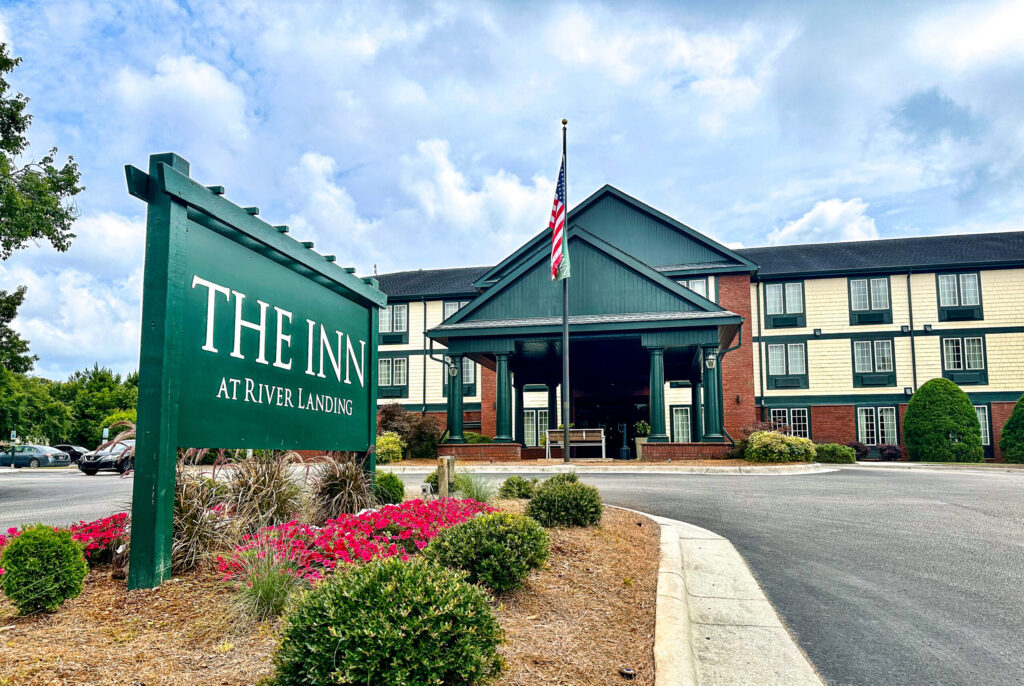
The landscape of accommodation is vast, and with it comes a variety of approaches to late check-ins. What works for a large chain hotel might not apply to a boutique property or a private vacation rental. Understanding these differences is key to managing expectations and planning effectively.
Boutique Hotels vs. Chain Hotels
Chain hotels (e.g., Holiday Inn, Ritz-Carlton, Fairmont) typically have standardized procedures across their global portfolio. They often boast 24-hour front desks, robust online check-in systems, and dedicated staff to handle late arrivals. Their size and operational scale make them well-equipped for guests arriving at any hour. This consistency is a major advantage for travelers moving between different cities or countries like the United States and Canada.
Boutique hotels and independent properties, on the other hand, often offer a more personalized experience but might have more limited operational hours. A charming boutique hotel in a historic part of Florence might close its reception at 10:00 PM. In such cases, prior communication is not just recommended; it’s often essential. They might provide self-check-in instructions, key codes, or arrange for a staff member to meet you, but only if they know you’re coming. Always double-check their specific policies and contact information if opting for these unique accommodations.
Vacation Rentals and Airbnb
The rise of platforms like Airbnb has introduced a new dimension to accommodation and, subsequently, to check-in procedures. Vacation rentals are typically managed by individual hosts or property management companies, meaning check-in methods can vary widely:
- Key Lockboxes: Many hosts utilize lockboxes with codes for self-check-in, offering maximum flexibility for late arrivals.
- In-Person Meet-ups: Some hosts prefer to meet guests personally to hand over keys and provide a tour, which requires coordination.
- Smart Locks: Technology like smart locks with temporary access codes offers a seamless, contactless check-in experience.
Regardless of the method, clear communication with your host is crucial. Always confirm the check-in procedure well in advance, especially if your arrival time is late or subject to change. Asking for detailed instructions, including photos or videos of the entrance, can be incredibly helpful when navigating an unfamiliar location like a residential street in Barcelona in the dark.
International Travel Considerations
When traveling internationally, the late check-in dynamic can be further complicated by time zone differences, language barriers, and local customs. What’s considered a standard practice in Europe might be different in Asia or South America.
- Time Zones: Always remember to adjust your estimated arrival time to the local time zone of your destination.
- Language: If there’s a language barrier, try to have key phrases or a translation app ready when communicating with the hotel.
- Cultural Norms: In some cultures, arriving very late without notice might be viewed differently. While generally understandable, a courteous apology for the delay is always appreciated.
- Transportation: Research late-night transportation options from airports or train stations to your accommodation. For example, some cities like Munich have excellent 24-hour public transport, while others like Lisbon might have more limited options after midnight, necessitating a taxi or ride-share.
Planning ahead for these international nuances, whether you’re landing in Sydney after a long-haul flight or arriving at a quaint riad in Marrakech, will ensure a smoother and less stressful experience.
Ensuring a Seamless Late Arrival
Even with the best planning, travel can present unexpected twists. Having a few additional strategies in your toolkit can help mitigate stress and ensure your late check-in remains as seamless as possible.
Confirm Everything Before You Depart
A day or two before your trip, take a moment to re-confirm your reservation details directly with the hotel. This is especially important if you’ve made a late check-in request. A quick call or email can verify that your request has been noted and that the hotel is prepared for your arrival. This small step can prevent potential headaches and misunderstandings, particularly if your initial booking was made weeks or months in advance. You might also ask for a direct phone number for the front desk, rather than a central reservations line, for immediate assistance upon arrival.
Benefits of Hotel Loyalty Programs for Late Check-Ins
As mentioned earlier, hotel loyalty programs offer tangible benefits for frequent travelers. Beyond earning points for free stays, elite status often comes with improved flexibility. Members of programs like World of Hyatt or Radisson Rewards might enjoy:
- Priority check-in: Expedited service even during busy periods.
- Guaranteed room availability: Even if you arrive very late, your room is secured.
- Extended check-out: Often a free perk for elite members, which might imply more flexibility for check-in too.
- Dedicated concierge service: Access to staff who can assist with special requests or unexpected changes.
If you travel frequently, investing in a loyalty program can pay dividends, not just in rewards but in enhanced peace of mind, especially when your travel schedule is unpredictable.

Preparing for Self-Check-In and After-Hours Access
For accommodations that offer self-check-in, ensure you have all necessary information saved offline or printed. This includes:
- Confirmation codes
- Door codes or lockbox combinations
- Instructions for finding your room
- Emergency contact numbers for the host or property manager
Power outages, lost phone signals, or dead batteries can happen, so having a physical backup of critical information is always a wise precaution. If you’re arriving after the main entrance is locked, know where the night entrance is or how to contact someone for access. Some hotels might have a bell or an intercom system for after-hours arrivals. Being prepared for these eventualities ensures you’re not left stranded outside your accommodation, whether it’s a bustling Las Vegas resort or a quiet villa in Tuscany.
In conclusion, the question of how late you can check into a hotel room boils down to one primary principle: communication. While standard check-in times exist for operational efficiency, hotels are generally understanding and accommodating of late arrivals, provided they are informed. By proactively contacting your accommodation, leveraging technology, understanding the policies of different property types, and making use of loyalty program benefits, you can ensure that your arrival, no matter how late, is a smooth and stress-free beginning to your stay. Happy travels!
LifeOutOfTheBox is a participant in the Amazon Services LLC Associates Program, an affiliate advertising program designed to provide a means for sites to earn advertising fees by advertising and linking to Amazon.com. Amazon, the Amazon logo, AmazonSupply, and the AmazonSupply logo are trademarks of Amazon.com, Inc. or its affiliates. As an Amazon Associate we earn affiliate commissions from qualifying purchases.