
Las Vegas, the dazzling oasis in the Nevada desert, stands as an undisputed global capital of entertainment, hospitality, and, above all, accommodation. Synonymous with grand resorts, opulent casinos, and an endless array of attractions, the city’s ability to host millions of visitors annually is largely thanks to its unparalleled hotel infrastructure. When one contemplates a trip to this vibrant destination, a fundamental question often arises: just how many hotel rooms are there in Vegas? The answer is not merely a number; it’s a testament to the city’s ambition, its economic engine, and its continuous evolution as a premier travel destination.
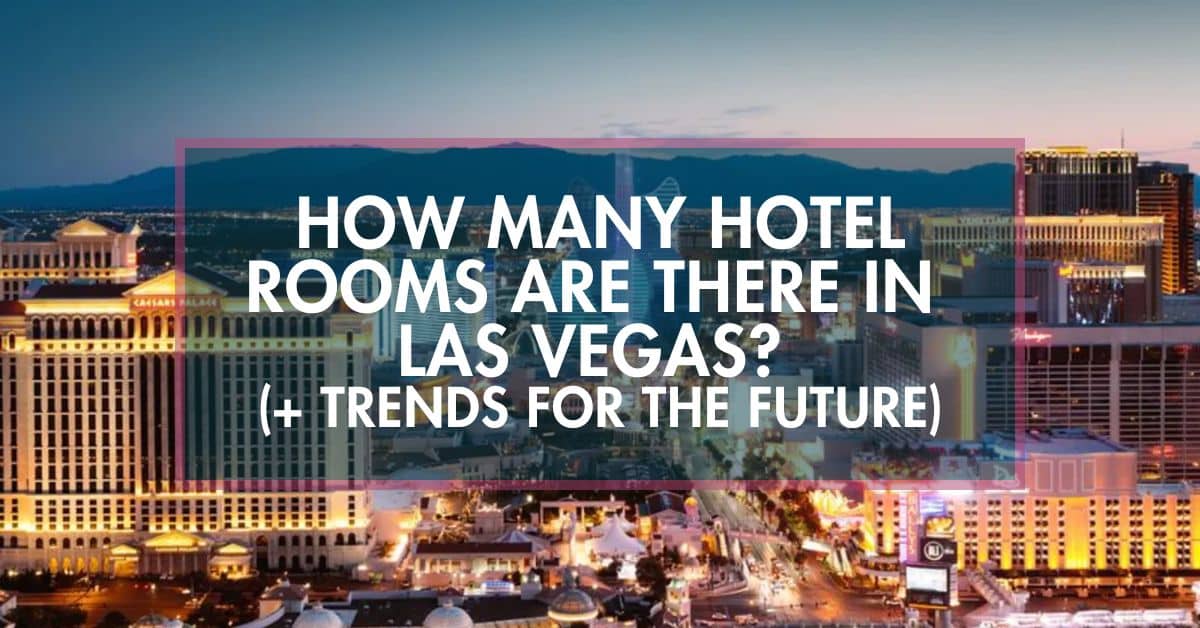
The sheer scale of accommodation in Las Vegas is mind-boggling, far surpassing that of almost any other city in the United States and indeed, the world. This article delves into the vastness of Las Vegas’s hotel inventory, explores the iconic properties that contribute to this incredible tally, examines the economic forces at play, and considers the future trends shaping its legendary hospitality landscape.
The Unrivaled Scale of Las Vegas Accommodation
To grasp the magnitude of hotel rooms in Las Vegas, one must first appreciate the city’s unique development. Unlike many urban centers that grew organically, Las Vegas was intentionally built as a playground for adults, a place where hospitality and entertainment converged. From its early days, accommodation was central to its appeal, evolving from modest motor inns to the sprawling mega-resorts that define its skyline today.
According to the Las Vegas Convention and Visitors Authority (LVCVA), the primary source for official tourism statistics, Las Vegas typically boasts over 150,000 hotel rooms across various establishments. This figure fluctuates slightly due to new constructions, renovations, and occasional closures, but it consistently hovers in this impressive range. To put this into perspective, consider that a typical major U.S. city might have tens of thousands of rooms, while Orlando, another tourism powerhouse, has a similar number but spread across a much larger geographic area with a different concentration of resort types. Las Vegas’s rooms are concentrated, especially along the famed Las Vegas Strip, creating a dense corridor of hospitality unlike any other.
A Historical Trajectory of Growth
The exponential growth of Las Vegas’s room inventory can be traced through several distinct eras. Post-World War II, the city began to shed its frontier town image, attracting investment that led to the construction of iconic properties like the Flamingo Las Vegas in the 1940s. The 1950s and 60s saw a boom with the emergence of legendary resorts like Caesars Palace and the Dunes Hotel. However, it was the late 20th and early 21st centuries that truly propelled Las Vegas into the stratosphere of accommodation. The concept of the “mega-resort” took hold, combining hotels, casinos, shopping, dining, and entertainment under one roof, often with thousands of rooms.
This continuous expansion, fueled by innovative visionaries and massive capital investments, transformed the desert landscape into a glittering beacon of tourism. Each new resort aimed to outdo its predecessors in scale, luxury, and integrated experiences, ensuring that the room count continued its upward trajectory, cementing Las Vegas’s status as a top global destination for travelers seeking diverse and unparalleled experiences.
The Giants of Hospitality: Iconic Las Vegas Resorts
The vast majority of Las Vegas’s hotel rooms are concentrated within its famous mega-resorts, each a destination in itself. These properties are not just hotels; they are self-contained ecosystems offering everything from world-class dining and shopping to live entertainment and, of course, gambling. Understanding the sheer scale of these individual resorts helps illustrate how Vegas manages to house so many visitors.
The Strip‘s Titans
The Las Vegas Strip is home to some of the largest hotels in the world by room count, making it a truly unique concentration of hospitality.
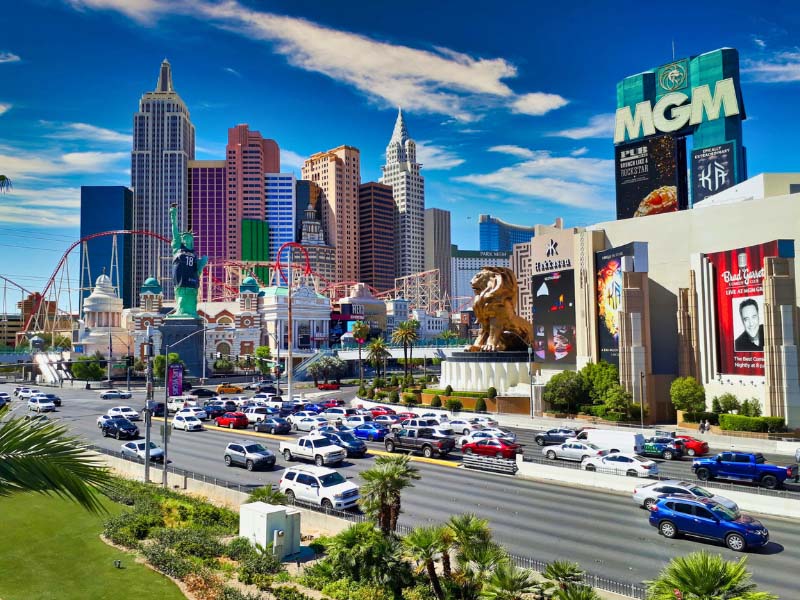
- MGM Grand: Often cited as the largest single hotel in the United States and one of the largest in the world, the MGM Grand boasts nearly 7,000 rooms. This iconic resort, with its signature lion statue, offers a full spectrum of accommodation options, from standard rooms to elaborate suites, catering to a wide range of budgets and preferences. Its immense size allows it to host massive conventions and a continuous stream of tourists.
- The Venetian Resort (The Venetian and The Palazzo): This grand complex, inspired by Venice, combines two hotels, The Venetian and The Palazzo, offering over 7,000 suites between them. Emphasizing luxury, all accommodations here are suites, providing guests with a more spacious and upscale experience, complete with amenities like sunken living rooms and lavish bathrooms.
- Aria Resort & Casino: Part of the massive CityCenter complex, Aria offers over 4,000 rooms and suites, known for their modern design and advanced in-room technology. It represents a newer wave of Las Vegas luxury, focusing on contemporary aesthetics and high-tech amenities.
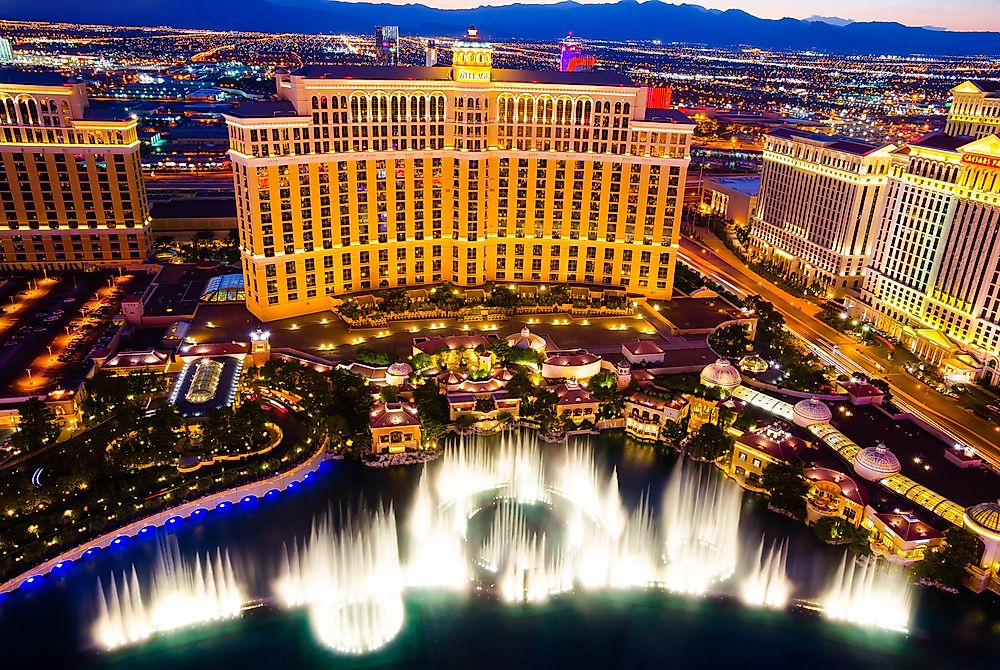
- Bellagio: Famous for its dancing fountains, the Bellagio provides around 3,900 rooms and suites, epitomizing classic Las Vegas elegance and luxury. It remains a benchmark for high-end hospitality on the Strip.
- Wynn Las Vegas and Encore at Wynn Las Vegas: These sister properties collectively offer over 4,700 rooms and suites, renowned for their exquisite design, impeccable service, and upscale amenities. They consistently rank among the world’s best hotels, drawing guests who prioritize luxury lifestyle experiences.
- Caesars Palace: A legendary icon, Caesars Palace has expanded significantly over the decades and now features over 3,900 rooms and suites across several towers, each offering a distinct atmosphere.
Other major players like Mandalay Bay Resort and Casino (over 3,200 rooms), The Cosmopolitan of Las Vegas (over 3,000 rooms), Luxor Hotel and Casino (over 4,400 rooms), and Excalibur Hotel & Casino (over 3,900 rooms) further contribute to the Strip’s monumental accommodation capacity. These resorts are designed to offer a complete visitor experience, meaning guests often don’t need to leave the property to find dining, entertainment, or shopping.
Beyond the Strip: Downtown and Off-Strip Gems
While the Strip captures most of the attention, a significant number of hotel rooms exist beyond this famous stretch. Downtown Las Vegas, particularly around the Fremont Street Experience, offers a different vibe and a substantial number of rooms. Properties like the Golden Nugget (nearly 2,400 rooms) and the newer Circa Resort & Casino (over 700 rooms) provide a historical charm mixed with modern amenities. These downtown hotels cater to visitors looking for a more traditional Vegas experience, often with more budget-friendly options.
Furthermore, off-strip resorts serve both tourists and locals, offering extensive amenities in a slightly less frenetic environment. Examples include the elegant Red Rock Casino, Resort & Spa and Green Valley Ranch Resort Spa & Casino, each contributing hundreds of rooms to the overall count and providing alternative choices for travelers. These properties often feature large casino floors, multiple dining options, pools, and entertainment venues, making them attractive destinations in their own right, without the constant hustle and bustle of the Strip. The diversity in accommodation, from budget motels to ultra-luxury villas, ensures that Las Vegas can truly cater to every type of traveler.
The Economic Impact and Future of Las Vegas Accommodation
The vast number of hotel rooms in Las Vegas is not merely a statistic; it represents the backbone of the city’s economy. The hospitality sector is the largest employer in Southern Nevada, directly and indirectly supporting hundreds of thousands of jobs, from housekeepers and chefs to entertainers and convention organizers.
Powering Tourism and Conventions
The massive room inventory allows Las Vegas to attract an immense volume of tourists, consistently welcoming over 40 million visitors annually (pre-pandemic levels). These visitors fill the rooms, gamble in the casinos, dine at the restaurants, and attend the shows, pouring billions of dollars into the local economy. Beyond leisure travel, Las Vegas is a global leader in the convention and trade show industry. The Las Vegas Convention Center alone can host multiple massive events simultaneously, and the city’s hotels are equipped with their own extensive convention facilities.
The ability to offer hundreds of thousands of rooms means that large-scale conferences, which require significant accommodation capacity, naturally gravitate towards Las Vegas. This robust convention business helps stabilize occupancy rates, particularly during what might otherwise be slower tourist periods, ensuring that the hotel rooms remain filled throughout the year. The synergy between entertainment, gaming, and the convention industry is unique to Las Vegas, making its hotel market incredibly resilient.
Evolution and New Horizons
The landscape of Las Vegas accommodation is never static. Developers are continually refining their offerings and building new properties to meet evolving traveler demands. Recent additions and upcoming projects demonstrate this continuous drive for innovation:
- Resorts World Las Vegas: Opened in 2021, this mega-resort features over 3,500 rooms across three Hilton brands, bringing a new level of Asian-inspired luxury and technology to the Strip.
- Fontainebleau Las Vegas: After decades of delays, this towering blue monolith officially opened in late 2023, adding over 3,600 luxury hotel rooms, suites, and hospitality suites to the northern end of the Strip.
- Durango Casino & Resort: A new off-strip option that opened in late 2023, featuring over 200 rooms, primarily catering to the southwest Las Vegas Valley residents and visitors seeking a more local resort experience.
These new properties not only increase the total room count but also introduce fresh concepts, amenities, and design philosophies, keeping Las Vegas at the forefront of global hospitality trends. The focus is increasingly on integrated resort experiences that offer more than just a place to sleep – they are destinations providing unique attractions, world-class entertainment, and diverse culinary journeys, all within the confines of a single property.
Trends such as wellness tourism, personalized luxury experiences, and sustainable travel are also influencing hotel development and operations. Many resorts are investing in eco-friendly practices, health-focused amenities, and bespoke services to cater to a discerning global clientele. The future of Las Vegas accommodation promises even greater sophistication, diversity, and innovation, ensuring its enduring appeal as a magnet for travelers worldwide.
Conclusion
The question “How many hotel rooms in Vegas?” reveals more than just a number; it encapsulates the ambition, economic power, and unparalleled hospitality infrastructure of one of the world’s most dynamic cities. With well over 150,000 rooms, primarily concentrated in awe-inspiring mega-resorts along the Strip and supplemented by vibrant downtown and off-strip options, Las Vegas offers an unmatched capacity to host millions of travelers.
From the opulent suites of The Venetian Resort to the grand scale of the MGM Grand, each property contributes to a diverse tapestry of accommodation experiences, catering to every taste and budget. This vast inventory fuels a colossal tourism industry, supports a robust convention sector, and drives significant economic activity for the entire Southern Nevada region. As new resorts emerge and existing ones evolve, Las Vegas continues to push the boundaries of luxury, entertainment, and integrated travel, reaffirming its status as the quintessential destination for unforgettable stays. For anyone seeking an extraordinary travel experience, the abundance of world-class accommodation ensures that Vegas is always ready to welcome them with open arms.
LifeOutOfTheBox is a participant in the Amazon Services LLC Associates Program, an affiliate advertising program designed to provide a means for sites to earn advertising fees by advertising and linking to Amazon.com. Amazon, the Amazon logo, AmazonSupply, and the AmazonSupply logo are trademarks of Amazon.com, Inc. or its affiliates. As an Amazon Associate we earn affiliate commissions from qualifying purchases.