
Embarking on a journey, whether it’s a bustling city break to New York City, a serene escape to the Maldives, or a business trip to London, promises adventure and relaxation. The excitement of exploring new destinations, immersing oneself in local culture, savoring unique cuisine, and discovering historical landmarks is often the driving force behind our wanderlust. From the moment we book our flights to Paris or reserve a luxurious suite in Dubai, our minds are filled with picturesque scenery and unforgettable experiences. However, amidst the planning and anticipation, a subtle yet significant concern often lurks in the background for seasoned travelers: the potential for encountering unwanted guests in our accommodation. Bed bugs, tiny hitchhikers with a knack for disrupting even the most meticulously planned luxury travel experiences, can turn a dream vacation into a stressful ordeal.

Whether you’re staying in a five-star resort like the Four Seasons in Maui, a budget-friendly hostel in Berlin, or a charming boutique hotel near the Eiffel Tower, vigilance is key. These resilient pests are not indicators of cleanliness; they are opportunistic travelers themselves, easily moving between luggage and various accommodations. For anyone planning a family trip, a critical business stay, or a solo adventure, understanding how to effectively check for bed bugs is an essential skill, ensuring your focus remains on enjoying your travel experiences rather than battling nocturnal nuisances. This comprehensive guide will equip you with the knowledge and strategy to conduct thorough inspections, protecting your peace of mind and your belongings from these tiny invaders.
Understanding the Threat: Why Bed Bugs Matter for Travelers
The prospect of finding bed bugs in your hotel room can be unsettling, if not outright alarming. Beyond the obvious “ick” factor, these minuscule pests pose several tangible threats that can significantly impact your travel experience and even extend their reach into your home life. For any traveler, whether venturing on a long-term stay or a quick weekend getaway, comprehending the gravity of a bed bug encounter is the first step towards proactive prevention.
The Unwanted Souvenir: Health and Comfort Concerns
Imagine waking up after a restful night in your hotel suite, only to discover an irritating rash or a series of itchy, red welts across your skin. This is often the first, unwelcome sign of bed bug activity. While bed bugs are not known to transmit diseases, their bites can cause significant discomfort, leading to intense itching, skin irritation, and even allergic reactions in some individuals. These nocturnal feeders inject an anticoagulant and anesthetic as they feed, which means you typically won’t feel the bite itself, but the aftermath can be profoundly disruptive.
Beyond the physical discomfort, the psychological toll can be considerable. The mere thought of tiny creatures feasting on you while you sleep can induce anxiety, leading to sleepless nights, paranoia, and a general feeling of unease. For those on a much-anticipated vacation, this can overshadow the joy of exploring famous places or enjoying local culture. A planned relaxing stay in a tranquil resort in Bali could be marred by constant itching and the dread of further bites. This stress can persist even after leaving the affected room, as travelers worry about unknowingly carrying these pests home.
Protecting Your Investment: Travel Plans and Personal Belongings
A bed bug infestation can derail your travel plans in an instant. If you discover bed bugs, you’ll likely need to request a room change or, in severe cases, even switch hotels entirely. This can lead to unexpected expenses, wasted time, and the inconvenience of repacking and relocating, detracting from the very essence of your trip. Consider a pre-booked excursion to the Colosseum in Rome or a cooking class in Thailand; having to deal with pest issues can easily consume valuable time meant for these enriching activities.
More concerning still is the risk of bringing bed bugs home with you. These pests are expert hitchhikers, readily stowing away in luggage, clothing, and even personal items. An infestation in your home can be incredibly costly and difficult to eradicate, requiring professional pest control services, extensive laundering, and potentially the discarding of infested furniture. What began as a minor inconvenience in a hotel room could escalate into a significant financial burden and a prolonged period of stress at home. This makes a thorough pre-check-in inspection not just a good practice, but an essential component of responsible accommodation management, safeguarding not only your current trip but also your domestic sanctuary.
Your Pre-Check-In Protocol: A Step-by-Step Guide
The moment you step into your hotel room, your focus should immediately shift from admiring the view to conducting a thorough, methodical inspection. This isn’t about paranoia; it’s about smart, informed travel. By establishing a routine for checking your room, you empower yourself to identify potential problems early and take corrective action before bed bugs have a chance to settle in or, worse, hitch a ride in your luggage.
The Arrival Routine: Don’t Unpack Immediately
Upon entering your room, resist the urge to immediately toss your luggage onto the bed or the carpet. This is the golden rule of bed bug prevention. Instead, take all your bags – suitcases, backpacks, and even your purse – and place them in the bathroom, preferably in the bathtub or on the tile floor. The bathroom is generally considered the safest place as bed bugs are less likely to inhabit areas with hard, smooth surfaces and fewer hiding spots.
Once your luggage is secured, take a deep breath and prepare for your inspection. This initial step is critical because it isolates your belongings from potential infestation sources, significantly reducing the risk of contamination. If your room does turn out to have bed bugs, your luggage will remain uncontaminated, making subsequent actions much simpler and less stressful. This simple act of postponing unpacking can save you a world of trouble later on.
The Visual Inspection: Where to Look First
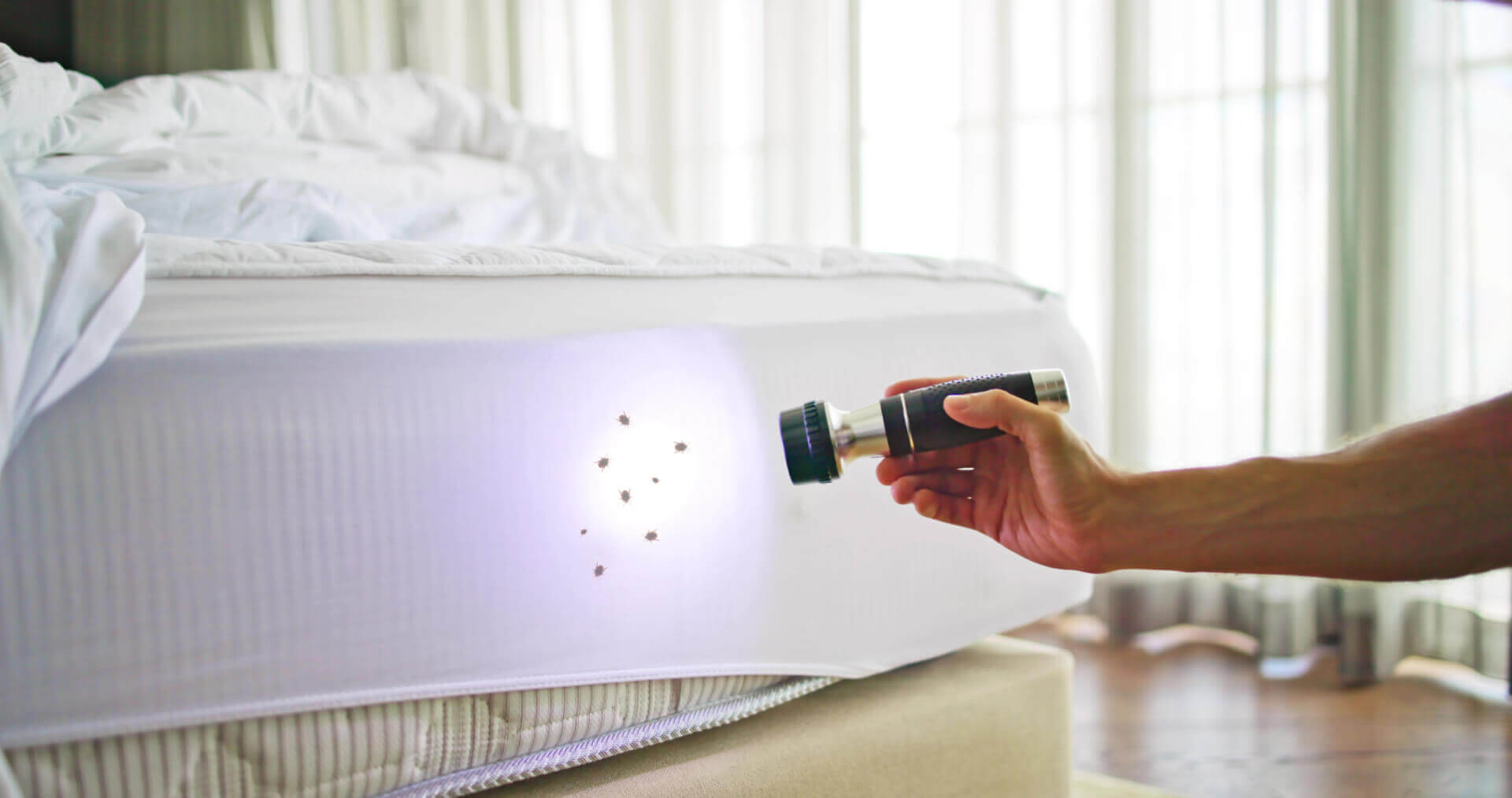
With your bags safely tucked away, it’s time to begin the actual search. Your primary focus should be the bed and its immediate surroundings. Bed bugs are tiny, typically about the size of an apple seed, and masters of concealment. You’ll need a flashlight (your phone’s flashlight works perfectly) and possibly a credit card or a stiff piece of plastic to help pry into crevices.
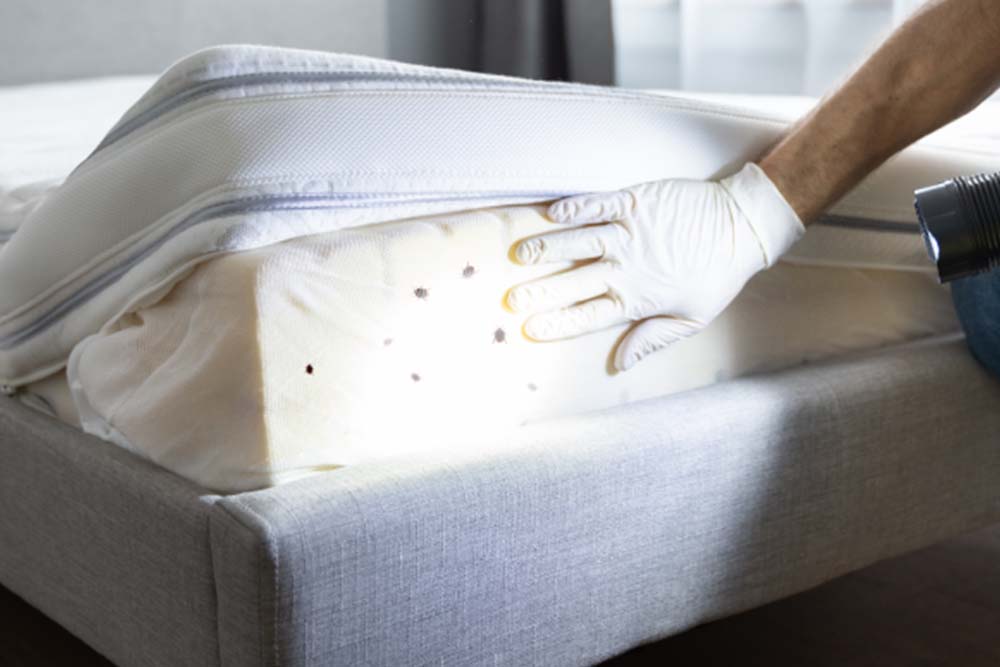
- Pull Back the Bedding: Start by stripping the bed. Pull back all sheets, blankets, and mattress covers. Pay close attention to the seams, tags, and piping of the mattress. These are prime hiding spots for bed bugs, their eggs, and their fecal matter. Look for small, reddish-brown stains (blood spots), dark black or brown spots (excrement, which may look like mold or ground pepper), tiny pale yellow eggs, shed skins (exoskeletons), and, of course, live bed bugs themselves.
- Inspect the Mattress and Box Spring: Meticulously examine all sides of the mattress, paying particular attention to the piping, tufts, and any tears or holes in the fabric. Lift the mattress to inspect the box spring underneath. Check the seams, edges, and corners of the box spring, as well as the dust ruffle.
- Headboard and Nightstands: Move to the headboard. If it’s attached to the wall, check the area where it meets the wall and any crevices in the headboard itself. Many headboards are hollow or have nooks where bed bugs can hide. Don’t forget the nightstands – check inside drawers, along the undersides, and where they meet the wall. Even a seemingly insignificant crack in the wood can serve as a refuge.
Signs to Watch For: What Bed Bugs Leave Behind
Knowing what to look for is just as important as knowing where to look. Bed bugs leave behind several tell-tale signs that can indicate their presence, even if you don’t spot a live insect.
- Fecal Spots: These appear as small, dark, inky spots, often resembling specks of ground pepper or dried blood. They are typically found on mattresses, sheets, pillowcases, and nearby furniture. If you wipe them with a wet cloth, they will often smear.
- Blood Smears: Small streaks of blood on your sheets or pillowcases can be an indicator. These usually occur when a feeding bed bug is crushed by the sleeping occupant, or after a bite.
- Shed Skins (Exoskeletons): As bed bugs grow, they shed their outer shells (exoskeletons). These empty, translucent skins are typically brownish and can be found near their hiding spots. They look like tiny, hollow versions of the bugs themselves.
- Live Bed Bugs: These are the most definitive sign. Adult bed bugs are reddish-brown, oval-shaped, and about the size of an apple seed. Nymphs (young bed bugs) are smaller and lighter in color, appearing yellowish or translucent.
- Bed Bug Eggs: Extremely tiny (about 1mm), pearly white, and often found clustered together in cracks or crevices. They can be difficult to spot without close inspection.
- Sweet, Musty Odor: In cases of severe infestation, a distinct, sweet, musty odor might be noticeable. This scent is produced by the bugs’ scent glands.
If you observe any of these signs, no matter how subtle, it’s crucial to act immediately.
Deep Dive Inspection: Beyond the Bed
While the bed is the primary habitat for bed bugs, these resilient pests are not exclusive to mattresses and box springs. Their ability to squeeze into the tiniest crevices means a thorough inspection must extend beyond the immediate sleeping area to ensure comprehensive peace of mind. Overlooking these secondary hiding spots could lead to an unpleasant surprise later.
Furniture and Fixtures: Expanding Your Search
Once you’ve meticulously inspected the bed, turn your attention to other items of furniture and fixtures within the room. Bed bugs are opportunistic and will hide anywhere they can find shelter and proximity to a host.
- Sofas and Chairs: If your room includes a sofa, armchair, or any upholstered furniture, treat it as you would the bed. Carefully inspect the seams, cushions, and underneath the furniture. Lift cushions and check for any signs of activity in the crevices. Pay close attention to areas where the fabric meets the frame.
- Curtains and Drapes: Bed bugs can climb and often hide in the folds and seams of curtains, especially those near windows or walls. Run your flashlight along the top edges and pleats, looking for any dark spots or actual bugs.
- Desks and Dressers: Open all drawers in desks and dressers. Inspect the interior, particularly the corners and along the runners. Also, check the back panel of these pieces of furniture, especially where it meets the wall, as well as the underside.
- Wall Decor and Picture Frames: Don’t underestimate their ability to hide. Remove any wall art or picture frames and inspect the backs of them and the wall directly behind them. Cracks in plaster or wallpaper peeling at the edges can also be favored hiding spots.
- Electrical Outlets and Light Switches: These are common, yet often overlooked, hiding places. Bed bugs can easily slip behind outlet covers and into the wall voids. While you shouldn’t remove covers yourself for safety reasons, you can carefully shine a flashlight into the openings and look for signs around the edges.
Expanding your search to these areas ensures that you’ve covered the most likely secondary hiding spots, providing a more complete picture of the room’s condition.
The Bathroom and Beyond: Often Overlooked Spots
While less common, it’s not entirely impossible for bed bugs to venture into areas like the bathroom, especially in severe infestations or if they are migrating. Though generally not their preferred habitat due to the lack of consistent food sources, a quick check can still be prudent.
- Bathroom Corners and Cabinetry: Although very rare, if you’re particularly concerned, quickly scan the corners of the bathroom, under the sink, and around any permanent fixtures. Bed bugs prefer warmth and blood meals, making the bathroom a low-priority spot, but vigilance never hurts.
- Closets and Luggage Racks: Before using them, inspect the closet floor, shelves, and especially the luggage rack. The latter is a notorious transfer point for bed bugs, as travelers often place their suitcases directly on them. Inspect all joints and seams of the rack.
- Behind Baseboards and Loose Wallpaper: In older buildings or rooms with minor wear and tear, bed bugs can hide behind loose baseboards or peeling wallpaper. While you don’t need to dismantle the room, a quick glance along these edges can reveal activity.
By extending your inspection to these less conventional areas, you minimize the chances of a bed bug encounter and maximize your peace of mind, ensuring that your holiday accommodation remains a haven rather than a source of stress. This comprehensive approach is part of smart tourism tips for a truly carefree travel experience.
What to Do If You Find Them: Immediate Action and Prevention
Discovering bed bugs in your hotel room can be an upsetting experience, but knowing how to react swiftly and decisively can mitigate the impact on your trip and prevent them from returning home with you. Panic is the natural reaction, but a clear, calm approach is essential for a positive resolution.
Reporting the Issue: Contacting Hotel Management
If your inspection reveals any signs of bed bugs, do not hesitate to act immediately.
- Do Not Disturb the Room Further: Avoid moving items around or attempting to clean up the signs yourself. This could disperse the bugs and make it harder for hotel staff to assess the extent of the issue.
- Document Everything: Before contacting anyone, take photos or videos of all the evidence you’ve found – the bugs themselves, fecal spots, blood smears, shed skins, and their exact locations. This documentation is crucial for your claim and for protecting yourself should any disputes arise.
- Contact the Front Desk/Management Immediately: Politely but firmly explain your findings to the front desk or hotel management. Present your evidence. Most reputable hotels, from boutique establishments to large chains like Marriott or Hilton, have protocols for handling such situations.
- Request a Room Change: Insist on being moved to a new room, preferably one that is not adjacent, directly above, or directly below the infested room. Bed bugs can travel through wall voids and electrical conduits. Ask if the new room can also be inspected before you move your belongings into it.
- Consider a Refund or Compensation: Depending on the severity of the situation and the hotel’s response, you may be entitled to a refund for your stay, especially if you have to change hotels. Discuss this calmly with management. If you feel dissatisfied, follow up with the corporate office or leave a detailed review on booking reviews platforms to inform future travelers.
Remember, your health and comfort are paramount. A good hotel will prioritize guest satisfaction and address the issue professionally.
Post-Stay Precautions: Preventing Hitchhikers
Even if you didn’t find bed bugs in your room, or if you did and managed the situation, taking precautions after your stay is vital to prevent these persistent pests from becoming an unwanted souvenir.
- Isolate Your Luggage: As soon as you arrive home, do not bring your luggage directly into your bedroom. Instead, take it to a garage, bathroom, or utility room – somewhere with hard surfaces and away from upholstered furniture.
- Laundry First: Remove all clothing, whether worn or unworn, from your suitcase. Immediately put it into a washing machine. Wash all items in the hottest water permissible for the fabric, and then dry them on high heat for at least 30 minutes. High heat is the most effective killer of bed bugs and their eggs.
- Inspect and Vacuum Luggage: Thoroughly inspect your suitcase, inside and out. Use a stiff brush to scrub along seams and zippers to dislodge any potential eggs or bugs. Then, vacuum the entire suitcase, paying close attention to all crevices. Immediately dispose of the vacuum bag in an outdoor trash can.
- Heat Treatment for Non-Washables: For items that cannot be washed or dried on high heat (e.g., shoes, books, electronics), consider placing them in a sealed plastic bag and leaving them in a hot car for several hours on a sunny day (temperatures inside the car can reach lethal levels for bed bugs). Alternatively, professional pest control services offer heat treatments for such items.
- Long-Term Storage: If possible, store your suitcase away from your sleeping areas – perhaps in a garage, attic, or sealed in a large plastic bag until your next trip.
By diligently following these post-stay precautions, you significantly reduce the risk of introducing bed bugs into your home, preserving the joyous memories of your travels and avoiding the costly nightmare of a home infestation. A little effort goes a long way in ensuring your travel adventures remain free from these unwelcome companions.
The allure of discovering new destinations, from the vibrant markets of Marrakech to the serene temples of Kyoto, should always outweigh any potential concerns. With the knowledge and practical steps outlined in this guide, you can confidently check for bed bugs in any hotel, safeguarding your peace of mind and the sanctity of your home. Vigilance is not about fear; it’s about empowerment, allowing you to fully embrace every moment of your travel and tourism experiences, knowing you’ve taken every precaution against unexpected disruptions. Happy travels, and may your journeys always be bug-free!
LifeOutOfTheBox is a participant in the Amazon Services LLC Associates Program, an affiliate advertising program designed to provide a means for sites to earn advertising fees by advertising and linking to Amazon.com. Amazon, the Amazon logo, AmazonSupply, and the AmazonSupply logo are trademarks of Amazon.com, Inc. or its affiliates. As an Amazon Associate we earn affiliate commissions from qualifying purchases.