
There are few travel experiences more unsettling than discovering you’ve shared your [hotel] room with bed bugs. What begins as the excitement of a new [destination] or the comfort of a luxurious [suite] can quickly turn into an itchy nightmare, impacting not just your current trip but potentially your peace of mind long after you’ve returned home. While hotels strive for impeccable cleanliness, bed bugs are incredibly resilient hitchhikers, easily transported in luggage from one guest to the next, regardless of the establishment’s star rating or the city, be it a bustling metropolis like [New York City] or a serene [resort] in the [Caribbean]. For any traveler, from the seasoned globetrotter exploring the ancient wonders of [Rome] to the family enjoying a [beach vacation], knowing how to identify these unwelcome guests is an essential skill, providing peace of mind and proactive protection. This comprehensive guide will equip you with the knowledge and steps needed to inspect your accommodation effectively, recognize the signs of an infestation, and act decisively if you find yourself in such an unfortunate situation.
The Unwanted Travel Companion: Understanding Bed Bugs and Their Impact
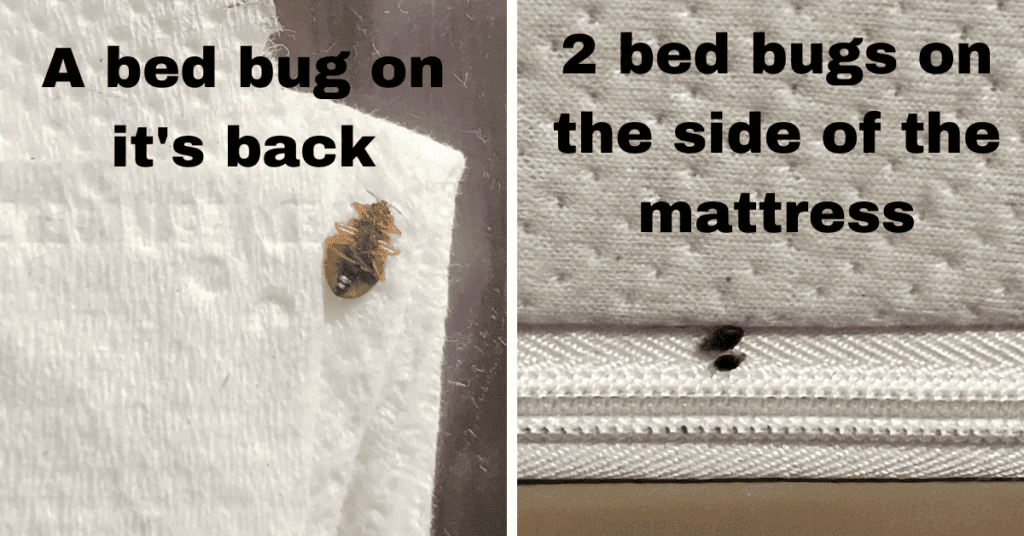
Bed bugs, scientifically known as Cimex lectularius, are small, nocturnal insects that feed on human blood. About the size of an apple seed, they are flat, reddish-brown, and can go for extended periods without a meal, making them incredibly hardy. They typically hide in cracks and crevices close to their food source – you – emerging primarily at night. Their presence is not a reflection of poor hygiene on the traveler’s part, nor is it exclusively tied to rundown accommodations. Even the most prestigious [Four Seasons] or [Ritz-Carlton] properties can fall victim to bed bug infestations due simply to the transient nature of travel and the constant flow of guests and their belongings.
The impact of bed bugs extends far beyond mere discomfort. A bed bug infestation can trigger allergic reactions, leading to intensely itchy welts that can disrupt sleep and cause significant stress. Psychologically, the thought of insects crawling on you while you sleep can be deeply disturbing, fostering anxiety and paranoia that can linger long after the physical bites have healed. Financially, dealing with an infestation can be costly, requiring professional pest control services for your home and the replacement of contaminated luggage or clothing. For a [luxury travel] experience, finding bed bugs can entirely spoil the dream, turning a meticulously planned [Paris] getaway into a stressful ordeal. Similarly, for families on a [family trip], the disruption and potential health concerns for children can be particularly distressing. Understanding these potential ramifications underscores the importance of being vigilant and prepared.
Your Essential Bed Bug Inspection Protocol Before Settling In
Proactive inspection is your first and best line of defense against bed bugs. Rather than waiting for bites to appear, integrating a quick, thorough check into your arrival routine for any [accommodation], from a [boutique hotel] in [London] to a remote [villa], can save you a world of trouble.
Initial Steps Upon Entering Your Room
The moment you step into your hotel room, resist the urge to immediately toss your luggage onto the bed or floor. Instead, place all suitcases, backpacks, and personal items in the bathroom, preferably in the bathtub or on a tiled surface, away from carpets and upholstered furniture. Bed bugs struggle to climb slick surfaces, making the bathroom a relatively safer temporary holding zone.
Take a deep breath and prepare for your inspection. You’ll need a flashlight – the one on your smartphone works perfectly – and potentially a magnifying glass if you have one, although it’s not strictly necessary. The goal is vigilance, not panic. Approach the inspection methodically, understanding where these pests are most likely to hide.
The Bed Area: A Meticulous Examination
The bed is ground zero for bed bugs because it’s closest to their primary food source. This is where your detailed examination should begin.
-
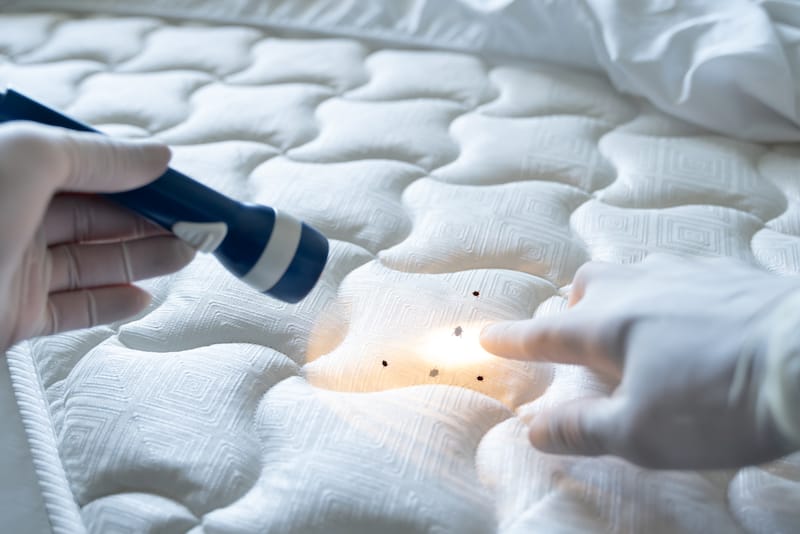
Peel Back the Sheets: Start by pulling back the covers, blankets, and sheets. Examine the mattress pad. Look along the piping, seams, and tags of the mattress itself. These tight, dark spaces are favored hiding spots. You are looking for live bugs, dark, reddish-brown fecal spots (which resemble tiny ink stains), shed skins (exoskeletons) that look like translucent casings of the bugs, and tiny, pearly-white eggs, often found in clusters.
-
Inspect the Mattress and Box Spring: Lift the mattress off the bed frame. Pay close attention to the underside of the mattress and the top surface of the box spring. Systematically check all crevices, corners, and any tears in the fabric of both the mattress and the box spring. Use your flashlight to illuminate these dark areas. Don’t forget the dust ruffle if there is one; bed bugs love to hide within its folds.
-
Examine the Bed Frame and Headboard: Next, scrutinize the bed frame itself. Run your flashlight along all wooden or metal joints, looking for any signs of infestation. If the headboard is attached to the wall, carefully check behind it, especially where it meets the wall and any mounting brackets. If the headboard is free-standing, inspect the back and any seams or decorative elements. Bed bugs can squeeze into incredibly tight spaces, so be thorough. Even checking the wall behind the headboard for any specks or stains is a good idea.
Expanding Your Search: Furniture, Curtains, and Beyond
Bed bugs aren’t exclusively confined to the bed. They can disperse throughout the room if an infestation becomes severe or if they are seeking new hiding spots.
-
Nightstands, Dressers, and Chairs: Open nightstand drawers and inspect the interiors, paying attention to the underside and corners. Do the same for dressers and any upholstered chairs or couches in the room. Lift cushions and check seams, zippers, and underneath the furniture.
-
Behind Picture Frames and Loose Wallpaper: Bed bugs can hide behind anything securely attached to the wall. Carefully check behind picture frames, mirrors, and any loose wallpaper or wall decorations. They may also be found in electrical outlets; however, do not tamper with electrical fixtures. Simply observing around the plates is sufficient.
-
Curtains and Drapes: Pull back curtains and drapes, inspecting the pleats, folds, and seams, especially near the top where they hang from the rod and at the bottom where they touch the floor.
By conducting this thorough yet quick inspection, you significantly increase your chances of detecting a problem before it becomes your problem.
Recognizing the Tell-Tale Signs of an Infestation
Even with a meticulous inspection, sometimes direct evidence of live bugs can be elusive. However, bed bugs leave behind a variety of clues that, once recognized, make their presence undeniable.
Visual Evidence: What to Look For
Understanding the specific signs bed bugs leave behind is crucial for accurate identification.
-
Live Bed Bugs: As mentioned, adult bed bugs are about the size of an apple seed, flat, oval-shaped, and reddish-brown. After feeding, they become engorged and more rounded. Nymphs (young bed bugs) are smaller and translucent, appearing yellowish-white.
-
Fecal Spots: These are tiny, dark, rust-colored spots found on bedding, mattresses, bed frames, walls, and even nightstands. They are essentially digested blood and will smear if wiped with a damp cloth, much like dried blood.
-
Shed Skins (Exoskeletons): As bed bugs grow, they shed their outer shell, or exoskeleton, multiple times. These shed skins are translucent, hollow, and retain the shape of the bed bug. Finding these is a clear indicator of an active or recent infestation.

-
Eggs and Egg Casings: Bed bug eggs are tiny (about 1mm long), pearl-white, and oval-shaped. They are often found in clusters in crevices and cracks and are typically glued to surfaces, making them difficult to remove. Empty egg casings may also be present.
-
Blood Spots: Small, rusty-red stains on your sheets or pajamas can be a sign of bed bugs. These spots occur when a feeding bed bug is accidentally crushed during sleep or from blood spots associated with their bites.
The Physical Manifestation: Bed Bug Bites
While not definitive proof of bed bugs (other insects also bite), the appearance and pattern of bites can be a strong indicator, especially when combined with visual evidence.
-
Appearance and Location: Bed bug bites typically manifest as red, itchy welts on exposed skin, such as arms, legs, neck, and face. The bites often appear in a linear pattern, sometimes described as “breakfast, lunch, and dinner,” or in clusters. This linear arrangement is due to the bugs feeding along an exposed blood vessel.
-
Itchiness and Reaction: The bites are usually very itchy, sometimes more so than mosquito bites, and can become inflamed or swollen. The severity of the reaction can vary greatly from person to person; some people have no reaction at all, while others develop large, painful welts.
-
Delayed Reaction: It’s important to note that reactions to bed bug bites can be delayed, sometimes appearing several days after the bite occurred. This can make it challenging to pinpoint when and where you were bitten, emphasizing the need for proactive inspection upon arrival.
If you wake up with these types of bites, especially if you also found any of the visual clues during your inspection, you likely have a bed bug problem.
Post-Discovery: What to Do and How to Prevent Future Encounters
Finding bed bugs can be alarming, but knowing the correct steps to take immediately, and for future [travel], can minimize the disruption and prevent them from returning home with you.
Immediate Actions Upon Finding Bed Bugs
-
Do Not Move Rooms Immediately (Without Permission): While your instinct might be to flee, moving your belongings to another room without hotel staff knowledge risks spreading the infestation to a new area.
-
Document Evidence: Take clear photographs and videos of any live bugs, fecal spots, shed skins, or eggs you find. This documentation is crucial proof for hotel management.
-
Contact Front Desk/Management Immediately: Report your findings to the front desk or hotel management in a calm, clear manner. Present your evidence. Insist on a thorough investigation by hotel staff.
-
Request a New, Inspected Room: If an infestation is confirmed, request to be moved to a different room. Crucially, ask for a room that is not adjacent, directly above, or directly below the infested room, as bed bugs can travel through walls and utility lines. Before accepting the new room, conduct the same thorough inspection protocol as you did for the first room.
-
Insist on Professional Cleaning: Request that the hotel take responsibility for professionally drying any of your clothes or luggage that may have been exposed, using high heat, which is lethal to bed bugs. Alternatively, seek reimbursement for this service.
Safeguarding Your Belongings and Home
Preventing bed bugs from hitchhiking home with you is paramount.
-
Isolate and Seal Luggage: Before leaving the infested room (or even the hotel), seal all your belongings in large, durable plastic bags. This includes your suitcase, backpack, and any other travel bags. Trash bags can work in a pinch. If possible, consider [bed bug certified luggage] or liners for future trips.
-
Wash and Dry All Clothes: Upon returning home, immediately take all clothes (even unworn ones) directly to the laundry room. Wash them in the hottest water permissible for the fabric and dry them on the highest heat setting for at least 30 minutes. High heat is very effective at killing all life stages of bed bugs.
-
Vacuum Luggage Thoroughly: Vigorously vacuum your suitcases, both inside and out, paying close attention to seams, zippers, and pockets. Dispose of the vacuum bag immediately in an outdoor trash bin. You might also consider steam cleaning your luggage if it can withstand it.
-
Inspect Your Home: After unpacking and cleaning, conduct a thorough inspection of your own home, particularly around your bed, just as you would in a hotel room. Store suitcases in a garage, attic, or sealed in plastic bags rather than near your bedroom.
Following these steps can significantly reduce the risk of bringing bed bugs into your home and help ensure that your future [travel experiences] remain positive.
Beyond Inspection: Proactive Measures for Smarter Travel
While vigilance is key, several proactive measures can further reduce your risk of encountering bed bugs and enhance your overall [tourism] experience.
One of the most effective strategies is choosing reputable hotels and reading reviews meticulously. Websites dedicated to [accommodation reviews] often include reports of bed bugs. Look for recent mentions and how the hotel responded. A single old report might not be a red flag if the hotel took swift action, but recurring complaints are a definite warning. Prioritizing hotels with strong cleanliness ratings, whether they are a major chain like [Hilton] or a beloved independent [Grandview Resort], often translates to a lower risk. For those engaging in [budget travel], this due diligence is even more crucial, as cost-cutting might sometimes extend to less rigorous pest control.
Consider travel insurance that might cover unexpected expenses related to a bed bug encounter, such as having to find new accommodation or replace contaminated belongings. While not directly preventing bugs, it provides a financial safety net. Educating yourself about various types of [accommodation], from traditional hotels to extended-stay [apartments] or even [Airbnb] rentals, and understanding their unique vulnerabilities can also empower smarter booking decisions. For instance, an [Airbnb] may have different oversight than a large [Marriott] property.
Finally, packing smart can make a difference. Using hard-shell luggage reduces potential hiding spots compared to soft-sided bags. Packing clothes in zip-lock bags or vacuum-seal bags can further protect your items from contamination. Remember, bed bugs don’t discriminate based on [lifestyle] or travel budget. From a romantic getaway to [Tokyo] to a business stay in [Dubai], these resilient pests are a universal concern. By arming yourself with knowledge and practicing consistent vigilance, you can greatly minimize your risk, ensuring your journeys remain enjoyable and free from unwanted, itchy souvenirs.
LifeOutOfTheBox is a participant in the Amazon Services LLC Associates Program, an affiliate advertising program designed to provide a means for sites to earn advertising fees by advertising and linking to Amazon.com. Amazon, the Amazon logo, AmazonSupply, and the AmazonSupply logo are trademarks of Amazon.com, Inc. or its affiliates. As an Amazon Associate we earn affiliate commissions from qualifying purchases.