
The vibrant and endlessly fascinating landscape of Japan offers a plethora of unique experiences for travelers, from ancient temples and serene gardens to bustling metropolises and futuristic technology. Among its many distinctive cultural phenomena, love hotels stand out as a particularly intriguing aspect of the nation’s accommodation and social fabric. Often shrouded in curiosity and sometimes misconception, these establishments are far more than just a place for couples; they represent a unique blend of privacy, luxury, and often whimsical fantasy that caters to a surprisingly broad clientele, including discerning tourists seeking a one-of-a-kind stay.

Love hotels, or “rabu hoteru” as they are known in Japan, are a specialized type of short-stay accommodation designed primarily for couples to spend intimate time together discreetly. However, their utility extends beyond romantic assignations, offering a flexible and often opulent alternative to traditional hotels. Understanding what love hotels are, their origins, features, and how they function provides a deeper insight into Japanese society and its innovative approach to hospitality.
The Cultural Phenomenon of Japanese Love Hotels
To truly grasp the essence of love hotels, one must first understand their context within Japanese culture and the practicalities of urban living. Historically, Japanese homes have often been small and multi-generational, making private moments for couples a rare commodity. This societal reality, coupled with a cultural emphasis on discretion, paved the way for the emergence of specialized venues where intimacy could be enjoyed without inhibition or judgment.
A Unique Accommodation Niche
Love hotels occupy a distinct niche within the broader accommodation sector, differentiating themselves from conventional business hotels, hostels, or traditional ryokan. While standard hotels focus on overnight stays and amenities like conference rooms or family-friendly facilities, love hotels prioritize privacy, comfort, and entertainment tailored for couples. They are characterized by their often elaborate, sometimes outlandish, exterior designs and their discreet entrance and check-in procedures, designed to maintain anonymity.
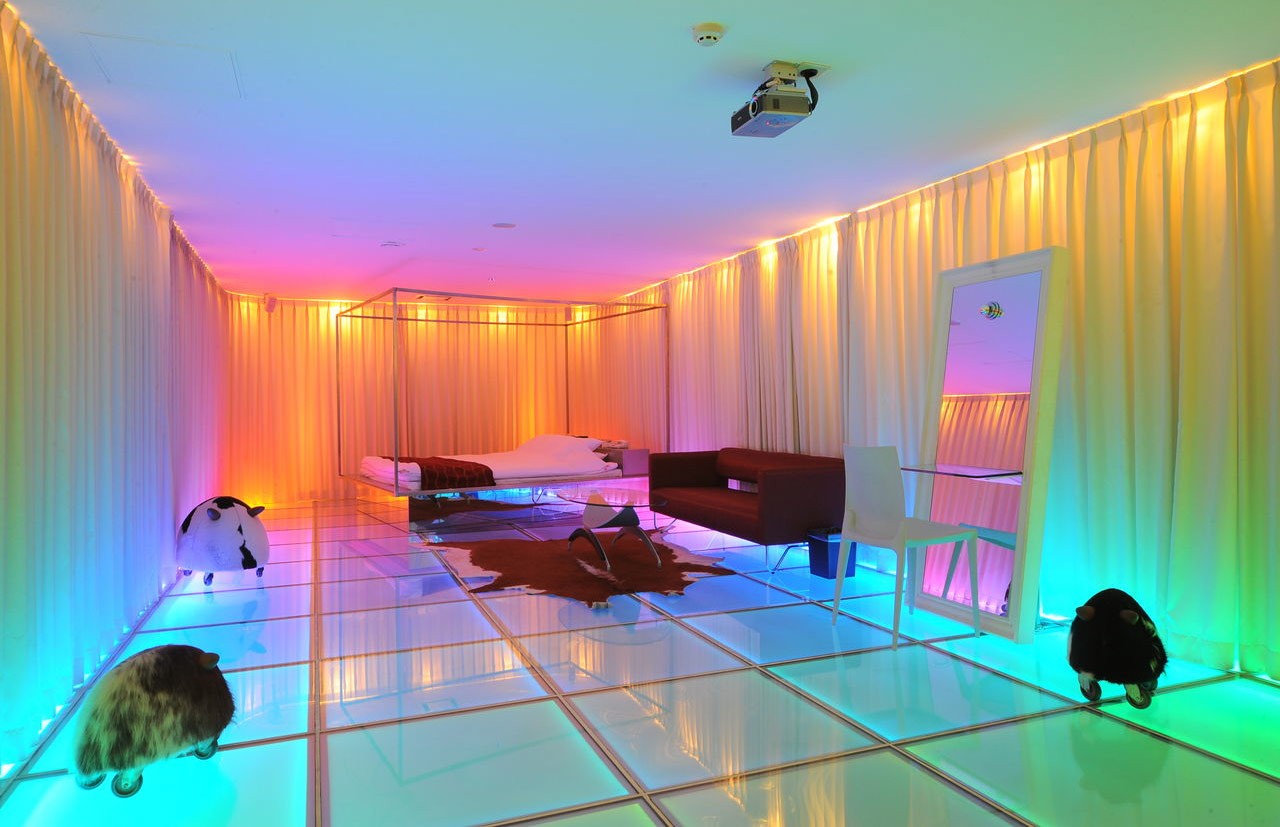
Unlike the typically uniform aesthetic of international hotel chains, each love hotel often boasts its own unique personality, ranging from sleek, modern designs to quirky, themed fantasies. This individuality contributes to their appeal, making each visit a potentially new adventure. For travelers looking to immerse themselves in Japanese lifestyle and experience an unconventional side of its hospitality, love hotels offer an unparalleled opportunity.
Historical Roots and Evolution
The roots of love hotels can be traced back to the post-World War II era, specifically to the 1960s, a period of rapid economic growth and changing social norms in Japan. As urbanization accelerated and living spaces remained compact, the demand for private spaces for young couples increased dramatically. Early versions, known as “tsurekomi yado” (literally “bring-along inns”), were often simple establishments offering rooms for a few hours. These evolved into more sophisticated venues, adopting the “love hotel” moniker by the 1970s.
Over the decades, love hotels have undergone significant transformations, moving away from a somewhat illicit image to a more accepted, albeit still discreet, part of the Japanese urban landscape. Regulatory changes and increasing competition have pushed them towards greater transparency and a focus on high-quality service and diverse offerings. Today, they are often seen as a legitimate and innovative segment of the accommodation industry, especially in major cities like Tokyo, Osaka, and Kyoto, where they are often clustered in specific districts.
Distinctive Features and Amenities
What truly sets love hotels apart is their unwavering commitment to enhancing the guest experience through unique features and an unparalleled array of amenities. These establishments go far beyond merely providing a bed; they offer an escape into a world of comfort, entertainment, and often, pure fantasy.
Themed Rooms: Fantasy and Beyond
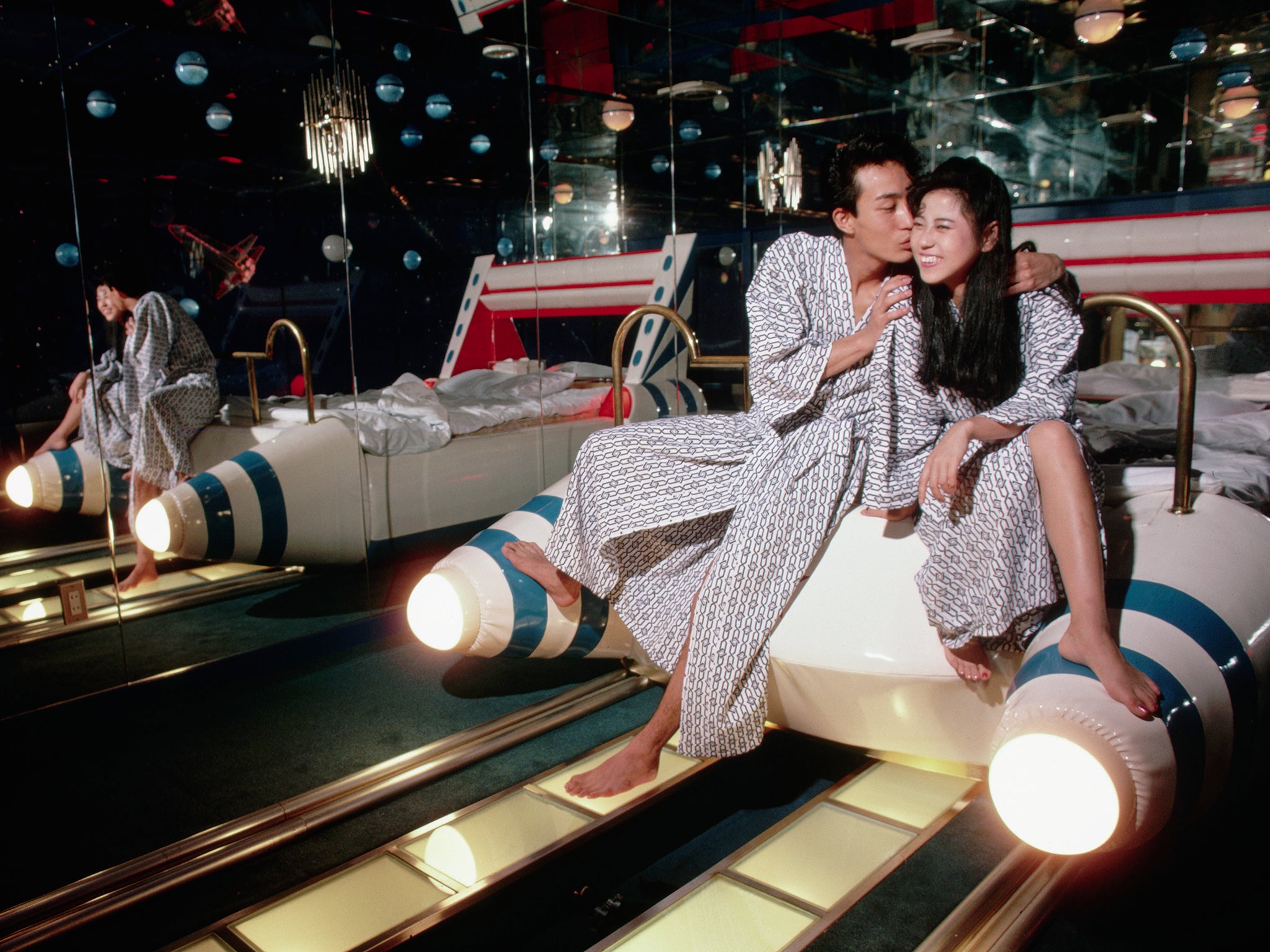
Perhaps the most iconic aspect of love hotels is their themed rooms. While some offer elegantly decorated, contemporary spaces, many lean into imaginative and elaborate designs. Guests might find themselves in a jungle safari room, a medieval castle, an outer space capsule, or even a replica of a subway train. Other themes might include S&M dungeons, school classrooms, or Hello Kitty-inspired sanctuaries. This element of surprise and novelty is a significant draw, allowing couples to fulfill fantasies or simply enjoy a fun, unconventional environment.
These themes are not just superficial; they often extend to the decor, lighting, and even props within the room. This meticulous attention to detail transforms a simple stay into an immersive experience, making love hotels a popular choice for those celebrating special occasions or simply looking to inject some excitement into their relationship. For adventurous travelers, staying in a themed love hotel can be a memorable part of their Japanese travel experience, offering a glimpse into a playful side of the culture.
Advanced Technology and Privacy Measures
Love hotels are often at the forefront of technological integration in the hospitality sector. Rooms typically boast state-of-the-art entertainment systems, including large flat-screen TVs with an extensive selection of movies (including adult content, though this is easily avoidable), karaoke machines, and often gaming consoles. Many rooms also feature luxurious bathrooms with oversized jetted tubs (jacuzzis), saunas, and rainfall showers, providing a spa-like experience. Complimentary toiletries are usually abundant and often include high-quality brands, beauty products, and even hair straighteners.
Privacy is paramount in the love hotel experience. Check-in is designed to be as anonymous as possible, often involving automated systems or an obscured front desk where transactions occur without direct eye contact. Guests typically choose a room from a lighted panel displaying photos of available options, then proceed directly to their chosen room without interacting with staff. Payments are frequently made through a pneumatic tube system or a secure payment slot, minimizing personal interaction. Parking garages often have individual bay doors to hide vehicles from public view. This emphasis on discretion ensures comfort and peace of mind for all guests.
Flexible Pricing: “Rest” vs. “Stay”
One of the most practical aspects of love hotels, especially for travelers, is their flexible pricing structure. Unlike traditional hotels that typically offer only overnight stays, love hotels provide two primary options: “Rest” (休憩 – kyūkei) and “Stay” (宿泊 – shukuhaku).
- Rest (休憩 – kyūkei): This option allows guests to rent a room for a short period, typically ranging from 1 to 4 hours. It’s ideal for a brief escape, a refreshing break during a busy day, or simply to experience the unique amenities. The pricing for “Rest” is usually quite affordable, making it an attractive option for budget-conscious travelers or those needing a quick refresh.
- Stay (宿泊 – shukuhaku): This is the overnight option, usually commencing in the evening (e.g., from 9 PM or 10 PM) and lasting until late morning the next day. While often more expensive than a “Rest” period, “Stay” prices can still be competitive with, or even cheaper than, standard hotel rooms, especially considering the lavish amenities often included. Some love hotels also offer “free time” (フリータイム – furī taimu) packages during off-peak daytime hours, allowing for longer “Rest” periods at a fixed rate, which can be an excellent deal for tourists.
The pricing system is typically displayed clearly at the entrance, usually on a digital board or illuminated menu, indicating different rates for weekdays, weekends, and holidays, as well as separate rates for “Rest” and “Stay” periods. This transparency allows guests to easily understand their options and budget accordingly.
Who Utilizes Love Hotels and Why?
The clientele of love hotels is more diverse than many first-time visitors might imagine. While their primary function is to provide a private space for romantic encounters, their unique features and flexible pricing make them appealing to a broader audience.
Beyond Romantic Encounters: Diverse Clientele
Certainly, a significant portion of love hotel users are couples seeking privacy and a romantic escape from their daily routines or family living situations. For many Japanese couples, love hotels are a regular part of their dating life, offering a chance to unwind and connect in an exciting environment. The themed rooms add an element of novelty and adventure, keeping relationships fresh and interesting.
However, the appeal extends further. Young adults, especially in cities like Shibuya or Shinjuku in Tokyo and Dotonbori in Osaka, might use love hotels as a comfortable place to relax after a night out, especially when the last train has passed and going home is inconvenient or too expensive by taxi. Friends might also rent a room for a few hours to use the karaoke machine, watch movies on a huge screen, or simply hang out in a luxurious setting that their own apartments can’t provide.
Practical Accommodation for Travelers
For international travelers, love hotels are increasingly recognized as a viable and often superior alternative to conventional hotels, particularly in crowded urban centers where standard accommodation can be expensive and small.
- Budget-Friendly Luxury: For tourists on a budget, a love hotel’s “Stay” option can sometimes be more affordable than a comparable business hotel, especially if they are willing to check in a bit later in the evening. The amenities, from jetted tubs to high-tech entertainment, often far surpass what’s available in similarly priced standard rooms.
- Unique Cultural Experience: For those seeking an authentic and unconventional Japanese experience, staying in a love hotel offers a memorable story and a deep dive into a fascinating aspect of local culture. It’s an experience that truly differentiates a trip to Japan from a typical tourist itinerary.
- Day Use and Refreshment: For travelers with long layovers, early morning arrivals, or late departures, the “Rest” option provides a perfect solution for a few hours of sleep, a luxurious shower, or simply a quiet, comfortable place to relax and recharge before continuing their journey. This can be particularly useful after a long flight, offering more comfort and privacy than an airport lounge.
Navigating Your Love Hotel Experience
For first-timers, the idea of using a love hotel might seem daunting, but the process is surprisingly straightforward and designed for ease and discretion.
Locating and Booking: An Anonymous Process
Love hotels are typically clustered in specific districts within major cities. In Tokyo, areas like Shibuya’s Dogenzaka, Shinjuku’s Kabukicho, and Ikebukuro are well-known love hotel hubs. In Osaka, the Umeda and Namba districts have many options. These districts are often recognizable by their brightly lit, sometimes flamboyant, facades.
Unlike traditional hotels, love hotels usually don’t accept advance reservations, particularly for “Rest” periods. Rooms are typically available on a first-come, first-served basis. When you arrive, you’ll usually find a lobby with a panel displaying photos of available rooms and their corresponding prices. You select your room by pressing a button, and the room key or access card will be dispensed, often alongside a payment request. The entire process minimizes human interaction, ensuring privacy. For “Stay” options, some larger or more modern love hotels might offer online booking, though this is less common than for conventional accommodations.
Etiquette and Understanding the System
While the process is designed to be simple, a few points of etiquette and understanding can enhance the experience:
- Anonymity is Key: Respect the privacy of others and expect the same. Most interactions are designed to be anonymous.
- Payment: Be prepared to pay upfront, often through a discreet payment window or automated machine. Cash is always accepted, and many establishments now accept credit cards.
- Time Limits: Be mindful of the time limits for “Rest” periods. Overstaying will incur additional charges, often automatically calculated. For “Stay” options, check-out times are usually strict.
- No Multiple Occupancy: Love hotels are generally designed for two people. Bringing additional guests is typically not allowed and may result in refusal of service or additional charges.
- Language Barrier: While many establishments in tourist-heavy areas might have some English signage or automated voice guidance, be prepared for primarily Japanese interfaces. A translation app can be helpful.
Ensuring a Safe and Enjoyable Stay
Modern love hotels are generally safe, clean, and well-maintained. Regulatory oversight ensures basic standards of hygiene and safety. For peace of mind, consider the following:
- Reputation: If possible, look for hotels with online reviews, or choose ones in well-known, reputable districts.
- Cleanliness: Most love hotels pride themselves on cleanliness. Rooms are usually impeccably maintained and thoroughly cleaned between guests.
- Security: Access to rooms is typically secure, and staff, though discreet, are present to manage the premises.
Love Hotels in the Modern Japanese Tourism Landscape
Love hotels have come a long way from their early, somewhat clandestine image. Today, they are increasingly recognized as an integral part of Japanese hospitality and a fascinating cultural landmark in their own right.
Dispelling Misconceptions and Embracing Uniqueness
The term “love hotel” often conjures specific images, but it’s important to dispel common misconceptions. While intimacy is a core purpose, these establishments are not illicit or morally questionable in the Japanese context. They cater to a legitimate social need for privacy and leisure. Many are luxurious, offering services and amenities on par with, or even exceeding, high-end boutique hotels. They represent a unique form of cultural innovation, responding to societal demands with creativity and efficiency.
For travelers, embracing the uniqueness of love hotels means seeing them not just as a place for couples, but as a distinctive accommodation option that showcases Japan’s ingenuity and playful spirit. They are a testament to the nation’s ability to create specialized services that perfectly meet specific societal needs, wrapped in a package of comfort, discretion, and often, spectacular design.
A Blend of Discretion, Innovation, and Comfort
In conclusion, love hotels in Japan offer a compelling blend of discretion, innovation, and comfort. From their elaborate themed rooms and cutting-edge technology to their flexible “Rest” and “Stay” pricing models, they provide a unique hospitality experience found nowhere else in the world. Whether you’re a couple seeking a romantic escape, a traveler in need of a luxurious short break, or simply someone looking to explore an intriguing facet of Japanese culture, a love hotel stay can be an unforgettable part of your journey through this incredible country. They are more than just rooms; they are destinations in themselves, offering a glimpse into Japan’s remarkable ability to blend tradition with modernity, practicality with fantasy, and discretion with unparalleled hospitality.
LifeOutOfTheBox is a participant in the Amazon Services LLC Associates Program, an affiliate advertising program designed to provide a means for sites to earn advertising fees by advertising and linking to Amazon.com. Amazon, the Amazon logo, AmazonSupply, and the AmazonSupply logo are trademarks of Amazon.com, Inc. or its affiliates. As an Amazon Associate we earn affiliate commissions from qualifying purchases.