
In the vast and varied world of global travel and accommodation, the term “hotel suite” often evokes images of luxury, spaciousness, and an elevated experience far beyond the standard hotel room. For many seasoned travelers, from business executives to families on an extended vacation, understanding the nuances of a hotel suite is key to unlocking a more comfortable and bespoke stay. It’s not merely a larger room; a suite represents a thoughtfully designed living space, offering enhanced amenities, distinct areas for different activities, and often a higher level of service. Whether you’re planning a romantic getaway to Paris, a family adventure in Orlando, or a critical business trip to New York City, knowing what a suite entails can significantly influence your booking decisions and overall travel satisfaction. This article delves deep into the definition, types, benefits, and considerations surrounding hotel suites, helping you determine if this premium accommodation option is the right choice for your next journey.
Decoding the Suite Experience: More Than Just a Room
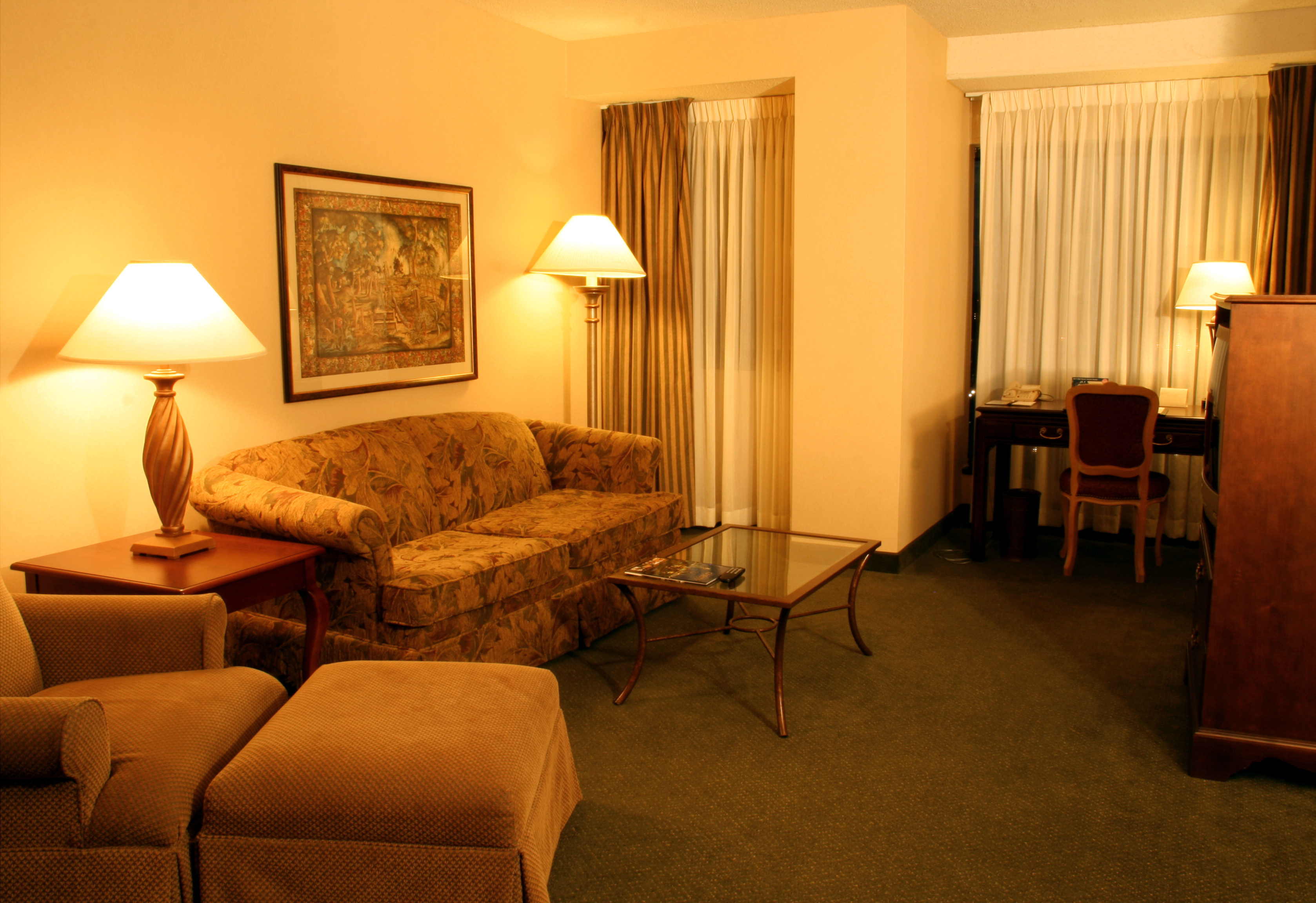
At its core, a hotel suite fundamentally distinguishes itself from a standard hotel room through its layout, amenities, and the overall experience it offers. While a typical room combines sleeping, living, and often a small workspace into a single area, a suite expands upon this concept, providing guests with a more segmented and luxurious environment. This distinction is crucial for travelers seeking greater comfort, privacy, and functionality during their stay.
The Fundamental Difference: Space and Separation
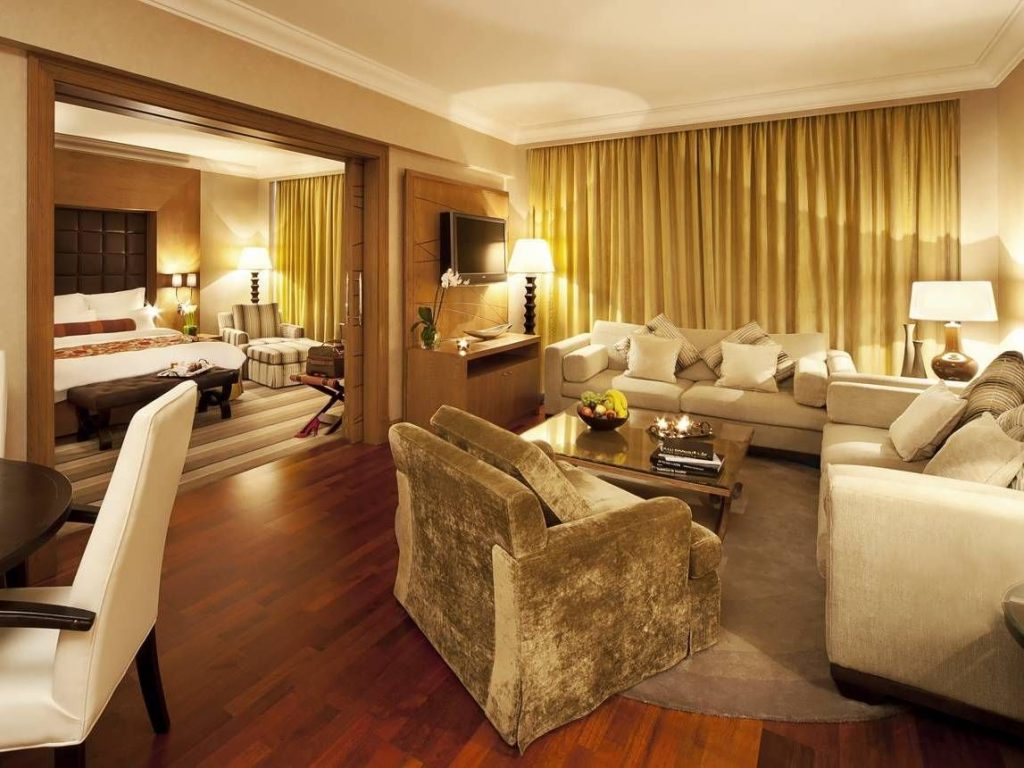
The most defining characteristic of a hotel suite is the presence of distinct living areas. Unlike a standard room where the bed, sofa, and desk often share the same open space, a suite typically offers at least two separate areas: a dedicated bedroom and a separate living room or lounge area. This physical separation provides a multitude of benefits. Guests can enjoy enhanced privacy, allowing one person to sleep while another works, watches television, or relaxes in the living area without disturbance. This layout is particularly advantageous for business travelers who might need to host small meetings or work late without disrupting their rest, or for families who appreciate the ability to put children to bed while adults can still enjoy their evening in a separate space. The added square footage also means more room to spread out, store luggage, and simply exist without feeling confined, contributing to a more relaxed and home-like atmosphere, especially during longer stays.
Elevated Amenities and Features
Beyond the spatial advantages, hotel suites are renowned for their enhanced amenities, which often surpass those found in standard rooms. While specific offerings vary significantly by hotel brand, location, and the suite category itself, common upgrades include:
- Premium Furnishings: Expect higher quality furniture, often bespoke designs, more comfortable seating, and more sophisticated décor.
- Advanced Entertainment Systems: Multiple high-definition televisions, sound systems, and sometimes even gaming consoles or private cinema setups.
- Kitchenette or Full Kitchen: Many suites, particularly those designed for extended stays or families, feature a kitchenette with a refrigerator, microwave, coffee maker, and sometimes even a stove and dining area. This allows guests to prepare simple meals, store snacks, and reduce dining expenses.
- Luxurious Bathrooms: Larger bathrooms are common, often equipped with double vanities, separate showers and soaking tubs, premium toiletries, plush bathrobes, and slippers. Some high-end suites might even feature Jacuzzi tubs or private saunas.
- Dedicated Workspace: An ergonomic desk and chair, often with enhanced lighting and more power outlets, cater to the needs of business travelers.
- Personalized Services: Guests in suites often receive access to exclusive services such as private check-in/check-out, concierge assistance, evening turndown service, and complimentary access to the hotel’s executive lounge. These lounges typically offer complimentary breakfast, evening appetizers, beverages, and a quiet space for relaxation or informal meetings.
The combination of expansive space and elevated amenities transforms a hotel stay from a mere overnight stop into a truly immersive and comfortable experience, aligning perfectly with a lifestyle focused on luxury travel and enhanced comfort.
A Spectrum of Suites: Finding Your Perfect Match
The term “suite” itself is a broad umbrella, encompassing a diverse range of accommodation types, each designed to cater to different needs, budgets, and preferences. From compact junior suites to sprawling presidential penthouses, understanding the distinctions is crucial for selecting the ideal option for your travel plans. This variety allows hotels to serve a wide array of guests, from solo business travelers to large families and those seeking the ultimate in opulent luxury.
Junior Suites and Studio Suites
These represent the entry-level options in the suite category and are often chosen by travelers who desire more space than a standard room without requiring a fully separate bedroom.
- Junior Suites: Typically larger than a standard room, a junior suite often features an open-plan layout where the sleeping area is visually separated from a small living area, perhaps by a partial wall, furniture arrangement, or a different floor level. This might include a sofa, armchairs, and a coffee table in addition to the bed. They offer a sense of spaciousness and usually come with upgraded amenities, making them suitable for couples or solo travelers desiring extra comfort.
- Studio Suites: Similar to junior suites, studio suites often combine the sleeping and living areas in one large, expansive room. However, they commonly include a more developed kitchenette or a larger dining space, making them popular for extended stays where guests might want to prepare some of their own meals. They offer a blend of hotel service with apartment-like conveniences.
These suites are an excellent bridge between a basic room and a full, multi-room suite, offering enhanced comfort at a more accessible price point than their larger counterparts.
One-Bedroom Suites
The one-bedroom suite is arguably the most common and popular type of suite, providing a clear and functional separation between sleeping and living areas.
- Layout: These suites invariably feature a completely separate bedroom with a door, offering maximum privacy. The adjacent living room typically includes a sofa (often a sofa bed, making it ideal for families), chairs, a coffee table, and sometimes a dining area or a small desk.
- Ideal for: Couples seeking a romantic retreat, small families (where children can sleep on the sofa bed), or business travelers needing a distinct space for work or informal meetings. The separate areas allow for greater flexibility in daily routines and ensure that sleep is not interrupted by other activities. Many Marriott and Hilton properties offer excellent one-bedroom suite configurations.
Executive and Business Suites
Tailored specifically to the needs of the corporate traveler, executive and business suites prioritize functionality and productivity.
- Features: These suites often come equipped with larger, more ergonomic workspaces, dedicated meeting tables that can accommodate a few guests, enhanced Wi-Fi connectivity, and sometimes even a printer or fax machine. Access to an executive lounge, offering complimentary breakfast, snacks, and business services, is a common perk.
- Purpose: The design focuses on facilitating work and small-scale professional interactions, allowing business travelers to maintain their routine and conduct meetings in a comfortable, private setting. Hotels like the Hyatt Regency and InterContinental often excel in providing such suites in major business hubs.
Family Suites
Designed with the needs of traveling families in mind, these suites prioritize space, comfort, and child-friendly amenities.
- Layout & Amenities: Family suites often feature multiple sleeping arrangements, such as a main bedroom for parents and a separate area with bunk beds or a sofa bed for children. Many include two bathrooms, a kitchenette for preparing snacks and light meals, and often playful décor or amenities like gaming consoles.
- Benefits: They provide ample space for everyone to relax without feeling cramped, making longer trips much more enjoyable. The ability to cook reduces reliance on restaurant dining, offering both convenience and cost savings. Popular resorts in destinations like Walt Disney World often feature excellent family suite options.
Specialty and Themed Suites
This category encompasses suites designed for unique experiences, often featuring distinctive décor, specific amenities, or catering to particular occasions.
- Examples:
- Bridal Suites: Lavishly decorated for newlyweds, often with romantic touches like Jacuzzis, plush bedding, and champagne on arrival.
- Spa Suites: Equipped with in-room massage tables, private saunas, or oversized tubs, designed for relaxation and wellness.
- Art Suites: Featuring unique artwork, sometimes curated from local artists, offering a gallery-like experience.
- Designer Suites: Collaborations with famous designers, showcasing their aesthetic and vision.
These suites aim to provide an unforgettable stay, often reflecting local culture or a specific theme, adding an extra layer of experience to your accommodation.
Presidential and Penthouse Suites: The Pinnacle of Luxury
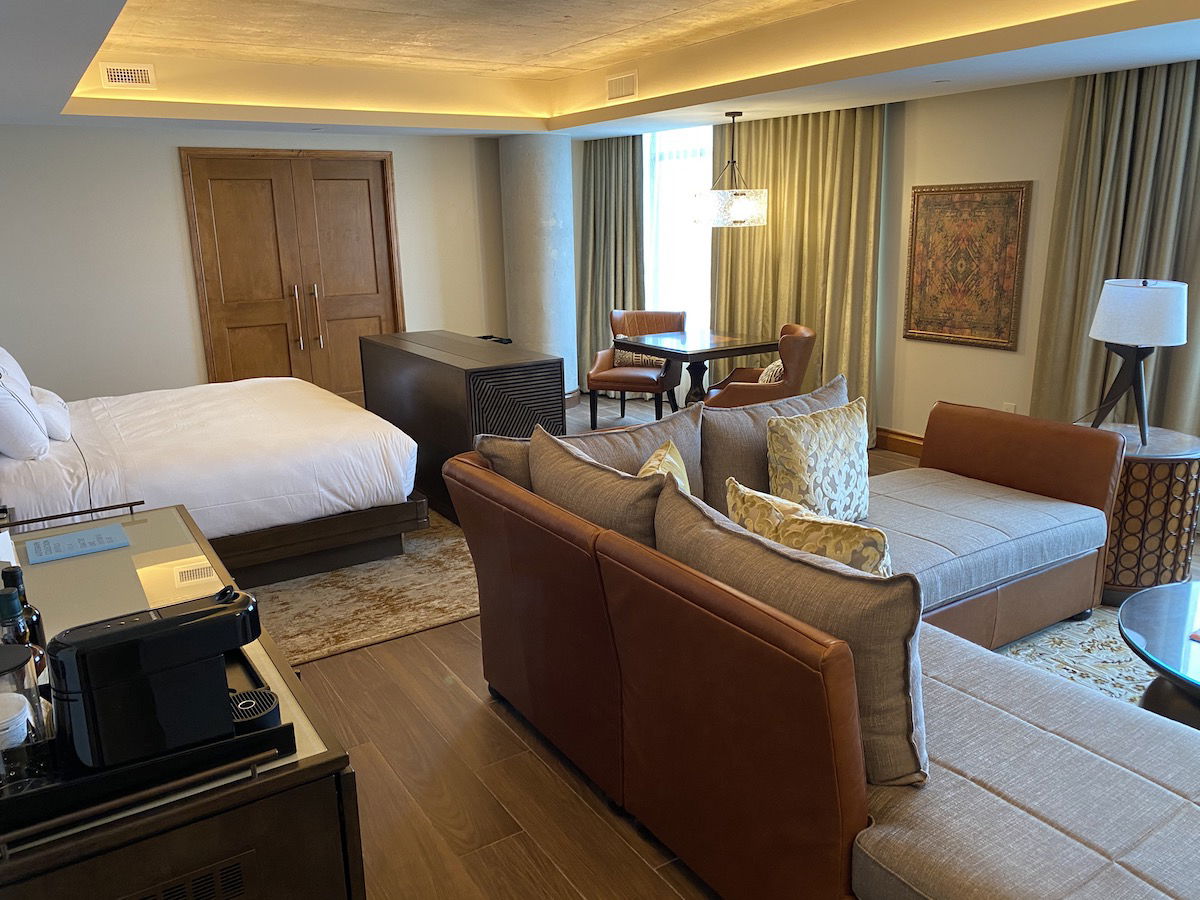
At the apex of hotel accommodation are the Presidential and Penthouse suites, representing the ultimate in luxury, space, and exclusivity.
- Grandeur: These are typically the largest and most opulent suites in a hotel, often occupying an entire floor or the highest levels of the building, providing breathtaking panoramic views of landmarks like the Eiffel Tower in Paris or the Burj Khalifa in Dubai.
- Features: They boast multiple bedrooms, expansive living and dining rooms, state-of-the-art kitchens (often with private chef services available), multiple luxurious bathrooms, private terraces or balconies, and sometimes even a private gym or cinema.
- Services: Guests of Presidential or Penthouse suites usually receive unparalleled personalized service, including a dedicated butler, private limousine transfers, and bespoke concierge services. These suites are frequently frequented by celebrities, dignitaries, and those seeking an unparalleled level of luxury and privacy, embodying the highest standard of luxury travel and lifestyle. Four Seasons Hotels and The Ritz-Carlton are renowned for their magnificent offerings in this category.
Why Choose a Hotel Suite? Benefits for Every Traveler
The decision to opt for a hotel suite over a standard room often comes down to weighing the enhanced experience against the typically higher cost. For many, the benefits far outweigh the investment, transforming a routine stay into a memorable part of their journey. A suite can significantly improve comfort, provide greater functionality, and cater to a wider range of travel needs, making it a compelling choice for various types of travelers.
Enhanced Comfort and Space
The most immediate and apparent benefit of a hotel suite is the sheer amount of space it offers. This translates directly into enhanced comfort and a sense of freedom that a standard room simply cannot provide.
- Room to Breathe: With separate living and sleeping areas, guests can truly unwind and relax without feeling confined. This is particularly valuable during longer stays where cabin fever can set in within a smaller space.
- Privacy and Serenity: The distinct areas allow for different activities to occur simultaneously without disturbance. One person can watch television or work in the living room while another sleeps peacefully in the bedroom. This separation is a blessing for couples with differing sleep schedules or parents traveling with children.
- Convenience for Families: Families benefit immensely from the extra space. Children have room to play, and parents can relax in the living area after the kids are asleep. The added space also accommodates extra luggage, strollers, and toys without cluttering the entire room.
- Luxury and Indulgence: Beyond practicality, the spaciousness of a suite contributes to an overall feeling of luxury and indulgence. It allows for more sophisticated décor, larger furniture, and a generally more upscale ambiance, aligning with a luxury lifestyle.
Ideal for Various Travel Needs
Hotel suites are incredibly versatile, making them suitable for a wide array of travel scenarios and preferences:
- Families: As mentioned, the separate rooms and often included kitchenettes make suites ideal for families. They provide the necessary space for privacy, play, and practicalities like preparing meals, which can be a lifesaver during family trips.
- Business Travelers: For professionals, a suite offers a dedicated workspace, allowing them to conduct business in a quiet, undisturbed environment. The separate living area can also serve as an informal meeting space for clients or colleagues, providing a professional setting without the need to book a separate meeting room. Access to executive lounges further enhances productivity and networking opportunities.
- Couples and Romantic Getaways: For those seeking a romantic escape, a suite adds an element of luxury and intimacy. The larger space, often with enhanced amenities like Jacuzzi tubs, plush seating, and beautiful views, creates a perfect backdrop for special occasions like honeymoons or anniversaries. Enjoying a private dinner in your suite can be far more intimate than a crowded restaurant.
- Luxury Seekers: Travelers who prioritize a premium experience will find suites meet their expectations for high-end finishes, exclusive services, and unparalleled comfort. Presidential and Penthouse suites, in particular, cater to a lifestyle of opulence and bespoke service, often in iconic destinations like Rome or Tokyo.
- Entertaining: If you plan to host guests or small gatherings during your stay, a suite provides the perfect venue. The spacious living and dining areas can comfortably accommodate visitors, making it a more gracious option than a cramped standard room.
Value Proposition: Is it Worth the Investment?
While suites undeniably come with a higher price tag than standard rooms, it’s essential to consider the overall value proposition. In many cases, the perceived extra cost can be offset by a multitude of benefits, making it a worthwhile investment.
- Cost-Effectiveness for Groups/Families: For families or groups traveling together, booking a two-bedroom suite can often be more economical and convenient than booking two separate standard rooms. It keeps everyone together, allows for shared common space, and often comes with amenities like kitchenettes that can save on dining out.
- Included Perks: Many suites include access to executive lounges, which often provide complimentary breakfast, evening snacks, drinks, and sometimes even light dinners. These perks can significantly reduce daily food and beverage expenses, adding substantial value.
- Enhanced Experience: Beyond monetary considerations, the intangible benefits of a suite – superior comfort, privacy, and functionality – contribute to a significantly improved travel experience. This can be invaluable for special occasions, crucial business trips, or simply when you need a higher level of relaxation and convenience.
- Long-Term Stays: For extended stays, the added space and apartment-like amenities of a suite (especially those with kitchen facilities) can greatly enhance comfort and reduce stress, making it feel more like a home away from home.
Ultimately, whether a suite is “worth it” depends on individual priorities, budget, and the specific nature of the trip. However, for those seeking more than just a place to sleep, a hotel suite offers a compelling package of comfort, convenience, and luxury.
Booking Your Perfect Suite: Tips and Considerations
Securing the ideal hotel suite for your trip involves more than just selecting the most expensive option. Strategic planning, thorough research, and an understanding of your specific needs can ensure you find a suite that perfectly aligns with your expectations and budget. The process combines elements of careful travel planning and smart accommodation choices.
Research and Comparison
The first step in booking any accommodation, especially a suite, is comprehensive research. The internet offers a wealth of resources to aid this process.
- Utilize Online Travel Agencies (OTAs): Platforms like Booking.com, Expedia, and Hotels.com allow you to filter results by room type, view photos, and compare prices across various hotels. These sites often provide detailed descriptions of suite categories.
- Check Hotel Official Websites: Always cross-reference information and prices with the hotel’s direct website. Often, hotels offer exclusive deals, loyalty program benefits, or more detailed room layouts and virtual tours that might not be available on third-party sites.
- Read Reviews: Customer reviews on sites like TripAdvisor or Google are invaluable. Pay close attention to comments specifically about suites – their actual size, condition, noise levels, and the quality of amenities. Look for photos posted by guests, which can offer a more realistic view than professional marketing shots.
- Look at Floor Plans and Photos: Many hotels provide floor plans for their suites, which can give you a clear understanding of the layout and spatial separation. High-quality photos and virtual tours are also crucial for visualizing the space and amenities.
Timing and Deals
When you book and how you approach pricing can significantly impact the cost and availability of a suite.
- Book in Advance: Suites, especially the more popular or premium ones, tend to sell out quickly, particularly during peak travel seasons or for popular landmarks or events. Booking well in advance often secures better rates and ensures your desired suite type is available.
- Look for Packages and Promotions: Hotels frequently offer special packages that include suite stays, sometimes bundling in perks like breakfast, spa credits, or resort activities. Keep an eye out for seasonal promotions or deals tied to specific events.
- Consider Off-Peak Seasons: Traveling during the shoulder or off-peak seasons can lead to significant savings on suites, as demand is lower. This strategy can make a luxury experience more accessible to budget-conscious travelers.
- Flexible Dates: If your travel dates are flexible, you might find better rates by adjusting your stay by a day or two, especially avoiding weekends or major holidays.
Specific Needs and Preferences
Before finalizing your booking, consider any specific requirements or preferences you might have.
- Accessibility: If you require an accessible suite, confirm that it meets your needs, including features like roll-in showers, grab bars, and sufficient space for mobility aids.
- Views: For many, a suite’s view is a major selling point. If a specific view (e.g., ocean, city skyline, mountain range, famous attractions) is important, explicitly request or book a suite category that guarantees it.
- Proximity to Amenities: Consider if you prefer a suite close to the hotel pool, spa, restaurant, or on a quieter floor away from elevators or street noise.
- Smoking vs. Non-Smoking: Always confirm the hotel’s policy and your preference regarding smoking in suites.
- Connecting Rooms: For larger families or groups, some suites offer the option of connecting to an adjacent standard room, providing even more space and flexibility. Inquire directly with the hotel about this option.
Loyalty Programs and Upgrades
Leveraging hotel loyalty programs can be a fantastic way to enhance your suite experience, often at no additional cost.
- Join Loyalty Programs: Enroll in loyalty programs of your preferred hotel chains (Marriott Bonvoy, Hilton Honors, World of Hyatt, etc.). Accumulating points and status can lead to valuable benefits.
- Status Benefits: Higher tiers of loyalty status often come with perks like complimentary room upgrades, late check-out, and access to executive lounges, making suites more accessible.
- Requesting Upgrades: Even without elite status, it never hurts to politely ask about upgrade availability upon check-in. Sometimes, if the hotel isn’t fully booked, they might offer a complimentary upgrade to a suite. Using loyalty points for an upgrade can also be a savvy way to experience a suite at a reduced cash cost.
- Credit Card Perks: Certain travel credit cards offer elite status with hotel chains or provide annual free night certificates that can sometimes be used towards or upgraded to a suite.
By following these tips, you can navigate the world of hotel suites effectively, ensuring your accommodation enhances your overall travel experience and contributes to a memorable journey, whether it’s for tourism, business, or a lavish lifestyle retreat.
In conclusion, a hotel suite is far more than just an oversized room; it’s a meticulously designed living space offering distinct areas for relaxation, work, and sleep, coupled with an array of elevated amenities. From the practical advantages for families and business travelers to the sheer indulgence sought by luxury enthusiasts, suites cater to a broad spectrum of needs and preferences. By understanding the different types of suites, their inherent benefits, and employing smart booking strategies, travelers can unlock an enhanced level of comfort, privacy, and service. Whether you’re seeking a serene escape, a productive workspace, or a lavish backdrop for a special occasion, opting for a hotel suite can transform your stay into an unforgettable part of your global adventures and provide a true home away from home, making your next journey truly exceptional.
LifeOutOfTheBox is a participant in the Amazon Services LLC Associates Program, an affiliate advertising program designed to provide a means for sites to earn advertising fees by advertising and linking to Amazon.com. Amazon, the Amazon logo, AmazonSupply, and the AmazonSupply logo are trademarks of Amazon.com, Inc. or its affiliates. As an Amazon Associate we earn affiliate commissions from qualifying purchases.