
Embarking on a journey, whether for a crucial business trip, a romantic getaway, or an adventurous exploration of new destinations, always involves a myriad of details. Among these, perhaps one of the most fundamental yet frequently misunderstood aspects of any hotel stay is the ubiquitous check-in time. Far from being a mere timestamp, it is a critical logistical element that can significantly impact your travel plans, influence your itinerary, and set the tone for your entire accommodation experience. Understanding the nuances of hotel check-in times, from the standard industry norms to the flexibility (or lack thereof) offered by various hotel types and loyalty programs, is essential for any savvy traveler looking to ensure a smooth and stress-free start to their adventure. This comprehensive guide will delve into the operational rationale behind these times, offer strategies for navigating early or late arrivals, and provide invaluable tips for making your check-in process as seamless as possible.
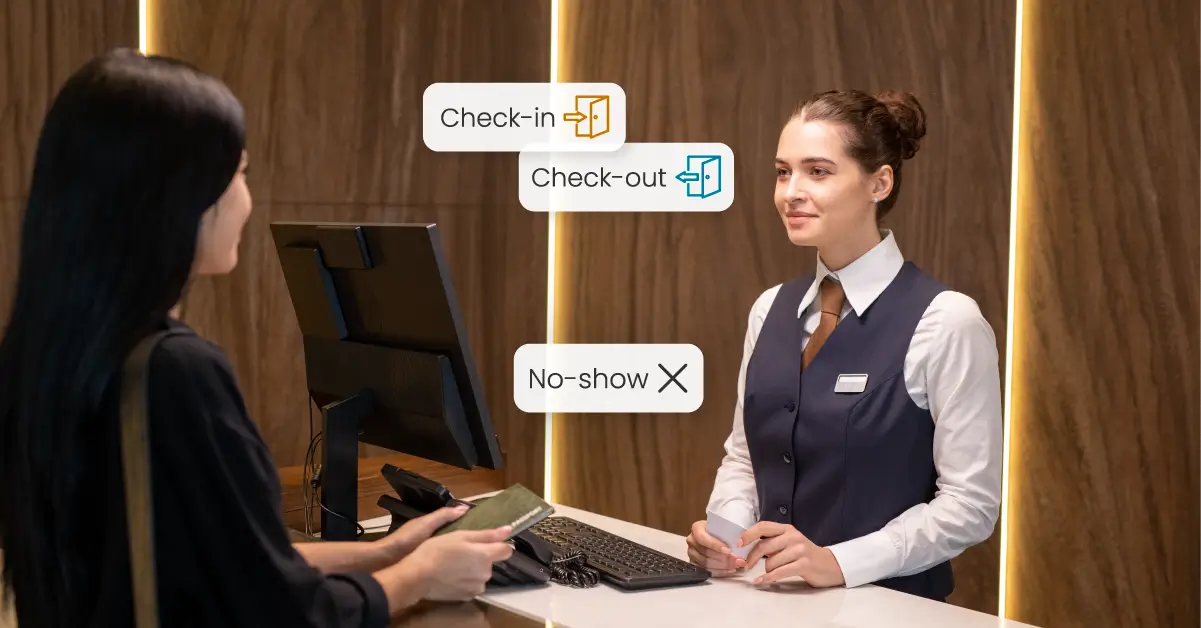
The Standard Check-In Time: Unpacking the Industry Norm
For most hotels, a standard check-in time typically falls between 3:00 PM and 4:00 PM. This timing isn’t arbitrary; it’s a carefully calculated window designed to optimize hotel operations and ensure every guest room meets the highest standards of cleanliness and readiness. Grasping the reasons behind this industry norm is key to appreciating the intricacies of hotel management and why immediate early check-in isn’t always feasible.
Why the Standard Time? The Operational Rationale
The period between a guest’s check-out and the next guest’s check-in is a hive of activity for hotel staff. Most hotels implement a check-out time between 11:00 AM and 12:00 PM. This allows a critical window, often 3-4 hours, for the following essential tasks:
- Housekeeping Turnover: This is the primary reason for the gap. Every room, from the most compact hotel room to sprawling suites in a luxury resort, must be meticulously cleaned, sanitized, and restocked. This includes changing linens, vacuuming, cleaning bathrooms, replenishing amenities, and performing deep cleaning as needed. The sheer volume of rooms in a large hotel means this process takes considerable time and coordination.
- Maintenance Checks: Before a new guest arrives, rooms are often inspected for any minor maintenance issues, ensuring everything from light bulbs to air conditioning units is in perfect working order.
- Administrative Processing: The front desk staff needs time to process check-outs, update room statuses in their system, assign new arrivals to appropriate rooms, and prepare keys or digital access.
- Staffing Logistics: This window allows for efficient scheduling of housekeeping and front desk teams, ensuring adequate staff are available for both departures and arrivals without overwhelming any single shift.
Consider a busy resort in a popular tourism destination like Santorini during peak season; the coordinated effort required to turn over hundreds of rooms within a few hours is monumental. This operational dance ensures that every guest, regardless of whether they are on a luxury travel excursion or a budget travel trip, walks into a pristine and fully prepared space.
Variations Across Hotel Types and Locations
While 3 PM or 4 PM is a common benchmark, check-in times can vary significantly based on the type of accommodation and its geographical location.
- Boutique Hotels vs. Large Chains: Smaller, independent boutique hotels or guest houses might offer slightly more flexibility, especially if they have fewer rooms to manage. Conversely, large chain hotels like a Grand Hyatt Hotel (though not used in this article, it’s an example from prompt) or a major Hilton property often adhere strictly to their published times due to their scale and standardized procedures.
- Apartment Rentals and Villas: Accommodation options like private apartment rentals or villas, particularly those managed by individual owners rather than a full-service hotel, might have very specific, sometimes later, check-in windows due to the absence of 24/7 reception services. Often, these rely on self-check-in through key codes or lockboxes, requiring clear communication in advance.
- International Differences: Travel to different continents can reveal varied practices. In parts of Europe, especially smaller, family-run establishments, check-in might be a bit earlier or more flexible, while in some Asian countries, strict adherence to 3 PM or 4 PM is common, particularly in bustling urban centers like Tokyo or Beijing.
- Resorts and All-Inclusive Properties: All-inclusive resorts often have standard check-in times that align with their activity schedules, aiming to integrate new guests into their offerings seamlessly.
Understanding these variations is crucial for travel planning, especially when your itinerary involves exploring local culture or famous landmarks shortly after arrival. Arriving in Paris with plans to visit the Louvre Museum immediately, only to find your hotel room isn’t ready until 4 PM, requires foresight.
Navigating Early Check-In: Strategies for an Earlier Arrival
Despite the standard check-in times, travelers often find themselves arriving at their destination well before their room is officially available. This could be due to early morning flights, connecting flights from distant hubs like Dubai, or simply wanting to make the most of their first day. While early check-in is rarely guaranteed, there are effective strategies to maximize your chances of getting into your room sooner.
Understanding the Policies
Most hotels state that early check-in is “subject to availability.” This phrase is paramount. It means that if the hotel had a full house the night before, and all rooms are being turned over, securing an early check-in will be difficult, if not impossible. Key considerations include:
- Not Guaranteed: Never assume early check-in will be granted. It’s a courtesy, not a right.
- Hotel Discretion: The decision often rests with the front desk manager based on real-time occupancy and housekeeping status.
- Checking Your Booking: Always review your booking confirmation or the hotel’s official website for their specific early check-in policy. Some might outline fees or specific procedures.
How to Request Early Check-In
Proactive communication is your best ally here:
- Contact the Hotel Directly in Advance: A day or two before your arrival, call or email the hotel. Politely inform them of your estimated arrival time and inquire about the possibility of an early check-in. Explaining your situation (e.g., “We’re arriving on an overnight flight from London Heathrow Airport and would greatly appreciate an early room if possible”) can sometimes help.
- Mention Special Circumstances: If you’re traveling for a specific event (e.g., a wedding, a business meeting) that requires you to be ready earlier, highlight this. While it doesn’t guarantee anything, it might encourage staff to prioritize your room if they can.
- Inquire Upon Arrival: Even if you’ve called ahead, politely re-state your request at the front desk when you arrive. They will have the most up-to-date information on room availability.
The Cost of Convenience: Early Check-In Fees
Some hotels, particularly those in high-demand areas or luxury segments, may offer early check-in for an additional fee. This could be:
- A Flat Fee: A set charge for early access to the room.
- Half-Day Rate: Charging 50% of the daily room rate for checking in several hours early.
While it’s an added expense, for some, the convenience of a guaranteed room for a power nap or to freshen up after a long journey is well worth the cost. Always ask about potential fees when making your request.
Alternatives When Early Check-In Isn’t Possible
Even with the best planning, an early check-in might not materialize. Don’t let this derail your day. Hotels typically offer excellent solutions:
- Complimentary Luggage Storage: Nearly all hotels, from budget-friendly Motel 6 to opulent Four Seasons Hotel properties, offer secure luggage storage. Drop off your bags and explore unburdened.
- Utilize Hotel Amenities: While waiting for your room, you can often use the hotel’s common areas, such as the lobby lounge, fitness center, pool, or restaurant. This is particularly appealing at all-inclusive resorts or a Ritz-Carlton where amenities are a significant part of the experience.
- Explore the Local Area: With your luggage stored, seize the opportunity to immediately dive into the local tourism scene. If you’re in New York City, head to Times Square; in Sydney, stroll towards the Sydney Opera House. This can be a fantastic way to kickstart your travel experience.
- Pre-Book an Extra Night: For guaranteed early access, especially after a red-eye flight, booking the night before your actual arrival ensures your room is ready when you are. This is the most expensive option but offers complete peace of mind.
Managing Late Check-In: Ensuring a Seamless Arrival
Just as early arrivals pose a logistical challenge, so too can extremely late check-ins. Whether due to delayed flights, long drives, or simply arriving in the wee hours, it’s crucial to communicate your late arrival to avoid potential complications, including the dreaded “no-show” cancellation.
Communicating Your Arrival Time
- Crucial for Late Arrivals: If you anticipate arriving after the typical reception hours (e.g., after midnight, or if it’s a smaller establishment without 24/7 staff, after 6 PM), you must inform the hotel. This is especially important for boutique villas or smaller guest houses.
- Preventing Cancellation: Many hotels have a “no-show” policy. If you haven’t checked in or communicated your late arrival by a certain time (often midnight of the arrival day), they may consider you a no-show and cancel your reservation, potentially charging you for the first night. This is a common booking pitfall.
- Ensuring Staff Availability: For smaller properties, informing them ensures someone is available to check you in and provide access to your room.
Self-Check-In and Keyless Entry Systems
The rise of technology has greatly streamlined late check-ins, particularly in modern hotels and apartment rentals:
- Mobile Apps: Many major hotel brands, such as those leveraging the Hilton Honors App or Marriott Bonvoy App, allow guests to check in digitally via their smartphones. This often includes receiving a digital key or room number directly to your device, bypassing the front desk entirely.
- Key Codes/Lockboxes: For smaller properties or vacation rentals, you might receive an email or SMS with a key code for a door or a lockbox containing your physical key. Ensure you have these details readily accessible before your arrival.
The Impact of Late Check-In on Travel Plans
While convenient, arriving very late can cut into your initial plans and experiences:
- Reduced Exploration Time: If you arrive at 1 AM in Rome, your plans to quickly see the Colosseum upon arrival are clearly out of the question. You lose valuable time that could be spent exploring local culture or famous landmarks.
- Restaurant and Services Closures: Late arrivals mean most restaurants, shops, and local services will be closed, limiting your immediate options for food or necessities.
- Public Transport: Depending on the city, public transport might be limited or nonexistent in the late hours, necessitating more expensive taxi or ride-share services.
Considering these factors when booking flights, especially those landing late at night, is vital for a holistic travel experience.
Factors Influencing Check-In Flexibility and Your Experience
The flexibility you encounter with hotel check-in times isn’t uniform. Several elements play a significant role in determining how accommodating a hotel can be. These factors tie directly into the broader themes of accommodation management, travel lifestyle, and the economics of the hospitality industry.
Hotel Type and Classification
- Luxury vs. Budget: High-end establishments like a Four Seasons Hotel or a Ritz-Carlton often prioritize personalized service and guest satisfaction, sometimes offering more leeway with check-in/check-out for all guests, not just elite members. Budget hotels such as a Travelodge or Motel 6, on the other hand, operate on tighter margins and often have stricter policies due to limited staffing and resources.
- Extended-Stay Properties: Hotels catering to longer stays, like a Staybridge Suites, might be inherently more flexible, understanding that guests might have varied schedules.
- Specialty Accommodations: All-inclusive resorts or boutique hotels might have unique operational rhythms that dictate their check-in flexibility.
Location and Seasonality
- High-Demand Periods: During major events, festivals, or peak tourist seasons, hotels are often fully booked and have little to no flexibility. Trying to get an early check-in during Oktoberfest in Munich or Miami Art Basel will be significantly harder than during the off-season.
- Popular Tourist Destinations: Cities like Barcelona in summer or Aspen in winter, which are constantly bustling with visitors, mean hotels operate at near-capacity, making early check-ins a rare commodity.
- Proximity to Landmarks: Hotels located near major landmarks or attractions, such as those within walking distance of the Great Wall of China or the Colosseum, experience consistently high demand, limiting their ability to offer flexibility.
Your Loyalty Program Status
This is perhaps one of the most significant differentiators for frequent travelers. Hotels highly value their loyal customers:
- Elite Status Perks: Members with elite status (e.g., Marriott Titanium, Hilton Diamond, or similar tiers in other programs) often receive guaranteed or preferred early check-in and late check-out as part of their benefits. This perk can be invaluable for business stays and frequent leisure travel alike.
- Prioritization: Even if not guaranteed, elite members are usually prioritized for early access if a room becomes available.
Booking Channels and Special Requests
- Direct Bookings vs. OTAs: Booking directly with the hotel (via their website or phone) can sometimes give you more leverage for special requests, including early check-in, compared to bookings made through Online Travel Agencies (OTAs) like Booking.com or Expedia. Direct bookings often allow for more direct communication and a stronger relationship with the hotel.
- Special Requests During Booking: While not a guarantee, noting “early arrival requested” or mentioning a special occasion (e.g., honeymoon) during the booking process can sometimes flag your reservation for extra attention.
Tips for a Seamless Check-In Experience
A smooth check-in process sets the stage for a positive overall accommodation experience. By being prepared and proactive, you can minimize stress and maximize your enjoyment from the moment you arrive.
Pre-Arrival Communication is Key
- Confirm Your Booking: A week before your trip, double-check your booking details and confirm with the hotel, especially if you booked far in advance or through a third-party site.
- Inform of Estimated Arrival: As discussed, if your arrival deviates significantly from the standard check-in time, notify the hotel. Provide an approximate time so they can plan accordingly.
- Inquire About Options: Ask specifically about early check-in availability or, failing that, inquire about luggage storage and access to amenities before your room is ready.
Have Your Documents Ready
When you approach the front desk, having your essentials immediately accessible will speed up the process:
- Photo ID: A passport or driver’s license for verification.
- Credit Card: For payment of the room, any incidentals, or a security deposit.
- Booking Confirmation: A printout or digital copy of your reservation details, including the confirmation number.
Leverage Digital Check-In
Embrace technology where available:
- Utilize Mobile Apps: Download the hotel’s app if you’re staying with a major chain. Pre-check-in, select your room, and sometimes even use your phone as a key. This saves time and avoids queues.
- Online Check-In: Some hotels offer online check-in via their website, which can significantly expedite your process upon arrival.
What to Do If Your Room Isn’t Ready
Even with the best planning, there are times when your room just isn’t ready. Maintain a polite and understanding demeanor:
- Politely Inquire: Ask the front desk for an estimated wait time. Sometimes, they can offer a complimentary drink or access to an executive lounge while you wait.
- Utilize Amenities: Head to the hotel bar, cafe, or pool. Many hotels, especially luxury hotels or resorts, have inviting common areas.
- Store Luggage and Explore: As mentioned, use the luggage storage and step out to explore the immediate surroundings. A walk around Hyde Park if you’re in London or visiting a nearby local market can turn a waiting period into an enjoyable extension of your trip.
- Consider an Upgrade: If you’re flexible and a different room category is immediately available, you might consider asking if an upgrade is an option, even if it comes with an additional cost.
Understanding Your Rights and the Hotel’s Policy
Always be aware of the terms and conditions of your booking. While hotels generally strive for guest satisfaction, their policies regarding check-in and check-out exist for legitimate operational reasons. Knowing what to expect, and communicating your needs clearly, will foster a positive relationship with your accommodation provider.

Conclusion
The seemingly simple question, “What is check in time at a hotel?”, unravels into a complex interplay of operational logistics, guest expectations, and personalized service. It’s more than just a timestamp; it’s a critical component of travel planning that impacts your overall journey, from a luxurious escape to a budget family vacation. By understanding the standard industry norms, proactively communicating your needs, leveraging available technologies like digital check-in, and knowing your options for early or late arrivals, you empower yourself to navigate this fundamental aspect of accommodation with ease. A well-planned and smoothly executed check-in truly sets the stage for a memorable and stress-free stay, allowing you to fully immerse yourself in the destination, its attractions, and the unique lifestyle experiences that await.
LifeOutOfTheBox is a participant in the Amazon Services LLC Associates Program, an affiliate advertising program designed to provide a means for sites to earn advertising fees by advertising and linking to Amazon.com. Amazon, the Amazon logo, AmazonSupply, and the AmazonSupply logo are trademarks of Amazon.com, Inc. or its affiliates. As an Amazon Associate we earn affiliate commissions from qualifying purchases.