
Navigating the legal landscape of cannabis in the United States can often feel like wading through murky waters, and the Sunshine State of Florida is no exception. For residents and the millions of tourists who flock to its pristine beaches and world-class attractions each year, understanding the nuances of Florida’s cannabis laws is crucial. Whether you’re planning a family trip to Walt Disney World Resort in Orlando, a vibrant city break in Miami, or a tranquil escape to the Florida Keys, knowing the legal status of marijuana is paramount to ensuring a smooth and enjoyable travel experience.
The short answer to “Is weed illegal in Florida?” is multifaceted, depending heavily on the type of cannabis product, its THC content, and whether it’s for medical or recreational use. While recreational marijuana remains illegal, Florida has a robust medical cannabis program and, like other states, has seen the emergence of hemp-derived products like Delta-8 THC gain popularity due to federal legislation. This guide aims to demystify these laws, providing a clear overview for anyone traveling to or residing in Florida, ensuring their lifestyle choices align with state regulations.

The Complex Legal Landscape: Federal vs. State Stance
The conversation surrounding cannabis legality in the United States is inherently complex due to the ongoing conflict between federal and state laws. This duality creates a unique environment that travelers and residents alike must comprehend to avoid legal complications, especially in a popular tourism destination like Florida.
Federal Stance on Cannabis
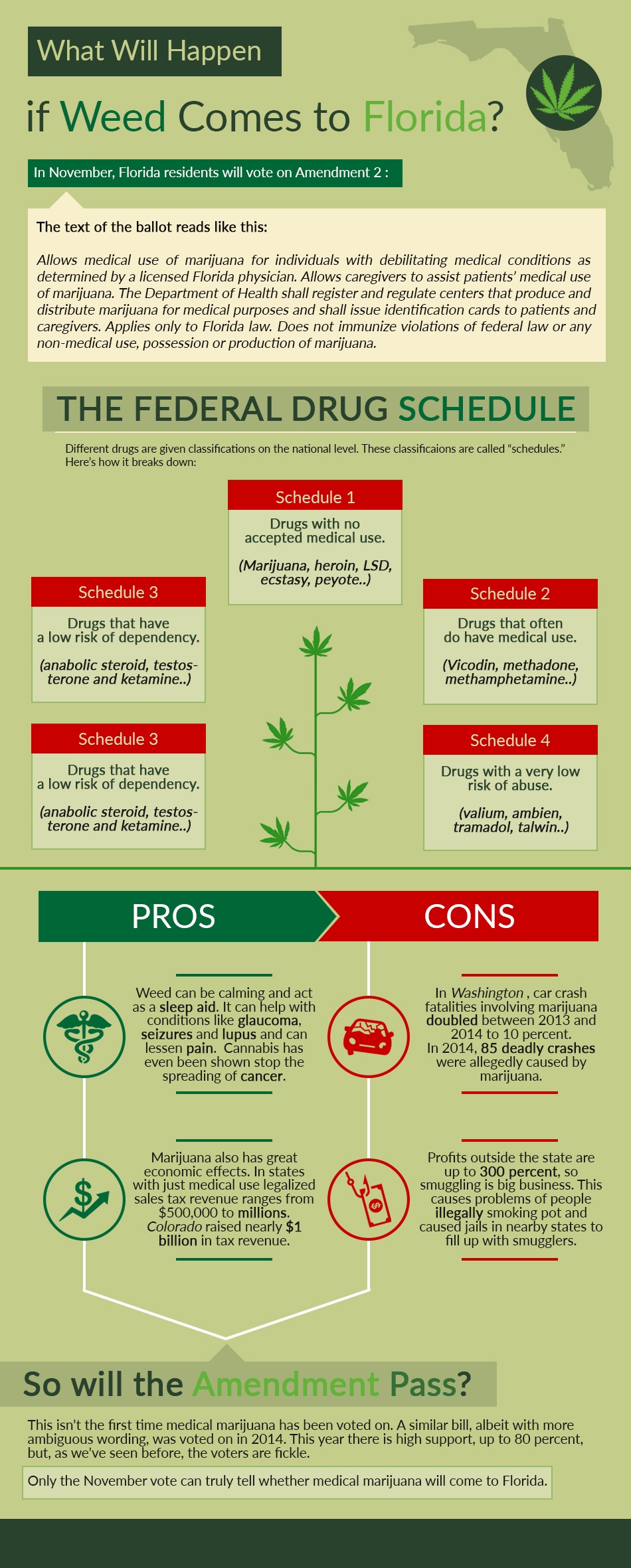
At the federal level, cannabis remains classified as a Schedule I controlled substance under the Controlled Substances Act, a designation shared with substances like heroin and LSD. This classification, enforced by agencies such as the Drug Enforcement Administration (DEA), signifies that the federal government views marijuana as having a high potential for abuse and no accepted medical use. Despite the growing number of states that have legalized cannabis for medical or recreational purposes, this federal prohibition means that interstate travel with cannabis, even between two legal states, is technically illegal. This is particularly relevant for those flying into Florida via Miami International Airport or Orlando International Airport, as airport security, while sometimes prioritizing other issues, is still bound by federal regulations.
The one significant federal shift came with the Farm Bill of 2018, which federally legalized industrial hemp, defined as cannabis plants containing less than 0.3% Delta-9 THC on a dry weight basis. This legislation inadvertently paved the way for the proliferation of hemp-derived cannabinoids, including CBD and Delta-8 THC, which have become widely available across the United States, including Florida. Understanding this distinction is crucial, as it creates a grey area many consumers are now navigating.
Florida’s Approach to Cannabis Legality
Florida’s journey with cannabis reform began in earnest in 2016 with the passage of the Florida Medical Marijuana Legalization Initiative, also known as Amendment 2. This landmark decision allowed for the legal use of medical marijuana by qualified patients with specific debilitating conditions. Since then, the state has established a comprehensive framework for patient registration, physician recommendations, and the operation of Medical Marijuana Treatment Centers (MMTCs), often referred to as dispensaries.
However, recreational cannabis is a different story. Unlike some other states, Florida has not yet legalized recreational marijuana. Possession, sale, and cultivation of cannabis for non-medical purposes remain illegal and can lead to significant penalties, ranging from misdemeanors to felonies, depending on the amount involved. This dichotomy means that while you might see advertisements for hemp-derived products, traditional marijuana is still strictly controlled. For visitors exploring Florida’s diverse cities like Tampa, Jacksonville, or St. Petersburg, adhering to these state-specific laws is vital for a hassle-free accommodation and travel experience.
Medical Marijuana in the Sunshine State: A Guide for Patients
Florida’s medical marijuana program is one of the most comprehensive in the United States, providing access to cannabis for patients suffering from a range of qualifying conditions. For those who meet the criteria, the program offers a pathway to legal cannabis use, which can significantly impact their quality of life and ability to enjoy all that Florida has to offer, from serene beaches to vibrant urban centers.
Eligibility and the Medical Marijuana Card
To qualify for a medical marijuana card in Florida, a patient must first be diagnosed with a qualifying medical condition by a state-licensed physician who has completed a specific medical marijuana education course. Qualifying conditions include, but are not limited to, cancer, epilepsy, glaucoma, HIV/AIDS, PTSD, ALS, Crohn’s disease, Parkinson’s disease, multiple sclerosis, and chronic nonmalignant pain. The physician must determine that the medical use of cannabis would likely outweigh any potential risks.
Once a physician recommends cannabis as a treatment option, the patient must register with the Florida Department of Health‘s Office of Medical Marijuana Use (OMMU). This involves submitting an application, providing proof of residency (a significant point for part-time residents or snowbirds), and paying a fee. Upon approval, patients receive a medical marijuana use registry card, which is their official authorization to purchase and possess medical cannabis. It is crucial to carry this card at all times when in possession of medical marijuana. While the program is robust, Florida does not currently have reciprocity with other states’ medical marijuana programs, meaning out-of-state medical cards are not recognized. This is an important consideration for visitors who rely on medical cannabis in their home states.
Where to Access Medical Cannabis (Dispensaries)
Medical marijuana in Florida is dispensed through licensed Medical Marijuana Treatment Centers (MMTCs), which are often referred to as dispensaries. These facilities are regulated by the state and are the only legal source for purchasing medical cannabis products. MMTCs offer a variety of product forms, including flower, oils, tinctures, edibles, and topical creams, ensuring patients can find a method of consumption suitable for their needs and lifestyle.
MMTCs can be found in many major cities across Florida, including Miami, Orlando, Tampa, Fort Lauderdale, St. Petersburg, Sarasota, and Jacksonville. These centers operate under strict guidelines regarding product testing, labeling, and patient verification. Patients must present their medical marijuana card and a valid photo ID to make a purchase. Many dispensaries also offer online ordering and delivery services, adding convenience for patients who may have mobility issues or prefer discreet access.
Guidelines for Patients and Caregivers
Patients and their designated caregivers (who must also be registered with the OMMU) must adhere to specific guidelines regarding the possession and use of medical cannabis. While the card permits possession, there are limits on the amount that can be purchased and held at any given time. Smoking medical marijuana flower was initially prohibited but later legalized, though public consumption of cannabis in any form remains generally illegal.
Crucially, using medical marijuana in public places, on federal property (such as Everglades National Park or federal airports), or in places of employment is typically forbidden. Even within the privacy of your chosen accommodation, such as a hotel, resort, or rental property, there may be specific property rules against smoking or using cannabis. It is always advisable for travelers to check with their hotel or accommodation provider regarding their policies before use. Non-compliance could lead to fines, eviction, or other legal consequences, potentially disrupting an otherwise perfect Florida vacation.
Recreational Cannabis: A Current Overview and Future Prospects
While medical cannabis has found a legal home in Florida, the recreational use of marijuana remains largely prohibited. This distinction is critical for both residents and the millions of tourists visiting Florida’s famous landmarks and attractions. Understanding the current legal status and potential future changes is essential for responsible travel and lifestyle choices.
Penalties for Unlicensed Possession
For individuals caught with marijuana without a valid medical marijuana card in Florida, the legal consequences can be significant. Possession of 20 grams or less is a misdemeanor, punishable by up to one year in jail and a $1,000 fine. While some local jurisdictions, like Key West, have implemented civil citations for small amounts, the state law remains firmly against recreational use. Possession of more than 20 grams can escalate to felony charges, carrying harsher penalties, including several years in prison and substantial fines.
These penalties extend beyond simple possession to cultivation, distribution, and sale, which carry even more severe consequences. For tourists, being arrested for cannabis possession can derail a vacation, lead to expensive legal battles, and potentially impact future international travel. Therefore, strict adherence to Florida’s laws is paramount for anyone not holding a medical marijuana card.
The Rise of Hemp-Derived Cannabinoids (e.g., Delta-8 THC)
The Farm Bill of 2018 fundamentally changed the landscape for hemp and its derivatives. By federally legalizing hemp with less than 0.3% Delta-9 THC, it opened the door for a boom in products containing other cannabinoids derived from hemp, such as CBD, CBN, CBG, and most notably, Delta-8 THC. In Florida, these hemp-derived products are widely available in smoke shops, convenience stores, and specialty retailers, as long as they meet the strict Delta-9 THC threshold.
Delta-8 THC offers a psychoactive effect, albeit typically milder than traditional Delta-9 THC. Its legal status is based on the argument that it is derived from federally legal hemp and contains less than 0.3% Delta-9 THC, despite being psychoactive. However, the legal landscape for Delta-8 and similar cannabinoids is still evolving, with some states moving to regulate or ban them. For now, in Florida, these products remain legal to purchase and consume for adults. Nevertheless, consumers should exercise caution, ensure products are from reputable sources with third-party lab testing, and be aware that even these products can cause impairment. The legality of public consumption of these products still largely aligns with local ordinances against public intoxication or smoking, regardless of the source of impairment.

Potential for Recreational Legalization
The debate over recreational cannabis legalization in Florida is ongoing and gaining momentum. Several initiatives have attempted to get recreational legalization on the ballot, with proponents highlighting potential tax revenues, job creation, and personal liberty. Opponents often cite public health and safety concerns. The Florida Legislature has consistently resisted efforts to legalize recreational use, but public opinion polls often show significant support for such measures.
As of early 2024, there are active efforts to place a recreational legalization amendment on the 2024 ballot. If approved by voters, this could dramatically change the state’s cannabis laws, potentially opening up a new market for adult-use cannabis and further impacting tourism and the overall lifestyle in Florida. For now, however, it remains illegal, and travelers should not assume that future changes are current reality. Staying informed about these developments is important for anyone considering a long-term stay or frequent visits to Florida.
Implications for Tourists and Travelers
Florida is a premier travel destination, attracting millions annually to its theme parks, stunning beaches, and vibrant cultural scenes. For these visitors, understanding Florida’s cannabis laws is not just about legal compliance but also about ensuring a smooth, enjoyable, and uninterrupted vacation. Navigating these rules responsibly is a key aspect of modern tourism and lifestyle choices.
Navigating Cannabis Laws as a Visitor
As previously emphasized, recreational marijuana is illegal in Florida. This means visitors from states where recreational cannabis is legal cannot legally purchase or consume it in Florida without a valid Florida medical marijuana card. Attempting to bring cannabis from another state, even if legal there, across state lines or through federal checkpoints like airports (e.g., Pensacola, Tallahassee) is a federal offense, carrying severe penalties.
For visitors with medical marijuana cards from other states, it’s crucial to remember that Florida does not have reciprocity. Your out-of-state card will not allow you to legally purchase or possess medical cannabis in Florida. The only exception for visitors is if they can establish seasonal residency and meet all the state’s requirements for obtaining a Florida medical marijuana card, which is a process too lengthy for a typical vacation.
Regarding hemp-derived products like Delta-8 THC, while they are legal to purchase and consume for adults in Florida, discretion is advised. Public consumption of any intoxicating substance can lead to issues, and federal properties strictly prohibit all cannabis forms, including hemp derivatives that might be confused with illegal substances.
Preparing for a Florida Vacation
To avoid any legal pitfalls during your Florida vacation, here are some key tips:
- Do Not Bring Cannabis to Florida: This includes both medical and recreational cannabis, even if legal in your home state. Federal laws apply at airports and state borders.
- Understand Local Laws: While the state law prohibits recreational cannabis, some cities like Miami Beach have different civil citation policies for small amounts, but this is not statewide and still carries penalties. Always assume state law prevails.
- Hemp-Derived Products: If you choose to use legal hemp-derived products (like Delta-8 THC), purchase them from reputable vendors within Florida and consume them discreetly, preferably in private accommodation where permitted. Always verify lab results for product purity and potency.
- Accommodation Policies: Before booking a hotel, resort, or Airbnb in destinations like Orlando or Naples, inquire about their specific policies regarding smoking or vaping, especially for cannabis products. Many properties have strict no-smoking policies, regardless of the legality of the substance.
- Stay Informed: Laws can change. Before your trip, quickly review the current status of cannabis laws in Florida through official state government websites.
- Focus on the Legal Enjoyment of Florida: Florida offers an incredible array of legal experiences – from the thrilling rides of theme parks to the serene beauty of its natural springs and the vibrant nightlife of its cities. Embrace these lawful pleasures to ensure a memorable and stress-free trip.
In conclusion, while medical marijuana is legal for qualified patients in Florida and certain hemp-derived cannabinoids are available, recreational cannabis remains prohibited. For visitors and residents alike, a clear understanding of these laws is essential for responsible travel, enjoyable tourism, and a secure lifestyle in the Sunshine State. By adhering to the regulations, you can ensure your Florida adventure is filled with joy, not legal worries.
LifeOutOfTheBox is a participant in the Amazon Services LLC Associates Program, an affiliate advertising program designed to provide a means for sites to earn advertising fees by advertising and linking to Amazon.com. Amazon, the Amazon logo, AmazonSupply, and the AmazonSupply logo are trademarks of Amazon.com, Inc. or its affiliates. As an Amazon Associate we earn affiliate commissions from qualifying purchases.