
Embarking on an independent journey, whether for a spontaneous weekend getaway, a much-anticipated college tour, or a crucial business trip, is a rite of passage for many young adults. The freedom that comes with turning 18 often includes the legal capacity to enter into contracts, vote, and even purchase certain goods previously restricted. However, for aspiring travelers under the age of 21, securing accommodation at a hotel can present an unexpected hurdle, leaving many to wonder: “What states can you get a hotel at 18?”
While 18 is recognized as the age of majority in most United States states, granting adults the right to enter into binding legal agreements, the hospitality industry often sets its own, higher minimum age requirements. This discrepancy creates a complex landscape for young adults navigating the world of travel and accommodation. This comprehensive guide will delve into the legal nuances, highlight states where 18-year-olds are generally able to book a hotel room, and offer practical advice for a smooth and successful travel experience.

Understanding the Legal Landscape: State vs. Hotel Policies
The primary source of confusion for young travelers stems from the difference between state law and individual hotel policy. While state laws establish the fundamental legal framework for contracts, hotels, as private businesses, retain the right to set their own terms and conditions, provided they do not discriminate illegally.
The Age of Majority and Contractual Capacity
In the vast majority of United States states, the “age of majority” is 18. This legal designation signifies that an individual is considered an adult and possesses the legal capacity to enter into contracts. A hotel reservation, at its core, is a contractual agreement between the guest and the establishment. The guest agrees to pay for the room and abide by hotel rules, and the hotel agrees to provide the room and services.
Logically, if an 18-year-old can enter into a contract, they should be able to book a hotel room. However, many hotels impose a higher minimum age, commonly 21 or even 25, citing various reasons such as liability concerns, the potential for damage to property, or the desire to maintain a certain atmosphere, particularly in properties with bars or nightclubs. They worry about the enforceability of contracts with minors (though 18-year-olds are not minors in a contractual sense) and the perceived higher risk associated with younger guests, especially related to parties, noise complaints, or property damage.
The Nuance of Hotel Liability and Risk Mitigation
Hotels often justify their higher age policies by pointing to potential risks. For instance, if an 18-year-old damages a room, the hotel might perceive a greater challenge in recovering costs compared to an older guest with more established credit. Furthermore, properties that serve alcohol might extend their booking age to align with the legal drinking age of 21, simplifying their internal policies and reducing the risk of underage drinking on their premises.
It’s also important to note that state laws regarding the age of majority primarily deal with general contractual capacity. They typically do not specifically mandate that hotels must rent rooms to 18-year-olds. As long as the hotel’s age policy is applied uniformly and doesn’t violate anti-discrimination laws (e.g., based on race, religion, gender), it is generally considered legal. Therefore, while an 18-year-old legally can enter a contract, hotels are not legally obligated to offer that contract to them if their policy dictates otherwise.
States Where 18-Year-Olds Can Typically Book a Hotel
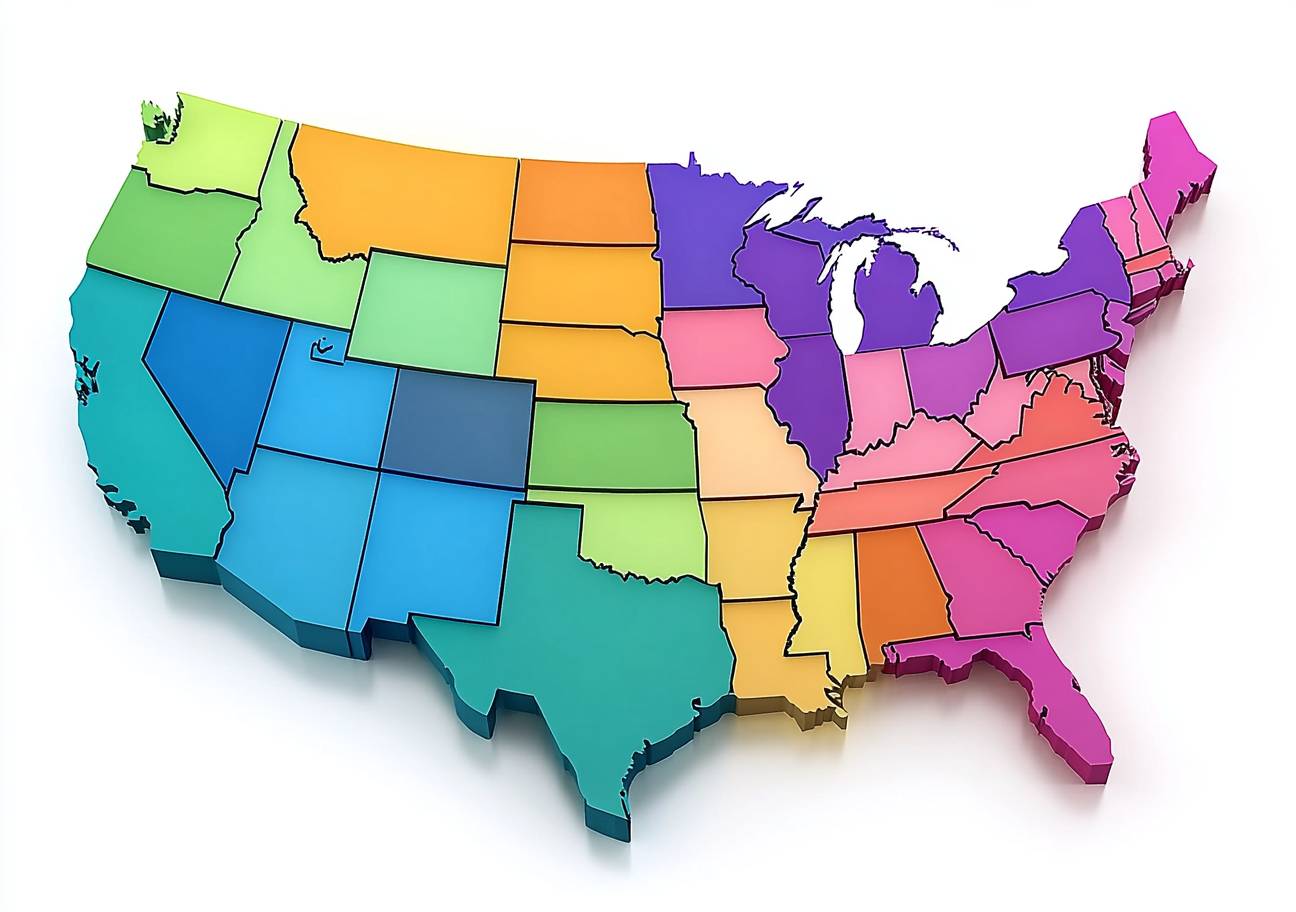
Despite the common 21+ policy, there are several states where 18-year-olds are generally able to book a hotel room. These states either have explicit laws that prevent hotels from discriminating solely based on age (once an individual reaches the age of majority), or the prevailing hotel culture and policies within these states are more accommodating. It’s crucial to remember that even within these states, individual hotel properties can still enforce their own rules, so calling ahead is always recommended.
States with Generally More Lenient Policies
Several states are known for being more accommodating to 18-year-old travelers. These include:
- Alabama: Many hotels in Alabama, particularly in cities like Birmingham or Huntsville, will rent to 18-year-olds, especially smaller, independently owned establishments or budget-friendly chains.
- Delaware: With the age of majority set at 18, Delaware generally follows this for contractual agreements, including hotel stays.
- Florida: While some resorts in popular tourist hubs like Miami or Orlando might have higher age limits, many hotels, especially those catering to family tourism or budget travelers, will accept 18-year-olds. This is a significant advantage for those looking to visit attractions like Walt Disney World or Universal Studios.
- Georgia: Georgia is generally welcoming to 18-year-olds for hotel bookings, with many options available in cities like Atlanta and Savannah.
- Idaho: Hotels in Idaho, including in Boise, typically adhere to the age of majority for bookings.
- Iowa: In Iowa, 18-year-olds can generally find hotels, particularly in areas like Des Moines.
- Maine: Known for its scenic beauty, Maine hotels often accommodate 18-year-olds.
- Maryland: Hotels in Maryland, including those in Baltimore and Annapolis, are often accessible to 18-year-olds.
- Michigan: In Michigan, 18-year-olds are typically able to book hotel rooms, especially in major cities like Detroit.
- Minnesota: Hotels in Minnesota, particularly in Minneapolis and Saint Paul, commonly accept 18-year-olds.
- Nebraska: Nebraska is generally accommodating, with hotels in Omaha and Lincoln often accepting 18-year-old guests.
- New York: While New York City can be stricter, many hotels throughout the state of New York do accept 18-year-olds, especially outside of the most high-demand areas.
- South Carolina: Many hotels in South Carolina, from beach towns to historic Charleston, will allow 18-year-olds to check in.
- Tennessee: Tennessee is generally accepting, with options available in music cities like Nashville and tourist destinations near Great Smoky Mountains National Park.
- Utah: Hotels in Utah, including Salt Lake City, often permit 18-year-old bookings.
- Virginia: Virginia is another state where 18-year-olds can typically book hotels, with options in Richmond and other regions.
- West Virginia: Most hotels in West Virginia, including in its capital Charleston, are accessible to 18-year-olds.
- Wyoming: Wyoming, with its vast open spaces and national parks, generally allows 18-year-olds to book accommodations.
It’s vital to reiterate: this list represents general trends. Policies can vary significantly even within a single city or chain. Always, always contact the specific hotel directly before booking to confirm their age policy.
Hotel Chains and Their Age Policies
Major hotel chains often have corporate-wide minimum age policies, but these can sometimes be overridden or adjusted by individual franchised properties. Generally, upscale and resort properties tend to enforce stricter age limits (21 or even 25), while economy and mid-range brands might be more flexible.
- Marriott International, Hilton Worldwide, IHG Hotels & Resorts, Hyatt Hotels Corporation: These major players often default to a 21-year-old minimum age. However, some individual properties, especially in the states listed above, might make exceptions or have specific policies for 18-year-olds, particularly during off-peak seasons or if the hotel caters to business travelers.
- Wyndham Hotels & Resorts, Choice Hotels International, Best Western: These chains, which include many budget and mid-range options, often have more varied policies. It’s more likely to find a property within these brands that accepts 18-year-olds, but confirmation is still key.
- Budget-Friendly Options: Brands like Motel 6, Red Roof Inn, and Extended Stay America are sometimes more lenient. These establishments often cater to a wider demographic and might have less stringent age requirements, especially if they are not located in party destinations.
Challenges and Workarounds for Young Travelers
Even in states where 18-year-olds can legally book, finding a hotel can still be a challenge due to varying property policies. Thankfully, there are several strategies and alternative accommodation options to help facilitate travel for young adults.
Tips for a Smooth Check-in Experience
- Call Ahead, Always: This is the golden rule. Do not rely solely on online booking sites, as their information on age requirements may be generic or outdated. Call the specific hotel directly, explain your situation (that you are 18 and looking to book), and confirm their exact policy. Get the name of the person you spoke with.
- Be Prepared to Pay a Deposit: Some hotels might be more willing to accommodate 18-year-olds if a larger security deposit is provided. This helps mitigate their concerns about potential damages. Ensure you have a credit card (in your name) for booking and incidentals.
- Consider Off-Peak Travel: During busy periods, spring break, or major events, hotels are less likely to make exceptions to their rules. Traveling during quieter times might increase your chances of securing a room.
- Look for Business-Oriented Hotels: Hotels that primarily cater to business travelers often have fewer issues with younger guests, as the likelihood of parties or excessive noise is lower.
- Small, Independent Hotels: Boutique hotels or smaller, family-run establishments might be more flexible than large corporate chains, as they often have more discretion over their policies.
- Avoid Party Hotspots: Destinations known for nightlife and spring break activities (e.g., Las Vegas, parts of Miami Beach) are almost guaranteed to enforce a strict 21+ policy. Focus your travel on more relaxed or culturally focused destinations.
- Have a Valid ID and Credit Card: Regardless of age, a valid government-issued ID (driver’s license, passport) and a major credit card in your name are essential for checking into any hotel. Debit cards are sometimes accepted, but credit cards are preferred for security deposits.
Alternative Accommodation Options
If traditional hotels prove too challenging, several alternatives cater to a broader age range:
- Hostels: Hostels are an excellent option for budget-conscious young travelers. Many hostels have an 18+ policy for private rooms or dorms and are designed to accommodate independent travelers of all ages. They also offer a fantastic opportunity to meet other travelers.
- Airbnb or VRBO: While these platforms technically allow hosts to set their own age requirements, the platform itself typically requires users to be 18 to book. Many individual hosts are more flexible than hotels, but it’s crucial to communicate your age upfront with the host before booking to avoid cancellations. Look for hosts who explicitly state their willingness to host younger guests or reach out to them directly.
- Camping/RV Parks: For those open to a more adventurous experience, camping or RV parks often have lower age requirements for booking a site. This is a great option for exploring national parks or scenic drives.
- University Dorms (Summer): Some universities rent out their dorm rooms to the public during summer breaks. These are typically very affordable and usually have an 18+ age policy.
- Extended Stay Hotels/Apartment Hotels: Some properties designed for longer stays, like Extended Stay America or certain apartment-style hotels, might have different age policies due to their nature.
Important Considerations Before Booking
Booking a hotel at 18 comes with responsibilities. Understanding these can help ensure a smooth and enjoyable trip.
Deposit Requirements and Incidentals
When booking, hotels will typically require a credit card for incidentals, even if the room itself is prepaid. This covers potential charges like minibar use, room service, or damages. If you’re 18, be prepared for hotels to potentially request a higher security deposit than older guests, reflecting their perceived risk. Ensure you have sufficient funds on your credit card to cover these potential charges, as the hold can sometimes be substantial and may not be released for several days after checkout.

Travel Insurance and Emergency Preparedness
While not directly related to the age requirement for booking, travel insurance is a wise consideration for any trip, especially for younger, independent travelers. It can provide peace of mind for unexpected events such as trip cancellations, medical emergencies, or lost luggage. Furthermore, always ensure you have emergency contacts readily available, share your itinerary with family or friends, and carry identification and necessary medical information. Being prepared demonstrates maturity and can help alleviate any concerns a hotel might have about a younger guest.
In conclusion, while navigating the hotel booking landscape as an 18-year-old can be challenging due to varying state laws and hotel policies, it is far from impossible. By understanding which states tend to be more lenient, researching individual hotel policies thoroughly, and preparing for your trip responsibly, you can unlock a world of travel opportunities and embark on memorable independent adventures across the United States. The key lies in proactive communication, preparedness, and a little bit of perseverance.
LifeOutOfTheBox is a participant in the Amazon Services LLC Associates Program, an affiliate advertising program designed to provide a means for sites to earn advertising fees by advertising and linking to Amazon.com. Amazon, the Amazon logo, AmazonSupply, and the AmazonSupply logo are trademarks of Amazon.com, Inc. or its affiliates. As an Amazon Associate we earn affiliate commissions from qualifying purchases.