
The eagerly anticipated moment of arriving at your accommodation marks the true beginning of any journey, whether it’s a serene escape to the Maldives or a bustling business trip to London. Yet, one question frequently arises for travelers worldwide: “What time is check-in time at hotels?” While it might seem like a straightforward query, the answer is often nuanced, varying significantly based on the hotel’s policies, location, and the type of accommodation. Understanding the intricacies of hotel check-in times is crucial for seamless travel planning, allowing you to maximize your time, avoid unnecessary stress, and ensure a smooth start to your stay.
Standard check-in times are a cornerstone of the hospitality industry, designed to optimize operational efficiency and enhance guest satisfaction. Most hotels adhere to a predetermined schedule that allows for thorough preparation between guest departures and arrivals. This system is meticulously crafted to ensure that every new arrival steps into a perfectly clean, fully stocked, and welcoming environment. However, knowing the general rule is just the first step; navigating the exceptions and understanding how to work with hotels can elevate your travel experience from good to exceptional. From early arrivals to late check-ins, and from budget stays to luxury resorts, the protocols surrounding check-in are diverse, reflecting the multifaceted nature of global travel and accommodation.
The Standard Check-In Time: What to Expect
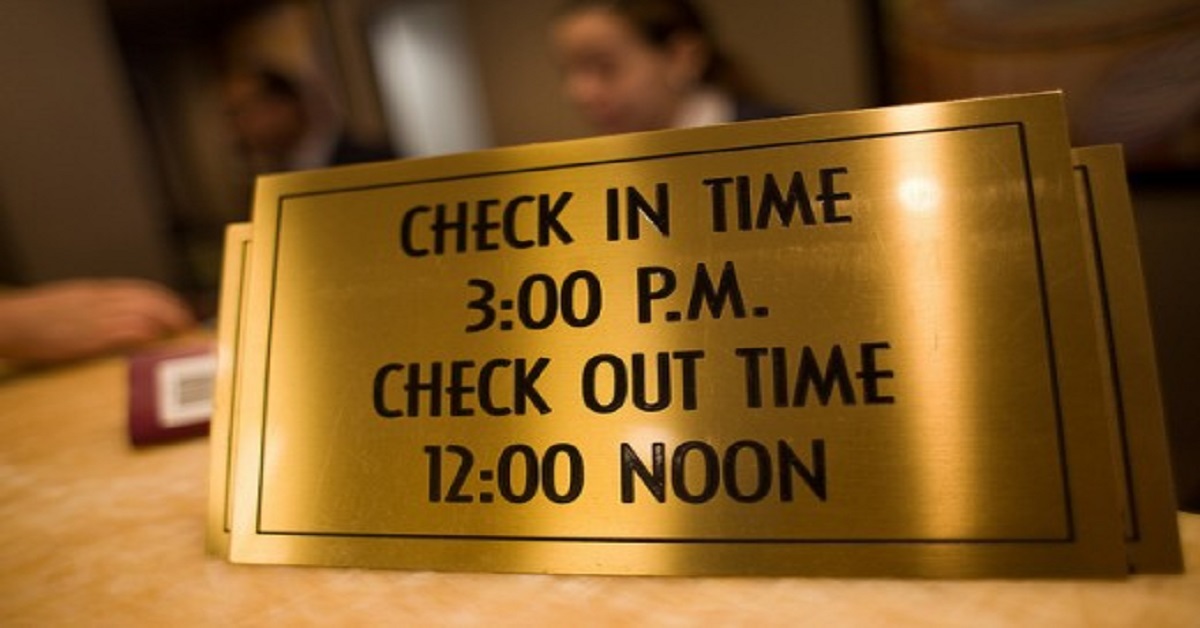
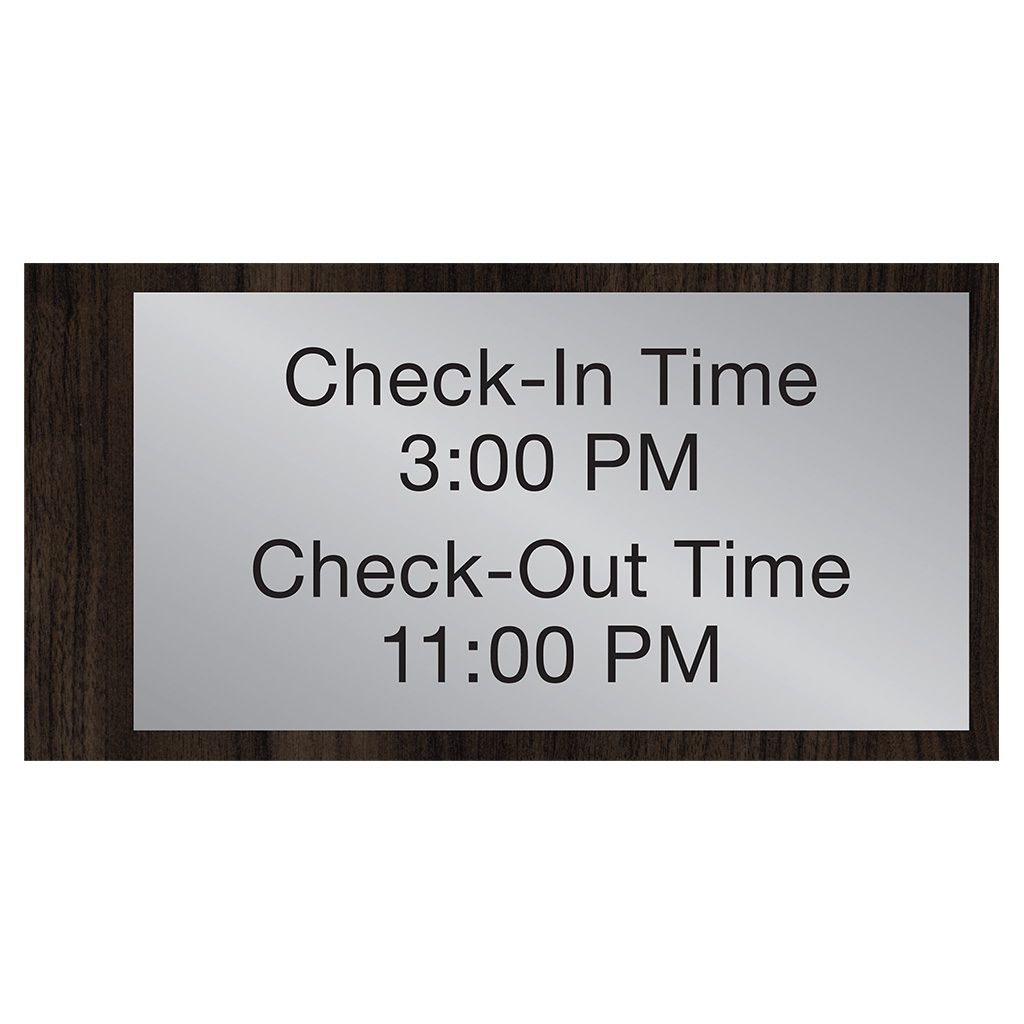
For most hotels around the globe, the standard check-in time typically falls in the afternoon, commonly between 2:00 PM and 4:00 PM. This timeframe is not arbitrary; it’s a carefully calculated window that allows the hotel staff to perform essential tasks after the previous guests have departed. The industry-standard check-out time is usually around 11:00 AM or 12:00 PM, providing a crucial window for housekeeping, maintenance, and administrative preparation.
Let’s break down the reasons behind this conventional timing. When guests check out, their rooms are rarely in a condition ready for immediate re-occupancy. Housekeeping teams embark on a thorough cleaning process, which includes changing linens, sanitizing surfaces, restocking amenities, and performing general maintenance checks. This process can take anywhere from 30 minutes to several hours, especially for larger suites or if unexpected issues arise. Furthermore, front desk staff use this period to update room statuses, prepare key cards, and process new reservations. The 2:00 PM to 4:00 PM window provides ample time for these operations to be completed efficiently, ensuring that when new guests arrive, their rooms are pristine and ready.
Major hotel chains, such as Marriott International, Hilton Worldwide, and IHG Hotels & Resorts, generally follow these standard times across their properties, from a Courtyard by Marriott in Tokyo to a DoubleTree by Hilton in Dubai. However, it’s always prudent to double-check the specific check-in time listed on your reservation confirmation or the hotel’s official website. Boutique hotels, hostels, or smaller, independent accommodations might have slightly different schedules, particularly if they operate with a smaller staff. For instance, a cozy guesthouse in Rome might have a check-in window from 3:00 PM to 6:00 PM, while a bustling resort in Orlando catering to families might opt for a 4:00 PM check-in to accommodate longer cleaning times for larger family suites. Always confirm the exact time to align your travel plans accordingly.
Navigating Early Arrivals: Strategies for a Smooth Start
Arriving at your destination before the official check-in time is a common scenario for many travelers, often due to early morning flights, train schedules, or simply wanting to maximize their time in a new city. While the standard check-in time is a guideline, hotels understand that travel plans don’t always align perfectly. There are several strategies you can employ to make an early arrival as smooth as possible.
Requesting Early Check-In
The most direct approach is to request an early check-in. This is typically subject to availability and the hotel’s discretion. If the room type you booked is available and has already been cleaned and inspected, many hotels are happy to accommodate early arrivals at no extra charge. It’s best to make this request in advance, perhaps a day or two before your arrival, by calling the hotel directly or adding a note to your reservation. This gives the hotel staff a heads-up and allows them to prioritize your room if possible.
- Availability: Early check-in is rarely guaranteed. It largely depends on how many guests checked out that morning and how quickly housekeeping can turn rooms around. During peak seasons or when a hotel is fully booked, the chances of securing an early check-in are slimmer.
- Fees: Some hotels might offer early check-in for an additional fee, especially if it requires them to expedite cleaning or allocate a room that would otherwise be held for a later arrival. This fee can vary, sometimes equating to half a night’s stay, particularly in high-demand locations like New York City or Paris. Always clarify if a fee applies when making your request.
- Loyalty Programs: If you are a member of a hotel’s loyalty program, especially at a higher tier (e.g., Hilton Honors Diamond, Marriott Bonvoy Platinum Elite), early check-in is often a published benefit, subject to availability. These programs are designed to reward frequent guests, and this perk can be incredibly valuable.
What to Do If Your Room Isn’t Ready
If an early check-in isn’t possible, don’t despair! Hotels typically offer convenient solutions to make your waiting period comfortable and productive.
- Luggage Storage: Almost all hotels, from budget-friendly options to luxury establishments like the Four Seasons in Sydney, offer complimentary luggage storage. You can drop off your bags at the front desk, freeing yourself to explore the local area, grab a meal, or even start your business meetings without the burden of your luggage. This is an excellent way to kick off your trip without feeling stuck in the lobby.
- Utilize Hotel Amenities: While waiting for your room, you can often access many of the hotel’s public amenities. This might include the lobby lounge, a coffee shop, restaurant, business center, or even the fitness center or pool area. Some high-end resorts, like the Waldorf Astoria in Amsterdam, might even offer changing rooms or spa facilities for early arrivals.
- Explore the Destination: With your luggage safely stowed, you have a perfect opportunity to get acquainted with your surroundings. Take a walk, visit a nearby park, grab breakfast at a local cafe, or scout out some attractions. If you’re in Barcelona, for instance, you could take a stroll down Las Ramblas or visit the exterior of the Sagrada Familia before your room is ready.
Late Arrivals and Overnight Check-In
Just as early arrivals are common, so too are late arrivals. Whether your flight is delayed, you’re driving long distances, or you simply prefer to arrive after standard hours, understanding late check-in procedures is vital.
Communicating Your Arrival Time
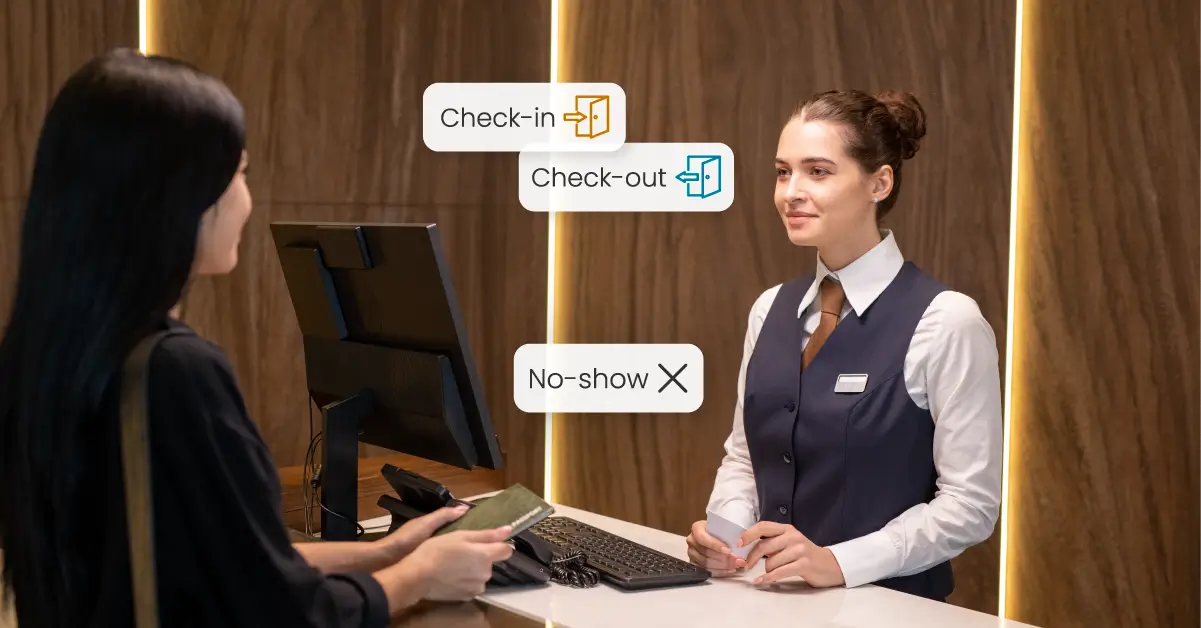
The most important step for a late arrival is to communicate with the hotel in advance. Most hotels, especially larger chains, operate a 24-hour front desk. This means you can check in at any time, day or night, without issues. However, informing them of a very late arrival (e.g., after midnight) is still a good practice, as it ensures they don’t mistakenly mark you as a no-show, especially if your reservation was prepaid.
For smaller hotels, guesthouses, or boutique accommodations that might not have a 24-hour reception, prior communication is absolutely essential. These establishments often rely on a limited staff, and knowing your estimated arrival time allows them to make arrangements, such as leaving a key in a lockbox or having a staff member wait for you. Failure to communicate could result in a locked door and no way to access your room until morning. Imagine arriving at a charming bed and breakfast in the Scottish Highlands at 1 AM without prior notice – it could be a challenging start to your stay.
Digital Check-In and Keyless Entry
Modern technology has significantly streamlined the check-in process, particularly for late arrivals. Many major hotel brands now offer digital check-in through their mobile apps. Guests can often check in virtually, choose their room, and even use their smartphone as a digital key. This is incredibly convenient for late arrivals, as it bypasses the need to queue at the front desk. Hilton and Marriott are notable examples of chains that extensively offer these features, allowing you to head straight to your room upon arrival, regardless of the hour. This digital innovation is a game-changer for business travelers arriving on late flights into busy hubs like Frankfurt or Singapore.
The Impact of Location and Accommodation Type
The “what time is check-in time at hotels” question also heavily depends on the geographic location and the specific type of accommodation you choose.
Regional Variations
Travel across different continents often reveals subtle differences in hospitality practices. In some parts of Europe, particularly in family-run establishments, check-in might be a bit more flexible or depend on the owner’s schedule. In contrast, major urban centers like Hong Kong or Sydney, with their high turnover rates and compact spaces, tend to stick rigorously to standard times to maintain efficiency. Resort destinations, such as those in the Caribbean or Southeast Asia, might offer more leniency, especially if guests are arriving from long international flights, often providing amenities like welcome lounges or early access to facilities.
Beyond Traditional Hotels
- Hostels: Hostels, catering primarily to backpackers and budget travelers, often have stricter check-in windows, especially if the reception is not 24/7. It’s common to find hostels with check-in from 3:00 PM to 10:00 PM, with clear instructions for late arrivals. Luggage storage is almost always available.
- Vacation Rentals (e.g., Airbnb, Vrbo): These operate on an entirely different model. Check-in times are usually agreed upon directly with the host. Some offer self-check-in via lockboxes or smart locks, providing immense flexibility. Others require a personal handover of keys, making communication about your exact arrival time paramount. The host of a charming villa in Tuscany might live off-site, making coordination crucial.
- Cruise Ships: For cruises, check-in is typically a embarkation window that spans several hours, usually in the early to mid-afternoon on the day of departure. Guests must arrive within this window to board the ship, and there are strict cut-off times.
- Apartment Hotels and Serviced Apartments: These often mimic traditional hotel check-in times but may also offer more flexibility, especially for long-term stays. Properties like Adina Apartment Hotels in Berlin combine hotel services with apartment-style living, and their check-in protocols usually align with standard hotel practices.
Essential Tips for a Stress-Free Check-In Experience
To ensure your check-in experience is as smooth as possible, regardless of your arrival time, consider these practical tips:
- Always Confirm Your Reservation Details: Double-check your booking confirmation for the exact check-in time, any specific instructions, and the hotel’s contact information. This is your primary source of information.
- Communicate, Communicate, Communicate: If you anticipate arriving early or late, contact the hotel directly. A quick phone call or email can save you significant hassle. This is especially true for smaller establishments or during special events in cities like Edinburgh during its festival season.
- Have Your Documents Ready: Keep your passport or ID, booking confirmation, and payment method easily accessible. This speeds up the process at the front desk.
- Join Loyalty Programs: If you frequently stay with a particular hotel chain, joining their loyalty program can offer benefits like early check-in (subject to availability), late check-out, and complimentary upgrades.
- Pack an Overnight Bag: If you know you’ll be arriving early and your room might not be ready, pack a small bag with essentials like toiletries, a change of clothes, and any medications. You can store your main luggage and still freshen up.
- Check Online Reviews: Sometimes, past guest reviews on platforms like TripAdvisor or Google Reviews can offer insights into a specific hotel’s flexibility regarding check-in times or their efficiency in handling early arrivals.
In conclusion, while the standard check-in time for most hotels hovers around 3:00 PM or 4:00 PM, the world of hospitality is replete with options and flexibilities designed to accommodate the diverse needs of travelers. By understanding the underlying reasons for these times, knowing how to leverage early and late check-in options, and employing effective communication, you can ensure that your arrival at any hotel, resort, or unique accommodation is a welcoming and stress-free part of your overall travel adventure. Planning ahead and staying informed are your best allies in unlocking the door to a perfect stay.
LifeOutOfTheBox is a participant in the Amazon Services LLC Associates Program, an affiliate advertising program designed to provide a means for sites to earn advertising fees by advertising and linking to Amazon.com. Amazon, the Amazon logo, AmazonSupply, and the AmazonSupply logo are trademarks of Amazon.com, Inc. or its affiliates. As an Amazon Associate we earn affiliate commissions from qualifying purchases.