
The moment of checking out from a hotel can often feel like the bittersweet culmination of a fantastic trip, a productive business stay, or a relaxing getaway. While the general expectation might be a simple handover of keys and a final bill, the reality of hotel check-out times is far more nuanced, impacting everything from your travel itinerary to your wallet. Understanding the standard policies, flexible options, and strategic considerations surrounding your departure time is crucial for any traveler looking to maximize their experience and avoid unnecessary stress or fees.
This comprehensive guide delves into the intricacies of hotel check-out, offering insights that will empower you to navigate your next departure with confidence, whether you’re exploring the bustling streets of New York City or unwinding on the serene beaches of Bali. We’ll cover everything from conventional deadlines to the art of requesting a late check-out, ensuring your final hours at any accommodation are as comfortable and convenient as possible.
Understanding Standard Hotel Check-Out Policies
Every hotel, from a boutique guesthouse to a sprawling resort, operates on a carefully orchestrated schedule designed to facilitate a seamless experience for both departing and arriving guests. The bedrock of this operation is the standard check-out time, a policy that, while seemingly arbitrary, is essential for the hotel’s day-to-day logistics.
The Conventional Check-Out Time: Why 11 AM or 12 PM?
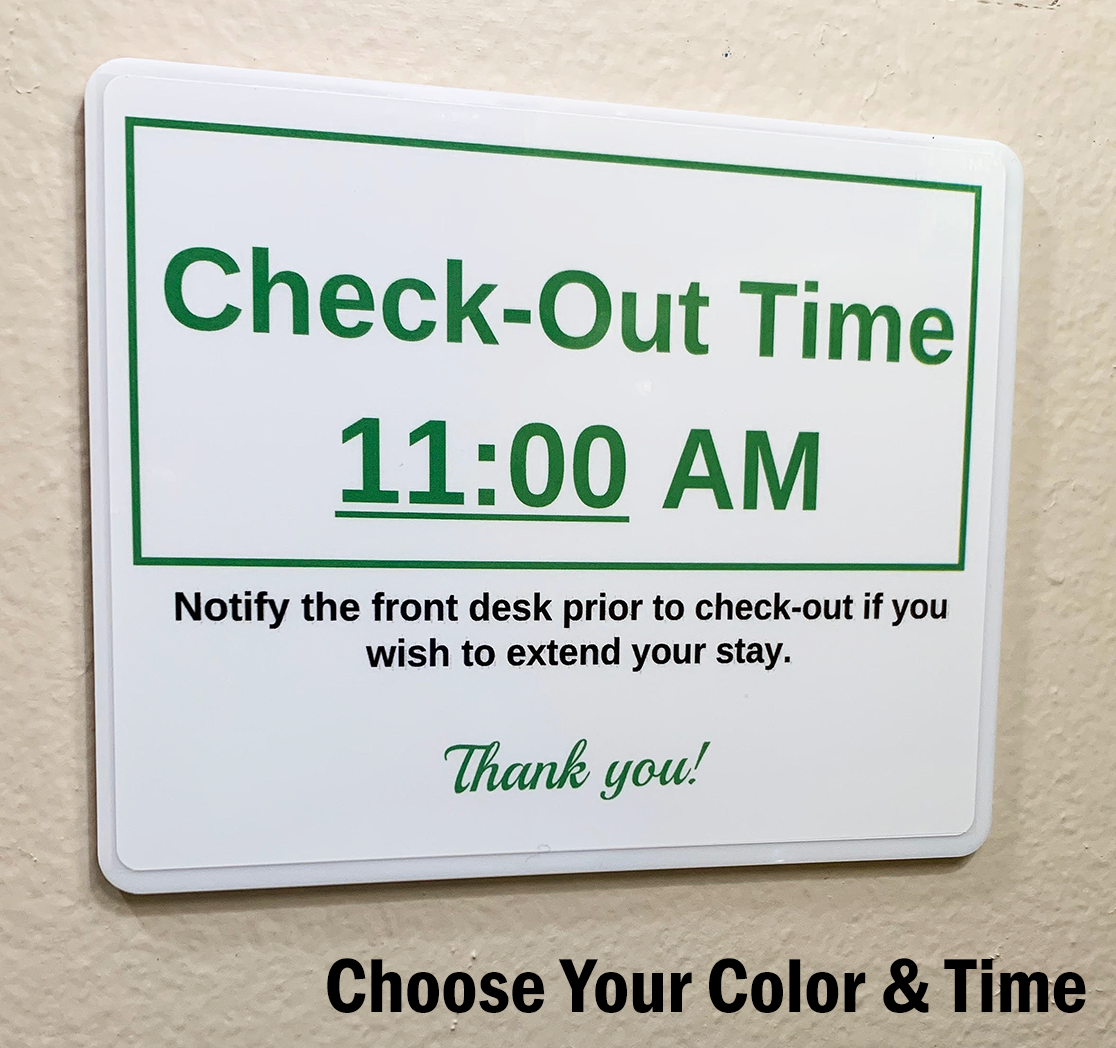
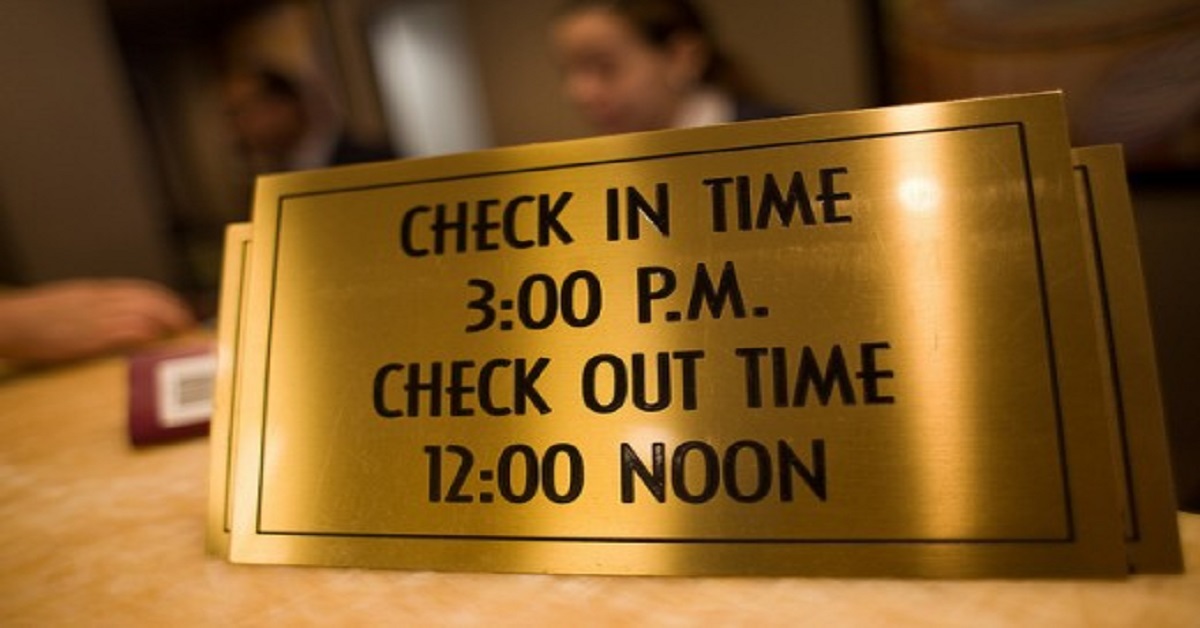
The vast majority of hotels worldwide adhere to a standard check-out time of either 11:00 AM or 12:00 PM (noon). This timeframe isn’t simply a matter of tradition; it’s a strategically chosen window that allows hotels to manage a complex operational ballet. The primary reasons behind this conventional timing are:
- Housekeeping Turnover: The period immediately following check-out is prime time for the housekeeping staff. They require ample time to thoroughly clean, sanitize, and restock each room to the hotel’s standards before the next guest arrives. A typical room cleaning can take anywhere from 30 minutes to over an hour, especially for larger suites or those requiring deep cleaning. If guests consistently checked out later, it would create a bottleneck for the housekeeping team, potentially delaying check-ins for new arrivals.
- New Guest Arrivals (Check-In): Most hotels set their standard check-in time around 3:00 PM or 4:00 PM. The gap between 11:00 AM/12:00 PM check-out and 3:00 PM/4:00 PM check-in provides a critical buffer. This allows sufficient time not only for housekeeping but also for maintenance checks, linen changes, and for the front desk staff to prepare for the influx of new guests. It ensures that when you arrive, your room is pristine and ready.
- Operational Efficiency: Beyond individual rooms, the entire hotel infrastructure needs to be managed. Restaurants, spas, gyms, and other amenities also experience peak usage during these transition periods. Staggered check-out and check-in times help distribute the load on elevators, luggage carts, and staff, contributing to overall operational smoothness.
Impact of Hotel Category and Location
While 11:00 AM or 12:00 PM is a common baseline, the specific check-out time can vary depending on the type of hotel and its geographical location.
- Luxury vs. Budget Accommodations: High-end hotels and resorts like The Ritz-Carlton or Four Seasons Hotels and Resorts often aim to offer a more generous check-out time, sometimes extending to 1:00 PM or even later for their most valued guests, to enhance the perception of exclusivity and personalized service. Budget hotels, conversely, might be stricter to maintain efficiency and cost-effectiveness.
- Business vs. Leisure Destinations: In major business hubs such as London or Tokyo, hotels catering to business travelers might offer slightly earlier check-out times, aligning with morning flight schedules or early meetings. Leisure destinations, like those in Venice or Kyoto, might lean towards later check-outs to allow guests more time for sightseeing or a leisurely breakfast.
- Apartments and Villas: Apartments and villas managed by property owners or smaller local agencies might have more flexible or, conversely, stricter check-out policies depending on their individual cleaning schedules and the frequency of guest turnover. Always confirm these details when booking.
Always check the specific policy of your chosen accommodation at the time of booking, as it will be clearly stated in your confirmation email or on the hotel’s website, or through booking platforms like Expedia or Booking.com.
Navigating Early and Late Check-Out Options
Life doesn’t always adhere to a hotel’s schedule. Early morning flights, late evening trains, or simply a desire for extra relaxation can often put you at odds with standard check-out times. Fortunately, most hotels offer options to accommodate these varied needs, though they come with their own set of considerations.
Requesting a Late Check-Out: Strategies and Considerations
A late check-out is arguably one of the most sought-after perks for travelers. It can transform a rushed morning into a relaxed farewell, allowing you to enjoy an extra meal, squeeze in a final meeting, or simply avoid waiting at the airport for hours. Here’s how to approach it effectively:
- Timing is Key: The best time to request a late check-out is often on the morning of your departure, or late the evening before. This is when the front desk has the clearest picture of occupancy levels and incoming reservations. Asking too far in advance might not yield a definitive answer as future bookings can change.
- How to Ask: A polite inquiry at the front desk or via the hotel app is usually sufficient. Clearly state your desired time (e.g., “Would it be possible to extend our check-out to 2:00 PM?”) and be prepared for potential fees.
- Potential Fees: While some hotels offer a complimentary extension for an hour or two, longer extensions often incur a fee. This could be a flat rate, a percentage of your nightly room rate, or even a half-day rate if you need to stay significantly longer (e.g., until 6:00 PM). Always confirm any charges upfront.
- Loyalty Program Benefits: This is where guest loyalty programs truly shine. Members with elite status (e.g., Marriott Bonvoy Gold/Platinum, Hilton Honors Gold/Diamond, World of Hyatt Explorist/Globalist, Accor Live Limitless Platinum/Diamond) frequently receive complimentary late check-out as a standard perk, sometimes even guaranteed until 4:00 PM, subject to availability at some brands. Always mention your status when making the request.
- Occupancy Levels: The hotel’s ability to grant a late check-out largely depends on its projected occupancy for the upcoming night. If the hotel is fully booked or expecting a high volume of arrivals, late check-outs are less likely to be granted, as every room will be needed for incoming guests. Weekends and peak season periods tend to be less flexible.
Dealing with Early Departures
While less common, sometimes travel plans change, and you might need to check out earlier than your originally booked departure date.
- Cancellation Policies: The financial implications of an early departure depend heavily on the hotel’s cancellation policy and the terms of your booking. Non-refundable rates typically mean you will be charged for the entire duration of your original stay, even if you leave early. Flexible rates might allow for a partial refund or no penalty if you provide sufficient notice (e.g., 24-48 hours).
- Communication is Key: Always inform the hotel as soon as you know you’ll be leaving early. While they may not be obligated to refund you, clear communication is always appreciated and can sometimes lead to a more favorable outcome, especially if you have a compelling reason.
Maximizing Your Day with Luggage Storage and Facilities
If a late check-out isn’t possible, or if you simply prefer to explore without your belongings, hotels offer excellent alternatives:
- Complimentary Luggage Storage: Nearly all hotels provide a secure area to store your luggage after you’ve checked out. This allows you to explore the city, enjoy a final meal, or attend a meeting without being weighed down. Simply ask the front desk or concierge.
- Using Hotel Amenities: Even after checking out, many hotels are happy for you to continue using their common amenities. This might include the hotel lobby for waiting, the business center, or even the pool or fitness center for a refresh before your journey. Inquire at the front desk about which facilities remain accessible. Some luxury properties even offer courtesy changing rooms for guests awaiting flights.
Factors Influencing Your Check-Out Decision
The optimal check-out time for you isn’t just about hotel policies; it’s deeply intertwined with your broader travel plans and personal preferences. Thoughtful consideration of these factors can significantly enhance the end of your trip.
Flight Schedules and Transportation
Your departure time from the hotel is often dictated by your transportation schedule, particularly if you’re flying or taking a long-distance train.
- Early Morning Flights: If you have an early flight from Heathrow Airport, Charles de Gaulle Airport in Paris, or Dubai International Airport, you might need to check out well before the standard time. In such cases, ensure you’ve arranged reliable transportation and considered the time needed for check-in and security at the airport.
- Late Evening Departures: Conversely, a late evening flight from Sydney or a night train from Grand Central Station in New York City could justify requesting a late check-out. This allows you to relax at the hotel rather than spending hours waiting at the terminal.
- Local Transport Logistics: Consider how long it takes to reach your next destination or the airport/station from your hotel. Factor in potential traffic, public transport schedules in cities like Singapore or Bangkok, and the efficiency of taxi services.
Day Activities and Itinerary
Your post-check-out plans for the day can also heavily influence your ideal departure time.
- Last-Minute Sightseeing: If you have one last attraction you want to visit, such as the Louvre Museum in Paris, the Colosseum in Rome, or the Eiffel Tower, a late check-out could allow you to shower and refresh before heading out, rather than rushing back from an early morning excursion.
- Business Engagements: For business travelers, a late check-out might be essential to accommodate a final meeting or presentation. Having a dedicated space until the last minute can make a significant difference in productivity and comfort.
- Relaxation and Downtime: Sometimes, the best use of extra time is simply more relaxation. Enjoying a leisurely breakfast, taking one last dip in the pool, or simply unwinding in your room before embarking on the next leg of your journey can be invaluable.
Guest Loyalty Programs and Elite Status
As mentioned, your status within a hotel’s loyalty program is a powerful tool when it comes to negotiating check-out times. Programs like Hilton Honors, Marriott Bonvoy, World of Hyatt, IHG One Rewards, GHA Discovery, Radisson Rewards, Wyndham Rewards, Choice Privileges, and Best Western Rewards offer tiered benefits. Higher tiers often guarantee late check-out, sometimes up to 4:00 PM, providing immense flexibility for travelers.
It’s always worth checking the specific benefits associated with your status level and politely reminding the front desk staff of your membership when requesting an extension. These benefits are designed to reward loyal customers and enhance their overall travel experiences.
The Future of Check-Out: Technology and Flexibility
The landscape of hotel operations is continuously evolving, with technology playing an increasingly significant role in streamlining processes and enhancing guest convenience. Check-out is no exception, with innovations promising greater flexibility and autonomy for travelers.
Digital Check-Out and Mobile Apps
Many major hotel chains have embraced digital solutions to simplify the check-out process.
- Mobile Check-Out: Apps from brands like Hilton and Marriott often allow guests to check out directly from their smartphone, bypassing the front desk entirely. This feature is particularly useful for those in a hurry or who prefer a contactless experience. The final bill is typically emailed to you.
- Keyless Entry and Departure: With the rise of keyless entry systems, where your smartphone acts as your room key, the concept of “returning” a physical key becomes obsolete, further streamlining the departure process.
- Automated Billing: Digital systems also ensure greater accuracy and transparency in billing, allowing guests to review their charges in real-time or receive an itemized statement instantly upon check-out.
These technological advancements not only enhance guest convenience but also free up hotel staff to focus on more personalized service, transforming the often-mundane check-out into a smoother, more efficient transaction.

Hourly Stays and Flexible Options
A growing trend in the hospitality sector is the introduction of more flexible booking and check-out models, moving away from rigid 24-hour cycles.
- Hourly Stays: Some hotels, particularly in major cities or near airports, are beginning to offer hourly rates, allowing guests to book a room for just a few hours rather than a full night. This is ideal for layovers, short business meetings, or simply needing a quiet space to refresh before an evening engagement.
- “Check-In Anytime, Check-Out Anytime”: A select number of forward-thinking hotels are experimenting with truly flexible check-in and check-out policies. For example, if you check in at 8:00 PM, your check-out might be automatically set for 8:00 PM the following day, regardless of the standard time. This model, while not yet widespread, represents a significant shift towards guest-centric service and is often found in boutique hotels or those targeting a specific lifestyle niche.
- Day Use Rooms: Many hotels offer “day use” rooms, which are booked for a block of hours during the day without an overnight stay. These are perfect for travelers needing a base between flights or a quiet space to work during a long layover.
These flexible options underscore a broader move within the tourism and travel industry to cater to the diverse and ever-changing needs of modern travelers, providing greater control and customization over their hotel stays.
In conclusion, while the 11:00 AM or 12:00 PM check-out time remains a staple of the hotel industry, the options available to travelers are far more varied than they might initially appear. By understanding hotel policies, leveraging loyalty programs, and utilizing available amenities and technology, you can ensure your departure is as effortless and enjoyable as the rest of your stay, whether you’re ending a family trip near Disneyland Resort or a business conference in Vancouver. The key is always to communicate clearly with the hotel staff and plan ahead, allowing you to depart on your own terms.
LifeOutOfTheBox is a participant in the Amazon Services LLC Associates Program, an affiliate advertising program designed to provide a means for sites to earn advertising fees by advertising and linking to Amazon.com. Amazon, the Amazon logo, AmazonSupply, and the AmazonSupply logo are trademarks of Amazon.com, Inc. or its affiliates. As an Amazon Associate we earn affiliate commissions from qualifying purchases.