
Few films have seared themselves into the collective consciousness quite like Stanley Kubrick‘s 1980 masterpiece, The Shining. Beyond its chilling performances and psychological depth, the film’s most iconic character is arguably the Overlook Hotel itself – a sprawling, isolated, and malevolent entity that mirrors the descent into madness of its caretaker. For decades, fans and travelers alike have been captivated by the mystery of this terrifying retreat, often asking: “Where was The Shining filmed hotel?” The answer, surprisingly, is not a single location but a fascinating triptych of real-world inspirations and meticulously crafted film sets, each contributing a vital layer to the legend of the Overlook. From the eerie inspiration behind Stephen King‘s novel to the majestic exteriors and elaborate interior sets, we delve into the actual places that brought this cinematic horror to life, offering insights for those looking to explore these iconic destinations.
The Eerie Inspiration: The Stanley Hotel in Estes Park, Colorado
The true genesis of the Overlook Hotel lies not on a film set but within the haunted halls of The Stanley Hotel in Estes Park, Colorado. This grand, historic establishment holds the distinction of being the primary inspiration for Stephen King’s terrifying novel, a connection that forever cemented its place in horror lore and made it a must-visit landmark for fans of the genre.
Stephen King’s Haunting Stay
In the autumn of 1974, a young Stephen King and his wife, Tabitha, found themselves as the sole overnight guests at The Stanley Hotel just before its seasonal closing. They were staying in room 217 (famously changed to 237 in Kubrick’s film at the hotel’s request, as room 217 was a real, popular room, and they didn’t want to deter guests). The vast, empty corridors, the rattling pipes, and the pervasive sense of isolation within the grand, old structure profoundly affected King. He recounts a dream he had that night of his son being chased through the hotel’s long hallways by a fire hose, an image that directly fed into the novel’s most terrifying sequences. The experience was so potent that by the time he woke up, the entire plot of The Shining had crystallized in his mind.
The Stanley Hotel itself is a stunning example of Georgian Revival architecture, built by Freelan Oscar Stanley (inventor of the Stanley Steamer) and opened in 1909. Perched on a hill overlooking Estes Park with the majestic Rocky Mountains as a backdrop, it exudes an old-world charm and elegance. Beyond its architectural grandeur, the hotel has long been renowned for its alleged paranormal activity. Guests and staff have reported strange occurrences for decades: disembodied voices, objects moving on their own, lights flickering, and the distinct feeling of being watched. Room 217, in particular, is said to be haunted by a former housekeeper, Mrs. Wilson, who reportedly still fusses over guests. These ghost stories, deeply woven into the hotel’s fabric, perfectly aligned with King’s vision, transforming The Stanley Hotel from a luxury retreat into a real-life inspiration for one of the most terrifying locations in fiction. For those intrigued by the supernatural, guided ghost tours are a popular activity, offering a unique blend of history, storytelling, and spine-tingling suspense, making it a prime destination for tourism and experiences beyond just accommodation.
A Colorado Gem Beyond the Supernatural
While its connection to The Shining is undeniably its most famous draw, The Stanley Hotel is a destination with much more to offer. As a full-service hotel and resort, it provides a range of accommodation options, from beautifully restored historic rooms and suites in the main building to more contemporary apartments and villas on the property. Each stay offers a unique glimpse into a bygone era, often accompanied by modern amenities and exceptional service. Travelers planning a stay can choose from various room types, catering to luxury travel enthusiasts seeking opulent surroundings or those looking for a comfortable base for a family trip to the Rocky Mountains. Booking in advance is highly recommended, especially during peak season or for specific “haunted” rooms, as reviews often highlight their popularity.
The hotel’s location in Estes Park makes it an ideal gateway to the breathtaking Rocky Mountain National Park. Visitors can spend their days exploring scenic hiking trails, wildlife watching, or simply enjoying the stunning natural beauty of Colorado. Back at the hotel, tourism activities include a variety of dining options, a whiskey bar boasting an extensive collection, and a lively concert hall. For those seeking lifestyle options, the hotel often hosts special events, concerts, and offers guided tours that delve into its rich history, architecture, and, of course, its spectral residents. Whether you’re a die-hard fan seeking a ghostly encounter or simply a traveler looking for a historic and scenic destination, The Stanley Hotel provides a compelling experience, blending the allure of landmarks with the comfort of a premier hotel.
The Iconic Exterior: Timberline Lodge in Mount Hood, Oregon
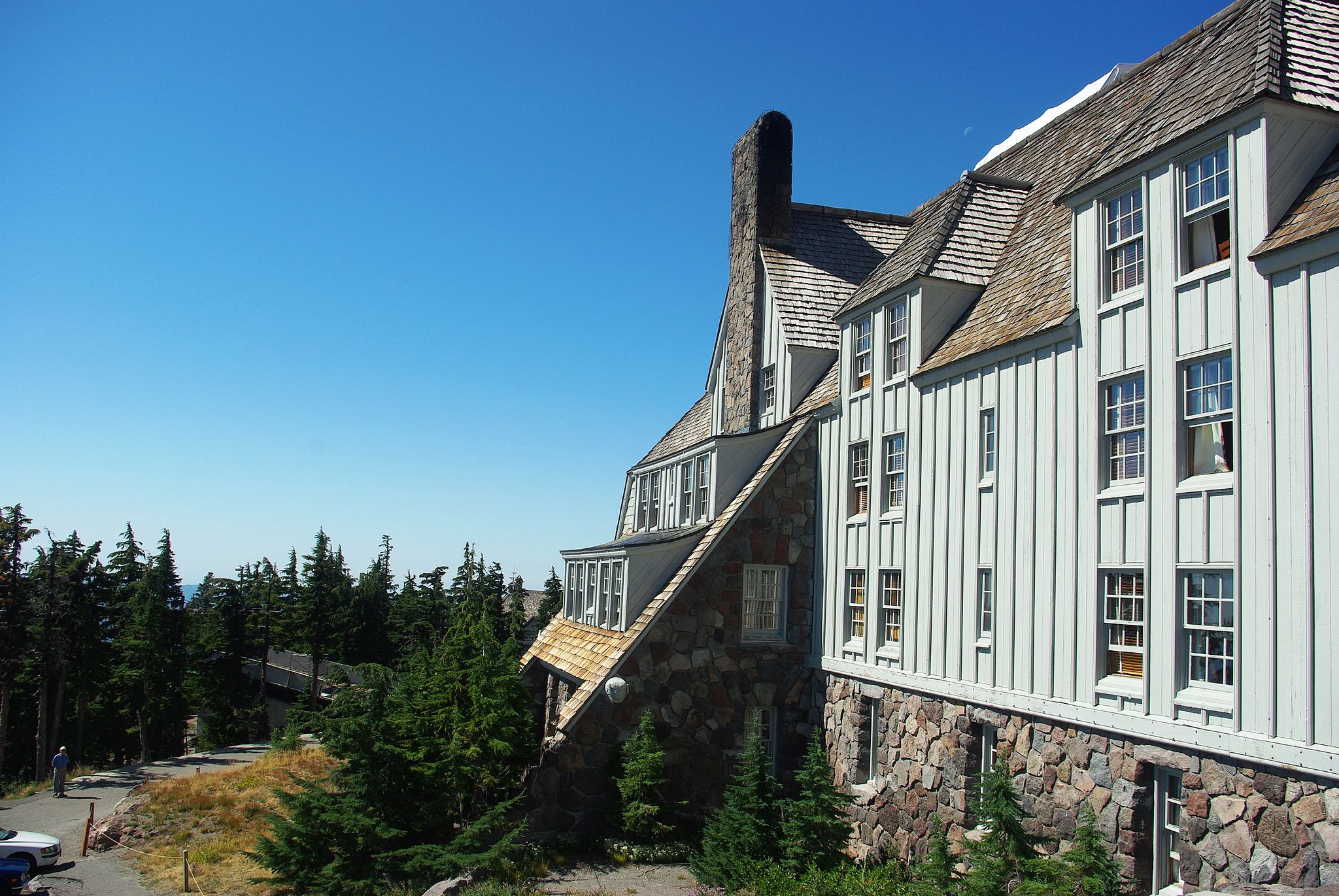
While The Stanley Hotel provided the psychological blueprint for the Overlook, the actual exterior shots of the film’s terrifying hotel were captured at another majestic American landmark: Timberline Lodge in Oregon. This stunning mountain resort, nestled high on the slopes of Mount Hood, presented Stanley Kubrick with the ideal visual representation of the isolated and grand hotel he envisioned.
Kubrick’s Vision and Architectural Grandeur
Stanley Kubrick specifically chose Timberline Lodge for its distinctive architectural style and awe-inspiring, isolated setting. Located at an elevation of 6,000 feet on the south side of Mount Hood, the lodge perfectly conveyed the grandeur and remoteness central to the film’s narrative. Its imposing stone and timber structure, with steeply pitched roofs designed to withstand heavy snowfall, evoked the precise sense of an inescapable fortress that becomes the prison for the Torrance family. The opening sequence, featuring the iconic yellow Volkswagen beetle winding its way up a desolate mountain road, was famously filmed on the roads leading to Timberline Lodge, immediately establishing the feeling of isolation that pervades the entire movie.
Built during the Great Depression by the Works Progress Administration (WPA) and dedicated by President Franklin D. Roosevelt in 1937, Timberline Lodge is a national historic landmark. Its rustic yet grand architecture, showcasing incredible craftsmanship from local artisans, features massive stone fireplaces, hand-carved newel posts, and intricate wrought-iron work. These details contributed to the imposing, timeless quality that Kubrick sought, even though the director deliberately reversed the layout of the lodge in some shots to confuse the viewer and enhance the film’s unsettling atmosphere. It’s important to note that while the film famously features a hedge maze, Timberline Lodge does not actually have one; that terrifying element was purely a creation of the film set designers. Despite this, the exterior shots of the lodge became synonymous with the Overlook Hotel, solidifying its status as an iconic landmark and a crucial element in the film’s visual storytelling. For film tourism enthusiasts, seeing this building in person is a profound experience, connecting them directly to the cinematic destination.
An All-Season Alpine Escape
Beyond its cinematic fame, Timberline Lodge operates as a vibrant, year-round resort and a popular travel destination. It offers a unique accommodation experience, blending historic charm with modern comfort. Guests can choose from a variety of rooms, many featuring original furnishings and stunning views of the surrounding Mount Hood National Forest. Unlike many resorts, Timberline Lodge is renowned for being the only ski area in North America that offers skiing and snowboarding all twelve months of the year, making it an exceptional draw for lifestyle adventurers and budget travel enthusiasts seeking extended seasons on the slopes.

During the warmer months, the area transforms into a paradise for hikers, climbers, and nature lovers. Numerous trails cater to all skill levels, leading through pristine alpine meadows, past waterfalls, and up to scenic viewpoints. The lodge itself offers excellent dining options, including the upscale Cascade Dining Room with panoramic mountain views, perfect for a luxury travel experience, and a more casual cafe. Amenities include outdoor hot tubs, a heated swimming pool, and various shops. For families, a family trip to Timberline Lodge can include snow activities in winter or exploring the natural beauty in summer. Whether you’re drawn by the allure of The Shining or simply seeking an unparalleled alpine experience, guides to Mount Hood consistently recommend this historic hotel for its unique blend of history, outdoor activities, and breathtaking scenery, making booking a stay here a truly memorable part of any Oregon tourism itinerary.
The Elaborate Interiors: Elstree Studios in England
While the grandeur of The Stanley Hotel and Timberline Lodge provided the real-world foundation for the Overlook Hotel, the vast majority of The Shining‘s iconic interiors were meticulously constructed on soundstages at Elstree Studios in Borehamwood, England. This monumental undertaking allowed Stanley Kubrick unparalleled control over every detail, ensuring the fictional hotel perfectly served his artistic vision and psychological narrative.
Crafting the Overlook Hotel’s Haunting Halls
Stanley Kubrick was notorious for his meticulous attention to detail, and the construction of the Overlook Hotel sets was no exception. Working with production designer Roy Walker, massive, elaborate sets were built on the soundstages of Elstree Studios to represent the hotel’s lobby, the Colorado Lounge, the Gold Room ballroom, the dining room, the kitchen, and most famously, the unsettling hallways and Room 237. These sets were not mere backdrops; they were fully functional, multi-level structures, allowing Kubrick to execute his signature tracking shots with incredible fluidity, immersing the audience deep within the hotel’s labyrinthine confines.
The interior design drew inspiration from various real hotels across America, most notably the Ahwahnee Hotel in Yosemite National Park for the main lobby and the famous elevator doors. However, these inspirations were exaggerated and distorted to create a space that felt both opulent and deeply unsettling. The scale of the sets was immense, with hallways seemingly stretching endlessly and rooms designed to feel both grand and claustrophobic. The famous carpet pattern in the hallways, with its jarring geometric shapes, was chosen by Kubrick to add to the visual unease. While Elstree Studios itself is not a tourist destination in the same way hotels like The Stanley Hotel or Timberline Lodge are, it stands as a significant landmark in film history. For avid film tourism enthusiasts, understanding its role in creating the iconic Overlook brings a new layer of appreciation for the film’s artistry and the craft of accommodation design, albeit on a theatrical scale.
Production Design and Psychological Impact
The deliberate choices in the production design at Elstree Studios were crucial in shaping the psychological impact of The Shining. Kubrick wanted the hotel to feel overwhelming, disorienting, and ultimately, alive with malevolent intent. The elaborate sets allowed for this. The vastness of the Colorado Lounge, where Jack Torrance writes (or fails to write) his novel, emphasizes his isolation and eventual madness. The intricate details of the wallpaper, the luxurious yet unsettling decor, and the unsettling symmetry of the hallways all contribute to a sense of unease.
The famous “impossible windows” – windows that appear to look out onto nothing or into other parts of the hotel – played with perception, further disorienting both characters and audience. Even the color palette evolved, shifting from warm and inviting tones to colder, more desolate hues as the film progresses. The meticulous construction and immense scale of these indoor “landmarks” underscore the film’s enduring power. They demonstrate how lifestyle and a sense of place can be masterfully manipulated through travel through a constructed reality. For cinephiles and those interested in the intricacies of tourism behind the camera, the story of Elstree Studios reveals the immense effort involved in creating such a deeply immersive and terrifying fictional accommodation, proving that sometimes, the most memorable destinations are built from scratch.
Visiting the Real-Life Overlook Hotels: Tips for Travelers
For fans of The Shining or simply those who appreciate grand, historic hotels and stunning natural beauty, visiting The Stanley Hotel and Timberline Lodge offers a unique travel experience. These landmarks are not just film locations; they are exceptional destinations in their own right, promising memorable accommodation and a wealth of tourism activities.
Planning Your Themed Getaway
When planning a trip to either The Stanley Hotel in Estes Park, Colorado, or Timberline Lodge on Mount Hood, Oregon, advance booking is highly recommended, especially if you wish to secure specific rooms (like Room 217 at The Stanley Hotel) or travel during peak seasons. Summer and fall are popular for hiking and scenic drives in both locations, while winter brings prime skiing conditions to Timberline Lodge. Always check current accommodation availability and reviews before finalizing your plans.
For The Stanley Hotel, consider taking one of their famous ghost tours to fully immerse yourself in the paranormal lore that inspired Stephen King. In Estes Park, dedicate time to exploring Rocky Mountain National Park, which offers breathtaking landscapes and abundant wildlife. At Timberline Lodge, embrace the alpine lifestyle with skiing, snowboarding, or hiking. Be sure to explore the lodge’s impressive interior, appreciating the craftsmanship that caught Kubrick’s eye. Practical tips for both destinations include dressing in layers for varying mountain weather and making dinner reservations, particularly at Timberline Lodge’s more upscale dining options.

From Fan Pilgrimage to Relaxing Retreat
Whether you’re embarking on a dedicated “Shining” pilgrimage or simply seeking a unique resort experience, both The Stanley Hotel and Timberline Lodge offer a blend of attractions. Fans will revel in the direct connections to the film and book, from walking the halls that inspired King to gazing upon the iconic exterior of the Overlook. These experiences add a thrilling layer to any stay.
However, even without the horror connection, both properties stand as exceptional examples of historic hotels and resorts in stunning natural settings. The Stanley Hotel offers a glimpse into early 20th-century luxury travel amidst Colorado’s majestic mountains, while Timberline Lodge provides an unparalleled alpine escape for those seeking adventure travel or a peaceful family trip on Mount Hood. Both cater to diverse lifestyles and budgets, offering various suites and amenities. By embracing their unique history and magnificent surroundings, travelers can enjoy far more than just a film tourism experience; they can immerse themselves in the rich local culture and natural beauty of these unforgettable destinations.
The legacy of The Shining‘s hotel is a complex tapestry woven from real-world locations and cinematic artistry. From Stephen King’s haunting night at The Stanley Hotel to Kubrick’s majestic choice of Timberline Lodge and the meticulous construction at Elstree Studios, each place played a pivotal role in creating one of cinema’s most terrifying and memorable accommodations. These locations continue to draw visitors, offering not just a glimpse into a fictional nightmare but also genuine travel experiences to some of America’s most beautiful and historic landmarks.