
The iconic brand of Hard Rock Hotels conjures images of rock ‘n’ roll memorabilia, vibrant entertainment, and luxurious accommodations in some of the world’s most coveted destinations. From pulsating casino floors to serene beachfront resorts, the Hard Rock name has become synonymous with a unique blend of music, hospitality, and unforgettable experiences. For travelers booking their next escape or simply curious about the titans of the tourism industry, a common question often arises: “Who exactly owns Hard Rock Hotels?” The answer is a fascinating story that intertwines history, indigenous heritage, and global business acumen, revealing a powerful ownership structure rooted in the Seminole Tribe of Florida.

This deep dive will unravel the complex ownership, trace the brand’s remarkable journey from a humble cafe to a sprawling international empire, and explore how its unique identity continues to shape the global landscape of travel, entertainment, and luxury lifestyle. Understanding the corporate structure behind Hard Rock Hotels not only satisfies curiosity but also sheds light on the strategic vision driving one of the most recognized names in accommodation and tourism worldwide.
The Evolution of an Icon: From Café to Global Empire
The journey of Hard Rock began not with hotels, but with a simple vision to combine American diner food with a rock ‘n’ roll atmosphere. What started as a modest eatery in the heart of London soon blossomed into a global phenomenon, setting the stage for its eventual foray into the hospitality sector.
The Genesis: Hard Rock Cafe International
The story of Hard Rock truly began on June 14, 1971, when two enterprising Americans, Isaac Tigrett and Peter Morton, opened the first Hard Rock Cafe in London. Their idea was revolutionary for its time: serve classic American cuisine in a casual, rock-themed setting. The cafe quickly gained popularity, not just for its food, but for its burgeoning collection of rock and roll memorabilia, starting with a guitar gifted by Eric Clapton. This unique blend of good food, great music, and tangible pieces of rock history proved to be a winning formula. The Hard Rock Cafe became more than just a restaurant; it became a cultural landmark, drawing in both locals and tourists eager to soak in its vibrant atmosphere. Its success led to rapid expansion across the globe, establishing a brand identity that was inextricably linked with music, authenticity, and a relaxed, cool lifestyle. The distinctive logo and the legendary memorabilia became powerful symbols, paving the way for diversification into various other ventures.
Diversification into Hospitality: The Birth of Hard Rock Hotels
The natural progression for a brand so deeply embedded in entertainment and lifestyle was to move beyond just food and merchandise. Recognizing the immense potential to translate the unique Hard Rock experience into a complete lodging package, the company ventured into the hotel industry. The inaugural Hard Rock Hotel Las Vegas opened its doors in 1995, marking a pivotal moment in the brand’s history. This property was not just another hotel; it was a destination in itself, seamlessly blending luxury accommodations with a high-energy casino, live music venues, and, of course, a curated collection of rock artifacts. The hotel concept aimed to offer guests an immersive experience, allowing them to live out their rock ‘n’ roll fantasies while enjoying top-tier amenities.
The success of the Hard Rock Hotel Las Vegas demonstrated that the Hard Rock brand could successfully extend its appeal to the competitive world of hospitality. It proved that travelers sought more than just a place to sleep; they craved experiences that resonated with their passions and offered a memorable escape from the ordinary. This initial venture laid the groundwork for what would become a global portfolio of resorts, hotels, and casinos, each reflecting the core ethos of music, entertainment, and authentic hospitality. From this point forward, the question of who owned these growing properties became increasingly relevant as the brand solidified its position as a major player in the global travel and tourism sectors.
Unraveling the Ownership: The Seminole Tribe of Florida
While the Hard Rock brand originated in London and expanded through various corporate structures, a landmark acquisition fundamentally redefined its ownership and trajectory. This pivotal moment saw an indigenous sovereign nation take the reins of a global entertainment giant.
A Historic Acquisition
The defining moment for the ownership of the Hard Rock brand occurred in 2007 when the Seminole Tribe of Florida made a historic acquisition. The tribe purchased Hard Rock International (HRI) from Rank Group PLC for an estimated $965 million. This wasn’t just another corporate buyout; it was a monumental event that marked the first time a Native American tribe acquired a major international hospitality and entertainment company. The acquisition included all Hard Rock Cafe, Hard Rock Hotel, Hard Rock Casino, and Hard Rock Live concert venue operations, along with its extensive collection of music memorabilia and intellectual property rights.
This move was a significant diversification strategy for the Seminole Tribe of Florida, which had already established a successful presence in the gaming industry within Florida through its Seminole Gaming ventures. By acquiring Hard Rock International, the tribe not only gained control of a globally recognized brand but also positioned itself as a major player on the international stage of tourism, hotels, and entertainment. This strategic investment allowed the Seminole Tribe to expand its economic footprint far beyond its traditional borders, injecting a unique perspective and long-term vision into the management and growth of the Hard Rock empire.
Hard Rock International: A Wholly-Owned Entity
Following the 2007 acquisition, Hard Rock International became a wholly-owned subsidiary of the Seminole Tribe of Florida. This means that the ultimate ownership and control of the entire Hard Rock brand – including its vast portfolio of hotels, casinos, cafes, and other ventures – rests with the tribal government. This centralized ownership structure allows for a unified brand strategy, consistent quality control, and a singular vision for growth and expansion across all facets of the Hard Rock experience.
Under the stewardship of the Seminole Tribe of Florida, Hard Rock International has seen unprecedented growth and innovation. The tribe’s leadership has been instrumental in expanding the brand’s global footprint, investing in new properties, and enhancing the guest experience. This direct ownership ensures that the brand’s core values, deeply rooted in music, entertainment, and community, continue to thrive while benefiting the tribal members and their future generations. It’s a powerful example of how a strategic acquisition can transform not just a business, but also the economic landscape and influence of its owners, showcasing the Seminole Tribe’s prowess in global commerce and their commitment to sustainable economic development through world-class hospitality and entertainment.
The Hard Rock Hotel Portfolio: A Blend of Ownership Models
While Hard Rock International is wholly owned by the Seminole Tribe of Florida, the operation and specific ownership of individual Hard Rock properties around the world often follow a more nuanced model, reflecting the realities of global real estate and hospitality management. This blend allows for widespread brand presence while leveraging local partnerships and investment.
Corporate-Owned and Managed Properties
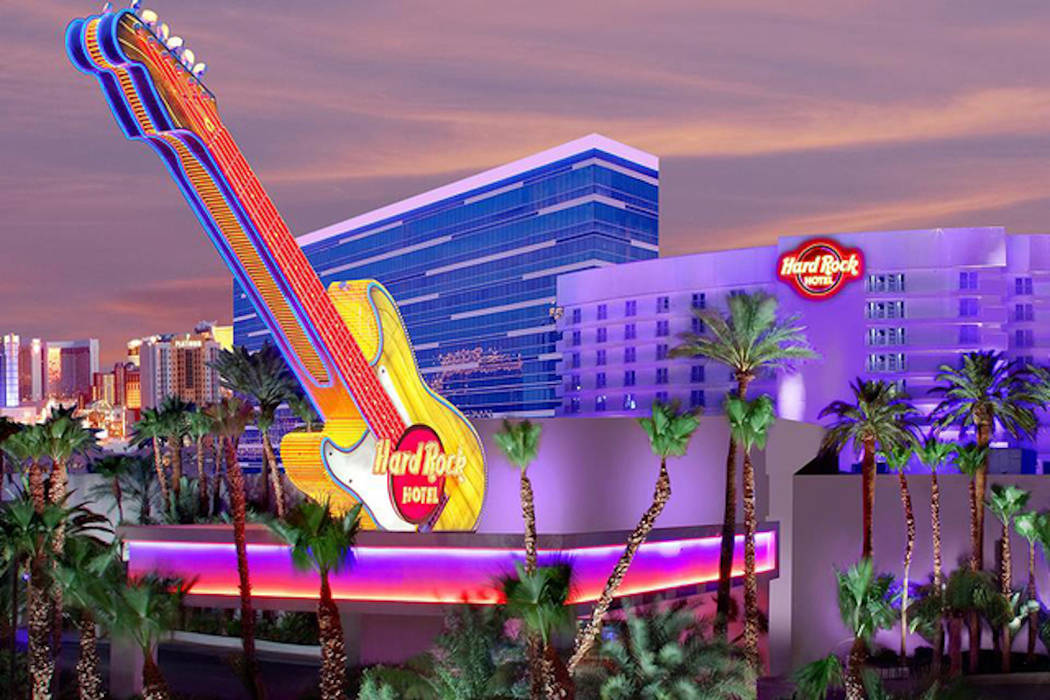
At the core of the Hard Rock Hotels portfolio are the properties that are directly owned and managed by Hard Rock International, and by extension, the Seminole Tribe of Florida. These flagship resorts and casinos often represent the pinnacle of the Hard Rock experience, serving as major landmarks and tourism magnets. Notable examples include the spectacular Seminole Hard Rock Hotel & Casino Hollywood in Florida, famous for its guitar-shaped hotel tower, and the Seminole Hard Rock Hotel & Casino Tampa. These properties are direct investments of the tribe, showcasing their vision for integrated resort destinations that combine luxury accommodation, world-class gaming, diverse dining options, high-end shopping, and live entertainment.
These corporate-owned and managed properties exemplify the full scope of the Hard Rock brand, offering an immersive lifestyle experience for guests. They are meticulously designed to incorporate the brand’s music-centric theme, featuring extensive memorabilia collections, state-of-the-art concert venues, and signature amenities like the Rock Spa and Body Rock fitness centers. These destinations are not only significant revenue generators for the tribe but also serve as benchmarks for the brand’s quality and service standards, attracting millions of visitors annually and significantly contributing to local tourism economies.
Franchise and Management Agreements
Beyond the directly owned properties, a substantial portion of Hard Rock Hotels and casinos globally operate under franchise or management agreements. In these arrangements, the physical assets—the hotel buildings, land, and associated infrastructure—are owned by independent investors, real estate groups, or other hospitality companies. Hard Rock International then grants these owners the right to use the Hard Rock brand name, its iconic logo, and its established operational standards in exchange for fees and a share of revenue.
Under a management agreement, Hard Rock International typically takes on the responsibility for daily operations, marketing, and staff training, ensuring that the property adheres to the brand’s strict quality guidelines and delivers the expected Hard Rock experience. Examples of such properties might include those in popular tourist destinations like Hard Rock Hotel Riviera Maya, Hard Rock Hotel Cancun, or Hard Rock Hotel Daytona Beach, where local partners invest in the physical infrastructure while leveraging Hard Rock’s global brand recognition and operational expertise. This model allows Hard Rock International to expand its footprint rapidly into diverse markets without necessarily incurring all the capital expenditure associated with direct ownership. It creates a symbiotic relationship where investors benefit from a proven brand, and Hard Rock extends its reach, offering unique accommodations and tourism experiences to a wider audience across the globe.
Hard Rock’s Brand Pillars: More Than Just a Stay
Regardless of the specific ownership model, every Hard Rock property is meticulously crafted to embody the brand’s core pillars, creating a distinct experience that goes far beyond typical accommodation. These pillars are what make Hard Rock Hotels a coveted choice for travelers seeking a vibrant and immersive lifestyle experience. At its heart, the brand is about music. Guests are surrounded by an incredible collection of authentic music memorabilia, from iconic guitars to stage outfits, transforming lobbies and hallways into living museums. This connection to music is further amplified by curated playlists, live music performances, and even in-room amenities like Fender guitars and DJ mixers available through their “Sound of Your Stay” program.
Beyond the auditory experience, Hard Rock emphasizes luxury and comfort. Suites and rooms are designed with modern aesthetics, premium bedding, and state-of-the-art technology, catering to the expectations of discerning travelers. The resorts often feature sprawling pools, world-class dining, and rejuvenating spas like the Rock Spa, which offers unique rhythmic treatments. Entertainment is another key pillar, with many properties boasting casinos, nightclubs, and dedicated performance venues that host top-tier artists. For families, many locations offer kid-friendly activities and facilities, ensuring a memorable trip for all ages. Hard Rock also prides itself on fostering a vibrant and engaging atmosphere, encouraging guests to connect with the brand’s energy and embrace a fun, rock ‘n’ roll lifestyle. This unique blend of music, luxury, and entertainment positions Hard Rock Hotels not just as places to stay, but as destinations that offer complete, unforgettable experiences tailored to those who appreciate the finer aspects of travel and culture.
Hard Rock’s Global Footprint and Future Outlook
Under the ownership of the Seminole Tribe of Florida, Hard Rock International has solidified its position as a global leader, continuously expanding its reach and influencing the international tourism and lifestyle sectors.
A Global Hospitality and Entertainment Powerhouse
Today, Hard Rock International operates in dozens of countries across six continents, making it a truly global hospitality and entertainment powerhouse. Its footprint spans regions like North America, Europe, Asia, the Caribbean, the Middle East, and even parts of South America, with new properties continually being developed. From the bustling streets of major metropolises to serene island paradises, Hard Rock properties are strategically located in prime tourism destinations.
Each Hard Rock establishment, whether a café, hotel, or casino, contributes significantly to its local economy. They create thousands of jobs, attract international visitors, and often become iconic landmarks in their respective cities. For instance, a Hard Rock Hotel in a particular city can become a focal point for entertainment, offering unique attractions that draw both domestic and international travelers, boosting local tourism and providing diverse accommodation options. This vast and diverse portfolio underscores the brand’s incredible adaptability and universal appeal, cementing its status as a major player in the global travel and leisure industry, renowned for offering experiences that transcend cultural boundaries.
Impact on Tourism and Lifestyle
The influence of Hard Rock Hotels on tourism and lifestyle is profound and multifaceted. For destinations, a Hard Rock presence often signals a commitment to vibrant entertainment, luxury accommodation, and a dynamic tourist experience. These properties act as catalysts for local tourism, drawing in a wide demographic ranging from music enthusiasts and casino aficionados to families seeking fun-filled vacations. The integrated resort model, prevalent in many Hard Rock locations, provides a comprehensive package of amenities – from spas and pools to diverse dining and shopping – that encourages longer stays and increased spending within the local economy.
From a lifestyle perspective, Hard Rock caters to a specific desire for experiences that blend leisure with an energetic, rock ‘n’ roll ethos. It champions a lifestyle of celebration, creativity, and indulgence, appealing to those who view travel as an opportunity for self-expression and memorable moments. Whether it’s the thrill of gaming, the relaxation of a Rock Spa treatment, or the excitement of a live concert, Hard Rock Hotels offer an escape that resonates with luxury travelers, adventure seekers, and anyone looking for a distinctive and engaging atmosphere. This unique blend contributes to its strong brand loyalty and ensures its continued relevance in a competitive market driven by evolving consumer preferences for authentic and experience-rich travel.
Future Expansion and Innovation
Looking ahead, Hard Rock International, under the unwavering ownership of the Seminole Tribe of Florida, shows no signs of slowing down. The brand is continually pursuing strategic expansion, with numerous hotel and casino projects in various stages of development across new and existing markets. This forward-thinking approach involves identifying emerging tourism hotspots and developing innovative concepts to meet the evolving demands of travelers. Hard Rock is dedicated to enhancing the guest experience through technological advancements, sustainable practices, and unique offerings that solidify its position as a leader in hospitality and entertainment.
From exploring new architectural designs that challenge conventions, like the iconic guitar-shaped hotels, to integrating cutting-edge digital experiences and diversifying its entertainment offerings, Hard Rock remains at the forefront of innovation. The focus is on creating immersive environments that not only meet but exceed guest expectations, ensuring that each visit is an unforgettable journey into the world of music, luxury, and authentic hospitality. This ongoing commitment to growth and excellence ensures that the Hard Rock legacy will continue to thrive, providing exceptional travel experiences and contributing significantly to the global tourism industry for years to come.
In conclusion, the question “Who owns Hard Rock Hotels?” leads to a remarkable story of cultural heritage meeting global commerce. The Seminole Tribe of Florida stands as the proud owner of Hard Rock International, guiding its extensive portfolio of cafes, hotels, and casinos with a clear vision for the future. Through a combination of corporate ownership and strategic franchise agreements, Hard Rock delivers a distinctive brand experience rooted in music, luxury, and unparalleled entertainment to guests around the world. As it continues to expand its global footprint, Hard Rock Hotels remains a shining example of how a powerful brand, coupled with visionary ownership, can redefine the landscape of travel, accommodation, and lifestyle.
LifeOutOfTheBox is a participant in the Amazon Services LLC Associates Program, an affiliate advertising program designed to provide a means for sites to earn advertising fees by advertising and linking to Amazon.com. Amazon, the Amazon logo, AmazonSupply, and the AmazonSupply logo are trademarks of Amazon.com, Inc. or its affiliates. As an Amazon Associate we earn affiliate commissions from qualifying purchases.