
The grandeur of New York City’s architectural landscape is often defined by its iconic buildings, each holding a unique story that intertwines with the city’s vibrant history. Among these, the Roosevelt Hotel stands as a testament to an era of unparalleled luxury and sophisticated urban living. For decades, its majestic facade in Midtown Manhattan has greeted countless travelers, celebrities, and business moguls, embodying the spirit of classic New York hospitality. However, beneath its celebrated history and prominent location lies a complex tale of ownership, economic shifts, and a recent transformation that has intrigued both history buffs and urban planners alike. The question, “Who owns Roosevelt Hotel?”, leads us down a fascinating path, exploring not just a property title but also the evolving face of a landmark and its crucial role in the urban fabric.
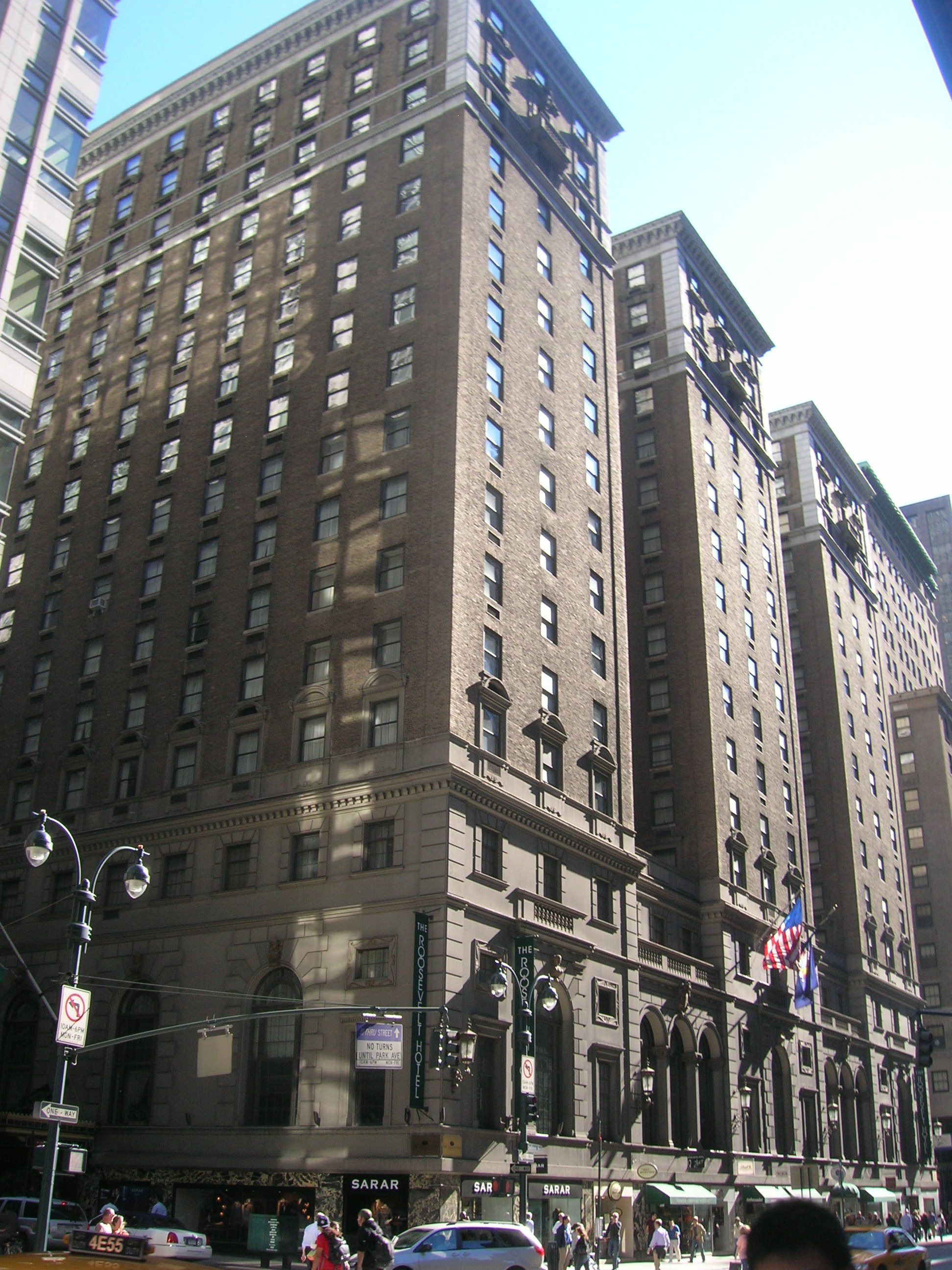
Once a beacon of lavish accommodation and a central hub for social gatherings, the Roosevelt Hotel has recently taken on a new, unexpected identity, shifting from a luxury stay to a humanitarian lifeline. This pivot underscores the challenges faced by historic properties in a rapidly changing world, where economic pressures, global events like the COVID-19 pandemic, and pressing social needs can redefine the purpose and future of even the most storied establishments. Understanding its ownership is key to unraveling the layers of its past, present, and the potential future of this New York City legend.
A Legacy of Grandeur: The Roosevelt Hotel’s Illustrious Past
Opened in 1924, the Roosevelt Hotel quickly established itself as a premier destination within New York City’s thriving hotel scene. Designed by George B. Post & Sons, this majestic Beaux-Arts masterpiece was named after President Theodore Roosevelt and became an instant landmark on Madison Avenue. Its strategic location, directly connected to Grand Central Terminal via an underground passage, made it an ideal choice for travelers seeking both convenience and luxury. From its opulent ballrooms to its exquisitely appointed suites, the Roosevelt Hotel epitomized the Jazz Age’s indulgence and sophistication, offering an unparalleled experience in accommodation and lifestyle.
The hotel’s early years were marked by a vibrant social calendar, hosting countless galas, political events, and celebrity gatherings. It became synonymous with the big band era, famously hosting Guy Lombardo and his Royal Canadians, who performed their annual New Year’s Eve broadcasts from the hotel for decades, cementing its place in American popular culture. Guests flocked to its glamorous settings, savoring gourmet dining, dancing in its lavish ballrooms, and enjoying the impeccable service that defined luxury travel of the time. The Roosevelt Hotel wasn’t just a place to stay; it was a destination, an experience, and a vital part of New York City’s pulsating heart.
Throughout the mid-20th century, the Roosevelt Hotel maintained its reputation, adapting to changing times while preserving its classic charm. It continued to attract a diverse clientele, from discerning tourists exploring New York’s attractions to business travelers attending conferences and meetings. Its architecture, history, and prime location made it a compelling choice for anyone seeking a true New York experience, blending the romance of the past with the dynamism of the present. The hotel’s legacy is deeply embedded in the narrative of New York City itself, representing an enduring symbol of hospitality and urban elegance.
Architectural Splendor and Design Influence
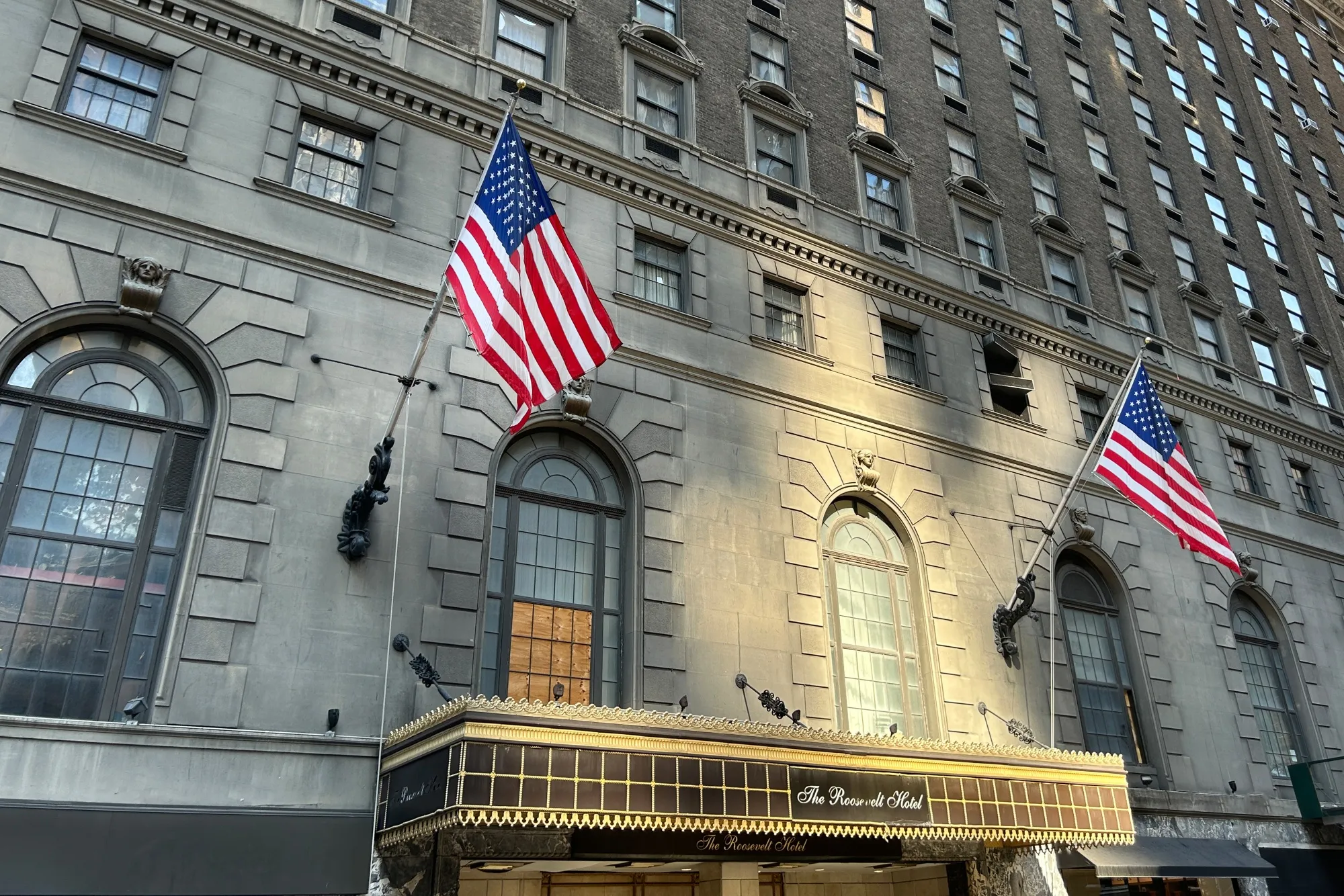
The architectural style of the Roosevelt Hotel is a prime example of the Beaux-Arts movement, characterized by its classical allusions, symmetrical planning, grand scale, and elaborate ornamentation. The exterior features a monumental presence, clad in limestone with intricate detailing that speaks to the craftsmanship of its era. Inside, guests were greeted by a majestic lobby with high ceilings, ornate chandeliers, polished marble, and rich wood paneling, creating an immediate sense of grandeur and timeless elegance. The design extended to its numerous rooms and suites, each thoughtfully appointed to offer comfort and luxury, reflecting the standards of high-end accommodation in the 1920s.
The hotel’s design wasn’t just about aesthetics; it was also about functionality and the guest experience. The layout facilitated seamless movement between its various amenities, from dining rooms and bars to ballrooms and meeting spaces. This thoughtful design contributed significantly to its success as a major event venue and a preferred choice for both leisure and business stays. The Roosevelt Hotel’s architectural integrity and historical significance have long been recognized, making it a beloved landmark that tells a story of a bygone era through its very structure. Its influence can still be seen in how designers approach combining historical grandeur with modern comforts, even in contemporary hotel resorts.
The Question of Ownership: Tracing the Hotel’s Proprietors
The ownership of a landmark property like the Roosevelt Hotel is rarely straightforward, often involving a succession of investors, corporations, and sometimes, even sovereign entities. For much of its recent history, the ownership narrative of the Roosevelt Hotel has been closely tied to Pakistan and its national flag carrier, Pakistan International Airlines (PIA). This unusual connection began in 1979 when PIA acquired a 50% stake in the hotel from the controlling Hotel Corporation of America. By 2000, PIA had become the sole owner of the property, a significant asset in its portfolio and a tangible piece of Pakistani investment in the heart of New York City.
The decision for an airline to own a hotel, particularly one in a prime Manhattan location, was driven by a strategic vision to diversify assets and establish a presence in a key global city. For decades, the Roosevelt Hotel served not only as a profitable business venture but also as a symbol of Pakistan’s international reach. However, managing a historic hotel in a competitive market like New York City comes with substantial challenges, including high operational costs, the need for continuous renovations, and navigating fluctuating economic cycles. Despite these hurdles, PIA maintained its ownership for over two decades as the sole proprietor, a period marked by both successes and increasing financial pressures.
The financial viability of the Roosevelt Hotel became a growing concern for PIA, especially in the face of mounting losses and the global economic downturns that affected the travel and tourism industry. Discussions about selling the hotel or redeveloping the site gained traction over the years, reflecting the complex interplay between national assets, international investment, and the realities of commercial real estate. The ownership by a state-owned enterprise added another layer of complexity, often involving governmental oversight and public scrutiny regarding its management and future.
The Impact of the COVID-19 Pandemic and Closure
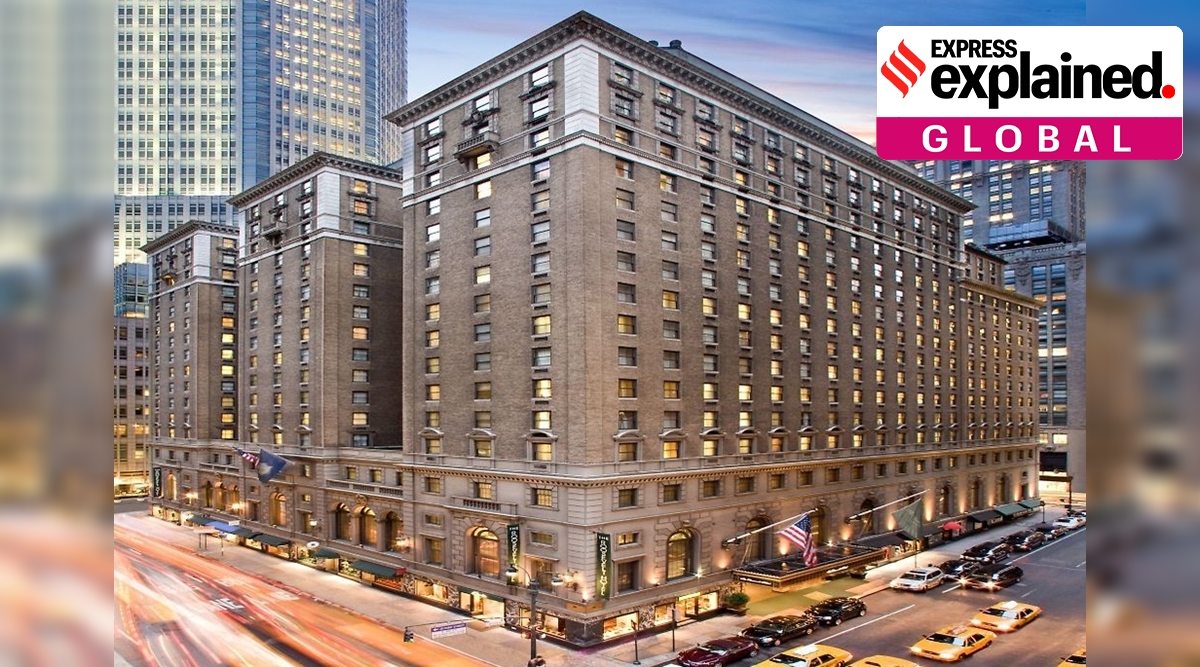
The year 2020 delivered an unprecedented blow to the global hospitality industry, and the Roosevelt Hotel was no exception. The COVID-19 pandemic brought international travel to a near standstill, severely impacting hotels worldwide. For the Roosevelt Hotel, which relied heavily on tourism and corporate travel, the sudden and drastic drop in occupancy proved to be unsustainable. After nearly a century of continuous operation, PIA announced in October 2020 that the hotel would close its doors permanently on December 18, 2020. This decision marked the end of an era for the iconic landmark, sending ripples of nostalgia and concern throughout New York City and among those familiar with its rich history.
The closure was a stark reminder of the fragility of even the most established businesses in the face of unforeseen global crises. It highlighted the immense financial strain that the pandemic placed on the hotel sector, leading to widespread closures, layoffs, and a reevaluation of operational models. For PIA, the closure represented a significant challenge regarding the future of a valuable asset that had ceased to generate revenue. The question then shifted from “Who owns the Roosevelt Hotel?” to “What will become of the Roosevelt Hotel under its current ownership?”
The Current Status: From Grand Hotel to Humanitarian Hub
Following its closure as a hotel, the future of the Roosevelt Hotel remained uncertain for a period. Discussions revolved around potential redevelopment, sale, or even demolition, stirring debates about the preservation of historic landmarks versus the demands of modern urban development. However, in an unexpected turn of events in May 2023, the Roosevelt Hotel was repurposed to address a pressing humanitarian crisis in New York City. Under the administration of Mayor Eric Adams, the city designated the vacant hotel as an intake center and temporary shelter for asylum seekers arriving in the city.
This transformation marked a dramatic shift in the building’s function, moving from a symbol of luxury travel to a critical component of the city’s response to a growing humanitarian need. The Roosevelt Hotel quickly became the primary processing center for migrants, particularly families with children, offering not just shelter but also essential services and a dignified welcome. This initiative, while temporary, underscored the adaptability of urban infrastructure and the potential for historic buildings to serve new, vital purposes beyond their original design. It also highlighted the complex social and political challenges that major cities face, requiring innovative solutions and resourcefulness.
The decision to utilize the Roosevelt Hotel for this purpose was a pragmatic response to an emergency, leveraging the existing large-scale accommodation infrastructure of the former hotel. While it departed significantly from its century-long legacy as a high-end travel destination, it provided a necessary solution during a critical time. This current use highlights the dual narrative of the hotel: its past as a grand urban resort and its present as a facility addressing a profound societal need. PIA continues to own the property, leasing it to the New York City government for its current humanitarian mission.
Redevelopment Plans and Future Prospects
Despite its current use as a humanitarian center, the long-term future of the Roosevelt Hotel property under PIA ownership is still subject to ongoing discussions and potential redevelopment plans. Before its closure, various proposals had been floated, including the possibility of converting it into a mixed-use development, incorporating residential units, retail spaces, and perhaps a smaller hotel component. The value of the land in such a prime Midtown Manhattan location remains exceptionally high, making it an attractive site for significant investment.
Any future redevelopment would need to navigate complex considerations, including the preservation of the building’s historic facade and key interior elements, adherence to New York City zoning regulations, and the financial feasibility of large-scale construction in a dense urban environment. The Pakistani government, as the ultimate owner of PIA, would likely play a crucial role in approving any major sale or redevelopment project, weighing the economic benefits against the historical and symbolic value of the asset. The process would also involve attracting private developers or investors capable of undertaking such a significant project.
The journey from a luxurious hotel to a humanitarian hub and potentially to a redeveloped commercial or residential complex reflects the dynamic nature of urban real estate and the ever-changing demands of a global city like New York. The Roosevelt Hotel’s story continues to evolve, demonstrating how landmark properties, regardless of their ownership, are deeply intertwined with the economic, social, and cultural tides that shape their environment. The potential for the site, once its current humanitarian role concludes, remains a topic of considerable interest, promising another chapter in the storied life of this New York City institution.
The Broader Context: Historic Hotels and Urban Development Challenges
The saga of the Roosevelt Hotel’s ownership and its recent transformation offers a microcosm of broader challenges facing historic hotels and urban landmarks worldwide. Preserving these architectural treasures, while ensuring their economic viability in contemporary markets, is a delicate balancing act. Many grand hotels from the early 20th century, built to cater to a different era of travel and tourism, now grapple with the demands of modern travelers, the imperative for sustainable operations, and the escalating costs of maintenance and renovation.
In bustling metropolises like New York City, where real estate values are astronomical, the temptation to demolish older structures for new, more profitable developments is constant. However, the cultural and historical value of buildings like the Roosevelt Hotel cannot be overstated. They represent tangible links to the past, contributing significantly to the city’s unique character and appeal. The debate often centers on how to adapt these landmarks without stripping them of their essence—whether through sensitive renovations that blend old and new, or through innovative repurposing that gives them a renewed sense of purpose.
The Roosevelt Hotel’s journey also highlights the impact of global events and policy decisions on local economies and industries. The COVID-19 pandemic exposed vulnerabilities across the travel and accommodation sectors, forcing many establishments, especially those with high overheads, to re-evaluate their operations. Simultaneously, the city’s need for emergency shelter for asylum seekers demonstrated how existing infrastructure, even a former luxury hotel, can be quickly mobilized to address urgent social needs. This fluidity underscores the multifaceted role that large, centrally located properties can play in urban environments, moving beyond their initial design to serve unexpected functions.
The ownership by a national airline, Pakistan International Airlines, also adds an international dimension to the story. It illustrates how foreign investment in key urban assets can be influenced by economic conditions, political shifts, and the strategic objectives of a sovereign entity. The challenges faced by PIA in managing and maintaining such a significant property from afar reflect the complexities of cross-border asset management and the unique pressures associated with state-owned enterprises. Ultimately, the question of “Who owns Roosevelt Hotel?” becomes more than just a legal inquiry; it encapsulates a narrative about history, economics, urban development, and humanitarianism, all converging at a single, iconic address in New York City.
In conclusion, while the immediate answer to “Who owns Roosevelt Hotel?” points to Pakistan International Airlines, the deeper narrative reveals a complex tapestry of historical grandeur, economic struggles, and an unforeseen pivot towards humanitarian service. From its opening in 1924 as a pinnacle of luxury travel to its current role as a critical intake center for asylum seekers, the Roosevelt Hotel has embodied the dynamic spirit of New York City. Its future, whether through eventual sale, redevelopment, or a continued role in public service, will undoubtedly add another fascinating chapter to the legacy of this cherished Midtown Manhattan landmark. Its story is a powerful reminder of how even the most iconic structures must adapt and evolve in response to the ever-changing tides of history and human need.
LifeOutOfTheBox is a participant in the Amazon Services LLC Associates Program, an affiliate advertising program designed to provide a means for sites to earn advertising fees by advertising and linking to Amazon.com. Amazon, the Amazon logo, AmazonSupply, and the AmazonSupply logo are trademarks of Amazon.com, Inc. or its affiliates. As an Amazon Associate we earn affiliate commissions from qualifying purchases.