
Florida, often dubbed the Sunshine State, is a premier global destination renowned for its pristine beaches, world-class theme parks, and vibrant cultural experiences. Millions of visitors flock here annually, drawn by the promise of unforgettable travel, luxurious hotel stays, diverse tourism opportunities, and countless accommodation options. From iconic landmarks to a lifestyle that caters to both luxury and budget travelers, Florida’s allure is undeniable. However, behind this glamorous facade lies an intricate economic framework, one crucial component of which is the state’s minimum wage. Understanding “what is Florida minimum wage” is not merely a matter of labor economics; it’s a window into the cost of doing business, the quality of service, and the very fabric of the hospitality and tourism industry that drives the state. For both prospective travelers and those considering a move to this dynamic state, the minimum wage plays a significant role in shaping everything from resort pricing to the smiling faces greeting you at your hotel.
Understanding Florida’s Minimum Wage Landscape
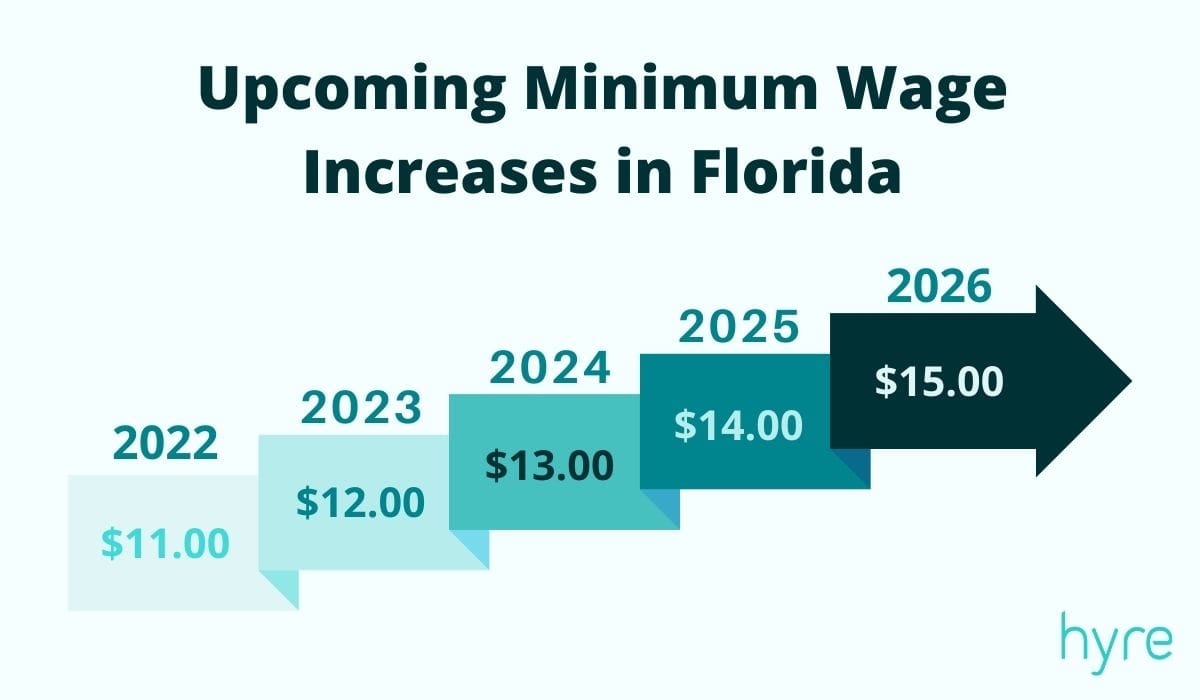
Florida’s approach to the minimum wage has evolved significantly over the past two decades, reflecting national trends and local economic pressures. The state’s minimum wage is determined by a constitutional amendment approved by voters in 2004, which mandates an annual adjustment based on inflation. More recently, however, a new constitutional amendment, Amendment 2, passed in 2020, has set Florida on a trajectory towards a $15 per hour minimum wage. This progressive increase is designed to happen in annual increments until it reaches the target by 2026. This commitment to a higher wage floor has profound implications for a state so heavily reliant on its service sector.
Historical Context and Recent Changes
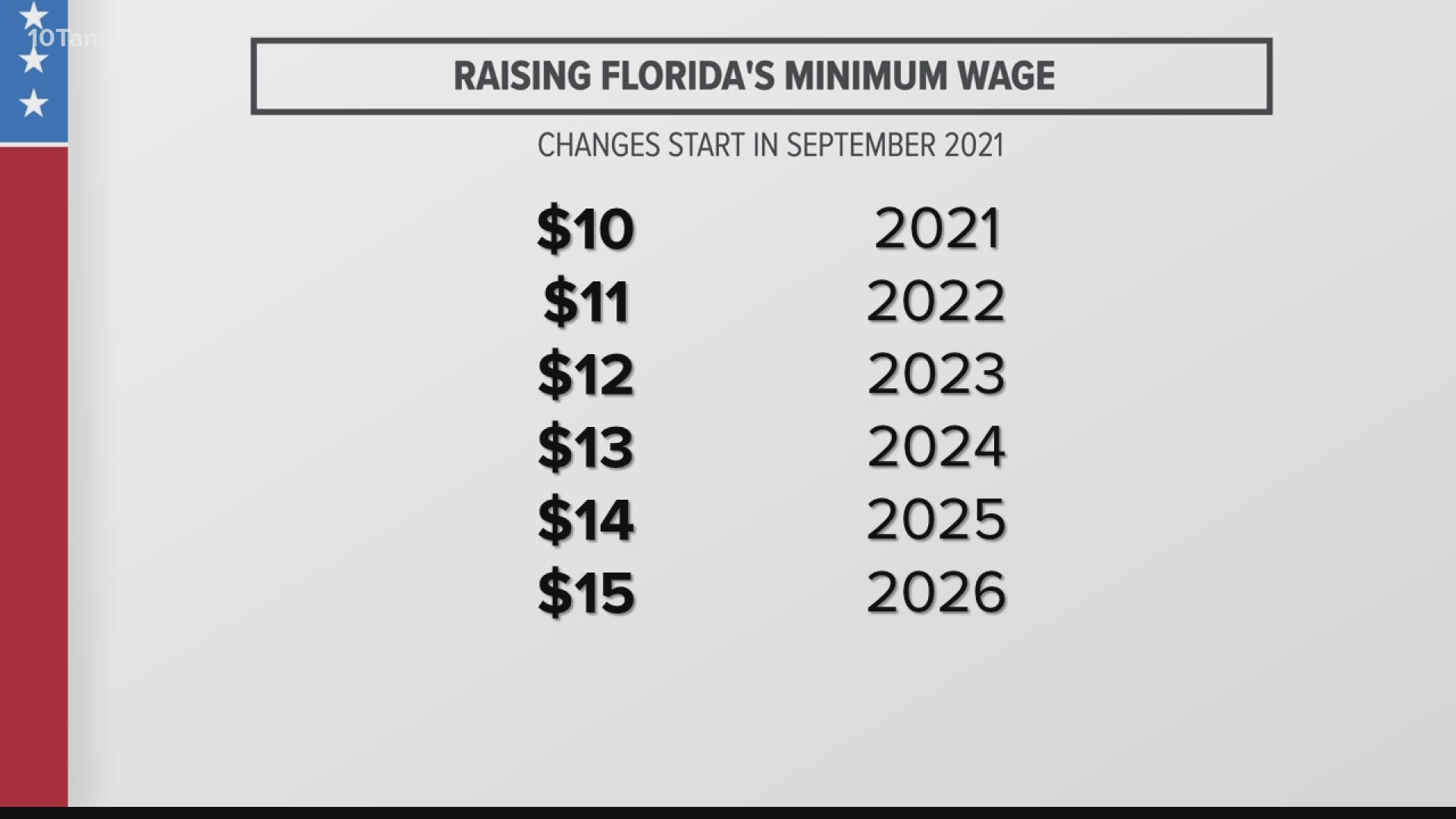
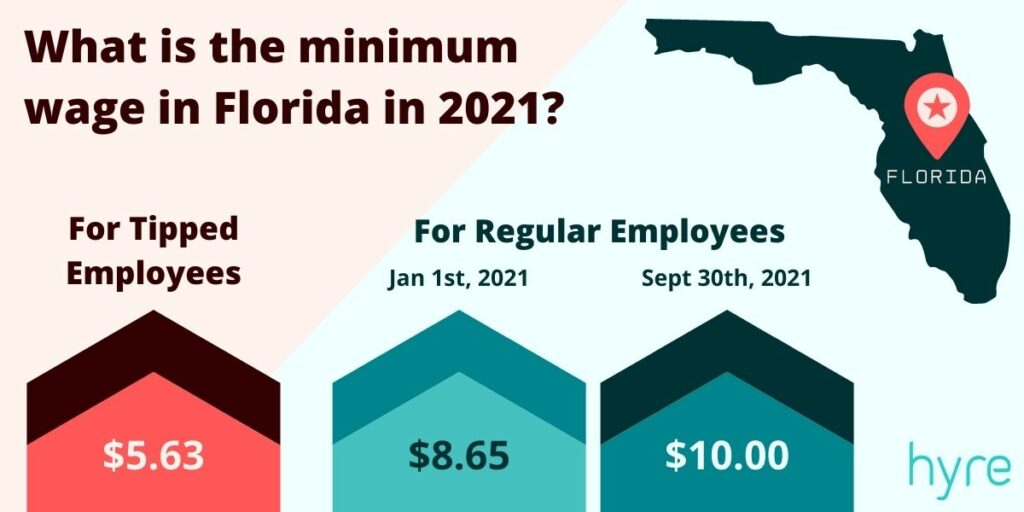
Prior to the 2004 amendment, Florida’s minimum wage mirrored the federal rate. The subsequent amendment established a state-specific rate, which was then adjusted annually on September 30th based on the Consumer Price Index for Urban Wage Earners and Clerical Workers (CPI-W) for the Southern Region. This ensured that the minimum wage kept pace, at least partially, with the rising cost of living. However, the most transformative change began with Amendment 2. Starting in September 2021, the minimum wage began its incremental climb, increasing by $1 each year. This structured increase provides businesses with a predictable timeline to adjust their operations, budgeting, and pricing strategies. For a state like Florida, where the tourism and hospitality sectors are dominant employers, these changes are not just statistics; they are direct influences on operational costs and human resource management across countless hotels, attractions, and service providers.
The Current Minimum Wage Rate
As of September 30, 2023, the Florida minimum wage stands at $12.00 per hour. This marks another step in the planned increases towards the $15 goal. For tipped employees, the minimum cash wage is currently $8.98 per hour, with employers being allowed a maximum tip credit of $3.02 per hour. This distinction is particularly relevant in the hospitality industry, where gratuities form a significant portion of many workers’ income. It’s crucial for both employers and employees in places like Miami‘s bustling restaurants or Orlando’s resort hotels to understand these precise figures and how they impact earnings and payroll. The progression will see the minimum wage rise to $13.00 on September 30, 2024, $14.00 on September 30, 2025, and finally $15.00 on September 30, 2026. After 2026, the annual adjustments based on inflation will resume, ensuring the wage continues to adapt to economic conditions.
Impact on Florida’s Tourism and Hospitality Sector
The tourism and hospitality industry is the lifeblood of Florida’s economy, generating billions in revenue and employing millions of people. From the concierge at a luxury resort in Palm Beach to the ride operator at Walt Disney World Resort in Lake Buena Vista, these workers form the backbone of the visitor experience. The rising minimum wage inherently impacts this sector in multifaceted ways, influencing everything from operational strategies to the quality of service provided.
Labor Costs and Business Operations
For businesses operating in the tourism and hospitality sectors, increased minimum wages directly translate to higher labor costs. Hotels, restaurants, theme parks, and tour operators must adjust their budgets to accommodate these changes. This can lead to various strategic decisions:
- Pricing Adjustments: To offset increased payroll expenses, some businesses might consider adjusting their prices for rooms, meals, attraction tickets, or tour packages. For instance, a boutique hotel in St. Augustine might slightly increase its room rates to maintain profitability.
- Operational Efficiencies: Businesses may invest in technology to improve efficiency and reduce reliance on manual labor. This could mean self-service kiosks at hotels, automated check-in processes, or more efficient scheduling software.
- Staffing Levels: While ideally, businesses strive to maintain high service levels, some might re-evaluate staffing levels or optimize shift schedules to manage costs, particularly during off-peak seasons.
- Focus on Value: Many establishments, especially those catering to budget travelers, will need to be particularly astute in balancing cost increases with perceived value, ensuring their offerings remain competitive.
Employee Lifestyles and Service Quality
A higher minimum wage can significantly improve the quality of life for many tourism workers in Florida. A livable wage means employees are less likely to experience financial stress, which can positively impact morale, reduce turnover, and foster a more dedicated workforce.
- Improved Morale and Retention: When employees feel fairly compensated, they are generally more motivated and loyal. This can lead to lower staff turnover, which is a substantial benefit for businesses as it reduces recruitment and training costs. A long-term, experienced staff often translates to better and more consistent service.
- Enhanced Service Quality: Employees who are less stressed about making ends meet can focus more on their work, leading to better customer service. A happy, well-compensated workforce is more likely to provide the warm, welcoming, and efficient service that guests expect when visiting a premium destination. Imagine the difference in your experience at a five-star resort like The Breakers Palm Beach if the staff are truly content and engaged.
- Skill Development: With a more stable workforce, businesses can invest more in training and skill development, further enhancing the professionalism and expertise of their employees, benefiting the overall tourism infrastructure.
Affordability for Tourism Workers
While the higher minimum wage improves earning potential, Florida’s cost of living, particularly in major tourist hubs like Orlando, Miami, and Key West, remains a significant challenge. Housing, transportation, and daily expenses can quickly erode wage gains. The minimum wage increase aims to bridge this gap, allowing more workers to afford to live closer to their workplaces, reduce commute times, and participate more fully in the local economy. This is particularly critical for those working in accommodation, such as housekeepers, front desk staff, and maintenance personnel, who often live in communities surrounding the bustling resort areas. The ability for these workers to afford basic necessities helps ensure a stable and available labor pool for the demanding tourism industry.
The Visitor Experience: How Minimum Wage Shapes Your Florida Trip
For travelers planning their perfect Florida getaway, the minimum wage might seem like a distant economic policy. Yet, its effects subtly permeate almost every aspect of the visitor experience, from the price of a room to the quality of a meal. Understanding these linkages can help travelers budget more effectively and appreciate the underlying dynamics of their chosen destination.
Pricing at Hotels and Attractions
As businesses grapple with increased labor costs, these expenses are often factored into the pricing structure for consumers.
- Hotel Stays: Whether you’re booking a suite at the Hyatt Regency Orlando or a budget-friendly apartment in Fort Lauderdale, the cost of staffing directly influences room rates. While competitive markets prevent drastic increases, travelers might notice slight adjustments over time, particularly in areas with high demand and sophisticated service requirements.
- Theme Park Tickets and Experiences: Major attractions like Universal Studios Florida, Busch Gardens Tampa Bay, and SeaWorld Orlando employ thousands of people, from ride operators and entertainers to food service staff and guest relations. The increased minimum wage contributes to their operational overhead, which can manifest in ticket prices, food and beverage costs, or merchandise pricing within the parks.
- Dining and Tours: Restaurants, from casual diners to high-end establishments, and various tour operators (e.g., airboat tours in the Everglades National Park or dolphin cruises off Clearwater Beach) also absorb these costs. Travelers might observe modest price increases on menus or tour packages. However, the improved service quality due to better-compensated staff often justifies these adjustments, creating a more positive overall experience.
Quality of Service and Local Economy
A thriving local economy, supported by fair wages, often translates to a more authentic and enjoyable visitor experience.
- Elevated Service Standards: As discussed, a higher minimum wage can lead to a more motivated and professional workforce. This directly benefits visitors through improved customer service at hotels, more engaging interactions at attractions, and higher quality culinary experiences. Imagine a stay at a resort like Loews Portofino Bay Hotel where every staff member is genuinely committed to enhancing your experience.
- Vibrant Local Culture: When local workers earn a livable wage, they have more disposable income to spend in their communities. This supports local businesses beyond the direct tourism sector, fostering a more vibrant and diverse local culture that travelers can explore. From independent art galleries in Sarasota to unique eateries in Jacksonville, these local enterprises thrive when the local economy is robust.
- Sustainable Tourism: A minimum wage that supports local workers contributes to more sustainable tourism by ensuring that the benefits of the industry are shared broadly within the community, rather than concentrated at the top. This fosters a more positive relationship between the tourism industry and local residents.
Budgeting for Your Florida Adventure
Awareness of the minimum wage’s impact can help travelers budget more effectively for their Florida trip.
- Factor in Service Costs: Understand that slightly higher prices for services, accommodation, and attractions are often reflective of better compensation for the staff providing those services.
- Tipping Culture: Florida maintains a strong tipping culture, especially for service roles where the base wage for tipped employees is lower. When dining out or utilizing services, remember to factor in appropriate gratuities, which directly supplement the income of the service staff.
- Research and Compare: Use accommodation booking platforms to compare hotel prices in different areas. Consider staying slightly outside the most popular tourist zones like South Beach in Miami or near Orlando’s theme parks if budget is a primary concern. Many great options exist, from vacation villas to charming bed and breakfasts, offering excellent value.
Florida’s Diverse Offerings Through an Economic Lens
Florida’s geographic and cultural diversity means that the impact of the minimum wage can vary across different regions and types of destinations. From the family-friendly behemoth of Orlando to the sophisticated charm of Naples, each area presents a unique economic landscape shaped by local industries and visitor profiles.
From Orlando’s Theme Parks to Miami’s Beaches
The economic engines of Florida are diverse. In Orlando, the sheer scale of operations at destinations like Walt Disney World Resort and Universal Orlando Resort means that even small increases in the minimum wage impact thousands of employees and require massive logistical adjustments for these entertainment giants. The high volume of visitors allows for certain economies of scale, but also necessitates constant hiring and training.
In contrast, urban centers like Miami boast a luxury travel market alongside vibrant nightlife and cultural tourism. Here, premium hotels, high-end restaurants, and exclusive experiences are common. While the minimum wage sets a floor, many positions in the luxury sector already offer wages above this threshold, reflecting the demand for highly skilled and experienced service professionals. However, the minimum wage still provides a critical baseline for entry-level positions and ensures a baseline standard of living for a broad segment of the workforce. Coastal cities like Fort Lauderdale and Clearwater Beach, known for their beaches and cruise ports, also rely heavily on service staff, making the minimum wage a pivotal economic factor for their local economies.
Supporting Local Businesses and Sustainable Tourism
A balanced approach to minimum wage supports not only large corporations but also the countless small and medium-sized businesses that add character and authenticity to Florida. Think of the family-run seafood shacks in the Florida Keys, the independent art galleries in St. Petersburg, or the historical tour guides in St. Augustine. These businesses are often more sensitive to labor cost fluctuations but are also the heart of local culture and provide unique experiences that draw tourists. By ensuring workers earn a fair wage, the state helps foster a stable consumer base for these local enterprises. This, in turn, contributes to sustainable tourism practices, where the economic benefits of tourism are distributed more equitably within the community, fostering genuine local pride and engagement, rather than just benefiting external investors. This makes the overall destination more appealing and resilient in the long run.
Navigating Florida: Tips for Travelers and Workers
Whether you’re planning your dream vacation or considering career opportunities in the Sunshine State, understanding the economic landscape shaped by the minimum wage offers valuable insights.
Finding Affordable Accommodation and Experiences
For travelers, the minimum wage’s impact on pricing means being strategic about booking.
- Book in Advance: Especially for popular seasons and major events, securing accommodation and flights early can often lock in better rates before potential price adjustments due to rising operational costs.
- Explore Beyond the Obvious: While iconic destinations are a must-see, consider exploring less-traveled gems. Smaller towns and coastal communities may offer more affordable accommodation options and unique experiences, often with a more laid-back atmosphere.
- Utilize Package Deals: Many resorts and travel agencies offer package deals that can combine flights, hotels, and sometimes attractions, potentially offering savings compared to booking each component separately.
- Consider Vacation Rentals: Platforms offering apartments, villas, and long-term stays can sometimes provide more value, especially for families or longer trips, giving you the flexibility to cook your own meals and save on dining out, which is directly impacted by local labor costs.
Career Opportunities in Florida’s Tourism Sector
For individuals considering employment in Florida’s thriving tourism sector, the rising minimum wage presents a positive outlook.
- Improved Entry-Level Wages: The incremental increases mean that entry-level positions across hotels, resorts, theme parks, and restaurants offer a more competitive starting wage, making these roles more attractive.
- Career Growth: The hospitality industry is known for its opportunities for advancement. Starting at a minimum wage position can be a stepping stone to higher-paying roles with more responsibility, particularly if you demonstrate dedication and a commitment to customer service.
- Diverse Roles: The tourism sector encompasses an incredibly diverse array of jobs, from event planning and marketing to culinary arts and spa services. Many roles extend beyond the minimum wage bracket, offering specialized skills and higher compensation.
Conclusion
The question “What is Florida minimum wage?” opens a fascinating discussion that extends far beyond a simple numerical answer. It’s a lens through which we can view the intricate connections between economic policy, the thriving tourism industry, the quality of services, and the daily lives of millions of residents and visitors. The state’s commitment to gradually raising its minimum wage to $15 per hour by 2026 reflects a broader societal push for greater economic equity, even as it presents operational challenges and opportunities for businesses. For travelers, understanding these dynamics can enrich their experience, offering insights into the true cost of their luxurious resort stay or their thrilling theme park adventure, and fostering an appreciation for the dedicated individuals who make Florida such an extraordinary destination. As the Sunshine State continues to welcome the world, its evolving minimum wage will remain a foundational element shaping its economic future and the unparalleled experiences it offers.
LifeOutOfTheBox is a participant in the Amazon Services LLC Associates Program, an affiliate advertising program designed to provide a means for sites to earn advertising fees by advertising and linking to Amazon.com. Amazon, the Amazon logo, AmazonSupply, and the AmazonSupply logo are trademarks of Amazon.com, Inc. or its affiliates. As an Amazon Associate we earn affiliate commissions from qualifying purchases.