
For countless travelers around the globe, checking into a hotel room often brings a sense of familiarity and comfort. Beyond the crisp sheets, the miniature toiletries, and the ever-present ice bucket, there’s another item that has become an enduring, albeit often unnoticed, fixture: the Bible. Its consistent presence across a vast array of accommodations, from budget motels to luxury resorts, sparks a curious question for many: why is it there, and how did this tradition begin? The story behind the hotel room Bible is a fascinating blend of faith, philanthropy, and the evolving philosophy of hospitality, deeply intertwined with the history of travel and accommodation itself.

The Genesis of a Global Tradition: The Gideons International
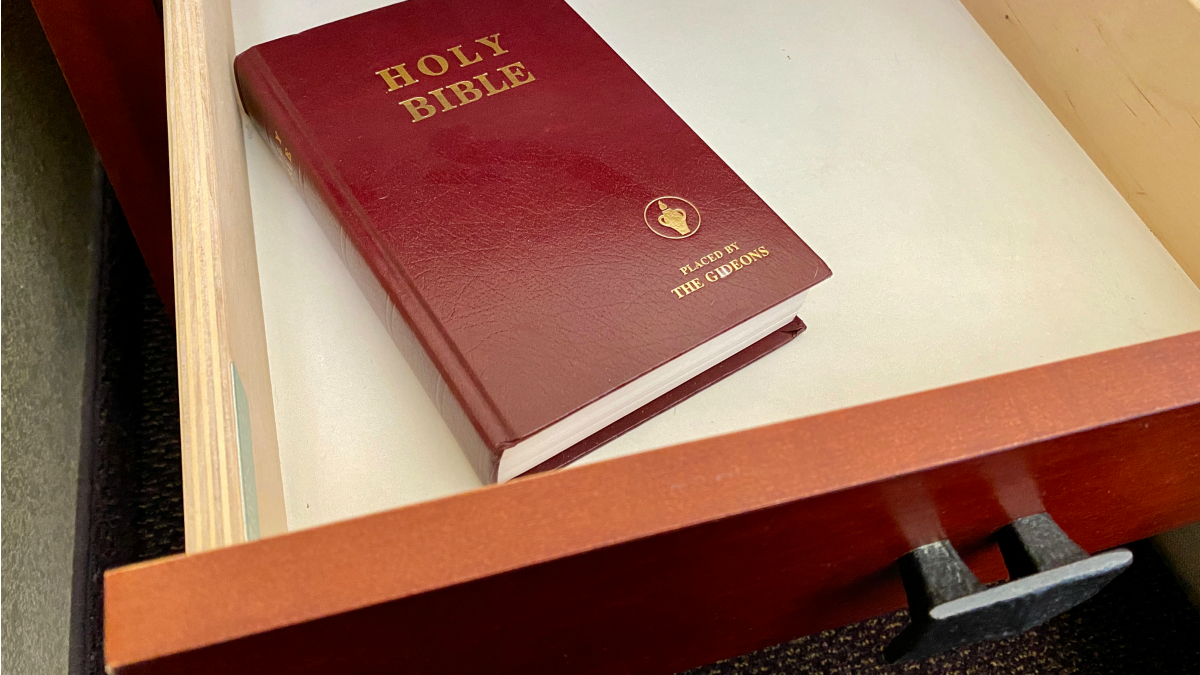
The pervasive presence of the Bible in hotel rooms can be largely attributed to one organization: Gideons International. This association of Christian businessmen and professionals has dedicated itself for over a century to distributing free Bibles and New Testaments worldwide. Their mission is rooted in sharing the Gospel, and they have identified hotels as a unique, far-reaching platform to achieve this goal.
The Origin Story of a Charitable Endeavor
The concept for Gideons International was born out of a chance encounter in 1898. Two traveling salesmen, Samuel E. Hill and John H. Nicholson, found themselves sharing a room at the Central Hotel in Boscobel, Wisconsin, because the hotel was fully booked. They discovered a shared faith and discussed the challenges of maintaining their spiritual lives while constantly on the road. The following year, Hill proposed forming an association of Christian traveling men for fellowship and evangelism. At a meeting in Janesville, Wisconsin, joined by William J. Knights, the name “The Gideons” was chosen, inspired by the biblical figure Gideon, who was a man of faith, humility, and courage.
Initially, the group focused on providing hospitality and mutual support among its members. However, in 1908, a pivotal shift occurred. During a convention in Chicago, one of the members suggested placing Bibles in hotel rooms. The idea was simple yet profound: to offer spiritual comfort and guidance to weary travelers, many of whom might be away from home and feeling isolated or in need of solace. The first Bibles were placed in the Superior Hotel in Superior, Montana that very year. Soon after, the initiative gained momentum, and the organization began to expand its reach, distributing Bibles not only in hotels but also in hospitals, schools, prisons, and military bases across the United States and eventually, the world.
The Mechanics of Distribution and Continued Outreach
The Gideons operate on a donation-based model, funded by individuals and churches. They approach hotel management directly, offering to provide Bibles free of charge. Most hotels readily accept, as it costs them nothing and is seen as a traditional amenity that can offer peace of mind to some guests. The Gideons do not sell the Bibles; they are always provided as a gift. Volunteers from the organization personally deliver and place the Gideon Bible in hotel rooms, often replacing worn-out copies. This hands-on approach ensures consistent placement and fosters relationships with the hospitality industry.
Over the decades, Gideons International has placed over two billion Bibles and New Testaments in more than 200 countries, territories, and possessions. While the iconic placement in hotel rooms is their most recognizable effort, their broader mission extends to reaching various segments of society who might not otherwise encounter a Bible. This long-standing commitment has solidified their role as the primary reason for the ubiquitous presence of the Bible in hotel rooms worldwide.
Beyond the Book: The Philosophy of Hospitality and Comfort
While the Gideons provide the physical book, the hotels’ willingness to accept and display them speaks to a deeper tradition within the hospitality industry. The presence of a Bible is often viewed as an extension of guest care, providing a silent amenity intended to offer spiritual comfort, a sense of home, and a moral compass for travelers.
Providing Spiritual Solace and a Sense of Home
For many guests, particularly those traveling for business, facing personal challenges, or feeling homesick, the sight of a Bible can be genuinely comforting. It offers a familiar presence, a reminder of faith, and a potential source of solace during lonely nights or stressful trips. Hotels, at their core, aim to be a “home away from home,” and for a significant portion of the population, a religious text is an integral part of their home environment. By providing a Bible, hotels subtly cater to the spiritual needs of their guests, aligning with the broader goal of making their stay as pleasant and reassuring as possible. This aligns with the wider ethos of accommodation, which seeks to provide not just shelter, but also comfort and convenience.
This tradition also subtly reinforces a sense of continuity and stability. Regardless of the destination or the specific hotel chain, the presence of the Bible is a consistent element that transcends cultural boundaries for many Christian travelers. It can be particularly reassuring for older generations who grew up with this tradition, offering a familiar touch in an unfamiliar place.
A Symbol of Care and Tradition in Hotels
For hotel management, accepting Bibles from the Gideons is often a no-brainer. It’s a free amenity that aligns with a long-standing tradition of hospitality. It requires no financial outlay from the hotel and is generally perceived as a positive gesture. Many hotel owners and managers themselves may share the Christian faith or simply view it as a harmless and potentially beneficial offering to their guests. The practice has become so ingrained that it’s almost an expectation, a standard part of the room setup, much like a notepad or a television remote.

The tradition also reflects the historical roots of hospitality, which often had strong ties to religious institutions. Monasteries and religious orders historically provided lodging for travelers and pilgrims, intertwining spiritual care with physical shelter. While modern hotels are largely secular businesses, some of these foundational elements of providing holistic care, including spiritual provision, have subtly persisted. The Bible in the drawer is a vestige of this historical connection, embodying a timeless commitment to the well-being of the traveler. It’s a gesture of care that costs nothing but has the potential to provide significant value to a segment of their clientele, thus enhancing the overall guest experience.
A Changing Landscape: Modern Travel, Diversity, and the Future of Hotel Room Bibles
While the Gideon Bible remains a common sight, the modern travel landscape is increasingly diverse and globalized. This shift has led to discussions and evolving practices regarding religious texts in hotel rooms, reflecting changing guest demographics and broader societal views on inclusivity and secularism.
Evolving Guest Demographics and Global Tourism
Today’s travelers come from every corner of the world, representing a vast array of faiths, beliefs, and non-beliefs. A guest checking into a hotel in New York City could be from Japan, India, Brazil, or anywhere in between. For many, a Christianity-specific text may not resonate, or could even be perceived as an imposition in a secular space. This growing diversity has prompted some hotel chains, particularly those with a strong international presence or a focus on a more secular, modern brand image, to reconsider the automatic placement of Bibles.
Major international brands like Marriott International, Hilton Worldwide, and Hyatt Hotels Corporation often navigate these waters carefully. While many of their properties still feature Gideons’ Bibles, some newer or more upscale brands within their portfolios may omit them. For instance, some boutique hotels or design-focused properties might opt out to maintain a minimalist aesthetic or to avoid any perceived religious affiliation. In some regions, especially parts of the Middle East or Asia where Islam or Buddhism are dominant, hotels might instead offer the Quran, Buddhist scriptures, or no religious texts at all. This practice is a nod to local culture and the prevailing religious landscape of specific destinations.
Alternative Offerings and Inclusivity
In response to the diverse spiritual needs of their guests, some hotels and hotel groups have adopted more inclusive approaches. Instead of a single Bible, some properties might offer a selection of religious texts upon request, which could include the Torah (Judaism), the Quran (Islam), or even the Book of Mormon (Church of Jesus Christ of Latter-day Saints). This “opt-in” model respects both religious freedom and the desire for a neutral space, allowing guests to access spiritual resources if they wish, without making an unsolicited statement.
Another trend is the complete removal of all religious texts, particularly in hotels aiming for a strictly secular or globally neutral ambiance. These hotels often prioritize other amenities like advanced technology, wellness programs, or sustainable practices, viewing physical books as somewhat dated or potentially divisive. For these establishments, hospitality means providing a universally welcoming environment, free from any specific religious endorsements.
The debate around the hotel Bible also touches on the concept of “unsolicited religious material.” While many view the Bible’s presence as benign, a minority finds it intrusive or a subtle form of proselytization in what should be a neutral commercial space. This sentiment, while not widespread, contributes to the ongoing evolution of hotel amenity standards. Ultimately, the decision of whether to include religious texts, and which ones, rests with individual hotel owners and management groups, influenced by their target market, brand philosophy, and geographical location.
The Guest Experience: More Than Just a Book
The presence or absence of a Bible in a hotel room, while sometimes a point of discussion, often plays a subtle role in the overall guest experience. For some, it’s a profound comfort; for others, it’s entirely unnoticed, or perhaps a minor curiosity.
The Silent Amenity and Personal Choice
For the vast majority of travelers, the Bible in the drawer is a silent amenity. It might be discovered during an idle moment, picked up and browsed, or remain untouched for the entire stay. Its discreet placement—usually in a nightstand drawer—suggests it’s there for those who seek it, rather than an overt display. This quiet availability reflects the Gideons’ original intent: to provide access to scripture without imposing it. For a traveler experiencing stress, grief, or simply a moment of contemplation, its presence can be a welcome and unexpected resource.
Many international hotel chains, recognizing the diverse needs of their global clientele, strive to offer amenities that cater to a broad spectrum of preferences. While a Bible might be a staple in many rooms, it coexists with other forms of entertainment (TVs, Wi-Fi), comfort items (coffee makers, plush robes), and practical resources (local guides, business services). It’s part of a larger ecosystem of provisions designed to make a stay comfortable and convenient, irrespective of how frequently it is utilized.
Perceptions and the Future of Tradition in Travel
The enduring presence of the Bible in many hotel rooms, despite a changing world, speaks to the strength of tradition and the perceived value it still holds for a significant portion of the traveling public. While some hotels may choose to remove them, or offer a broader array of religious texts, the Gideon Bible remains a powerful symbol of a particular vision of hospitality—one that seeks to address not just physical needs, but also spiritual and emotional ones.
As the tourism industry continues to evolve, driven by technological advancements and shifting consumer preferences, the discussion around traditional amenities like the hotel Bible will likely continue. Hotels, whether independent or part of global chains like IHG Hotels & Resorts or Accor, will always be challenged to balance tradition with modernity, and broad appeal with specific niche preferences. The story of the Bible in every hotel room is a testament to the persistent intertwining of faith, philanthropy, and the timeless human desire for comfort and connection, even when far from home. It’s a quiet testament to a century-old mission that has subtly shaped the landscape of global accommodation and continues to spark curiosity in the hearts and minds of travelers worldwide.
LifeOutOfTheBox is a participant in the Amazon Services LLC Associates Program, an affiliate advertising program designed to provide a means for sites to earn advertising fees by advertising and linking to Amazon.com. Amazon, the Amazon logo, AmazonSupply, and the AmazonSupply logo are trademarks of Amazon.com, Inc. or its affiliates. As an Amazon Associate we earn affiliate commissions from qualifying purchases.