Navigating the vibrant tapestry of Florida offers an incredible array of experiences, from sun-drenched beaches and world-class theme parks to historic cities and lush natural landscapes. Whether you’re planning a luxurious getaway, a budget-friendly adventure, a family vacation, or a crucial business trip, understanding the local time is an often-overlooked yet fundamental aspect of seamless travel and successful coordination. For such a popular travel destination, the question “What time is it in Florida now?” is far more complex than a simple glance at a clock, mainly due to the state’s unique geographical span across two distinct time zones and its observance of Daylight Saving Time.
This comprehensive guide will delve into the intricacies of Florida’s time zones, detailing how they impact your travel plans, accommodation bookings, and overall experience in the Sunshine State. From coordinating flights and hotel check-ins to scheduling theme park visits and dinner reservations, mastering Florida time is your first step towards an impeccably planned and stress-free journey.
Navigating Florida’s Time Zones: A Traveler’s Essential Guide
Florida, while often perceived as operating under a single time, actually straddles two different time zones. This geographical nuance is crucial for any visitor, as overlooking it can lead to missed appointments, delayed plans, and unnecessary confusion. Understanding which parts of the state fall into which zone is paramount for efficient travel planning.
The Eastern Time Zone Dominance
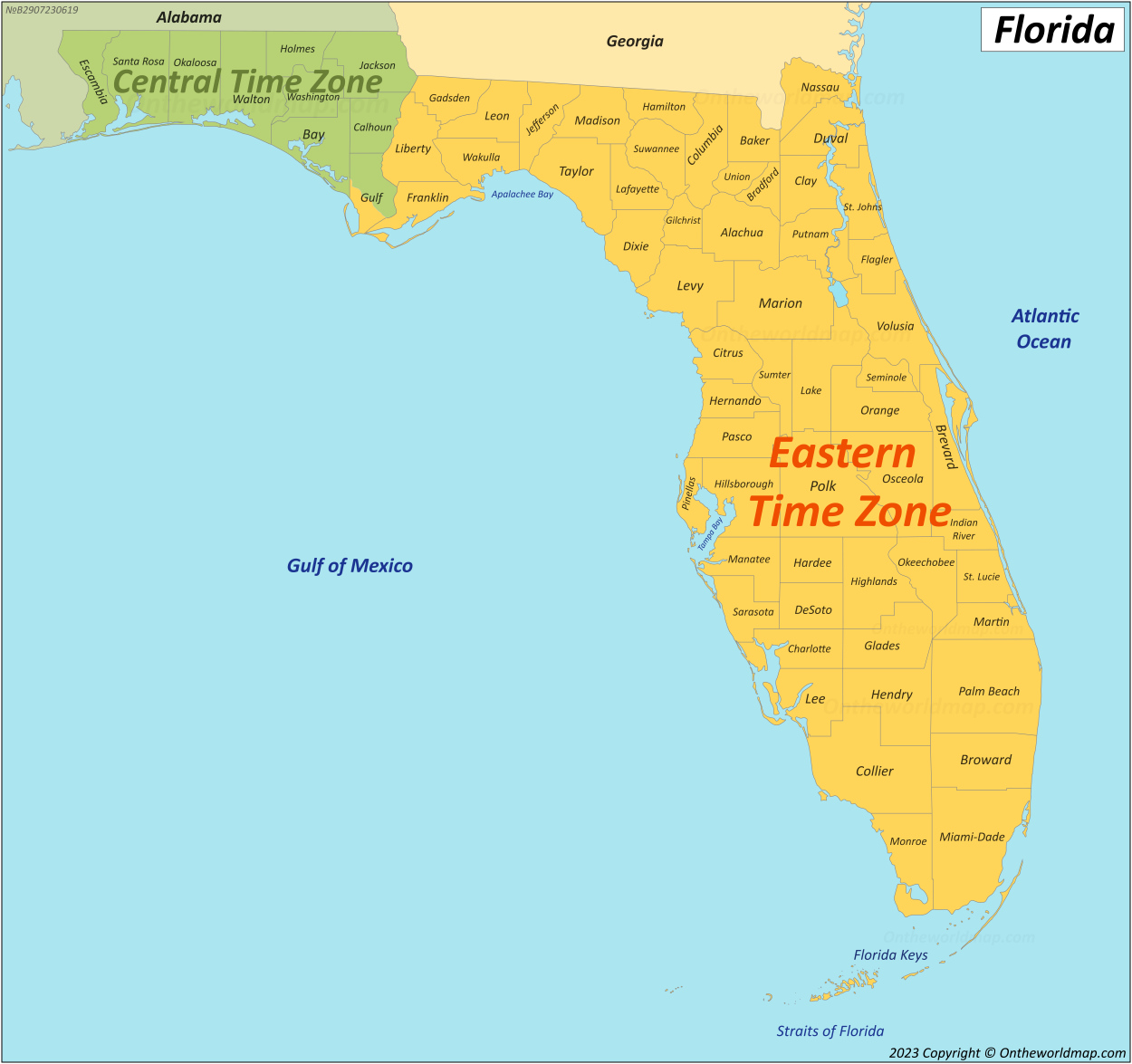
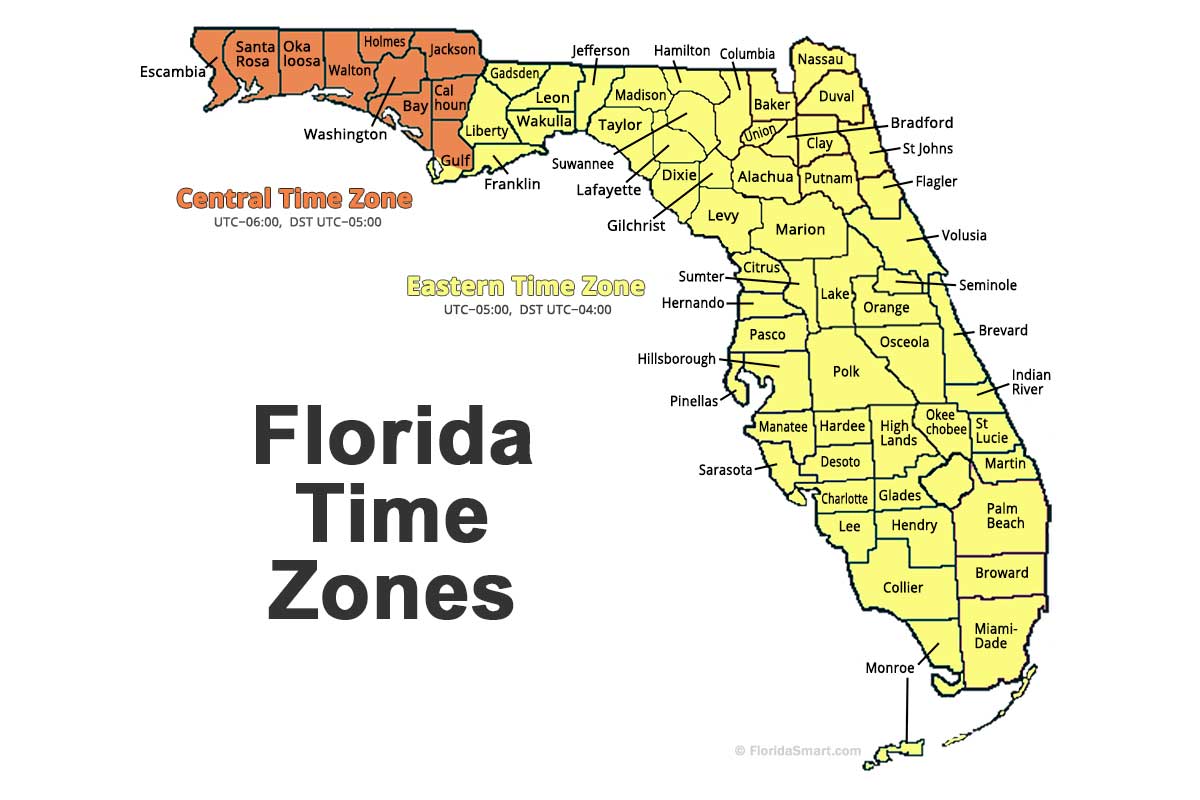
The vast majority of Florida, including its most popular tourist destinations and bustling metropolitan areas, observes the Eastern Time Zone (ET). This encompasses the entire peninsula, stretching from the northern border down to the Florida Keys, and includes a significant portion of the Florida Panhandle before its westward reach.
Cities like Miami, Orlando, Tampa, Jacksonville, St. Augustine, and Key West all adhere to ET. This means that if you’re flying into Orlando International Airport to visit Walt Disney World Resort, lounging on the renowned beaches of South Beach in Miami, exploring the historic streets of St. Augustine, or enjoying the vibrant nightlife of Key West, your clock will be set to Eastern Time. This broad coverage simplifies planning for most visitors, as the state’s most iconic landmarks and attractions are synchronized.
Understanding the Florida Panhandle’s Central Time Zone
The time situation shifts dramatically as you move westward into the Florida Panhandle. A significant portion of this region, particularly west of the Apalachicola River, observes the Central Time Zone (CT). This includes several counties that are popular for their pristine beaches and relaxed atmosphere, often attracting travelers seeking a quieter, more natural Florida experience.
Specifically, Bay County (home to Panama City Beach), Calhoun County, Escambia County (where Pensacola is located), Holmes County, Okaloosa County (Destin and Fort Walton Beach), Santa Rosa County, Walton County (including Seaside and Rosemary Beach), and Washington County all operate on Central Time.
Adding to the complexity are Franklin County and Gulf County, which are uniquely split between the two time zones. The western parts of these counties, including towns like Port St. Joe and Mexico Beach, fall into Central Time, while their eastern sections observe Eastern Time. This geographical quirk means that a short drive within these counties could literally transport you an hour forward or backward in time, emphasizing the need for vigilance when scheduling and navigating in the region. For travelers crossing into the Panhandle from the main peninsula, or vice versa, always confirm the local time upon arrival to avoid any temporal mishaps.
Daylight Saving Time in the Sunshine State
Like most of the United States, Florida observes Daylight Saving Time (DST). This annual practice, where clocks are adjusted forward by one hour in the spring and back one hour in the fall, further changes the current time. During DST:
- The Eastern Time Zone switches to Eastern Daylight Time (EDT).
- The Central Time Zone shifts to Central Daylight Time (CDT).
This means that for a significant portion of the year (roughly from March to November), the “now” time in Florida is actually EDT or CDT, rather than standard ET or CT. While most modern smartphones and devices automatically adjust, manual clocks or reliance on outdated information could lead to being an hour off, which can have ripple effects on travel itineraries. Staying aware of the DST schedule is just another layer of preparedness for any visitor to the state.
Why Time Matters: Planning Your Florida Travel and Experiences
Beyond mere curiosity, understanding the current time in Florida is a critical component of successful trip planning, impacting every facet of your journey from the moment you arrive until your departure. For a state as dynamic and diverse as Florida, precision in timing is key to maximizing your experience, whether you’re focusing on travel logistics, tourism activities, or even lifestyle choices.
Seamless Travel Logistics
Precise timekeeping forms the backbone of all travel logistics. For international and domestic visitors alike, accurately knowing the local time can prevent a myriad of issues:
- Flights and Ground Transportation: Your flight arrival and departure times are intrinsically linked to the local time zone. Missing a connection or arriving late for a rental car pick-up can disrupt your entire itinerary. Furthermore, coordinating shuttle services, taxis, or ride-shares from airports like Miami International Airport or Orlando International Airport requires an accurate sense of time.
- Hotel and Accommodation Bookings: Hotel check-in and check-out times are strict. Arriving too early or too late can lead to extra charges, lost booking, or unnecessary waiting. For those booking villas, apartments, or other accommodation types, coordinating with property managers for key collection or guided check-ins is time-sensitive. Similarly, if you’ve booked specific amenities at a resort – a spa treatment, a private dinner, or a guided tour – knowing the exact time ensures you don’t miss out on these valuable experiences.
- Cross-State Travel: For those adventurous enough to explore both the peninsula and the Panhandle in a single trip, the one-hour time difference becomes extremely relevant. A planned mid-day stop might suddenly become an hour earlier or later than anticipated, impacting dining plans, driving schedules, and attraction visits.
Maximizing Your Tourism and Leisure
Florida is renowned for its diverse tourism offerings, from the magical realms of theme parks to the tranquility of its national parks. Accurate timekeeping is vital for making the most of these:
- Theme Park Adventures: Walt Disney World Resort and Universal Orlando Resort operate on precise schedules, with opening and closing times, parade schedules, showtimes, and ride queue closures all strictly observed. Arriving late can mean missing popular shows or losing valuable time in lines.
- Dining Reservations: Florida’s culinary scene ranges from high-end dining experiences in Miami to charming local eateries in St. Petersburg. Many popular restaurants, especially in tourist hotspots, require reservations, and arriving late can result in losing your table.
- Attractions and Landmark Visits: Iconic sites like the Kennedy Space Center, Everglades National Park, and historic forts in St. Augustine all have specific operating hours. Missing these can mean a wasted journey, especially if you’re traveling a significant distance.
- Tours and Activities: From deep-sea fishing charters in Fort Lauderdale to airboat tours in the Everglades or scuba diving excursions in the Keys, most organized activities have strict start times. Punctuality is not just good etiquette; it’s essential for participation.
Business and Communication Considerations
For business travelers or those needing to stay connected with individuals outside Florida, understanding the local time is non-negotiable:
- Conference and Meeting Schedules: Attending a conference in Orlando or a business meeting in Miami requires you to be perfectly synchronized with the local schedule. A misplaced hour can mean missing critical presentations or networking opportunities.
- Remote Coordination: If you’re managing a remote team, coordinating with clients, or simply calling family and friends back home, being aware of Florida’s time zone (and its relation to other time zones) prevents inconvenient calls or missed communications. This is particularly important for individuals on a long-term stay who maintain regular contact with their home base.
Practical Tools and Tips for Staying on Florida Time
Given the complexities of Florida’s time zones and Daylight Saving Time, having reliable methods for checking the time and understanding how to apply them can save you from unnecessary stress.
Reliable Time Check Methods
In our digitally connected world, checking the current time in Florida is easier than ever, thanks to a variety of readily available tools:
- Smartphones and Digital Devices: Most modern smartphones, tablets, and smartwatches automatically detect your location and adjust to the local time zone, including accounting for DST. This is often the most reliable and hassle-free method. Ensure your device’s automatic time zone setting is enabled.
- Online World Clocks and Search Engines: A quick search query like “What time is it in Miami now?” or “Current time in Pensacola” will immediately provide accurate, up-to-the-minute information. Numerous online world clock websites also allow you to compare times across multiple cities simultaneously, which is excellent for coordinating with people in different zones.
- Hotel Reception and Local Clocks: Upon arrival at your hotel or resort, the front desk staff can confirm the local time. Public clocks in airports, train stations, and city centers also serve as visual cues, though always cross-reference if you’re in a split time zone area.
Avoiding Common Time-Related Pitfalls
Even with all the tools available, a few common scenarios can still lead to time-related confusion. Being proactively aware can help you sidestep these issues:
- Traveling Across the Panhandle Divide: This is arguably the biggest potential pitfall. If your itinerary involves driving from, say, Tallahassee (in ET) to Panama City Beach (in CT), remember to adjust your clock backward by one hour upon crossing the boundary. Conversely, traveling east will require moving your clock forward. Pay close attention to road signs, which sometimes indicate the time zone change. When making reservations for restaurants or attractions in the Panhandle, always confirm if they are operating on Eastern or Central Time.
- Daylight Saving Time Transitions: While devices usually handle this, manually setting alarms or relying on older, non-connected clocks can lead to issues. Be mindful of the spring forward and fall back dates if your travel coincides with these transitions.
- Always Confirm Local Times for Bookings: When booking anything online or over the phone – be it a tour, a spa treatment, or a shuttle service – always explicitly confirm the time zone for the scheduled activity, especially if the booking is made from outside Florida or for a location in the Panhandle. A simple question like “Is that Eastern Time or Central Time?” can prevent misunderstandings.
Florida Lifestyle and Time: A Deeper Dive
Understanding Florida’s time zones goes beyond just practical logistics; it subtly intertwines with the very lifestyle and rhythm of the state. Whether you’re indulging in luxury travel or exploring on a budget travel adventure, time plays a role in shaping your experience.
From Luxury Resorts to Budget-Friendly Adventures
The concept of time can feel different depending on your travel style. In a luxury resort in Palm Beach, schedules might be meticulously planned, from morning yoga sessions to evening gourmet dinners, making precise timekeeping essential. Guests often rely on resort staff to guide their schedules, from booking spa treatments to arranging private excursions. Here, knowing the exact time ensures you seamlessly transition from one indulgence to the next without a hitch.
Conversely, a budget travel experience might embrace more spontaneity. However, even backpackers or campers exploring the natural beauty of the Florida State Parks need to be aware of park opening hours, ferry schedules for island access, or the best time for wildlife viewing, all of which are governed by local time. For family trips, especially with young children, maintaining a consistent schedule, whether for naps, meals, or bedtime, often requires strict adherence to the local clock to avoid overtired meltdowns.
Local Culture and Rhythms
The division of time zones also influences local culture and rhythms, particularly in areas like the Panhandle where the divide is apparent. While major businesses and federal offices typically adhere strictly to their designated time zone, some smaller, independent businesses or community events in the split counties of Franklin and Gulf might occasionally operate with a degree of flexibility, or even confusion, around the time change. Locals living near the time zone boundary often become adept at navigating this subtle shift in their daily lives, influencing everything from school schedules to local news broadcasts. For visitors, observing these local nuances can offer a deeper appreciation of the region’s unique character.
In conclusion, while the question “What time is it in Florida now?” appears simple, the answer is a gateway to understanding the practicalities and nuances of traveling through this diverse state. By being mindful of the Eastern and Central Time Zones, factoring in Daylight Saving Time, and utilizing modern tools, you can ensure your Florida adventure unfolds smoothly and punctually, allowing you to focus on creating unforgettable memories.