
Kansas, often affectionately known as the Sunflower State, holds a special place in the heart of North America with its vast prairies, rolling hills, and a rich tapestry of history and natural beauty. For many, the image of Kansas might conjure visions of endless wheat fields or the iconic scenes from “The Wizard of Oz.” However, beyond its agricultural prowess and cinematic fame, Kansas is a haven for wildlife, boasting a vibrant ecosystem that supports a diverse array of species. At the forefront of this natural heritage is the state’s official avian emblem: the Western Meadowlark. This melodious bird, with its distinctive song and striking plumage, embodies the spirit of the Kansas landscape, symbolizing resilience, beauty, and the boundless freedom of the open plains.

The designation of the Western Meadowlark as the state bird isn’t merely a decorative choice; it’s a testament to the bird’s pervasive presence and cultural significance across the Prairie States and especially within Kansas. Its song is a familiar symphony across rural areas, signaling the changing seasons and adding a lively soundtrack to the serene countryside. For travelers and nature enthusiasts, understanding the role of the Western Meadowlark is an entry point into appreciating the unique natural attractions of Kansas, offering a compelling reason to explore its numerous wildlife areas, state parks, and conservation efforts. This article will delve into the characteristics of this beloved bird, explore the prime locations in Kansas where you can observe it in its natural habitat, and provide a comprehensive guide to experiencing the broader travel, tourism, and lifestyle offerings that make the Sunflower State a captivating destination for every kind of traveler.
The Western Meadowlark: A Symbol of the Sunflower State
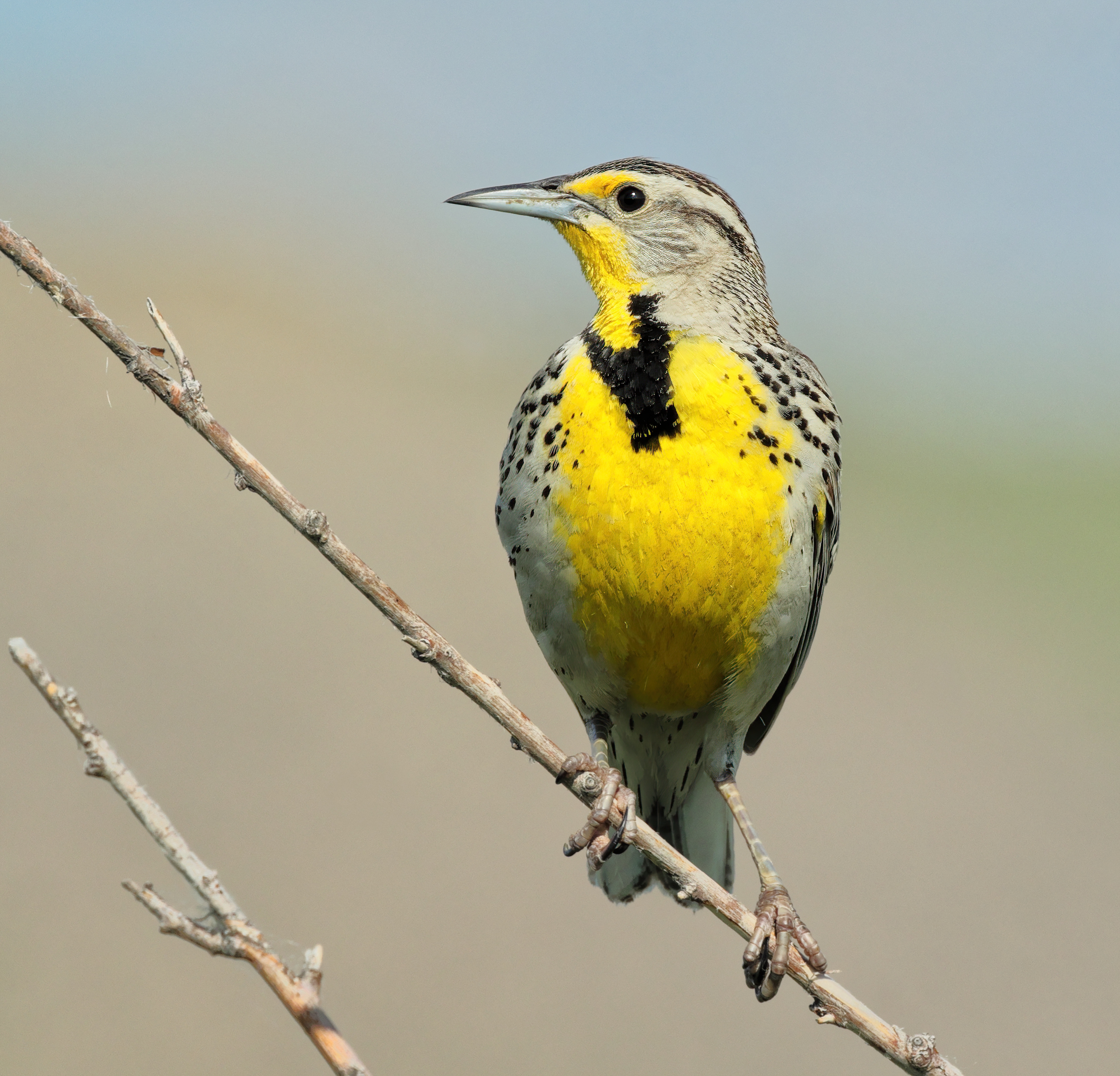
The Western Meadowlark (Sturnella neglecta) is more than just a pretty face; it’s a living emblem of Kansas’s vast grasslands and agricultural heartland. Chosen officially as the state bird in 1937, it was selected for its widespread presence, its cheerful disposition, and its iconic song that perfectly encapsulates the ambiance of the Great Plains. This bird holds a special place in the hearts of Kansans, representing the enduring spirit and natural splendor of their home.
Identifying the Western Meadowlark
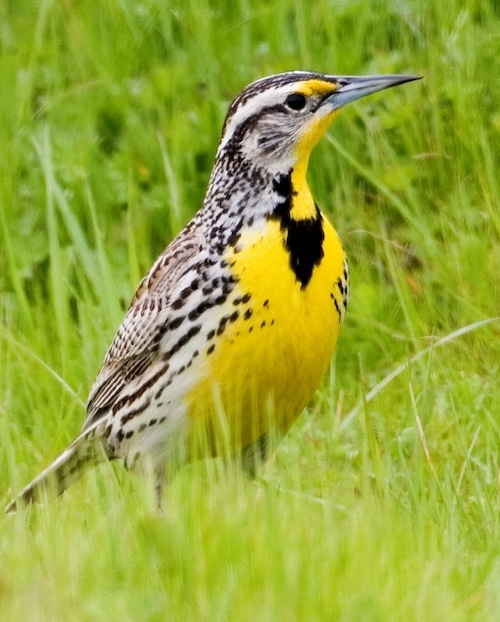
Recognizing a Western Meadowlark is a delightful experience for any birdwatcher or casual observer. These medium-sized songbirds are easily identifiable by their striking appearance and distinctive vocalizations. They typically measure about 8.5 to 10 inches in length with a wingspan of around 16 inches. Their most prominent feature is their vibrant yellow breast, boldly marked with a prominent black V-shape. Their upper parts are streaked with brown and black, providing excellent camouflage amidst the grasses, while their flanks are also streaked with black. They have a long, pointed beak and relatively short tails.
However, perhaps even more distinctive than its appearance is the Western Meadowlark’s song. It’s a flute-like, gurgling melody, often described as a series of clear, descending whistles, which contrasts sharply with the shorter, less complex song of its eastern counterpart. This rich, ethereal song is a familiar sound across the prairies, particularly during breeding season, and is often among the first signs of spring. Meadowlarks are ground-nesting birds, preferring open grasslands, prairies, and agricultural fields where they forage for insects and seeds. Their ability to thrive in these environments further cements their status as a quintessential Kansas species.
Why the Western Meadowlark for Kansas?
The selection of the Western Meadowlark as Kansas’s state bird was a thoughtful process, culminating from popular sentiment and legislative action. In the early 20th century, many states were adopting official symbols, and school children across Kansas played a significant role in advocating for the meadowlark. Its prevalence across the state, from the eastern Flint Hills to the western plains, made it a natural choice. Unlike some birds that are migratory visitors, the Western Meadowlark is a year-round resident in much of Kansas, making it a consistent and cherished presence.
The bird’s resilience and adaptability mirror the spirit of the Kansan people and the landscape itself. Its reliance on healthy grasslands also makes it an important indicator species for ecosystem health. By choosing the Western Meadowlark, Kansas not only celebrated a beautiful creature but also underscored the importance of conserving its unique prairie habitats. Its iconic status fosters a connection between the state’s residents and their natural environment, inspiring generations to appreciate and protect the land.
Experiencing Kansas’s Natural Beauty: Birdwatching and Beyond
For those drawn to the allure of the natural world, Kansas offers an unparalleled opportunity to connect with diverse ecosystems, observe abundant wildlife, and, of course, spot the beloved Western Meadowlark. The state’s commitment to conservation has created numerous preserves and wildlife areas that are perfect for birdwatching, hiking, and immersing oneself in the tranquility of the prairies.
Prime Birdwatching Destinations in Kansas
Kansas is a birder’s paradise, strategically located along major migratory routes, attracting hundreds of species throughout the year. While meadowlarks are ubiquitous, certain locations offer exceptional opportunities to witness them and countless other avian wonders.
One of the most significant is the Tallgrass Prairie National Preserve near Strong City in the Flint Hills. This preserve protects a large remnant of the once-vast tallgrass prairie ecosystem and is an essential habitat for meadowlarks, greater prairie chickens, and an array of raptors and migratory birds. Visitors can explore hiking trails, take guided tours, and even spot the resident bison herd. The vast, open landscapes here are exactly where you’d expect to hear the meadowlark’s iconic song echoing across the grasslands.
Further west, the Cheyenne Bottoms Wildlife Area near Great Bend stands as one of the largest freshwater marsh systems in the interior United States. It’s an internationally recognized wetland of hemispheric importance for shorebirds and waterfowl, attracting millions of birds annually. While the focus here is often on waterfowl and waders, the surrounding grasslands are prime territory for meadowlarks. Similarly, the Quivira National Wildlife Refuge near Stafford offers a mix of wetlands, grasslands, and sand dunes, providing habitat for an incredible diversity of birds, including whooping cranes and, of course, meadowlarks. The Marais des Cygnes Wildlife Area in eastern Kansas also presents excellent opportunities, particularly for woodland and wetland species alongside its prairie inhabitants.
Planning Your Nature-Centric Kansas Itinerary
For travelers keen on a nature-focused trip to Kansas, timing is key. Spring (April-May) and fall (September-October) offer the best birdwatching opportunities due to migration, but the Western Meadowlark can be enjoyed year-round. Dress in layers, bring binoculars, a field guide, and plenty of water. Many wildlife areas offer accessible viewing platforms and well-maintained trails. Consider staying in nearby towns like Cottonwood Falls for the Tallgrass Prairie National Preserve, or Great Bend for Cheyenne Bottoms, where local accommodations range from charming bed and breakfasts to standard hotel chains. Early mornings and late afternoons are often the most rewarding times for wildlife viewing.
Kansas Travel: Beyond the Birds
While the natural beauty and avian wonders of Kansas are compelling, the state offers a wide array of attractions that cater to every interest, from history buffs and art lovers to families and adventure seekers. A trip to Kansas is an opportunity to explore unique landmarks, vibrant cities, and experience the warm hospitality of the Midwest.
Iconic Kansas Landmarks and Attractions
Kansas is rich in both historical and natural landmarks. Start your journey in Topeka, the state capital, where you can visit the magnificent Kansas State Capitol Building with its iconic dome and historical murals. The Brown v. Board of Education National Historic Site is also in Topeka, commemorating a pivotal moment in civil rights history.
Further east, Kansas City, Kansas, offers a blend of urban amenities and cultural experiences, from its burgeoning arts scene to delicious BBQ joints. Wichita, the state’s largest city, is a hub of aerospace history, with attractions like the Kansas Aviation Museum and the Old Cowtown Museum, which transports visitors back to 19th-century Kansas. For families, the Museum of World Treasures, Exploration Place science center, and the Sedgwick County Zoo in Wichita provide endless entertainment and educational opportunities.
Venturing off the beaten path, you can explore the unique subterranean world of Strataca in Hutchinson, an active salt mine that offers tours 650 feet underground. In western Kansas, marvel at the impressive chalk formations of Monument Rocks, often referred to as the “Chalk Pyramids,” or the stunning badlands of Little Jerusalem Badlands State Park. For a taste of the Old West, Dodge City offers the Boot Hill Museum and recreations of frontier life. And for a truly quirky stop, the Oz Museum in Wamego celebrates all things related to “The Wizard of Oz.”
Where to Stay: Kansas Accommodation Guide
Kansas provides a wide range of accommodation options to suit every budget and travel style. In major cities like Wichita, Kansas City, Topeka, Lawrence, and Manhattan, you’ll find a full spectrum of choices, from luxury hotels like the Hyatt Regency or properties from Marriott Hotels and Hilton Worldwide, to mid-range options such as Holiday Inn Express and Comfort Inn, and budget-friendly motels.
For those seeking a more unique or immersive experience, especially when exploring the natural areas, consider staying at charming bed and breakfasts in smaller towns, or booking cabins and vacation rentals near state parks and wildlife refuges. Platforms like Airbnb and VRBO offer a variety of homes, apartments, and farm stays that can provide a glimpse into local life. If you’re traveling along historic corridors like Route 66 in southeast Kansas or through the Flint Hills, you might even find boutique hotels or guesthouses with distinct local character. Many rural communities offer well-maintained campgrounds for those who prefer an outdoor adventure, often with access to hiking, fishing, and, of course, prime birdwatching spots.
Kansas Lifestyle and Local Flavors
Beyond its natural and historical sites, Kansas offers a rich cultural experience, defined by its friendly residents, authentic culinary scene, and a relaxed, welcoming lifestyle. Exploring these aspects adds another layer of depth to any Kansas adventure.
Culinary Delights and Local Culture
No visit to Kansas would be complete without indulging in its renowned culinary offerings. The state is particularly famous for its barbecue, with styles varying from city to city. Expect tender, slow-smoked meats and tangy sauces that will tantalize your taste buds. Beyond BBQ, you’ll find hearty American comfort food in local diners, farm-to-table restaurants celebrating Kansas’s agricultural bounty, and a growing craft brewery and winery scene, particularly in cities like Lawrence, Manhattan, and Kansas City. Don’t forget to try a traditional “Runza” in western Kansas, a unique pastry pocket filled with beef, cabbage, and onions, reflecting its German Russian heritage.
The local culture is characterized by Midwestern hospitality, a strong sense of community, and an appreciation for the arts and history. Throughout the year, towns and cities host numerous festivals celebrating everything from sunflowers and wheat harvests to jazz music and Native American heritage. Checking local event calendars for destinations like Lenexa, Overland Park, and Garden City can enrich your travel experience with authentic local flavors and traditions.
Family Fun and Unique Experiences
Kansas is an excellent destination for family trips, offering a blend of educational attractions, outdoor adventures, and unique experiences. Children will love the hands-on exhibits at Exploration Place, the wildlife at Sedgwick County Zoo, and stepping back in time at Old Cowtown Museum. Outdoor activities abound, from fishing and kayaking in state parks to exploring the bison pastures at the Tallgrass Prairie National Preserve.
For a truly unique experience, visit the Konza Prairie Biological Station near Manhattan, where Kansas State University conducts long-term ecological research on tallgrass prairie ecosystems. Visitors can hike trails and witness active research sites, offering a fascinating insight into conservation efforts. Whether you’re seeking thrills, relaxation, or cultural immersion, Kansas provides a welcoming backdrop for creating lasting memories, always with the potential to hear the cheerful song of the Western Meadowlark nearby.
In conclusion, Kansas is far more than just a flyover state; it is a destination brimming with natural wonders, rich history, and vibrant culture. From the melodic call of the Western Meadowlark across its sprawling prairies to its captivating landmarks and warm hospitality, the Sunflower State invites travelers to discover its unique charm. Whether you’re an avid birder, a history enthusiast, or a family seeking an authentic American adventure, Kansas offers an unforgettable journey, proving that true beauty often lies in unexpected places. So pack your bags, tune your ears for that distinctive song, and prepare to be enchanted by the heart of the Great Plains.
LifeOutOfTheBox is a participant in the Amazon Services LLC Associates Program, an affiliate advertising program designed to provide a means for sites to earn advertising fees by advertising and linking to Amazon.com. Amazon, the Amazon logo, AmazonSupply, and the AmazonSupply logo are trademarks of Amazon.com, Inc. or its affiliates. As an Amazon Associate we earn affiliate commissions from qualifying purchases.