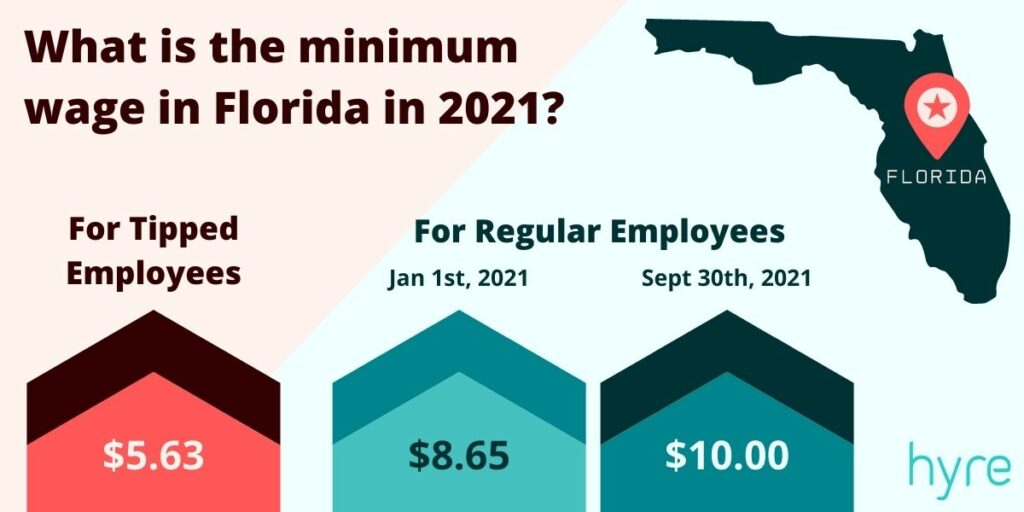
Florida, often dubbed the Sunshine State, is a magnet for millions of visitors annually, drawn to its pristine beaches, world-class theme parks, and vibrant cultural scenes. From the bustling streets of Miami to the magical realms of Orlando, and the historic charm of St. Augustine, the state offers a dazzling array of experiences. But beyond the glitz and glamour, a fundamental economic factor underpins much of the state’s operations, particularly within its colossal tourism and hospitality sectors: the minimum wage. Understanding Florida’s minimum wage is crucial not only for residents and those working in the industry but also for travelers looking to understand the true cost of their dream vacation, budget their trip effectively, or even consider seasonal work.
The minimum wage dictates the lowest legal hourly rate an employer can pay their staff. In a state like Florida, where tourism is a primary economic driver, this figure directly impacts the livelihoods of countless individuals working in hotels, resorts, restaurants, attractions, and various service roles. For visitors, it indirectly influences everything from the price of a hotel room to the cost of a meal and the quality of service they might expect. This comprehensive guide delves into Florida’s minimum wage, its historical trajectory, its impact on the travel and lifestyle landscape, and what it means for anyone engaging with this dynamic state.
Understanding Florida’s Minimum Wage Landscape
Florida’s approach to the minimum wage has evolved significantly over the years, mirroring broader national discussions about living wages and economic fairness. The state has taken proactive steps to ensure a gradual, predictable increase, setting it apart from many other states that adhere solely to the federal minimum wage.
Historical Context and Recent Changes
For a long time, Florida followed the federal minimum wage, with occasional minor adjustments. However, a pivotal moment arrived in 2004 when voters approved Amendment 5, establishing a state minimum wage higher than the federal standard and mandating annual adjustments for inflation. This set the stage for a more independent wage policy.
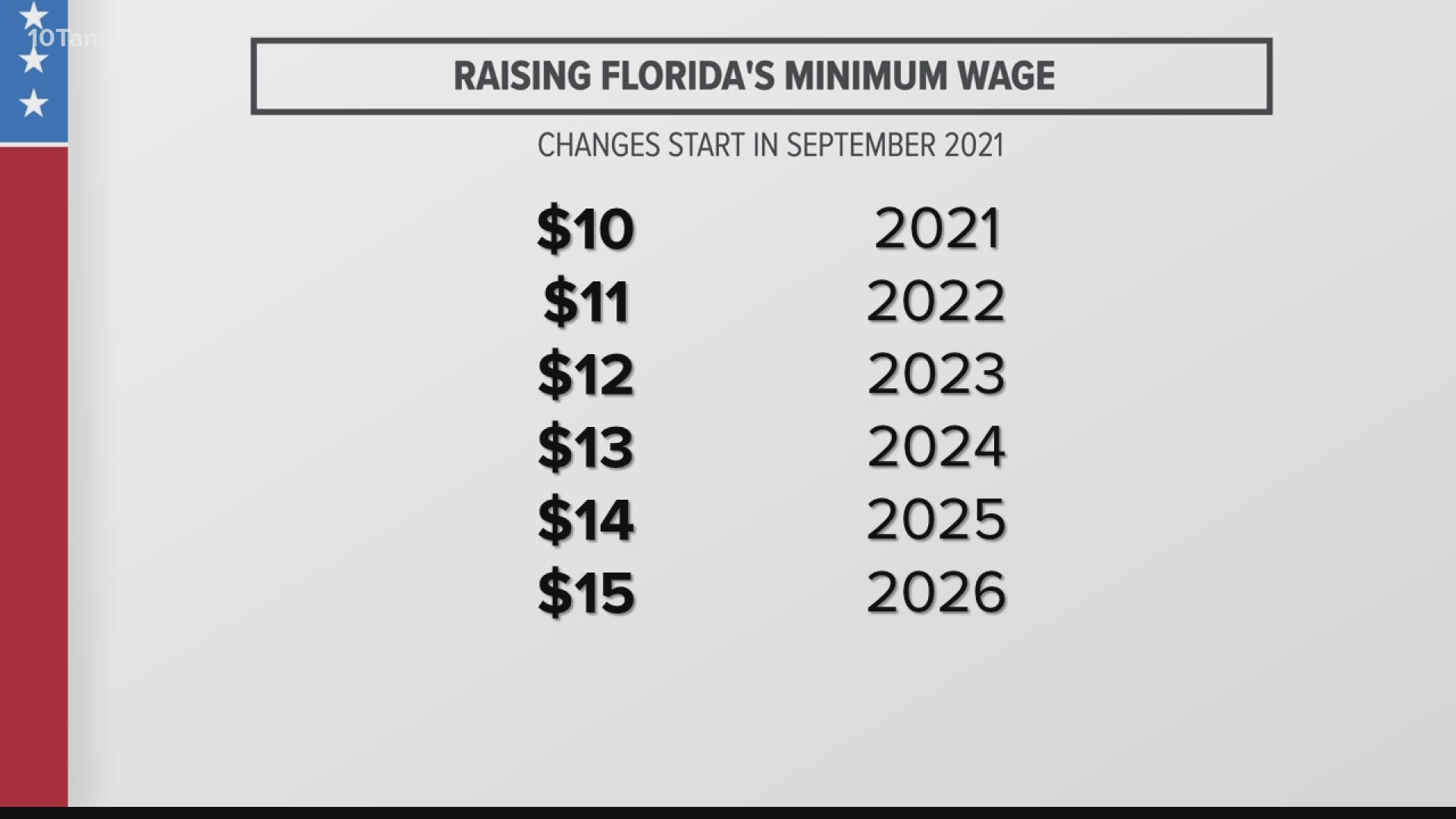
The most significant change in recent memory came with the passage of Amendment 2 in November 2020. This ballot initiative, overwhelmingly supported by voters, established a path to a $15 per hour minimum wage by 2026. This was a monumental shift, recognizing the increasing cost of living and the essential role of frontline workers, many of whom are the backbone of the state’s tourism industry. The phased implementation was designed to allow businesses, especially small and medium-sized enterprises, to adapt to the new economic realities without sudden shocks. This foresight aimed to stabilize the labor market while improving the financial well-being of a substantial portion of the workforce.
Current Rates and Future Projections
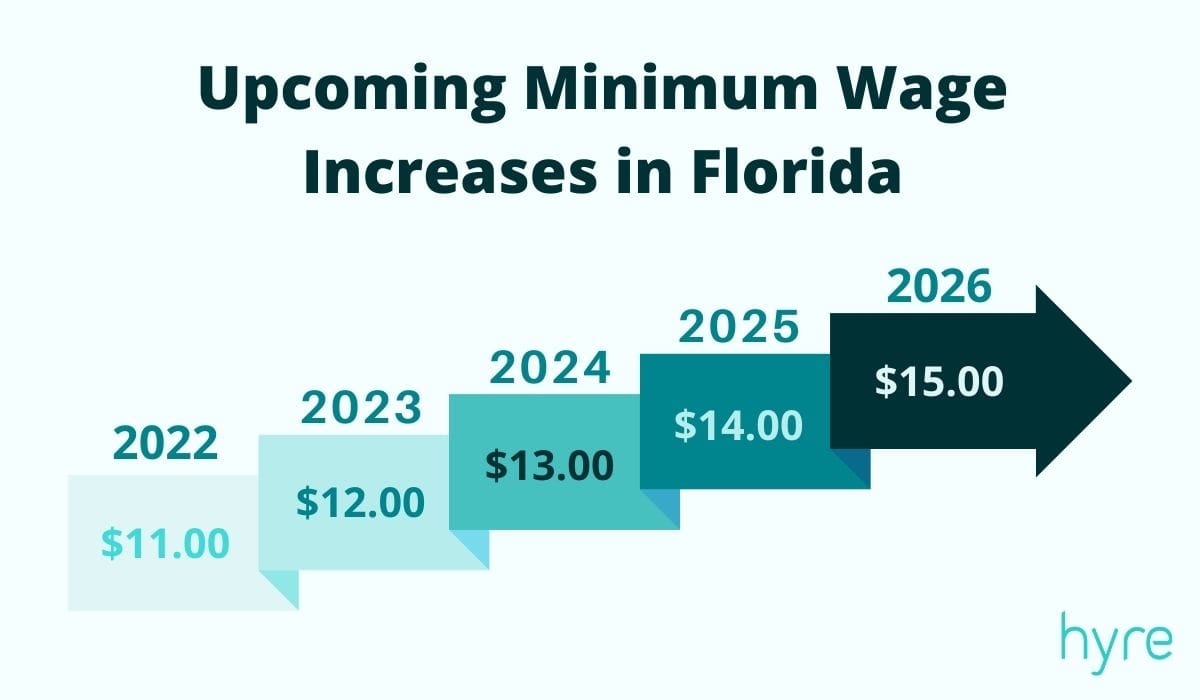
As of September 30, 2023, Florida’s minimum wage increased to $12.00 per hour. This marked a significant step in the planned increments. The schedule for future increases is clearly defined, providing transparency and predictability for both employers and employees:
- September 30, 2024: $13.00 per hour
- September 30, 2025: $14.00 per hour
- September 30, 2026: $15.00 per hour
After reaching $15.00 per hour in 2026, the minimum wage will continue to be adjusted annually for inflation, as per the original 2004 amendment. This structured approach ensures that the minimum wage retains its purchasing power over time, providing ongoing stability for workers. It also signals a commitment to a rising standard of living for those at the lower end of the income spectrum, a factor that invariably impacts the vibrant communities throughout Florida.
Tipped Employees vs. Non-Tipped Employees
An important distinction in Florida’s minimum wage law concerns employees who receive tips. The state allows employers to take a “tip credit,” meaning they can pay a lower direct hourly wage to employees who regularly earn tips, provided that their tips, combined with their direct wage, meet or exceed the standard minimum wage.
For tipped employees, as of September 30, 2023, the minimum direct hourly wage is $8.98 per hour. This means that employers can claim a tip credit of up to $3.02 per hour ($12.00 – $8.98). If an employee’s tips do not bring their total earnings up to the full $12.00 per hour minimum wage, the employer is legally obligated to make up the difference. This system is designed to acknowledge the additional income tipped employees generate, but also to protect them from earning below the minimum wage in situations where tips are insufficient. This particularly affects servers, bartenders, bellhops, and other service staff across the state’s countless restaurants, bars, and resorts.
The Minimum Wage and Florida’s Tourism and Hospitality Sector
Florida’s economy is inextricably linked to its tourism and hospitality industries. The rising minimum wage has profound implications for both the millions of workers who power this sector and the millions of tourists who visit annually.
Impact on Service Industry Workers
The gradual increase in the minimum wage is a significant boon for the tens of thousands of individuals employed in entry-level and service positions throughout Florida’s tourism hubs. From the housekeepers at a Grand Floridian Resort in Walt Disney World Resort to the lifeguards at South Beach and the concierges at boutique hotels in Key West, these workers form the backbone of the visitor experience. A higher minimum wage means improved financial stability, better access to necessities, and potentially a higher quality of life. This can reduce employee turnover, foster greater job satisfaction, and ultimately lead to a more experienced and dedicated workforce, which directly translates into better service for visitors.
Many hospitality roles, such as those found at the Hyatt Regency Orlando near Universal Studios Florida or luxury establishments like The Breakers Palm Beach, often rely on a combination of hourly wages and tips. The increased base wage provides a stronger safety net for these employees, especially during off-peak seasons or slower periods when tips might decline. This stability is crucial for workers attempting to manage the relatively high cost of living in many of Florida’s popular tourist destinations.
Effects on Travel Costs and Budgeting for Visitors
For travelers, the rising minimum wage indirectly influences the cost of a Florida vacation. Businesses, especially those with large workforces, may need to adjust their pricing to offset increased labor costs. This could manifest in slightly higher prices for:
- Accommodation: Hotels, resorts, and even some short-term vacation rentals might see modest price increases. For budget-conscious travelers, exploring options like guesthouses in St. Petersburg or considering longer stays in less central areas of Tampa could be beneficial.
- Dining: Restaurants, particularly full-service establishments, are likely to pass some of their increased labor costs onto consumers through menu adjustments. However, this also means the staff preparing and serving your food are earning a more sustainable wage. Travelers looking for value might explore local eateries away from prime tourist strips or utilize meal prep options if staying in apartments or villas.
- Attractions and Activities: While entrance fees to major attractions like Busch Gardens Tampa Bay or the Kennedy Space Center Visitor Complex are often set based on broader market factors, operational costs influenced by wages can contribute to overall pricing. Savvy travelers might look for package deals, off-season discounts, or explore free activities such as enjoying the beaches of Sarasota or hiking trails in various state parks.
Ultimately, while some price adjustments might occur, the impact is often incremental and spread across various services. For many travelers, the peace of mind knowing that the people providing their services are earning a fairer wage is a valuable consideration, contributing to a more ethical and sustainable tourism experience.
Attracting and Retaining Talent in a Competitive Market
The hospitality industry is notoriously competitive, both for businesses vying for customers and for employers seeking skilled staff. A higher minimum wage helps Florida’s tourism sector attract and retain talent in an increasingly tight labor market. In a state with numerous world-renowned destinations, from the upscale Naples to the vibrant nightlife of Fort Lauderdale, employers need to offer competitive compensation to stand out.
By offering a more livable wage, businesses can reduce high turnover rates, which are costly in terms of recruitment and training. A stable workforce, familiar with the establishment and its guests, can enhance the overall visitor experience. This is especially vital for ensuring the consistent quality of amenities and services that guests expect from Florida’s premier resorts and attractions. Moreover, a better-paid workforce is often a more motivated and productive one, leading to higher standards of service and guest satisfaction across the entire state, from the Panhandle down to the Florida Keys.
Navigating Florida on a Budget: Tips for Travelers and Locals
For both travelers planning a budget trip and residents managing their daily expenses, understanding the economic landscape shaped by the minimum wage is essential. Florida offers incredible value and diverse experiences, even when keeping an eye on expenditures.
Affordable Accommodation Options
While Florida is home to many luxury resorts and high-end hotels, there are ample opportunities for affordable accommodation. Many cities, including Orlando and Miami, have a wide range of budget-friendly hotels and motels. Travelers can also explore:
- Vacation Rentals: Websites offer thousands of villas and apartments for rent, often providing more space and kitchen facilities for self-catering, which can significantly reduce food costs. Consider areas slightly outside the main tourist zones for better rates.
- Hostels: Cities like Miami Beach, Orlando, and Key West have excellent hostels, perfect for solo travelers or groups looking for social, cost-effective stays. The Miami Beach Hostel is a popular choice for those wanting to experience the vibrant culture without breaking the bank.
- Camping and RV Parks: Florida’s extensive state park system, including those near Everglades National Park or the scenic Dry Tortugas National Park, offers fantastic camping opportunities that are both economical and immerse visitors in Florida’s natural beauty.
Booking in advance, especially during peak seasons like winter or spring break, is always recommended to secure the best prices. Flexibility with travel dates can also lead to substantial savings.
Savvy Dining and Activity Choices
Enjoying Florida’s diverse food scene and myriad attractions doesn’t have to strain your wallet.
- Local Eateries and Food Trucks: Venture beyond the tourist traps to discover authentic, affordable local culture and cuisine. Tampa and Orlando have thriving food truck scenes, offering delicious meals at a fraction of restaurant prices. Many smaller towns and neighborhoods across Central Florida and South Florida boast family-run restaurants with incredible value.
- Self-Catering: For those staying in accommodations with kitchen facilities, grocery shopping and preparing some meals can dramatically cut down on dining expenses. Florida has many local markets and supermarkets where you can find fresh produce and ingredients.
- Free and Low-Cost Attractions: Florida is rich in natural beauty and free attractions. Spend days at the beach, explore state parks (some have small entrance fees), walk through historic districts like St. Augustine Historic District, or simply enjoy people-watching in vibrant city centers. Many cities also offer free festivals and events throughout the year. Consider visiting places like the Gainesville area for a mix of natural springs and cultural sites that are often more affordable than coastal resorts.
- Attraction Passes and Discounts: For major theme parks and attractions, look into multi-park passes, online discounts, or bundles that combine accommodation and attractions. Student or senior discounts can also provide savings.
Seasonal Work and Lifestyle Considerations
For individuals considering working seasonally in Florida’s tourism industry, the rising minimum wage is a significant factor. While the increased hourly rate improves earning potential, it’s crucial to balance this against the cost of living, which can be high in popular destinations like Miami, Orlando, and Key West. Researching specific locations for housing costs, transportation, and daily expenses is vital. Many hospitality employers, like those at Loews Portofino Bay Hotel or other theme park resorts, may offer staff housing or transportation assistance, which can significantly alleviate financial burdens. The opportunity to earn a more substantial minimum wage, combined with the chance to experience Florida’s unique lifestyle and attractions, makes seasonal work an appealing option for many.
The Broader Economic Picture and Lifestyle in Florida
The minimum wage is not just a number; it’s a critical component of Florida’s broader economic health and the overall lifestyle of its residents. Its impact reverberates beyond individual paychecks, influencing consumer spending, local economies, and the state’s attractiveness as both a place to live and visit.
Cost of Living vs. Minimum Wage
While Florida’s minimum wage is on a trajectory to reach $15 per hour, it’s essential to contextualize this against the state’s cost of living. In metropolitan areas like Miami, Orlando, and Tampa, housing costs, transportation, and other essentials can be considerably higher than the national average. A single individual earning minimum wage might still face challenges affording independent housing and comfortable living without additional income or shared living arrangements. This underscores the ongoing need for a balanced approach to wage policy and affordable housing initiatives. For visitors, understanding these dynamics provides insight into the local economy and the daily lives of the people who make their travel experiences possible.
Future Outlook for Florida’s Economy and Tourism
The consistent increase in the minimum wage is poised to have a lasting positive impact on Florida’s economy. By putting more money into the hands of low-wage workers, it can stimulate local economies through increased consumer spending, particularly in sectors like retail and dining. This creates a virtuous cycle where businesses benefit from increased demand, potentially leading to further job creation.
For the tourism industry, the outlook is optimistic. A better-compensated workforce enhances service quality, boosts morale, and ensures Florida remains a top-tier destination for travel and experiences. As wages become more competitive, the state can continue to attract skilled talent to its hospitality sector, supporting its growth as a global leader in travel. The planned increases provide businesses with a clear roadmap, allowing them to budget and strategize effectively for the future, ensuring the Sunshine State continues to shine brightly for both its residents and its myriad guests.
Understanding Florida’s minimum wage is more than just knowing a number; it’s about appreciating the intricate economic fabric that supports the state’s vibrant lifestyle, world-class tourism, and the dedicated individuals who make it all possible. Whether you’re planning a dream vacation, considering a move, or simply curious about the economic heartbeat of the Sunshine State, the minimum wage serves as a crucial indicator of its commitment to both its workforce and its visitors.