
For many travelers planning a trip to the vibrant and dazzling city of Las Vegas, a common and practical question often arises: “Can you drink tap water in Las Vegas?” Amidst the dazzling lights, world-class entertainment, and desert heat, staying hydrated is paramount. Understanding the safety, quality, and taste of the local tap water can significantly impact your travel experience, health, budget, and even your environmental footprint. The short answer is a resounding yes, tap water in Las Vegas is safe to drink and meets all federal and state drinking water standards. However, “safe” doesn’t always equate to “palatable” for everyone, and there’s a deeper dive to be had into what makes Las Vegas’s water unique.

This guide will explore the journey of Las Vegas’s water from its source, through rigorous treatment, and finally to your glass. We’ll discuss why it might taste different from what you’re used to, the environmental implications of choosing tap over bottled water, and practical tips for staying optimally hydrated during your desert adventure. Whether you’re a luxury traveler indulging in a resort stay or a budget-conscious explorer enjoying the city’s myriad attractions, this information will empower you to make informed decisions about your hydration needs.
The Verdict: Las Vegas Tap Water is Safe
Rest assured, the water flowing from the taps in Las Vegas is among the most rigorously tested and highly regulated in the entire U.S.. The safety of the water supply is not a matter of debate but a testament to sophisticated infrastructure and unwavering commitment to public health.
Where Does Las Vegas Get Its Water From?
The vast majority, nearly 90%, of Southern Nevada‘s water supply, including that for Las Vegas, originates from the majestic Colorado River. This iconic river feeds Lake Mead, one of the largest reservoirs in North America, situated just a short drive from the city. The journey of this water from Lake Mead to your tap is a complex and fascinating process managed by the Southern Nevada Water Authority (SNWA).
The SNWA operates state-of-the-art water treatment facilities that draw water from deep within Lake Mead through massive intake pipes. Once extracted, the raw water undergoes an extensive multi-stage purification process. This typically includes screening to remove larger debris, coagulation and flocculation to clump smaller particles together, sedimentation to allow these clumps to settle, and then advanced filtration through layers of sand and gravel to remove even finer particles. Finally, the water is disinfected using chlorine and chloramines to kill any remaining bacteria and viruses, ensuring it is safe for consumption as it travels through a vast network of pipes to homes, hotels, and businesses across the metropolitan area. The remaining 10% of the water supply comes from local groundwater sources, which are also carefully managed and treated to meet the same stringent standards.
Meeting Federal and State Standards
The safety of Las Vegas’s drinking water is not self-proclaimed; it is verified by independent regulatory bodies. The Environmental Protection Agency (EPA) sets strict national primary drinking water regulations under the Safe Drinking Water Act, which all public water systems in the U.S. must adhere to. In addition, the Nevada Division of Environmental Protection establishes its own stringent state-specific standards.
The SNWA conducts tens of thousands of water quality tests annually, analyzing samples from various points in the treatment process and distribution system. These tests monitor for hundreds of potential contaminants, including bacteria, viruses, lead, pesticides, and industrial chemicals, ensuring that the water consistently meets or exceeds these rigorous federal and state benchmarks. The results of these comprehensive tests are transparently published in annual Consumer Confidence Reports (CCRs), which are readily available to the public. These reports confirm that Las Vegas’s tap water is indeed clean, safe, and of high quality, rivaling that of many major cities nationwide.
Beyond Safety: Understanding the Taste and Quality
While the safety of Las Vegas tap water is unequivocally established, its taste and overall quality are often subjects of personal preference and discussion among visitors. It’s common for travelers to notice a distinct flavor profile that might differ significantly from the water they are accustomed to in their hometowns.
Why Does Las Vegas Tap Water Taste Different?
The most significant factor influencing the taste of Las Vegas tap water is its mineral content. Originating from the Colorado River and ultimately Lake Mead, the water travels through vast geological formations, dissolving naturally occurring minerals along its path. This results in what is commonly known as “hard water,” characterized by higher concentrations of minerals like calcium and magnesium. While these minerals are not harmful to health, they can impart a slightly earthy, alkaline, or even metallic taste that some people find unusual or less refreshing than softer waters.
Another contributing factor to the unique taste is the disinfection process. As mentioned, chlorine and chloramines are used to kill pathogens and maintain water safety within the distribution system. While essential for public health, these disinfectants can sometimes leave a subtle chemical or bleach-like aftertaste, especially for individuals with sensitive palates. The level of chlorine can fluctuate slightly depending on the time of year and demand, potentially affecting its noticeable presence. Additionally, the temperature of the water plays a role; colder water generally tastes crisper and more neutral, while lukewarm water can make any subtle flavors more pronounced.
Factors Influencing Water Quality
Beyond the inherent characteristics of the source water and treatment process, several other factors can subtly influence the perceived quality and taste of tap water once it reaches the consumer.
Firstly, the age and material of plumbing infrastructure in specific buildings can have an impact. While the main water lines delivering water to neighborhoods are well-maintained, older pipes within individual homes, hotels, or commercial establishments might alter the water’s taste. For example, older metallic pipes can sometimes leach trace amounts of minerals, affecting the flavor profile.
Secondly, the internal water systems of hotels and resorts can vary. Some high-end resorts might incorporate additional filtration systems within their properties to enhance the taste and softness of the water for their guests. Others may rely solely on the municipal supply. Therefore, the water quality might subtly differ between different accommodations.
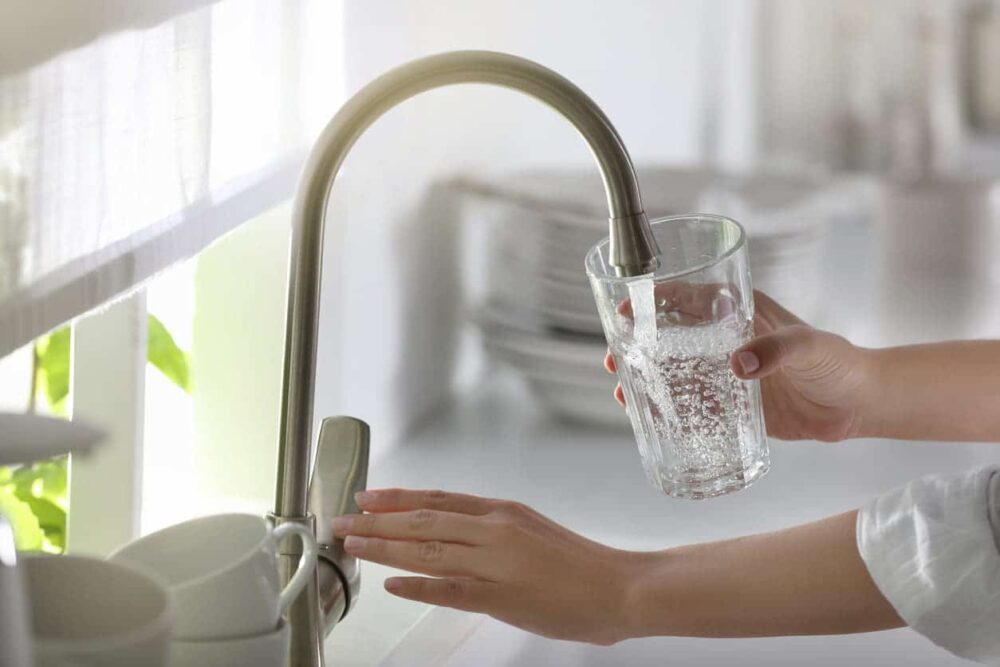
Lastly, individual perception and taste preferences are highly subjective. What one person finds perfectly acceptable, another might find off-putting. Travelers accustomed to very soft water or spring water with a low mineral count might be more sensitive to the hard water characteristics of Las Vegas’s supply. Understanding these nuances can help travelers decide whether to embrace the tap water as is, or opt for alternative hydration solutions.
Hydration in the Desert: Practical Tips for Visitors
Visiting Las Vegas means stepping into a desert environment, where temperatures, especially during the summer months, can soar. Coupled with the dry air and the often-active nature of a Las Vegas trip – be it walking The Strip, exploring downtown, or dancing the night away – staying adequately hydrated is not just a convenience but a health imperative.
The Environmental and Economic Impact: Tap vs. Bottled
When faced with the decision of tap versus bottled water, it’s crucial to consider both the environmental and economic implications, especially for a city like Las Vegas that hosts millions of visitors annually.
From an environmental perspective, choosing tap water significantly reduces plastic waste. Single-use plastic water bottles contribute immensely to landfills and oceanic pollution, taking hundreds of years to decompose. The production and transportation of bottled water also have a substantial carbon footprint, consuming fossil fuels and energy. By refilling a reusable bottle with tap water, you directly contribute to reducing this waste and supporting more sustainable travel practices.
From an economic perspective, opting for tap water is a smart budget-friendly choice. Bottled water in Las Vegas, particularly within hotels or at popular attractions, can be surprisingly expensive, with prices often inflated due to convenience. A few dollars for a bottle here and there can quickly add up over the course of your trip, especially for families or longer stays. Utilizing the readily available and virtually free tap water, even if enhanced with a personal filter, represents significant savings that can be redirected towards enjoying more of what Las Vegas has to offer, from world-class dining to captivating shows. It’s a simple hack for smart budget travel.
Smart Hydration Strategies for Your Las Vegas Trip
To ensure you stay well-hydrated without breaking the bank or harming the environment, consider these practical strategies for your Las Vegas adventure:
- Bring a Reusable Water Bottle: This is perhaps the most impactful tip. A durable, insulated reusable water bottle is your best friend in the desert heat. Fill it up before you head out for the day.
- Utilize Hotel Amenities: Many modern hotels and resorts are becoming more environmentally conscious and may offer filtered water stations in their lobbies, gyms, or designated refill points. Check with your accommodation about such facilities. Even if not explicitly advertised, most hotels will have ice machines, which use purified tap water, allowing you to fill your bottle with refreshing cold water.
- Consider a Portable Water Filter: If the taste of Las Vegas tap water is a concern for you, a portable water filter bottle can be an excellent investment. These bottles typically have an integrated filter that removes chlorine and other impurities, significantly improving the taste without compromising safety.
- Ask for Tap Water at Restaurants: Don’t hesitate to ask for a glass of tap water at any restaurant or bar. It’s free and readily available. Many establishments are happy to provide it, and some might even bring it automatically.
- Ice is Your Friend: Remember that all ice in Las Vegas establishments (restaurants, bars, hotels) is made from the same treated tap water. If you’re comfortable drinking iced beverages, you’re already consuming the local water.
- Pace Yourself and Listen to Your Body: The dry air in Las Vegas can be deceiving, making you feel less sweaty than you actually are. Drink water consistently throughout the day, even if you don’t feel overly thirsty. Alcohol consumption can also accelerate dehydration, so alternate alcoholic drinks with water to maintain balance.
Enhancing Your Las Vegas Experience: Staying Healthy and Savvy
Beyond just answering the question of drinkability, understanding Las Vegas tap water contributes to a more holistic and enjoyable travel experience. It ties into broader aspects of health, wellness, and savvy decision-making while exploring one of the world’s most exciting destinations.
Staying Hydrated While Enjoying Attractions
Whether you’re marveling at the fountains of Bellagio, strolling through the themed casinos, or venturing off The Strip to discover natural wonders, staying hydrated is crucial. Walking The Strip can involve covering significant distances under the intense desert sun, especially during the day. Similarly, exploring the vibrant street performers and light shows at the Fremont Street Experience in Downtown Las Vegas can also be quite an engaging, and thus dehydrating, activity.
For those planning excursions beyond the city limits, such as a scenic drive to the Hoover Dam or a hike through the breathtaking landscapes of Red Rock Canyon National Conservation Area or Valley of Fire State Park, carrying ample water is not just recommended, it’s a matter of safety. These natural attractions expose you directly to the arid desert climate, where dehydration can set in quickly. Filling your reusable bottle with Las Vegas tap water before you depart provides a cost-effective and environmentally friendly way to ensure you have enough fluids for your adventures. Remember, many public parks and visitor centers might have water fountains or refill stations, but it’s always best to be self-sufficient.
Water and Your Accommodation: What to Expect
The type of accommodation you choose in Las Vegas can also influence your hydration strategy. Most hotels and resorts in Las Vegas are equipped with modern plumbing systems that deliver the same safe municipal tap water. However, the amenities related to water can vary:
- Minibar Bottled Water: Nearly all hotel rooms will feature bottled water in the minibar, but be aware that these are typically offered at a premium price.
- In-room Coffee Makers/Kettles: If your room includes a coffee maker or kettle, you’ll be using tap water for these appliances. This is a good way to test the water’s flavor, as heating can sometimes alter taste perception.
- Ice Machines: Ice machines on various floors are standard across almost all hotels and provide a convenient source for chilling your reusable water bottle.
- Fitness Centers/Spas: Many resorts with fitness centers or spas will offer water coolers or filtered water stations for guests, which is an excellent, free source of hydration.
- Vacation Rentals: If you opt for a vacation rental or apartment, you’ll have direct access to the municipal tap water and often a full kitchen, allowing you to chill water in the refrigerator or even purchase a pitcher with a built-in filter if you plan a longer stay.
Before booking, or upon arrival, it’s always a good idea to check with your specific accommodation about their water-related amenities, especially if the taste of water is a significant concern for you.
In conclusion, the question “Can you drink tap water in Las Vegas?” has a clear and reassuring answer: yes, it is safe, clean, and rigorously monitored. While personal taste preferences may lead some to prefer bottled or filtered alternatives, understanding the origins and treatment of Las Vegas’s water empowers you to make conscious choices. By opting for tap water and utilizing smart hydration strategies, you not only safeguard your health in the desert climate but also contribute to a more sustainable and budget-friendly travel experience. So, fill up your reusable bottle, stay refreshed, and enjoy every dazzling moment that the incredible city of Las Vegas has to offer.
LifeOutOfTheBox is a participant in the Amazon Services LLC Associates Program, an affiliate advertising program designed to provide a means for sites to earn advertising fees by advertising and linking to Amazon.com. Amazon, the Amazon logo, AmazonSupply, and the AmazonSupply logo are trademarks of Amazon.com, Inc. or its affiliates. As an Amazon Associate we earn affiliate commissions from qualifying purchases.