
The journey from the dazzling neon lights of Las Vegas, Nevada, to the serene, crystal-clear waters of Lake Tahoe, nestled in the Sierra Nevada Mountains on the border of California and Nevada, offers one of the most striking contrasts in American travel. This road trip takes you from the heart of the Mojave Desert, a landscape defined by vibrant entertainment and arid beauty, to an alpine paradise renowned for its natural splendor and outdoor adventures. Understanding the distance, travel time, and the incredible sights along the way is key to planning an unforgettable experience, whether you’re seeking a thrilling escape or a tranquil retreat. This guide delves into everything you need to know about traversing this fascinating route, transforming a simple drive into an epic adventure.
Unveiling the Journey: Distance and Travel Time
Embarking on a road trip from Las Vegas to Lake Tahoe is more than just covering miles; it’s about experiencing a dramatic shift in scenery and atmosphere. The distance and duration of your journey will primarily depend on the specific route you choose and the various stops you make along the way.
The Straight Shot: Ideal Driving Conditions
Under ideal driving conditions, with minimal traffic and good weather, the most direct route from Las Vegas to the southern shores of Lake Tahoe, particularly towns like South Lake Tahoe or Stateline, typically spans approximately 440 to 450 miles (708 to 724 kilometers). This journey usually takes around 7 to 8 hours of pure driving time. This estimate, however, doesn’t account for fuel stops, meal breaks, or the irresistible urge to pull over and capture the breathtaking landscapes that unfold before you. For those aiming for the northern parts of Lake Tahoe, such as Incline Village or Tahoe City, the distance might increase slightly, adding another 30-60 minutes to your travel time. It’s crucial to remember that while this is a relatively long drive for a single day, it is entirely manageable and immensely rewarding, offering a diverse array of natural wonders.
Factors Influencing Your Travel Time
Several elements can significantly impact the overall duration of your road trip. Traffic is a primary concern, especially when departing Las Vegas during peak hours or nearing popular destinations like Mammoth Lakes or the entrance to Yosemite National Park during tourist season. Weather conditions also play a critical role, particularly when traversing mountain passes. Winter months can bring snow and ice, potentially closing roads or necessitating slower speeds and the use of chains. Always check road conditions before you depart, especially if you plan to travel between October and May. Construction delays are another common occurrence on major highways and can add unexpected time to your journey. Furthermore, the number and duration of your stops for sightseeing, meals, or rest will naturally extend your travel time. Planning to break up the drive with an overnight stay can transform a long journey into a leisurely exploration, allowing you to fully appreciate the unique transitional landscapes between the desert and the mountains.
Navigating the Nevada-California Border: Popular Routes
The route you choose for your drive from Las Vegas to Lake Tahoe can dramatically alter your experience. While some paths prioritize speed, others offer unparalleled scenic beauty, leading you through diverse ecosystems and past iconic landmarks.
The Scenic U.S. Route 395: Desert to Mountains
Undoubtedly the most popular and recommended route for those seeking visual grandeur, U.S. Route 395 offers a spectacular journey through the eastern Sierra Nevada Mountains. This route provides a dramatic transition from the arid expanse of the Mojave Desert to the towering peaks, alpine lakes, and lush forests that characterize the Sierras. Starting from Las Vegas, you’ll head north on U.S. Route 95 towards Tonopah, then veer west to connect with U.S. Route 395 near Bishop or Lone Pine in California.
This path takes you through charming towns like Bishop and Mammoth Lakes, which are excellent stopping points for gas, food, or even an overnight stay. Along U.S. Route 395, you’ll be treated to stunning views of the Sierra Nevada peaks, including Mount Whitney – the highest peak in the contiguous United States. This route is particularly breathtaking during the fall when the aspen trees burst into vibrant colors. While it offers unparalleled scenery, it is essential to be aware that some sections, especially during winter, can be subject to snow and ice, potentially requiring chains or causing temporary closures.
The Interstate 15 and U.S. Route 50 Combination: A Slightly Different Path
An alternative, though less frequently chosen for its scenic value, involves taking Interstate 15 south from Las Vegas towards Los Angeles, then connecting to other major highways like State Route 58 and eventually U.S. Route 50 or Interstate 80 to reach Lake Tahoe. This route is generally longer and less direct, often taking you further west into California before heading back east towards the lake. While it might offer more opportunities for gas and food in larger towns, it lacks the dramatic, continuous scenic beauty of U.S. Route 395.
This option might be considered if U.S. Route 395 is experiencing severe weather closures or if you have specific reasons to pass through other parts of California first, such as a visit to Los Angeles or Sacramento. However, for a direct and picturesque journey from Las Vegas to Lake Tahoe, U.S. Route 395 remains the undisputed champion. Always consult a reliable GPS or mapping service for real-time traffic and road conditions, especially if opting for a less common route.
Beyond the Wheel: Essential Stops and Scenic Detours
The drive from Las Vegas to Lake Tahoe is not merely a means to an end; it’s an opportunity to discover some of the most stunning and diverse landscapes in the American West. Planning strategic stops can transform your road trip into an adventure in itself, allowing you to fully immerse yourself in the natural wonders and unique cultural offerings along the way.
Nature’s Grandeur: Exploring National Parks and Wilderness
One of the most compelling reasons to choose U.S. Route 395 is its proximity to several iconic natural attractions. Death Valley National Park, though slightly off the direct path, offers an incredible detour for those coming from Las Vegas. Just a couple of hours drive west, this park is home to extreme landscapes, from salt flats to sand dunes, and holds the record for the lowest point in North America at Badwater Basin. While fascinating, it’s best visited during cooler months as summer temperatures can be dangerously high.
Further north along U.S. Route 395, you’ll encounter the stunning Alabama Hills near Lone Pine. This unique landscape of rounded, weathered rock formations against the backdrop of the Sierra Nevada has been a popular filming location for countless movies and offers fantastic opportunities for hiking and photography.
A bit further north, the captivating Mono Lake with its otherworldly tufa towers is a must-see. This ancient saline lake provides a striking contrast to the surrounding mountains and is a vital habitat for millions of migratory birds. Nearby, the majestic Yosemite National Park offers a truly grand detour, though it requires significant additional driving and planning, especially if Tioga Pass (State Route 120) is open during warmer months. If Tioga Pass is closed (typically from late fall to late spring), accessing Yosemite Valley from U.S. Route 395 is a much longer journey. Other natural highlights include the Ancient Bristlecone Pine Forest and the Devils Postpile National Monument near Mammoth Lakes. These areas offer unparalleled hiking, photography, and a chance to connect with nature’s raw beauty.
Quaint Towns and Hidden Gems Along the Way
Beyond the grand natural landmarks, the route is dotted with charming towns that offer a glimpse into local culture and provide convenient amenities. Pahrump, just west of Las Vegas, is known for its wineries and more relaxed pace. Further north, Bishop, often called the “Mule Capital of the World,” is an excellent stop for outdoor enthusiasts, offering rock climbing, fishing, and gateway access to the Sierra Nevada wilderness. You’ll find a variety of local eateries and accommodation options here, making it a perfect spot for lunch or an overnight break.
Mammoth Lakes, a renowned ski resort town, is bustling with activity year-round. In winter, it’s a hub for skiing and snowboarding at Mammoth Mountain, while in summer, it transforms into a paradise for hiking, mountain biking, and fishing. Its vibrant dining scene and diverse lodging options, from cozy cabins to luxurious resorts, make it an ideal base for exploring the surrounding natural beauty.
As you approach Lake Tahoe, you’ll pass through Carson City, Nevada’s state capital, which offers historical sites and museums. Each town along U.S. Route 395 has its unique character, providing a welcome respite and a chance to experience the local lifestyle before reaching your ultimate destination.
Experiencing the Extremes: Las Vegas vs. Lake Tahoe
The appeal of a road trip from Las Vegas to Lake Tahoe lies not only in the journey itself but also in the stark contrast between these two iconic destinations. Both offer unique travel experiences, catering to vastly different preferences, making this journey a comprehensive exploration of Nevada’s and California’s diverse tourism landscape.
The Glitz and Glamour of Las Vegas
Las Vegas, famously known as “Sin City,” is a global epicenter of entertainment, luxury travel, and vibrant nightlife. It’s a destination where excess is celebrated, and possibilities are endless. The iconic Las Vegas Strip is a spectacle of world-class resorts like Bellagio, The Venetian Resort, and Caesars Palace, each offering opulent suites, Michelin-starred restaurants, dazzling shows, and expansive casinos. Beyond gambling, visitors can enjoy high-end shopping, exhilarating pool parties, and unique attractions like the Fountains of Bellagio or the High Roller Observation Wheel. For those seeking adventure outside the city limits, the nearby Red Rock Canyon National Conservation Area provides opportunities for hiking and rock climbing, offering a striking natural contrast to the urban glitter. Las Vegas truly embodies a lifestyle of indulgence and excitement, catering to budget travelers and those seeking ultimate luxury alike, with a wide range of accommodation, dining, and entertainment options.
The Serene Beauty of Lake Tahoe
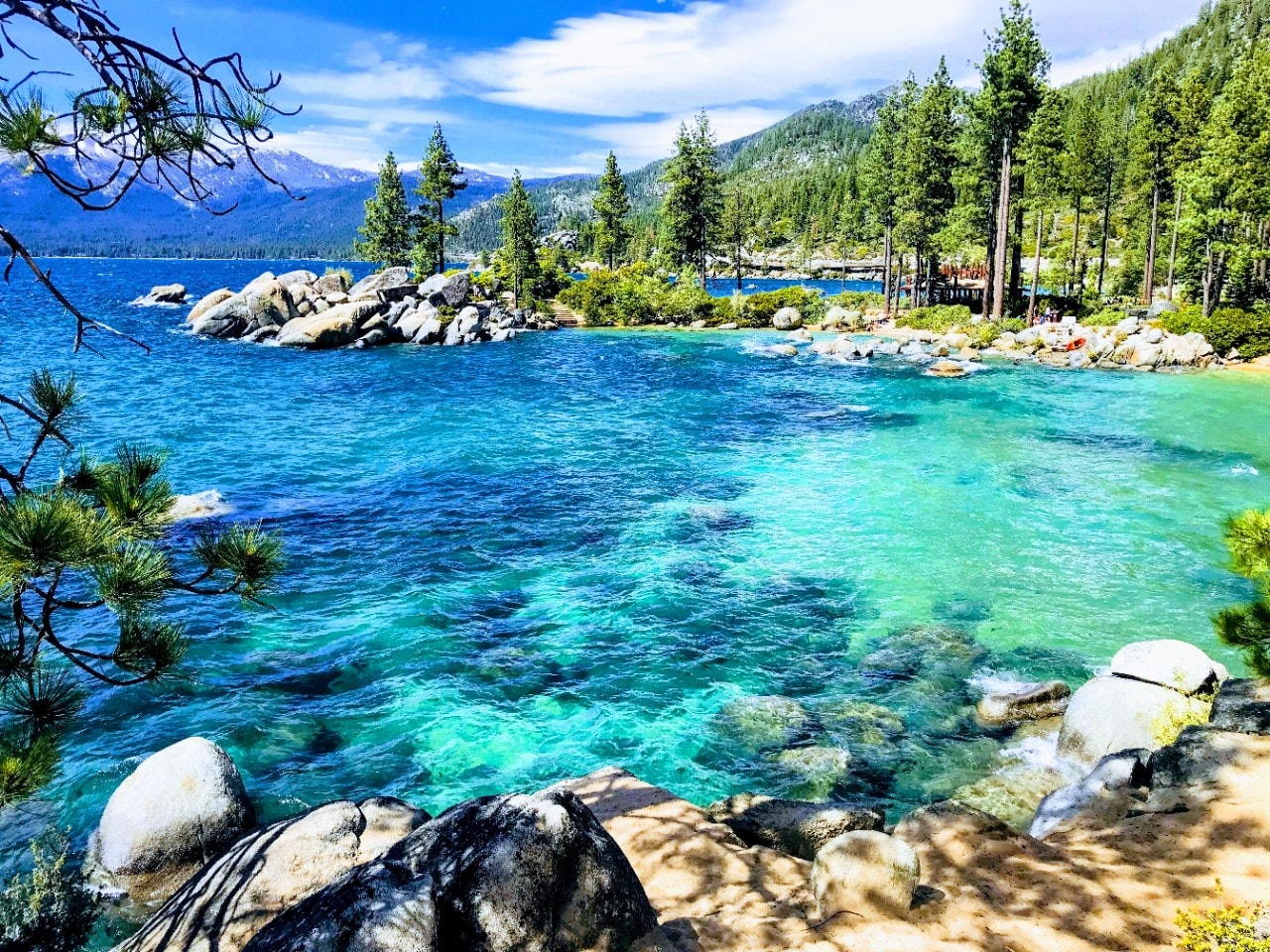
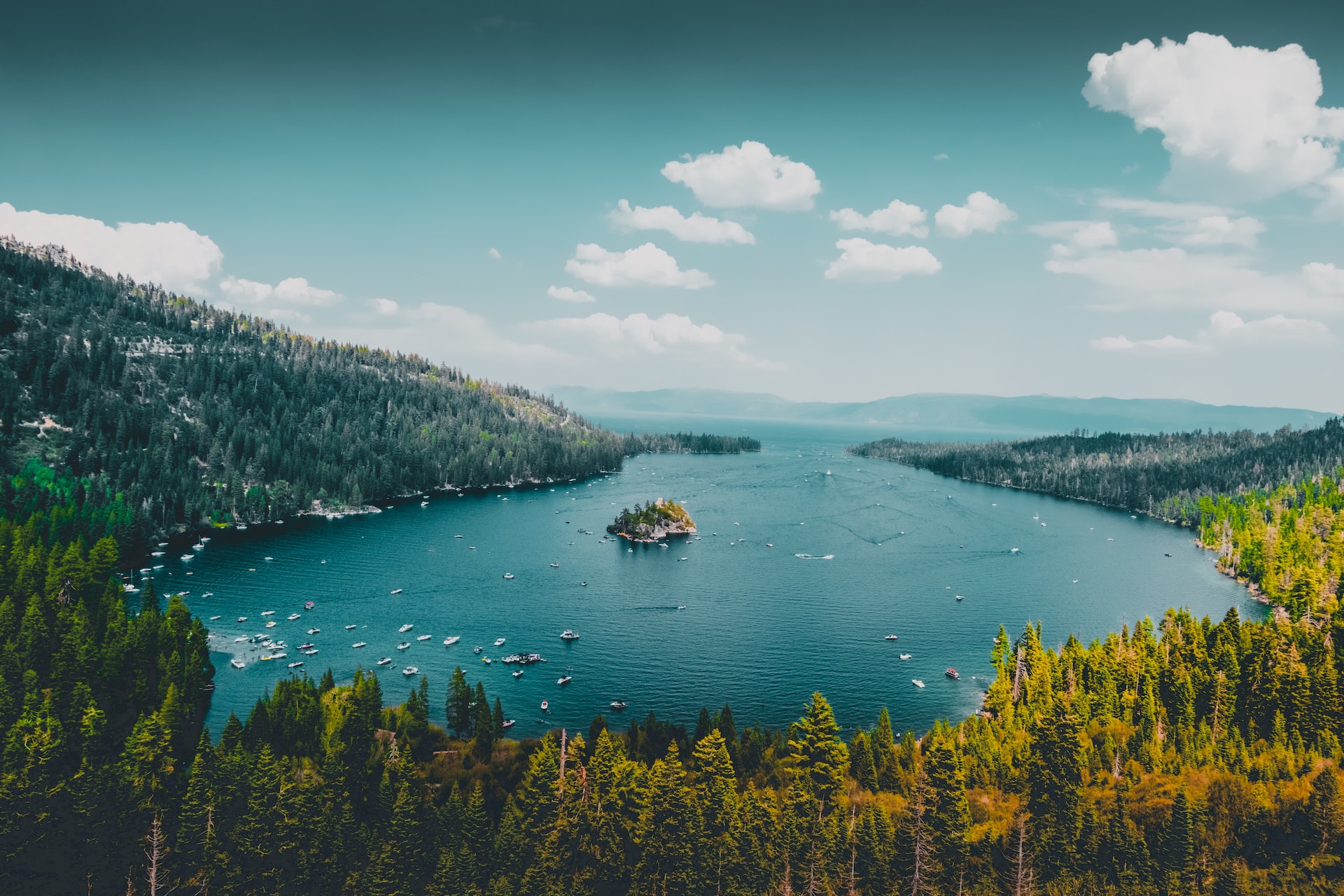
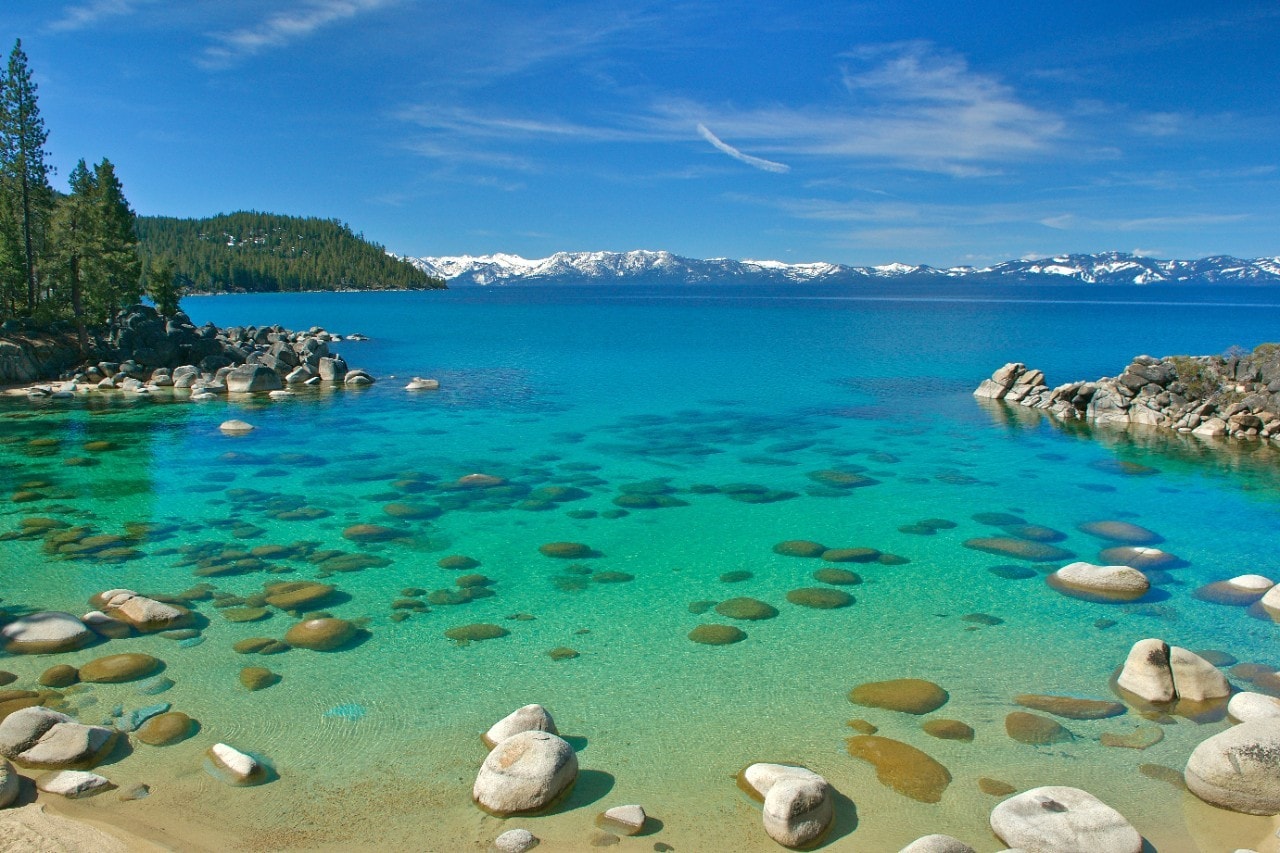
In stark contrast, Lake Tahoe offers a tranquil escape into nature’s embrace. This magnificent alpine lake, renowned for its clarity and sapphire-blue waters, is a year-round outdoor playground. During the summer, Lake Tahoe comes alive with water sports – kayaking, paddleboarding, boating, and swimming in its refreshing waters. Hiking trails abound, leading to panoramic vistas from peaks like Mount Tallac or along the scenic shores of Emerald Bay State Park, home to the iconic Vikingsholm Castle. Winter transforms Lake Tahoe into a snowy wonderland, with world-class ski resorts like Heavenly Mountain Resort, Palisades Tahoe, and Kirkwood Mountain Resort attracting skiers and snowboarders from around the globe.
Beyond the slopes, visitors can enjoy snowshoeing, cross-country skiing, and cozy evenings by a fireplace. The towns surrounding the lake, such as South Lake Tahoe, Tahoe City, and Incline Village, offer a range of accommodation options from rustic cabins and vacation rentals to upscale hotels and resorts like The Lodge at Edgewood Tahoe or Harrah’s Lake Tahoe, which also offers casino entertainment mirroring a touch of Las Vegas’s spirit in a natural setting. Lake Tahoe’s local culture emphasizes outdoor living and a relaxed atmosphere, providing a refreshing counterpoint to Las Vegas’s frenetic energy.
Planning Your Epic Road Trip: Tips and Considerations
A successful road trip from Las Vegas to Lake Tahoe requires careful planning, especially given the significant distance and the diverse environments you’ll traverse. From choosing the optimal travel window to securing the best places to stay, a little preparation goes a long way in ensuring a smooth and enjoyable experience.
Best Time to Travel
The ideal time for this road trip largely depends on your desired activities and tolerance for weather conditions.
- Spring (April-May): This is a beautiful time, with wildflowers blooming in the desert and snow still lingering on the highest Sierra Nevada peaks. Temperatures are mild, making the drive comfortable, and tourist crowds are generally smaller than in summer. However, some mountain passes (like Tioga Pass into Yosemite) might still be closed, and lake temperatures will be too cold for swimming.
- Summer (June-August): Summer is peak season for Lake Tahoe, offering warm weather perfect for water sports, hiking, and all outdoor activities. All roads and passes are typically open. However, Las Vegas can be intensely hot, and popular stops along U.S. Route 395 will be crowded. Accommodation prices in Lake Tahoe are at their highest, and traffic can be significant.
- Fall (September-October): Many consider fall the absolute best time for this drive. The Sierra Nevada comes alive with stunning autumn foliage, particularly along U.S. Route 395 and around Mammoth Lakes and June Lake Loop. Temperatures are pleasant, crowds begin to thin, and both Las Vegas and Lake Tahoe offer comfortable conditions. Mountain passes usually remain open until late October or early November.
- Winter (November-March): While challenging due to potential snow and road closures, a winter trip offers a unique experience. Lake Tahoe is a winter sports paradise, and Las Vegas enjoys cooler, pleasant weather. However, large sections of U.S. Route 395 can be affected by snow, requiring chains or altering your route. Always check weather and road conditions (e.g., Caltrans and Nevada DOT websites) before and during your journey.
Accommodation and Activities: Making the Most of Your Stay
Both Las Vegas and Lake Tahoe boast a vast array of accommodation options to suit every budget and lifestyle. In Las Vegas, you can find everything from opulent suites in resorts like ARIA Resort & Casino or Cosmopolitan of Las Vegas to more budget-friendly hotels off the main Strip. Booking in advance, especially for weekend stays or major events, is always recommended. Leverage websites for booking and comparison to find the best deals.
For Lake Tahoe, accommodation ranges from luxurious lakeside resorts and charming bed and breakfasts to vacation rentals, cabins, and even campgrounds for a more rustic experience. Popular towns like South Lake Tahoe, Tahoe City, and Incline Village offer diverse choices. Consider factors like proximity to ski resorts, hiking trails, or the lake itself when making your selection. Reviews and long-term stay options are useful if you plan to extend your visit.
In terms of activities, plan ahead based on the season. In Las Vegas, secure tickets for shows, tours, or exclusive dining experiences well in advance. For Lake Tahoe, consider booking guided tours for kayaking or fishing, or purchasing ski lift tickets, especially during peak winter months. For both destinations, research local culture, food scene, and unique activities to truly enrich your experience.
Essential Road Trip Preparations
Before setting off, ensure your vehicle is in excellent condition: check tires, oil, fluids, and brakes. Pack an emergency kit including water, snacks, a first-aid kit, blankets, and jumper cables. Cell service can be spotty in remote stretches of U.S. Route 395, so download offline maps and consider a satellite communication device if venturing into truly isolated areas. Bring plenty of water and snacks, as services can be sparse between towns. Dress in layers, as temperatures can vary dramatically from the desert to the mountains, even within a single day. Lastly, embrace the journey. This road trip is an adventure in itself, offering a chance to witness the incredible diversity of the American West, from glittering cityscapes to serene mountain peaks.
LifeOutOfTheBox is a participant in the Amazon Services LLC Associates Program, an affiliate advertising program designed to provide a means for sites to earn advertising fees by advertising and linking to Amazon.com. Amazon, the Amazon logo, AmazonSupply, and the AmazonSupply logo are trademarks of Amazon.com, Inc. or its affiliates. As an Amazon Associate we earn affiliate commissions from qualifying purchases.