
Welcome to Las Vegas, a city renowned globally for its vibrant nightlife, world-class entertainment, and luxurious resorts, all set against the dramatic backdrop of the Mojave Desert in Nevada. While most visitors flock here for the casinos and shows, understanding the local weather patterns is absolutely crucial for planning an unforgettable trip. Far from being a mere detail, the climate in this desert oasis dictates everything from your packing list to your daily itinerary, influencing whether your ideal day involves poolside relaxation, exploring natural landmarks, or staying cool indoors amidst the city’s myriad attractions.
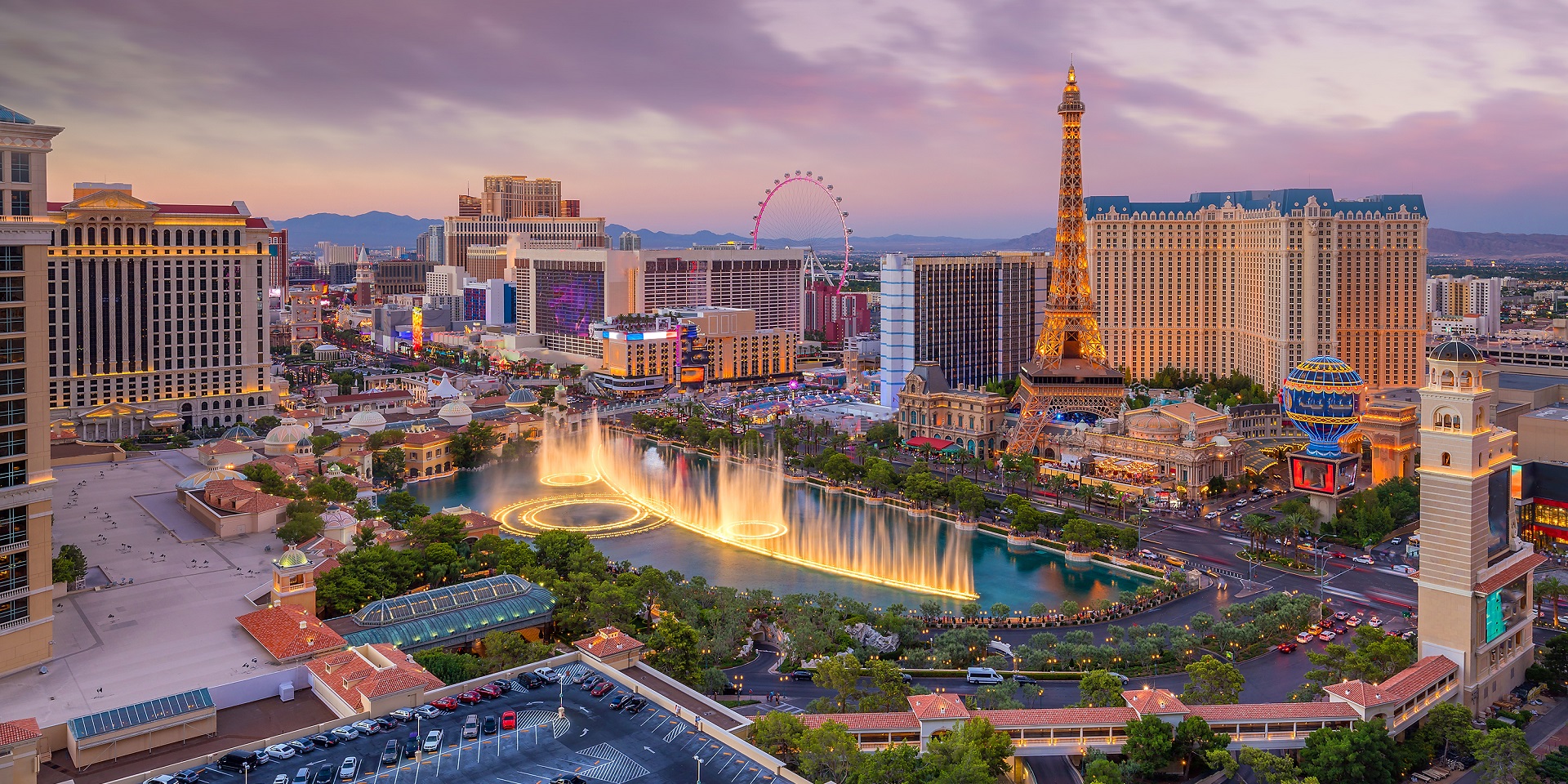
The weather in Las Vegas is characterized by its arid, subtropical desert climate, meaning it experiences very hot summers, mild winters, and abundant sunshine throughout the year. With over 300 days of sunshine annually, clear skies are almost a guarantee, making it an attractive destination for those seeking to escape dreary weather elsewhere. However, these sunny days come with significant temperature swings between seasons, and often even within a single day. Knowing what to expect month by month, and how to prepare for it, will undoubtedly enhance your travel experience, ensuring you can comfortably enjoy all that the “Entertainment Capital of the World” has to offer. From navigating the scorching summer heat to embracing the pleasantly cool winter days, this comprehensive guide will walk you through the Las Vegas weather, helping you tailor your visit for maximum enjoyment, regardless of the time of year.
Understanding Las Vegas’ Desert Climate
The geographical location of Las Vegas, nestled within the Mojave Desert, is the primary determinant of its distinct weather patterns. This desert environment is responsible for the city’s extreme temperatures, particularly during the summer months, and its remarkably low humidity levels. The arid conditions mean very little rainfall, with most precipitation occurring sporadically during the winter and occasionally during the monsoon season in late summer, which can bring brief but intense thunderstorms. These climatic factors create a unique environment that shapes the local lifestyle and offers a specific set of challenges and opportunities for tourism and travel.
Understanding this desert climate goes beyond just knowing the temperature; it involves appreciating the unique atmospheric conditions. The low humidity, for instance, can make even high temperatures feel more manageable than in humid climates, but it also necessitates increased hydration. Conversely, the clear desert air contributes to significant diurnal temperature swings, where days can be warm even in winter, but nights turn surprisingly cool. For travelers, this means a versatile wardrobe is key, and an awareness of hydration and sun protection is paramount, regardless of the season.
The Scorching Summers: May to September
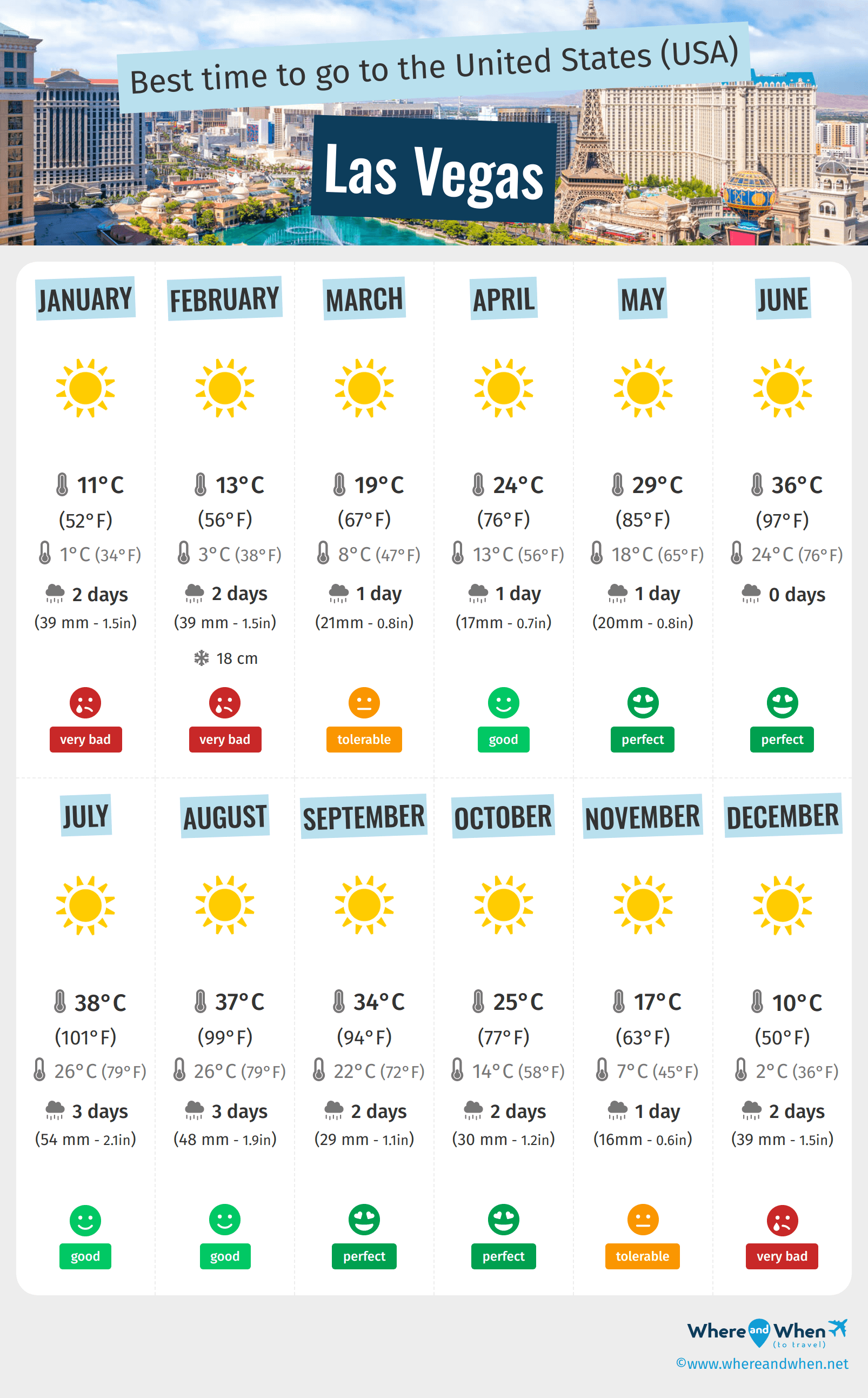
Summers in Las Vegas are legendary for their intense heat, making this period, typically from May through September, the city’s hottest season. Average daytime temperatures frequently soar into the triple digits Fahrenheit (38°C+), with July and August often seeing highs exceeding 105°F (40°C) and even reaching upwards of 115°F (46°C) on the most extreme days. Nights offer some relief, but often remain warm, rarely dropping below 80°F (27°C). The sun’s intensity is formidable, and direct exposure for extended periods can be dangerous without proper precautions.
Despite the extreme heat, summer remains a popular time for visitors, largely due to the prevalence of world-class air-conditioned indoor attractions and magnificent resort pools. Many iconic Las Vegas experiences are designed to combat the heat: sprawling casinos, elaborate entertainment venues like Cirque du Soleil shows, gourmet dining, and high-end shopping at places like the Forum Shops at Caesars Palace all provide cool havens. Pool parties at resorts such as MGM Grand’s Wet Republic Ultra Pool or the Cosmopolitan of Las Vegas’s Boulevard Pool become central activities, offering refreshing escapes and vibrant social scenes.
For outdoor enthusiasts, summer travel requires careful planning. Hiking in nearby areas like Red Rock Canyon National Conservation Area or visits to Death Valley National Park are best attempted at sunrise or avoided altogether during peak heat. Early mornings and evenings are the most comfortable times for any outdoor activity. Hydration is non-negotiable; carry plenty of water, wear light-colored, breathable clothing, and utilize sunscreen, hats, and sunglasses extensively. While the heat is a significant factor, the city’s infrastructure is well-equipped to handle it, allowing for a fantastic, albeit warm, vacation experience.
Mild and Pleasant Winters: November to February
In stark contrast to the blazing summers, winters in Las Vegas, typically from November to February, are refreshingly mild and often quite pleasant, making this a highly desirable time to visit for many. Daytime temperatures during these months generally range from the mid-50s to mid-60s Fahrenheit (13-18°C), with abundant sunshine continuing to dominate the skies. While daytime can be comfortably cool, evenings and nights become significantly colder, often dropping into the 30s and 40s Fahrenheit (0-10°C), sometimes even dipping below freezing. Snow is a rare event on the Las Vegas Strip itself, but the surrounding mountains occasionally receive a dusting, creating picturesque backdrops.
This mild winter climate is ideal for exploring attractions that might be less appealing in the summer heat. Outdoor activities flourish, with hiking and rock climbing in Red Rock Canyon or excursions to the Grand Canyon and Hoover Dam becoming much more comfortable. Golf courses are in prime condition, attracting enthusiasts from colder climates. The cooler temperatures also make walking the Las Vegas Strip to admire the architecture, fountains at the Bellagio, or the canals at The Venetian Resort a more enjoyable experience.
The holiday season, particularly Christmas and New Year’s Eve, transforms Las Vegas into a festive wonderland, with special events, decorations, and unique shows. While the weather is conducive to outdoor activities, it’s essential to pack layers, including a warm jacket or coat for the evenings, as the desert chill can be quite biting once the sun sets. Despite the cooler temperatures, indoor pool areas and spas at many luxury resorts remain open and heated, offering a warm escape. Winter presents a fantastic opportunity to experience a different side of Las Vegas, one that embraces outdoor exploration and festive celebrations without the oppressive heat of summer.
Transitional Seasons: Spring and Fall
The shoulder seasons of spring (March to April) and fall (October) are widely regarded as the best times to visit Las Vegas due to their near-perfect weather conditions. These months offer a delightful balance of warm days and comfortably cool evenings, making them ideal for a wide range of activities without the extremes of summer or the chill of winter nights.
Spring (March to April): As winter recedes, spring brings steadily rising temperatures, typically ranging from the mid-60s to high 70s Fahrenheit (18-26°C) during the day. The desert landscape often sees a brief burst of wildflowers after any winter rains, adding a touch of color to the surroundings. This period is perfect for all types of outdoor exploration, from hiking and cycling to enjoying resort amenities like outdoor dining and pool decks without the intense crowds or heat of summer. March is particularly popular due to Spring Break and the NCAA Men’s Basketball Tournament, while April offers reliably warm and sunny days.
Fall (October): October is another sweet spot, often considered the most pleasant month weather-wise. After the scorching summer, temperatures cool down significantly, settling into the comfortable 70s and low 80s Fahrenheit (21-28°C) during the day, with crisp, clear evenings in the 50s (10-15°C). The air is invigorating, making it perfect for strolling the Strip, enjoying outdoor patios, or taking day trips to scenic areas. This period also often hosts major conventions and festivals, adding to the city’s lively atmosphere.
Both spring and fall offer the best of both worlds, allowing visitors to enjoy both indoor and outdoor activities with maximum comfort. Humidity remains low, and sunshine is plentiful. It’s advisable to pack layers, as mornings and evenings can still be cool, especially in early spring and late fall, but generally, light clothing for daytime and a light jacket for the evening suffice. These transitional seasons often see higher demand and potentially higher accommodation prices due to the ideal weather, so booking in advance is recommended.
Planning Your Trip: Weather-Wise Considerations
Successfully planning a trip to Las Vegas means not just picking your favorite shows or hotels, but also thoughtfully considering the weather to ensure comfort and maximize enjoyment. The city’s unique desert climate requires a strategic approach to packing, activity selection, and even how you hydrate and protect yourself from the sun. Being prepared for the specific conditions of your chosen travel dates will allow you to fully immerse yourself in the Las Vegas experience, whether you’re seeking poolside relaxation, outdoor adventure, or world-class indoor entertainment.
Packing Essentials for Every Season
Your packing list for Las Vegas will vary significantly depending on the season, but some essentials are universally critical due to the desert environment.
Summer (May-September): Light, breathable fabrics are your best friends. Think cotton, linen, and moisture-wicking materials. Shorts, t-shirts, sundresses, and swimwear are a must. Evenings can still be warm, but a light cardigan or wrap might be useful for air-conditioned indoor venues, which can be quite chilly. Essential accessories include a wide-brimmed hat, sunglasses, and high-SPF sunscreen to protect against the intense sun. Comfortable walking shoes are crucial for exploring, even if most of your time is spent indoors.
Winter (November-February): Layers are key. While days can be pleasant, evenings get cold. Pack long-sleeved shirts, sweaters, and a warm jacket or coat. Jeans or long pants are suitable for daytime. A scarf, gloves, and a warm hat might be appreciated for very cold nights, especially if you plan to be outdoors. For indoor activities, you can shed layers easily. Again, comfortable walking shoes are important.
Spring & Fall (March-April, October): These transitional seasons offer the most comfortable temperatures, but layers are still advisable. Light shirts and pants for daytime, with a medium-weight jacket or cardigan for evenings, strike the right balance. Swimwear is usually appropriate for heated pools. Sunglasses and sunscreen remain important, even if the sun isn’t as intense as in summer.
Regardless of the season, hydration is paramount in the desert climate. Always carry a reusable water bottle and drink plenty of fluids throughout the day. Lip balm with SPF is also a good idea. For formal evenings, remember to pack appropriate attire, as many high-end restaurants and shows have dress codes.
Best Times to Visit for Specific Activities
The “best” time to visit Las Vegas largely depends on your desired activities.
- Pool Parties & Outdoor Daylife: Summer (June-August) is the undisputed peak season for elaborate pool parties at resorts like Mandalay Bay Beach or Encore Beach Club. While the heat is intense, the vibrant atmosphere and cooling waters are the main draws. Late spring (May) and early fall (September) also offer great pool weather with slightly less extreme temperatures.
- Outdoor Exploration (Hiking, Grand Canyon trips): Spring (March-April) and Fall (October-November) are ideal. The mild temperatures make activities like hiking in Red Rock Canyon or visiting the Grand Canyon much more enjoyable and safe. Winters can also be good, but be prepared for cold mornings and evenings.
- Shows, Dining, Shopping & Indoor Attractions: These activities are available year-round, as they are mostly air-conditioned. If your primary focus is indoor entertainment and you’re sensitive to heat, winter (December-February) or the shoulder seasons (March-April, October-November) might be preferable, as they offer comfortable temperatures for moving between venues.
- Golf: Spring and fall offer the best conditions for golf, with pleasant temperatures and less wind. Winter is also popular, though mornings can be chilly.
- Budget Travel: The intense heat of summer (July-August) often corresponds with lower hotel rates and fewer crowds for indoor activities, making it an opportune time for budget-conscious travelers who don’t mind staying predominantly indoors.
Navigating Extreme Temperatures
Dealing with Las Vegas’ extreme temperatures, especially the summer heat, requires proactive measures.
- Stay Hydrated: This cannot be stressed enough. Drink water constantly, even if you don’t feel thirsty. Avoid excessive alcohol and sugary drinks, which can lead to dehydration.
- Seek Shade and Air Conditioning: Plan your days around indoor activities during the hottest parts of the day. Utilize the air-conditioned walkways and connecting passages between resorts. Even on the Strip, there are plenty of indoor options.
- Dress Appropriately: Light, loose-fitting clothing in light colors reflects sunlight. Wear a hat and sunglasses outdoors.
- Limit Outdoor Exposure: If you must be outside in summer, do so in the early morning or late evening. Take frequent breaks in cool environments.
- Protect Your Skin: Sunscreen with a high SPF is essential, applied frequently.
- Use Transportation: Walking long distances on the Strip in summer can be exhausting. Utilize taxis, ride-shares, the monorail, or air-conditioned buses to get around efficiently.
- Know the Signs of Heat Illness: Be aware of symptoms of heat exhaustion and heatstroke (dizziness, nausea, headache, excessive sweating, or lack of sweating) and seek medical attention if needed.
By keeping these tips in mind, you can navigate the Las Vegas weather comfortably, allowing you to fully enjoy your vacation without falling victim to the elements.
Iconic Las Vegas Experiences Through the Seasons
The allure of Las Vegas lies in its diverse array of experiences, from lavish resort stays to adrenaline-pumping adventures. What’s fascinating is how the changing seasons subtly (or not so subtly) influence the best way to enjoy these iconic offerings. The city’s ability to adapt its entertainment and hospitality to cater to different climatic conditions ensures that there’s always something spectacular to do, no matter when you visit. This adaptability is part of what makes Las Vegas a perennial favorite for travelers worldwide.
Summer Fun: Poolside Paradise and Indoor Delights
When the Las Vegas summer sun is at its most intense, the city transforms into a haven of air-conditioned luxury and refreshing aquatic escapes. The centerpiece of summer fun is undoubtedly the elaborate pool complexes found at nearly every major resort. Places like the Mandalay Bay Beach, with its wave pool and sandy beach, or the Garden of the Gods Pool Oasis at Caesars Palace, offer more than just swimming; they are entire water parks designed for relaxation and entertainment. Upscale dayclubs, such as Drai’s Beachclub at The Cromwell or Tao Beach Dayclub at The Venetian Resort, combine the thrill of a nightclub with the cooling relief of a pool, featuring world-renowned DJs and a vibrant party atmosphere.
Beyond the pools, summer is prime time to fully appreciate Las Vegas’ unparalleled indoor attractions. Spend your days exploring the fantastical themed environments of resorts like Paris Las Vegas with its Eiffel Tower Experience or New York-New York Hotel & Casino with its thrilling rollercoaster. Dive into retail therapy at high-end shopping centers like the Forum Shops or the Grand Canal Shoppes at The Venetian Resort, all while enjoying perfectly chilled air. The city’s vast array of casinos, offering everything from slots to high-stakes poker, provides endless hours of air-conditioned entertainment. Evenings come alive with countless Cirque du Soleil productions, magic shows by legends like David Copperfield, and residency concerts by global superstars at venues like Park MGM or Planet Hollywood Resort & Casino. These indoor spectacles ensure that even on the hottest days, the fun never stops in Las Vegas.
Winter Wonders: Exploring Beyond the Strip
While the Las Vegas Strip maintains its magnetic pull year-round, winter’s mild temperatures create perfect conditions for venturing beyond the neon lights and exploring the stunning natural beauty surrounding the city. This season transforms the desert landscape into an accessible playground for outdoor enthusiasts. A day trip to the magnificent Grand Canyon West Rim or the majestic Grand Canyon South Rim becomes a comfortable and awe-inspiring adventure, free from the scorching summer heat. Visitors can take in panoramic views, walk on the Grand Canyon Skywalk, or explore various lookout points without the discomfort of extreme temperatures.
Another popular winter excursion is a visit to the Hoover Dam and Lake Mead National Recreation Area. The cooler weather makes tours of the dam, walks across its impressive structure, and scenic drives around the lake far more enjoyable. For those seeking closer-to-home outdoor experiences, the Red Rock Canyon National Conservation Area, just a short drive from the Strip, offers exceptional hiking, rock climbing, and scenic drives. The crisp winter air and often clear blue skies provide ideal conditions for exploring its vibrant red geological formations. Even closer, the Valley of Fire State Park, Nevada’s oldest state park, boasts stunning red sandstone outcrops that seem to ignite under the winter sun, providing fantastic photographic opportunities and hiking trails.
Winter also brings a unique festive charm to Las Vegas. Resorts adorn themselves with elaborate holiday decorations, and special ice-skating rinks (like the one at the Cosmopolitan’s Boulevard Pool) offer a taste of traditional winter activities against a desert backdrop. This season provides a wonderful opportunity to experience the natural wonders that frame the city, offering a balance to the indoor glitz and glamour.
Year-Round Attractions: Museums and Dining
While specific activities might be seasonal, many of Las Vegas’ premier attractions and experiences are perfect no matter the weather. The city boasts an incredible array of museums, catering to diverse interests. The Neon Museum offers a fascinating walk through Las Vegas’ past, showcasing iconic neon signs in an outdoor “boneyard” that’s enjoyable in milder weather and well-lit for evening tours. The Mob Museum, housed in a historic courthouse downtown, provides an immersive look into organized crime’s impact on American history, all within a climate-controlled environment. For art lovers, the Bellagio Gallery of Fine Art consistently features rotating exhibitions from world-renowned artists.
Dining in Las Vegas is an experience unto itself, a year-round delight that remains unaffected by external temperatures. From casual buffets to Michelin-starred restaurants, the culinary scene is vast and varied. Whether you’re indulging in a gourmet meal at Joël Robuchon at MGM Grand or enjoying celebrity chef creations at the various resort restaurants along the Strip, the ambiance and quality are consistent. Many restaurants offer both indoor and outdoor seating, with patios becoming especially popular during the spring and fall.
The Fremont Street Experience in downtown Las Vegas is another fantastic year-round destination. Covered by the massive Viva Vision canopy, it hosts free nightly light shows, live music, and street performers, offering an energetic atmosphere that can be enjoyed in almost any weather. Its sheer scale and enclosed nature provide some respite from both intense sun and cooler temperatures. These consistent offerings ensure that even if the weather doesn’t cooperate with your outdoor plans, Las Vegas still has an abundance of world-class experiences to deliver, making it a truly resilient and appealing destination at any time.
Weather and Your Las Vegas Lifestyle
The unique climate of Las Vegas doesn’t just influence what you do, but also how you experience the city from a lifestyle perspective. Whether you’re traveling on a strict budget, seeking ultimate luxury, or planning a family-friendly getaway, the weather can play a significant role in your choices, from booking accommodations to selecting activities. Understanding these dynamics can help you tailor your trip to perfectly match your preferences and expectations, ensuring a fulfilling Las Vegas adventure that aligns with your desired lifestyle.
Budget-Friendly Travel in Off-Peak Seasons
For budget-conscious travelers, aligning your trip with Las Vegas’ off-peak weather seasons can lead to substantial savings on flights, hotels, and even some attractions. The most significant off-peak period is typically the intense heat of summer, particularly July and August. While the triple-digit temperatures deter some visitors, those willing to brave the heat (and wisely spend their days indoors or by the pool) can find excellent deals on accommodation. Resorts often lower their rates during these months to attract visitors, making luxury stays more accessible. You might find more affordable flights and fewer crowds at popular shows and restaurants.
Similarly, specific weeks in winter, outside of the major holidays like Christmas, New Year’s Eve, or Super Bowl weekend, can also offer more budget-friendly options. January and February, once the holiday rush subsides, often present cooler weather and reduced prices, especially mid-week. Traveling during these times allows you to enjoy the city’s offerings without the premium prices of the peak spring and fall seasons. While the weather might require more planning (e.g., staying cool in summer or bundling up in winter), the financial benefits can make a significant difference in your overall travel budget, allowing for more experiences within your means.
Luxury Stays: Climate-Controlled Comfort
Luxury travel in Las Vegas is synonymous with climate-controlled comfort, meticulously designed to make guests feel pampered regardless of the external conditions. High-end resorts like the Bellagio, The Venetian Resort, Wynn Las Vegas, and Aria Resort & Casino spare no expense in creating an oasis of indulgence. Their suites and rooms boast state-of-the-art climate control systems, ensuring a perfect ambient temperature. Beyond the individual accommodations, the entire resort experience is crafted for comfort. Extensive indoor walkways connect various parts of the property, from casinos and fine dining establishments to spas and entertainment venues, allowing guests to move freely without ever stepping outside into the heat or cold.
During summer, these luxury resorts become ultimate sanctuaries. Their elaborate pool decks, often featuring cabanas with personal attendants, misters, and private plunge pools, offer an elevated way to enjoy the sun without feeling overwhelmed by the heat. Many resorts feature incredible indoor attractions, such as the Conservatory & Botanical Gardens at the Bellagio or the indoor gondola rides at The Venetian Resort, providing stunning visuals in a comfortable environment. In winter, heated pools, luxurious spas offering a range of treatments, and cozy indoor lounges provide perfect escapes from the cooler outdoor temperatures. For the luxury traveler, Las Vegas offers an environment where the weather outside is rarely a concern, allowing for an uninterrupted and supremely comfortable experience.
Family Adventures: Balancing Heat and Fun
Planning a family trip to Las Vegas requires a careful balance, especially when considering the weather, to ensure both fun and safety for all ages. While the city is often perceived as an adult playground, there are numerous family-friendly attractions, many of which are specifically designed to be enjoyed year-round, regardless of the heat or chill.
In summer, the key to a successful family trip is to embrace indoor activities and resort pool areas. Resorts like Mandalay Bay with its incredible beach and Circus Circus with its AdventureDome Indoor Theme Park are excellent choices. Attractions like the Shark Reef Aquarium at Mandalay Bay, the Discovery Children’s Museum downtown, or the various arcades and entertainment complexes offer hours of air-conditioned fun. It’s crucial to schedule outdoor activities, if any, for early mornings or evenings, and always ensure children are well-hydrated and protected from the sun with hats, sunscreen, and light clothing.
During cooler seasons like spring, fall, and even mild winter days, families can comfortably explore more outdoor options. Visiting the Lion Habitat Ranch or taking a short drive to Red Rock Canyon for some gentle hiking become viable and enjoyable activities. The Bellagio Fountains show and the Volcano at The Mirage (check schedule as the Volcano show has ended) are free outdoor spectacles that can be enjoyed with comfortable temperatures. Many resorts also offer kid-friendly dining options and entertainment that can be enjoyed irrespective of the weather. By strategically planning activities around the climate, families can ensure a memorable and comfortable Las Vegas adventure that caters to everyone’s enjoyment.
In conclusion, the weather in Las Vegas is a defining characteristic that significantly shapes the travel experience. From the blazing summer sun that fuels vibrant pool parties and drives guests indoors to the mild winters that invite exploration of the surrounding desert landscapes, each season offers a unique facet of the city. By understanding these climatic patterns and planning accordingly, visitors can unlock the full potential of this dynamic destination, ensuring their trip is not only enjoyable but also perfectly tailored to their preferences and the prevailing conditions. Whether you seek sun-drenched relaxation or cool-weather adventure, Las Vegas stands ready to deliver an unforgettable experience, come rain or shine – though mostly shine!
LifeOutOfTheBox is a participant in the Amazon Services LLC Associates Program, an affiliate advertising program designed to provide a means for sites to earn advertising fees by advertising and linking to Amazon.com. Amazon, the Amazon logo, AmazonSupply, and the AmazonSupply logo are trademarks of Amazon.com, Inc. or its affiliates. As an Amazon Associate we earn affiliate commissions from qualifying purchases.